Kawasaki took to the EICMA Milan Motorcycle Show to unveil a trio of electric motorcycles, with Electrek front and center to see the action live. The Kawasaki Ninja EV and Kawasaki Z EV were revealed as traditional battery electric motorcycles, while the company also unveiled an HEV hydrogen-powered concept motorcycle. While the electric Ninja and Z models are both still in prototype form, Kawasaki Motors president Hiroshi Ito announced to the audience that the two models would be available for purchase next year.
Kawasaki Z, Ninja electric bikes
The Japanese brand took the wraps off a number of bikes at EICMA 2022, yesterday. As per the company, it will roll out the Ninja electric bike and Z electric bike in global markets next year, which are officially called the Ninja BEV and Z BEV, respectively. Both the Ninja BEV and Z BEV electricbikes will be available for purchase in 2023.
These bikes appear to have been inspired by the Z400 and the Ninja 400. According to the brand, these bikes will abide by the A1 requirements. Moreover, they will be marketed as entry-level electric performance bikes and will share the same battery with a capacity of up to 3.0 kWh.
The hybrid electric vehicle prototype, on the other hand, is still a little ways off from going into production, but Kawasaki predicts that it will hit the market by 2024. Further information on the motorcycle is still expected, but the HEV will have robust hybrid technology and will use either hybrid power or simply electric power depending on the needs.
President Ito has reaffirmed that Kawasaki is still heavily focused on bikes with internal combustion engines even if the company has begun to move toward electric motorcycles. Additionally, he stated that Kawasaki will launch about 30 ICE models internationally between 2024 and 2025, with almost half of them arriving in Europe.
For the safety of the rider, both the Z EV and Ninja EV are equipped with disc brakes on both the front and rear wheels, along with dual-channel ABS and a regenerative braking system for improved braking performance.The suspension duties on both motorcycles are taken care of by telescopic forks on the front and a mono-shock unit on the rear end.
As of now, the pricing and availability details for the Z EV and Ninja EV are very much a mystery. When launched, we can expect both all-electric motorcycles to be priced at around Rs. 5 lakh (ex-showroom) in India.
Kawasaki took to the EICMA Milan Motorcycle Show to unveil a trio of electric motorcycles, with Electrek front and center to see the action live. The Kawasaki Ninja EV and Kawasaki Z EV were revealed as traditional battery electric motorcycles, while the company also unveiled an HEV hydrogen-powered concept motorcycle. While the electric Ninja and Z models are both still in prototype form, Kawasaki Motors president Hiroshi Ito announced to the audience that the two models would be available for purchase next year.
Kawasaki Z, Ninja electric bikes
The Japanese brand took the wraps off a number of bikes at EICMA 2022, yesterday. As per the company, it will roll out the Ninja electric bike and Z electric bike in global markets next year, which are officially called the Ninja BEV and Z BEV, respectively. Both the Ninja BEV and Z BEV electricbikes will be available for purchase in 2023.
These bikes appear to have been inspired by the Z400 and the Ninja 400. According to the brand, these bikes will abide by the A1 requirements. Moreover, they will be marketed as entry-level electric performance bikes and will share the same battery with a capacity of up to 3.0 kWh.
The hybrid electric vehicle prototype, on the other hand, is still a little ways off from going into production, but Kawasaki predicts that it will hit the market by 2024. Further information on the motorcycle is still expected, but the HEV will have robust hybrid technology and will use either hybrid power or simply electric power depending on the needs.
President Ito has reaffirmed that Kawasaki is still heavily focused on bikes with internal combustion engines even if the company has begun to move toward electric motorcycles. Additionally, he stated that Kawasaki will launch about 30 ICE models internationally between 2024 and 2025, with almost half of them arriving in Europe.
For the safety of the rider, both the Z EV and Ninja EV are equipped with disc brakes on both the front and rear wheels, along with dual-channel ABS and a regenerative braking system for improved braking performance.The suspension duties on both motorcycles are taken care of by telescopic forks on the front and a mono-shock unit on the rear end.
As of now, the pricing and availability details for the Z EV and Ninja EV are very much a mystery. When launched, we can expect both all-electric motorcycles to be priced at around Rs. 5 lakh (ex-showroom) in India.
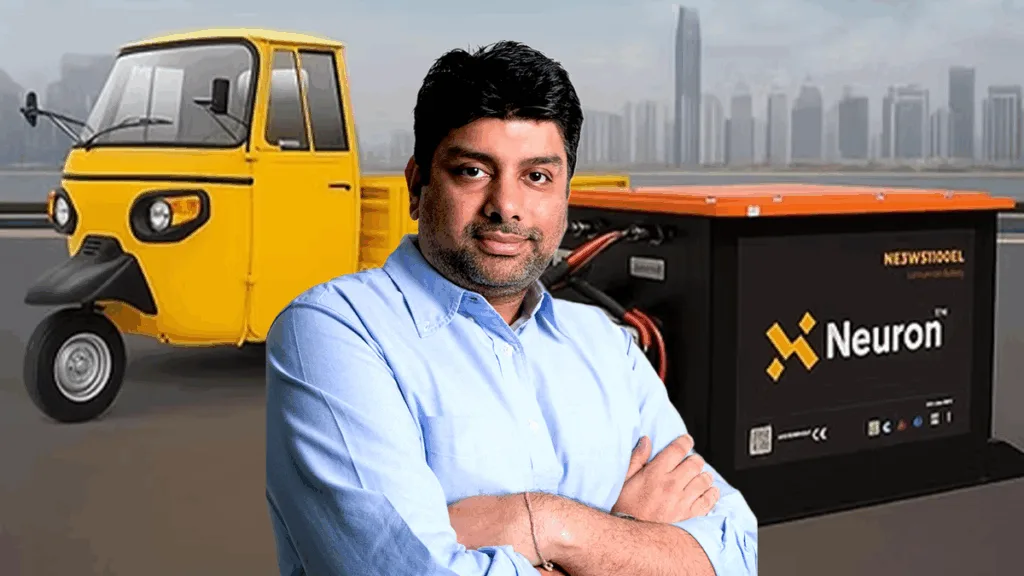
Mumbai-based EV battery manufacturer Neuron Energy has secured a significant boost to its growth ambitions, raising ₹31 crore in its pre-Series B funding round led by Equanimity Ventures. The round attracted strong investor confidence with participation from Rajiv Dadlani Group, Thackersay Family Office, Chona Family Office, and prominent high-net-worth individuals.
Table of Contents
Ambitious Manufacturing Expansion
The fresh capital will enable Neuron Energy to scale its manufacturing capacity to an impressive 3 GWh, marking a transformative phase for the lithium-ion battery specialist. The company plans to establish a state-of-the-art automated facility at Chakan near Pune, specifically designed for electric four-wheeler and bus battery production.
Funding Metrics
Details
Pre-Series B Amount
₹31 crore
Lead Investor
Equanimity Ventures
Total Funding Raised
₹80 crore
Current Revenue Target
₹200 crore (FY2025)
Future Projection
₹900 crore
Manufacturing Target
3 GWh capacity
Strong Growth Trajectory
Founded in 2018 by Pratik Kamdar and Raj Shah, Neuron Energy has demonstrated remarkable resilience in India’s competitive EV battery landscape. Including this pre-Series B round, the company has raised ₹80 crore to date, having previously secured ₹20 crore each in its Series A and pre-Series A rounds.
The company’s growth strategy focuses on developing advanced battery management systems and longer-lasting lithium-ion batteries tailored for Indian operating conditions. With current revenue targets set at ₹200 crore for this year and future projections reaching ₹900 crore, Neuron Energy positions itself as a formidable player in the rapidly expanding Indian EV ecosystem.
Thriving EV Battery Ecosystem
The investment comes as EV and battery startups witness strong growth driven by rising demand for cleaner mobility and energy-efficient transportation. Government incentives, declining battery prices, and increasing adoption of electric two- and three-wheelers have created fertile ground for innovation in the sector.
Recent funding activities highlight investor appetite for battery technology companies. BatteryPool raised ₹8 crore for its battery network expansion, while Offgrid secured $15 million in Series A funding for battery swapping solutions, according to industry reports.
Q1: How much funding has Neuron Energy raised in its pre-Series B round? Neuron Energy has secured ₹31 crore in its pre-Series B funding round led by Equanimity Ventures.
Q2: What will Neuron Energy use the funding for? The funds will scale manufacturing to 3 GWh, establish an automated plant for four-wheeler batteries at Chakan, expand R&D capabilities, and fuel domestic and international growth.
Q3: Who are the investors in Neuron Energy’s latest funding round? The round was led by Equanimity Ventures with participation from Rajiv Dadlani Group, Thackersay Family Office, Chona Family Office, and reputed HNIs.
Q4: What is Neuron Energy’s revenue target? The company targets ₹200 crore revenue for the current fiscal year with future projections set at ₹900 crore.
Q5: How much total funding has Neuron Energy raised? Including the pre-Series B round, Neuron Energy has raised ₹80 crore in total funding.
Mahindra & Mahindra is accelerating its electric vehicle ambitions with an aggressive target to sell 7,000 EVs monthly by the end of the current fiscal year. The automaker currently sells between 4,000 and 5,000 electric vehicles each month, marking a significant planned expansion in the coming months.
Table of Contents
Production Capacity Expansion
Rajesh Jejurikar, Executive Director at Mahindra, revealed the company is moving toward an operating capacity of 8,000 units monthly, positioning the Mumbai-based manufacturer to capture a larger share of India’s growing EV market. This capacity boost comes alongside strategic infrastructure development, with plans to establish approximately 1,000 charging points by 2027 in high-traffic areas.
Key Metrics
Details
Current Monthly Sales
4,000-5,000 units
Target Monthly Sales
7,000 units by March 2025
Production Capacity
8,000 units/month
Revenue (H1 FY26)
₹8,000+ crore from EVs
Total EVs Sold (7 months)
30,000+ units (BE 6 & XEV 9e)
XEV 9S Drives Market Expansion
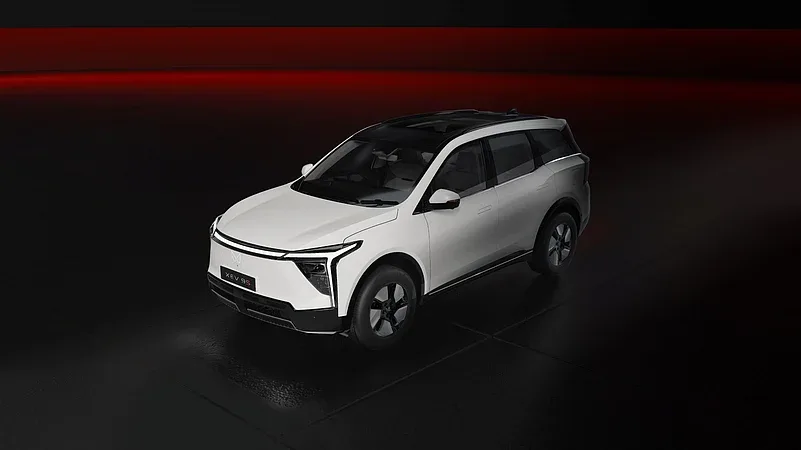
The recently launched seven-seater electric SUV, XEV 9S, strengthens Mahindra’s portfolio with pricing between ₹19.95 lakh and ₹29.45 lakh (ex-showroom). The vehicle boasts a real-world range of approximately 500 kilometers, addressing range anxiety concerns among Indian consumers.
Nalinikanth Gollagunta, CEO of Mahindra’s Automotive Division, emphasized that the XEV 9S signals the beginning of a significant electric era for the company, built on scale and understanding of Indian mobility needs.
Strong Market Performance
Mahindra’s electric vehicle segment has demonstrated remarkable traction, with revenues exceeding ₹8,000 crore from EV sales in the first half of FY2026. The company’s born-electric portfolio, including the BE 6 and XEV 9e, has resonated strongly with consumers seeking premium zero-emission SUVs.
According to Mahindra’s official investor relations, the automaker continues investing heavily in electric mobility infrastructure while addressing supply chain challenges through multiple mitigation strategies and battery recycling solutions.
Mahindra XEV 9S launches today at 12 PM at ₹19.95 lakh as India’s first 7-seater electric SUV with 679km range and genuine family practicality. The wait ends today at noon. Mahindra launches the XEV 9S, its first three-row electric offering for the Indian market, with prices starting at ₹19.95 lakh (ex-showroom). Positioned as “Space for Everything,” the Big New Electric redefines what families can expect from electric mobility without compromise.
Table of Contents
Mahindra XEV 9S: Breaking New Ground in Electric Family Mobility
The XEV 9S is the first mass-market 3-row electric SUV in India, filling a critical gap in the EV ecosystem. Unlike MPV-based competitors like the Kia Carens Clavis EV or BYD eMax 7, the XEV 9S delivers genuine SUV proportions with commanding road presence—perfect for families seeking spaciousness without sacrificing style or performance.
Bookings open January 14, 2026, with deliveries beginning January 23, 2026—giving families ample time to explore India’s first purpose-built seven-seater electric SUV.
Design That Commands Attention
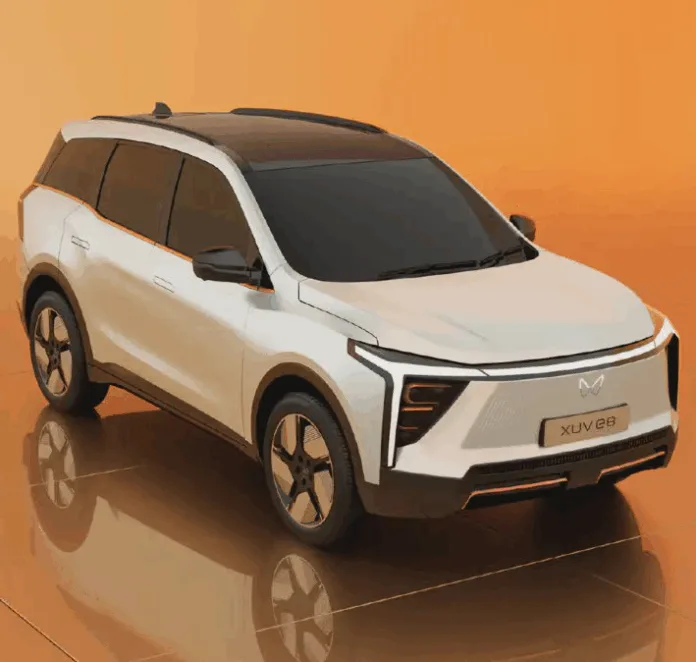
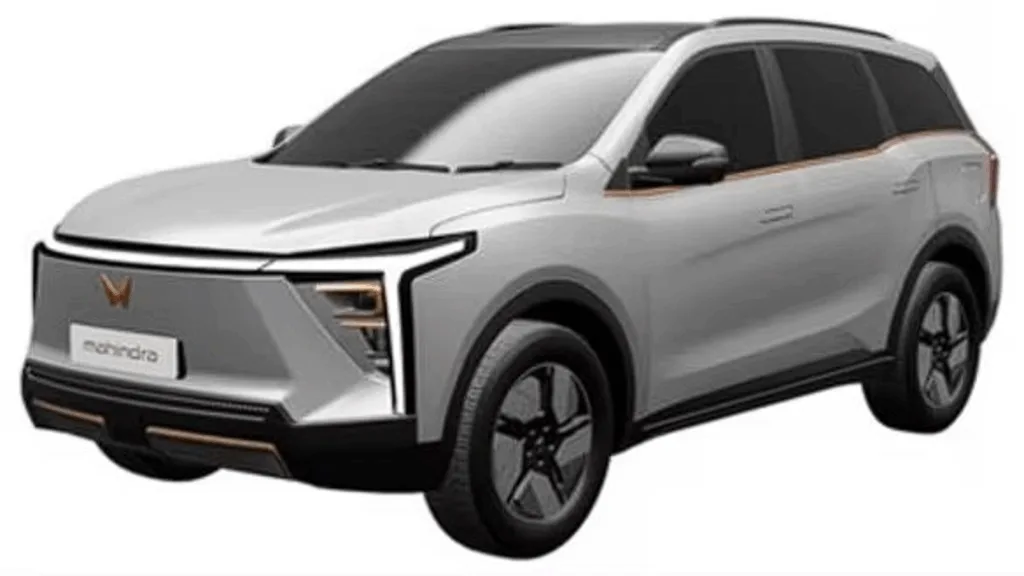
The XEV 9S features a closed-off grille, connected DRLs, triangular LED headlamps, and a long wheelbase of 2,762mm that maximizes cabin and luggage space. Unlike the coupe-styled XEV 9e sibling, the 9S adopts conventional SUV proportions reminiscent of the XUV700, prioritizing interior volume over aggressive styling.
With the third-row folded down, there’s 527 litres of boot space, and the frunk can hold up to 150 litres of luggage—making weekend getaways genuinely feasible for Indian families.
Tech-Forward Cabin Experience
The XEV 9S features a triple-screen layout with a central touchscreen, digital instrument cluster, and passenger-side display, plus separate screens for second-row passengers mounted on front seat backs. Premium features include an openable panoramic sunroof (unlike the fixed glass roofs in BE 6 and XEV 9e), Harman Kardon sound system, Boss mode for electronic seat adjustment, dual-zone climate control, and augmented reality head-up display.
The MAIA AI system powers vehicle infotainment and onboard digital functions, while Level 2+ ADAS features include auto parking capabilities and drowsiness detection—making this one of the safest electric family vehicles in India.
Performance Meets Practicality
Power and torque output stand at 281 bhp and 380 Nm, with Mahindra claiming a 500 km real-world range on a single charge. All battery packs support fast charging up to 175kW, with a claimed 0-100 kmph time of 7 seconds and top speed of 202 kmph.
The middle 70 kWh battery pack introduces an interesting sweet spot—balancing range anxiety concerns with pricing considerations. For families exploring long-range electric SUVs, the 79 kWh variant’s 679 km ARAI-claimed range positions it among India’s longest-range EVs.
Market Impact & Competition
Built on Mahindra’s INGLO platform, co-developed with Volkswagen, the XEV 9S essentially stands alone in the mass-market seven-seater electric SUV segment. While the Tata Harrier EV offers AWD capability, it remains a five-seater, leaving the XEV 9S unchallenged in genuine three-row electric territory below ₹50 lakh.
For buyers comparing electric vs ICE seven-seaters, the XEV 9S’s pricing overlaps with premium ICE SUVs while delivering significantly lower running costs—approximately ₹1-1.5 per km versus ₹6-8 per km for diesel equivalents.
The Verdict
The Mahindra XEV 9S isn’t just another electric SUV—it’s India’s first genuine answer to family-focused electric mobility. With practical range, genuine seven-seat capability, and competitive pricing starting at ₹19.95 lakh, Mahindra has created space for everything Indian families need in their electric future.
Meta Description: Mahindra XEV 9S launches today at 12 PM at ₹19.95 lakh as India’s first 7-seater electric SUV with 679km range and genuine family practicality.
Primary Keyword: Mahindra XEV 9S launches today
Secondary Keywords: XEV 9S price India, 7-seater electric SUV launch, Mahindra electric family SUV, XEV 9S 12 PM launch
Servotech secures patent for CCS2 to GB/T EV charging converter, solving compatibility issues for older electric vehicles on modern charging infrastructure. In a breakthrough that could reshape India’s electric vehicle charging landscape, NSE-listed Servotech Renewable Power System Limited has secured a patent from the Indian Patent Office for its innovative “System and Method for Charging an Electric Vehicle”. This technology solves one of the EV industry’s most pressing challenges: charging compatibility between older GB/T vehicles and modern CCS2 infrastructure.
Table of Contents
The Compatibility Crisis Solved
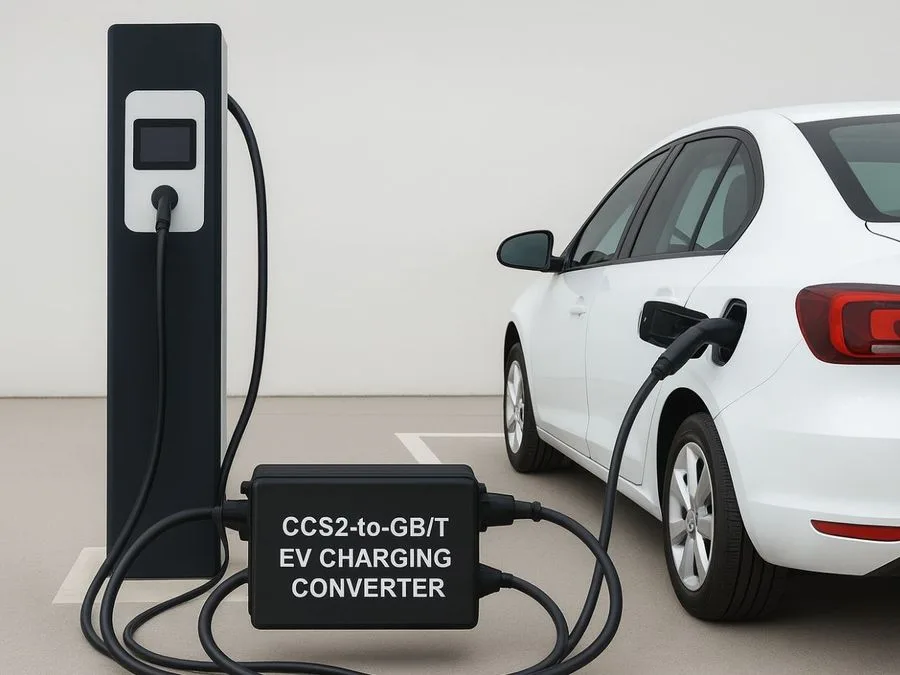
As India’s EV ecosystem rapidly transitions toward the CCS2 standard, thousands of older electric buses and commercial vehicles operating on GB/T charging technology face obsolescence. Servotech’s patented smart converter bridges this gap, allowing GB/T-enabled vehicles to charge seamlessly using CCS2 DC fast chargers without expensive infrastructure overhauls.
The technology has already undergone successful trials on select GB/T-enabled EV buses and commercial cabs, demonstrating exceptional performance and reliability. With over 2,400 EV chargers already installed in collaboration with oil marketing companies, Servotech is now exploring wider deployment across fleet operators, public transport networks, and commercial charging hubs.
Servotech CCS2 to GB/T Converter: Technical Specifications
Feature
Details
Technology
Smart converter device
Compatibility
GB/T vehicles on CCS2 chargers
Charging Type
DC Fast Charging
Target Vehicles
EV buses, commercial cabs, fleet vehicles
Safety Features
Secure, quick, efficient charging
Patent Status
Granted by Indian Patent Office
Trial Status
Successfully tested on buses and cabs
Deployment Stage
Exploring wider rollout opportunities
Industry Impact & Strategic Importance
Commenting on this development, Arun Handa, Chief Technical Officer of Servotech Renewable Power System Ltd., stated that being awarded this patent reflects the company’s focus on solving real industry challenges with practical, scalable innovations. He emphasized that this revolutionary technology will play a crucial role in bridging India’s charging compatibility gaps and accelerating the shift to a unified, efficient EV ecosystem.
For commercial EV operators facing the dual challenge of upgrading to new standards while maintaining older fleets, this innovation offers a cost-effective solution. Rather than replacing entire vehicle fleets or maintaining dual charging infrastructure, operators can now leverage existing CCS2 networks while extending the operational life of GB/T vehicles.
Market Context & Future Outlook
Established in 2004, Servotech has manufacturing capacity of 300,000 units per month at its Sonipat, Haryana facility. The company is also building a new manufacturing plant dedicated to producing Power Modules, Control Circuits, and PLCs—key components used in EV chargers—positioning itself as both a charger manufacturer and OEM supplier for the rapidly growing Indian EV market.
This patent follows Servotech’s earlier collaboration with Electra EV on GB/T to CCS2 interoperability solutions, demonstrating the company’s continued commitment to solving charging compatibility challenges. For stakeholders exploring EV charging infrastructure development, Servotech’s innovation represents a practical approach to maximizing existing infrastructure utilization while supporting legacy vehicle fleets.
The Bottom Line
Servotech’s patented CCS2 to GB/T converter isn’t just another charging accessory—it’s a strategic enabler for India’s electric mobility transition. By ensuring older vehicles aren’t left behind in the technological shift, this innovation supports fleet operators, reduces infrastructure costs, and accelerates the path toward a truly unified EV charging ecosystem.
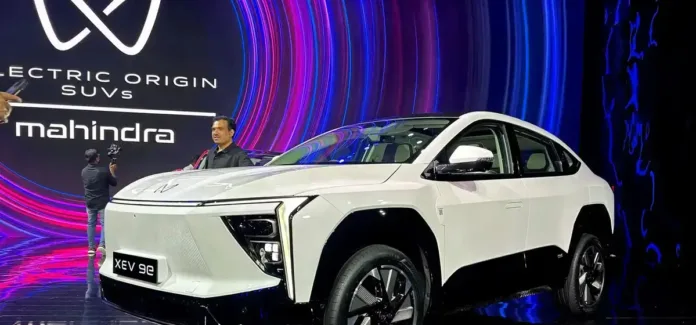
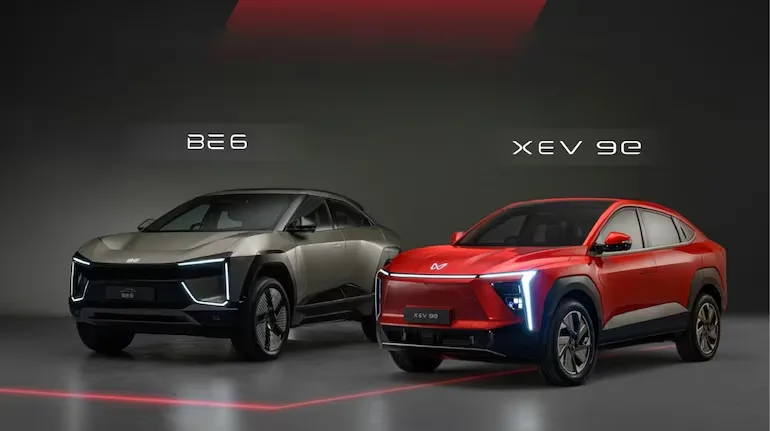
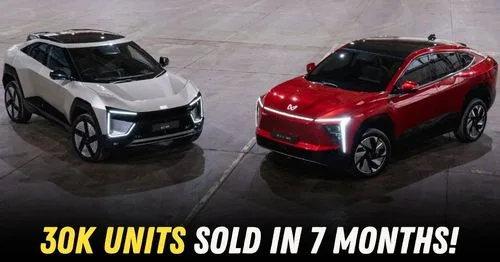
Mahindra sells 30,000 electric SUVs in 7 months led by XEV 9e and BE 6, marking a major milestone for India’s premium EV segment with Born Electric range. Mahindra has made a big announcement – over 30,000 Mahindra electric Origin SUVs on Indian roads and it’s been done in 7 months! This milestone represents a transformative achievement for India’s homegrown automaker and underscores the rapid adoption of premium electric SUVs across the country. The impressive sales figure comes from Mahindra’s Born Electric range, led by the XEV 9e and BE 6 models that launched in November 2024.
Sales Milestone Details
Specifications
Total Units Sold
30,000+ electric SUVs
Timeline
7 months (March-October 2025)
Models Included
XEV 9e, BE 6
Delivery Start
March 2025
Price Range
BE 6: ₹18.90-26.90 lakh; XEV 9e: ₹21.90-30.50 lakh (ex-showroom)
Platform
INGLO (dedicated EV skateboard platform)
Sales Contribution
EVs comprise 7.5% of Mahindra’s total sales in first 10 months of 2025
Next Launch
XEV 9S (7-seater) on November 27, 2025
Table of Contents
Mahindra Record-Breaking Sales Momentum
Mahindra unveiled the BE 6 and XEV 9e in November last year, but commenced their sales in March. By the end of last month, in just eight months, the company managed to hand over 30,000 units of these models. This achievement becomes even more significant considering Mahindra only began with deliveries of the top-spec Pack Three variants of the XEV 9e and BE 6. The deliveries of the mid-spec Pack Two variants began in late July 2025.
The sales performance demonstrates strong consumer confidence in Mahindra’s premium EV offerings. In a post on social media, the company said, “It started with a belief to Unlimit India, and that belief has grown into an electric roar of over 30,000 Mahindra eSUVs on Indian roads in just 7 months.”
XEV 9e Leads Sales Despite Higher Pricing
Interestingly, the Mahindra BE 6 was widely expected to sell in higher numbers than the Mahindra XEV 9e due to its significantly lower prices. However, preliminary sales data indicated the reality was the opposite, with the larger and pricier model taking the lead. It appears that the Mahindra BE 6’s apparent small dimensions and snug interior have worked against its favour.
The XEV 9e’s success stems from its spacious cabin, premium positioning, and comprehensive feature set that appeals to buyers seeking a true luxury EV experience comparable to international offerings.
Technical Specifications and Performance
Both models are built on Mahindra’s dedicated INGLO platform and offer compelling performance credentials. Mahindra offers the BE 6 in standard-range and long-range single-motor RWD variants with 59 kWh and 79 kWh LFP battery packs, respectively. The former’s rear motor produces 228 hp and 380 Nm of torque, while the latter’s rear motor develops 282 hp and 380 Nm of torque. The standard-range variant maxes out at 557 kilometres, while the long-range variant covers a distance of 683 kilometres. The latter hits 0 to 100 km/h in just 6.7 seconds.
For the larger XEV 9e, the XEV 9e line-up comprises the same two variants as the BE 6, with the same battery pack and motor combinations. The larger model delivers a range of 542 kilometres in the base variant and 656 kilometres in the top variant. The latter accelerates from 0 to 100 km/h in just 6.8 seconds.
Premium Features Driving Customer Preference
These cars come with best-in-class features like a (12.3+12.3) dual-screen display, AR-based HUD, Ventilated front seats, panoramic glowing sun-roof, 16-speaker Harman Kardon sound system tuned by Popular Music director AR Rahman. For safety, Mahindra EVs offer Level 2 ADAS, seven airbags, ABS with EBD, ESC, and TPMS. They also scored a 5-star crash rating in the Bharat NCAP.
The comprehensive safety suite and premium amenities position these vehicles as serious contenders in India’s growing premium EV segment, competing directly with offerings from Tata Motors, BYD, Hyundai, and MG Motor.
XEV 9S Launch to Expand Portfolio
After the grand success of the BE.06 and XUV.e9, the company is now all set to showcase the XEV.9S on 27th November, a larger and more advanced version of its popular electric SUV. Built on the same platform, the XEV 9S is expected to offer a seven-seat layout, combining practicality with premium design. It is also expected to feature the same powerful battery options seen in the 9e — including the 79 kWh pack with up to 656 km of range and a 59 kWh pack delivering around 542 km.
The 7-seater XEV 9S will address a critical market segment currently dominated by ICE vehicles, offering families a practical electric alternative with no compromise on space or capability.
Market Impact and Future Roadmap
According to industry data, EVs comprised 7.5 percent of sales in the first 10 months of 2025 for Mahindra, marking a significant contribution from the Born Electric range launched less than a year ago. This performance validates Mahindra’s strategic decision to invest heavily in dedicated EV platforms rather than simply electrifying existing ICE architectures.
It added that this is only the beginning, as it plans to expand its electric portfolio further in the months ahead, with more BE models being prepared for both domestic and global markets. The company’s aggressive EV roadmap includes electric versions of popular models like the XUV 3XO and additional variants across both XEV and BE sub-brands.
India EV registrations cross historic 2 million milestone for first time in 2025, driven by 57% two-wheeler share, robust three-wheeler adoption, and 57% passenger vehicle growth. In a remarkable achievement, India has crossed the 2 million mark in electric vehicle registrations for the first time in 2023. This figure, which stands at 2.02 million units, shows a notable increase from 1.95 million units recorded in 2024. This milestone represents a watershed moment for India’s electric mobility revolution, demonstrating robust consumer adoption across two-wheelers, three-wheelers, passenger vehicles, and commercial vehicles despite policy adjustments and market challenges.
EV Registrations Milestone Details
Figures
Total EV Registrations 2025
2.02 million units (first time crossing 2 million)
Previous Year (2024)
1.95 million units
Growth Rate
Notable increase YoY
Two-Wheeler Share
57% of total EV volumes (1.2 million units)
Three-Wheeler Sales
690,000 units (by October 2025)
Four-Wheeler Growth
57% YoY increase
October 2025 Monthly Record
234,274 units (7,557 EVs sold daily)
January-October 2025
1.84 million units sold
Table of Contents
India EV Registrations
India EV Two-Wheelers Lead the Charge
The growth in registrations is primarily driven by electric two-wheelers, which account for 57% of total EV volumes this year. According to recent industry data, the e-2W segment has demonstrated exceptional momentum, with cumulative January-October 2025 sales have crossed the million-units mark for the first time in the first 10 months. At 1.06 million units and 11% YoY growth, the electric 2W industry is only 85,950 units away from riding past its best-ever annual sales of 1.14 million units it clocked in CY2024.
The segment’s success stems from expanding dealer networks, improved affordability through falling battery prices, and the introduction of longer-range models. Major players including Bajaj Auto, TVS Motor Co., Ather Energy, Hero MotoCorp, Ola Electric, and Greaves Electric Mobility command 89% market share, demonstrating the dominance of established manufacturers over nearly 190 smaller competitors.
Three-Wheelers: Fastest Transition from ICE to Electric
The electric three-wheeler segment has witnessed remarkable transformation, becoming a critical component of India’s last-mile mobility electrification. The electric 3-wheeler industry hit a new monthly retail sales high of 70,604 units, up 5% YoY (October 2024: 67,173 units) and crossed the 70,000-unit mark for the first time, beating the previous best of 69,125 units in July 2025.
This segment represents the fastest transition from internal combustion engines to electric powertrains, with electric three-wheelers now accounting for 57% of all three-wheeler sales in India. The e-3W market is dominated by Mahindra Last Mile Mobility, Bajaj Auto, YC Electric, TVS Motor Co, and other specialized manufacturers catering to commercial fleet operators.
Passenger Vehicles Register Impressive 57% Growth
The four-wheeler segment has posted strong growth despite being the smallest contributor by volume. Industry reports indicate that electric passenger vehicles have registered 57% year-on-year growth, driven by mid-range model launches and improved total cost of ownership economics. The availability of home and office charging infrastructure in urban centers has significantly reduced range anxiety, encouraging more consumers to make the switch.
According to data from the Federation of Automobile Dealers Association (FADA), the country logged 91,726 units in electric car sales during this period, marking a year-over-year growth of 47,554 units or 108 per cent (H1 FY2025: 44,172 units). The segment has already reached 86% of the entire FY2025 electric car sales record with several months remaining in the fiscal year.
Market Drivers and Consumer Confidence
The demand for electric vehicles remains robust despite recent policy changes, thanks to falling battery prices and a gradually expanding charging network. Industry experts highlight that the increasing availability of longer-range models has also played a crucial role in boosting consumer confidence.
According to Crisil Ratings analysis, Poonam Upadhyay, director at Crisil Ratings, anticipates a mid-teen growth rate for 2025, which, while softer than the previous year’s 27% surge, still indicates a healthy market. This projection suggests sustainable growth rather than unsustainable boom-bust cycles.
India EV Registrations
Record-Breaking October 2025 Performance
October 2025 marked a significant milestone with retail sales this October at a record 234,274 units, up 7% YoY and an additional 14,552 units (October 2024: 219,722 units) have breezed past the previous monthly best of 219,722 EVs exactly a year ago. This new monthly benchmark translates into 7,557 EVs sold on each day of October 2025.
What makes this achievement particularly noteworthy is that October 2025 was the first full month following GST 2.0 reforms, which reduced prices of internal combustion engine vehicles. Despite the narrowed price differential, EV sales surged, demonstrating that Indian consumers are choosing electric vehicles for performance, sustainability, and long-term savings rather than just initial price advantages.
Infrastructure and Policy Support
India’s public EV charging network has expanded rapidly at a CAGR of approximately 72% between FY22 and FY25, growing from 5,151 chargers in CY22 to 29,277 by July FY25—a five-fold increase. This growth has been supported by government initiatives including the PM E-DRIVE scheme, which allocated ₹2,000 crore specifically for public charging station installations nationwide.
State-level policies have complemented national efforts, with Maharashtra targeting 10% EV share in new vehicle registrations by December 2025, Karnataka planning to electrify 100% of three- and four-wheeler cargo vehicles by 2030, and Uttar Pradesh leading adoption with over 400,000 EV registrations driven primarily by e-rickshaws.
Market Outlook and Future Projections
With 1.84 million units sold between January and October, the 2-million milestone will be crossed very soon for the first time in a calendar year. Industry analysts project CY2025 total sales to reach approximately 2.15 million units, making it the strongest year in India’s EV history.
As the electric vehicle landscape continues to evolve, the combination of supportive policies, technological advancements, and changing consumer preferences is expected to drive further growth. The Indian EV market is poised for a promising future, with stakeholders optimistic about the continued adoption of electric vehicles across all segments.
The government’s ambitious target of 30% EV sales in private cars and up to 80% in two- and three-wheelers by 2030 appears increasingly achievable given current momentum, with the EV market expected to reach $164.42 billion by 2033 at a remarkable CAGR of 57.23%.
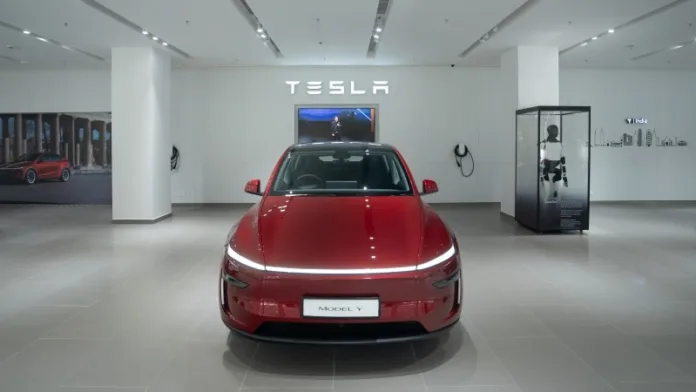
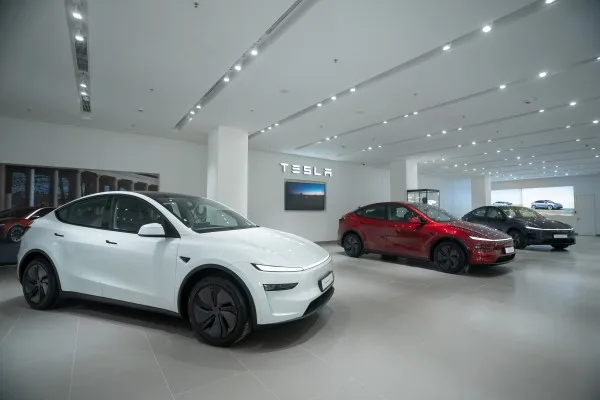
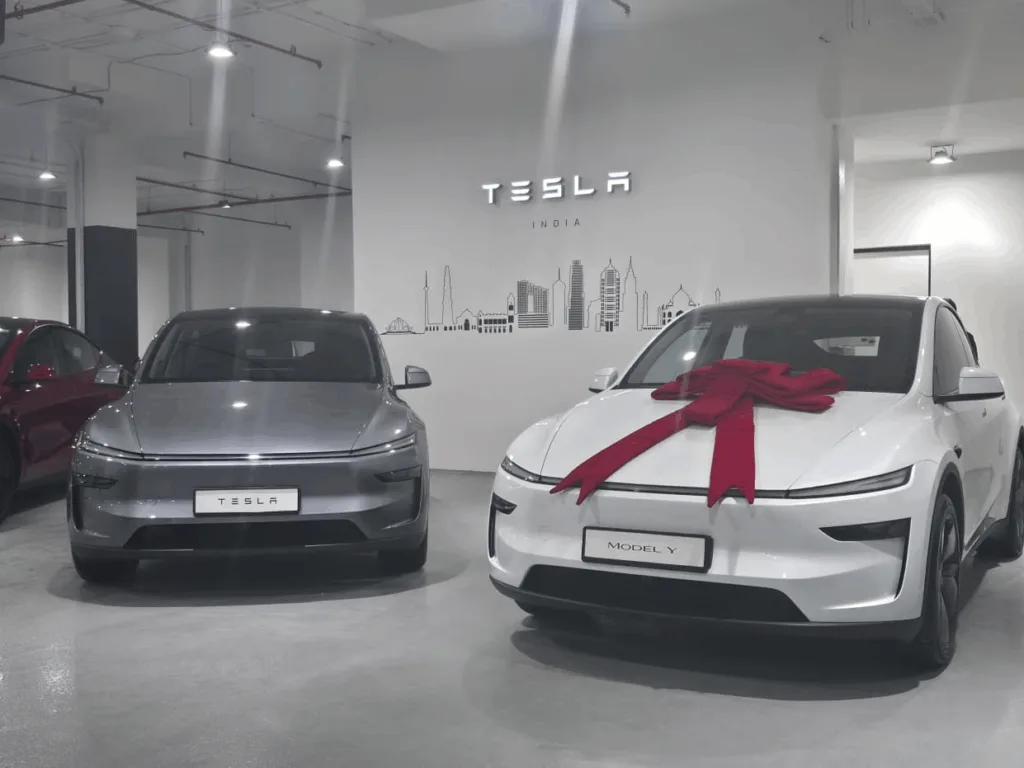
Tesla India has announced the launch of its first integrated Tesla Center at Orchid Business Park in Gurugram, opening on November 27, 2025. The facility will provide retail operations, after-sales service, vehicle delivery, and charging services from a single location. This landmark opening represents Tesla’s most comprehensive customer facility in India, combining multiple service touchpoints under one roof for the first time since the company’s market entry in July 2025.
Tesla Comprehensive Customer Experience Under One Roof
The Tesla Center at Sector 48 is intended to serve customers in northern India. Visitors can access information on Tesla technologies, test drive the Model Y, use V4 Superchargers, and receive after-sales support. The Optimus Gen 2 robot is currently on display in Gurugram, Mumbai, and Delhi.
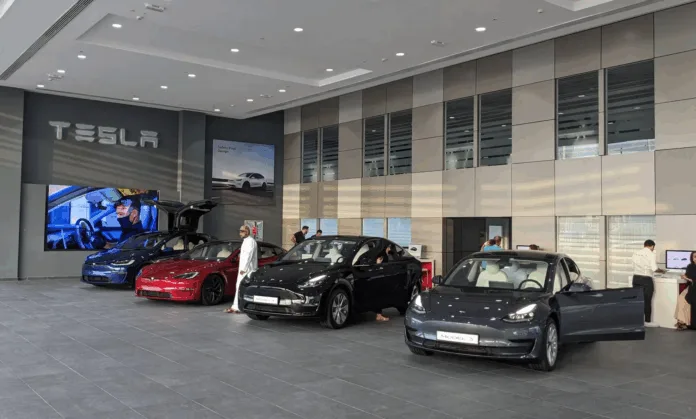
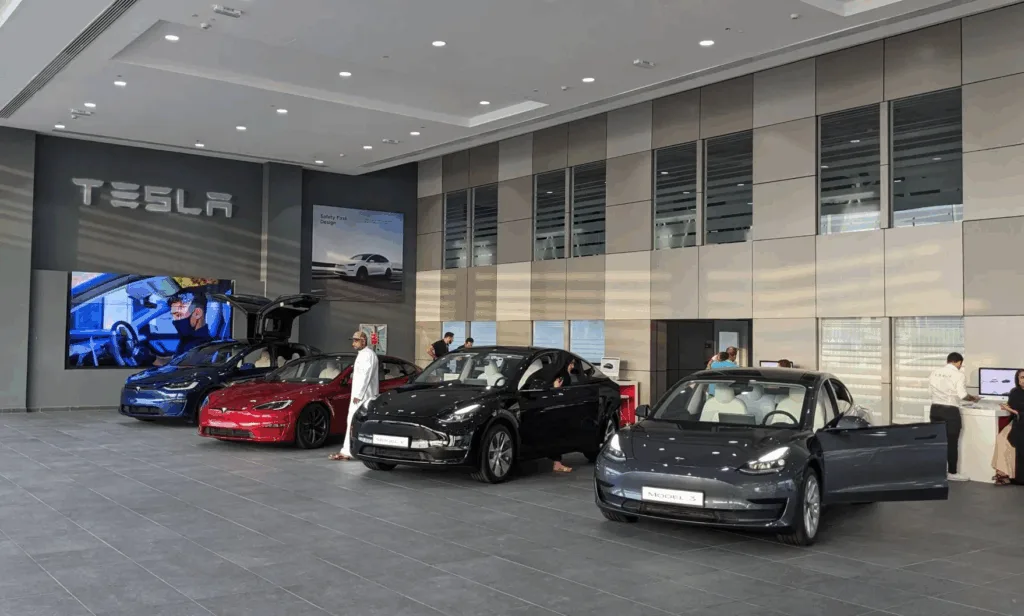
This integrated approach marks a significant departure from Tesla’s existing Experience Centers in Mumbai and Delhi, which primarily focus on brand exposure and customer education. The Gurugram facility represents Tesla’s first full-service hub in India, designed to handle end-to-end customer operations from initial exploration through long-term vehicle maintenance.
Rapid Infrastructure Expansion Since July Launch
Since its market launch in July, Model Y India has expanded through the opening of the Gurugram facility, Experience Centers in Mumbai and Delhi, and three charging locations. With the upcoming commissioning of the One Horizon site in Gurugram, Model Y will operate four charging stations nationally, equipped with 16 Superchargers and 10 Destination Chargers.
The charging network expansion addresses one of the critical barriers to EV adoption in India. According to Tesla, the Model Y can add up to 275 km of range in 15 minutes on a Supercharger and the network reports 99.95% uptime. This reliability metric positions Tesla’s charging infrastructure among the most dependable in India’s growing EV ecosystem.
Leadership Vision: Building Around Customer Lifestyles
Sharad Agarwal, General Manager, Tesla India, stated “Tesla’s mission is to accelerate the world’s transition to sustainable energy. We are opening our first all-in-one Tesla Center in Gurugram — combining experience center, after-sales service, delivery, and charging station in one place. By building charging infrastructure that fits people’s daily lives, we are making electric driving convenient for everyone in India. The network will expand rapidly for a seamless EV experience. Our direct business model has sparked huge excitement for electric mobility, driving strong adoption and lasting confidence in sustainable transport across India.”
Sharad Agarwal joined Tesla India in November 2025, bringing extensive premium automotive expertise from previous leadership roles at Lamborghini India, Mahindra Classic Legends, and Audi India. His appointment signals Tesla’s commitment to leveraging luxury automotive expertise to compete against established European EV rivals in the Indian market.
Model Y: Global Bestseller Now Available in India
The Model Y, which recorded the highest global unit sales in 2023 and 2024, has received 5-star safety ratings from international agencies. It is available starting at INR 59,89,000, with deliveries expected by the end of the year. Tesla also provides home charging support for buyers.
The company offers two variants tailored for the Indian market: The Model Y is available in two variants: Rear-Wheel Drive and Long Range Rear-Wheel Drive, offering 500 km and 661 km WLTP range respectively, with a top speed of 201 km/h. Acceleration from 0–100 km/h is 5.9 seconds and 5.6 seconds. Prices start at INR 59,89,000 and INR 67,89,000.
Financing Options and Purchase Process
Financing rates range from 8.7% to 11% (indicative), with an order deposit of INR 22,220 and an admin and service fee of INR 50,000. Orders can be placed through Tesla’s official website. The direct-to-consumer business model eliminates traditional dealership markups, allowing Tesla to maintain consistent pricing and customer experience across all touchpoints.
Current Facility Network Across India
Tesla currently operates one Tesla Center in Gurugram (Orchid Business Park, Sector 48; 10:30 AM–8:00 PM) and Experience Centers in Mumbai (BKC, Maker Maxity; 11:00 AM–8:00 PM) and Delhi (Aerocity, Worldmark 3; 10:30 AM–7:30 PM).
The multi-city presence ensures Model Y maintains visibility in India’s top three luxury automotive markets, providing potential customers multiple touchpoints to experience the brand before making purchase decisions.
Early Market Performance Signals Traction
According to industry data, Tesla recorded 104 units in retail sales across September and October 2025, demonstrating early traction in India’s growing luxury EV segment. This performance comes despite premium pricing that positions the Model Y significantly above mass-market electric SUVs from domestic manufacturers like Tata Motors and Mahindra.
Strategic Positioning in India’s 50th Global Market
India represents Tesla’s 50th global market, underscoring the company’s cautious yet strategic approach to entering one of the world’s most promising automotive frontiers. The phased expansion strategy—beginning with high-potential metro markets and focusing on luxury buyers—mirrors Tesla’s successful playbook in other emerging markets.
The integrated center model in Gurugram could serve as a blueprint for future Model Y facilities in other Indian cities, particularly tier-1 metros like Bengaluru, Hyderabad, Pune, and Ahmedabad, which have demonstrated strong appetite for premium electric vehicles.
Tata Sierra AWD under development with dual-motor e-AWD confirmed for electric variant launching early 2026. ICE AWD version also in pipeline with 500+ km range expected. Tata Motors has pulled the production wraps off the new Sierra ICE in India reviving one of its iconic nameplates. With a starting price of Rs. 11.49 lakh (ex-showroom), the SUV enters a fiercely competitive space where it will go head-to-head with segment leaders like the Hyundai Creta. Following the launch announcement, Tata has officially confirmed that all-wheel-drive variants are in development, with the upcoming Sierra EV set to feature a sophisticated dual-motor e-AWD configuration.
Tata Sierra AWD Development Details
Specifications
ICE Launch Date
November 25, 2025 (base price announced)
ICE Starting Price
₹11.49 lakh (ex-showroom, introductory)
Bookings Open
December 16, 2025
First Deliveries
January 15, 2026
Sierra EV Launch
Expected early 2026 (February)
EV Platform
Gen 2 Acti.ev architecture
e-AWD Configuration
Dual-motor setup (front + rear)
Battery Options
65 kWh (RWD), 75 kWh (RWD/AWD)
Expected EV Range
500+ km on single charge
ICE AWD Status
Under development, timing unconfirmed
Table of Contents
Tata Sierra EV
Dual-Motor e-AWD System for Sierra EV
The homegrown manufacturer has confirmed that an all-wheel-drive setup will be introduced later as the upcoming electric version of the new Sierra will feature a twin electric motor setup. This system will likely mirror the configuration debuted in the Harrier EV, which represents Tata’s first production vehicle with AWD capabilities in recent years.
According to industry reports, the Sierra EV could be the next Tata to feature the new QWD (Quad-Wheel Drive) or AWD system, which debuts in the Tata Harrier EV. It will come with dual-motor set-up for AWD capabilities. The electric Sierra could get the same set-up as the new Harrier EV, featuring 65kWh battery with RWD set-up and 75kWh battery with RWD and QWD set-ups.
Technical Specifications of e-AWD System
In the QWD version, the front-axle-mounted electric motor produces 156bhp while the rear-axle mounted motor produces 235bhp. The SUV offers a maximum torque of up to 504Nm. It offers a range of top to 622km in a single charge (ARAI Certified on MIDC cycle). This powertrain configuration delivers exceptional performance while maintaining impressive efficiency for long-distance travel.
The dual-motor setup will provide multiple drive and terrain modes, enabling the Sierra EV to handle diverse driving conditions from highway cruising to challenging off-road terrain. Expected to share its battery packs with the Harrier EV, the Sierra EV could target a range of more than 500 km between charges and it will support bidirectional charging as well.
ICE AWD Variant Also Under Consideration
As for the ICE version, an AWD variant has not been ruled out indicating that it could be available in the future and works on it might have already begun. The current Sierra ICE launched with front-wheel-drive configuration across all variants, but Tata’s confirmation of AWD development suggests the company recognizes market demand for enhanced capability.
Currently, the Tata Sierra is only available with front-wheel-drive. However, Tata have confirmed an 4-wheel-drive version is in the pipeline. Whether it is with an internal combustion engine or dual electric motors remains to be seen. The modular ARGOS platform underpinning the ICE Sierra was specifically designed to accommodate AWD systems, making future implementation technically feasible.
Current ICE Powertrain Options
The launched Sierra ICE offers comprehensive powertrain flexibility. Currently, customers can choose between two petrol engines and one diesel motor option. The naturally aspirated 1.5-litre Revotron NA petrol unit produces 106 PS and 145 Nm while the new 1.5-litre TGDi turbo GDI delivers a much stronger 160 PS and 255 Nm. Meanwhile, the 1.5-litre diesel develops 120 PS with torque outputs going up to 280 Nm.
Transmission options include a 6-speed manual, a 6-speed torque converter automatic and a 7-speed dual-clutch gearbox. This extensive lineup provides customers with choices ranging from efficiency-focused naturally aspirated petrol to performance-oriented turbocharged gasoline direct injection and torque-rich diesel options.
ARGOS Platform Enables Multiple Configurations
As it sits on Tata’s modular ARGOS platform, developed to support future body styles and multiple powertrain options, more tailored variants and perhaps seating configurations are likely. The platform’s flexibility positions the Sierra for continuous evolution, potentially including extended wheelbase variants, different seating configurations, and specialized off-road packages.
The Sierra is based on Tata’s new ARGOS architecture, which not only supports an all-wheel-drive setup, but can also accomodate different powertrain options like petrol, diesel, CNG, and even hybrid. This versatility ensures the Sierra can adapt to changing market preferences and regulatory requirements over its lifecycle.
Variant Lineup and Feature Set
The Sierra is being retailed in seven trims namely Smart+, Pure, Pure+, Adventure, Adventure+, Accomplished and Accomplished+ with six exterior colour options. The extensive variant structure allows Tata to address diverse customer segments from value-conscious buyers to premium feature seekers.
Feature highlights include a panoramic sunroof, triple-screen setup (12.3-inch central touchscreen, 12.3-inch passenger screen, 10.25-inch driver display), 12-speaker JBL audio system with SonicSoundbar, powered and ventilated front seats, wireless charging, AR-based head-up display, and powered tailgate. The Sierra also debuts Tata’s t.idal 2.0 electric architecture, making it India’s first ICE vehicle with 5G connectivity and OTA update capability for up to 10 ECUs.
Market Positioning and Competition
Bookings are scheduled to open from December 16 with the first customer deliveries planned for mid-January 2026. The Sierra is being retailed in seven trims namely Smart+, Pure, Pure+, Adventure, Adventure+, Accomplished and Accomplished+ with six exterior colour options. The vehicle competes in the fiercely contested compact SUV segment against established players including Hyundai Creta, Kia Seltos, Maruti Grand Vitara, MG Astor, Honda Elevate, Skoda Kushaq, and Volkswagen Taigun.
Historical Significance and AWD Heritage
The nameplate has been associated with luxury as well as versatile capability in the good old days and thus many enthusiasts always wanted an all-wheel drive configuration out of the new model. The original Sierra from the 1990s carved out a unique position in India’s automotive landscape with its distinctive three-door design and commanding road presence, making the AWD variant a logical evolution for the modern iteration.
Tesla’s highly anticipated entry into India has delivered underwhelming results since its July 2025 launch, with the company struggling to gain traction in the world’s third-largest automotive market. The Elon Musk-led electric vehicle maker has received orders for just over 600 cars since launching sales in mid-July, a number that’s fallen short of the company’s own expectations, according to people familiar with the matter. That’s roughly the number of vehicles Tesla delivered every four hours globally during the first half of the year.
Tesla India Performance Snapshot
Details
Launch Date
Mid-July 2025
Total Orders (First 6 Weeks)
~600 units
September 2025 Deliveries
64 units
October 2025 Deliveries
40 units (37.5% decline MoM)
Cumulative Sales (July-October)
104 units
Model Y Starting Price
₹59.89 lakh (~$70,000 USD)
Import Duty Impact
Up to 100-110% on CBU imports
Initial Sales Target 2025
2,500 units
Revised Expectation
350-500 units
Market Share (Oct 2025)
Significantly behind BYD (541 units), BMW (307 units), Mercedes-Benz (95 units)
Table of Contents
Tesla’s Prohibitive Pricing Due to Import Tariffs
At the heart of Tesla’s challenge is India’s aggressive import tax regime. Vehicles shipped fully built from abroad are subject to duties of up to 100%, effectively doubling the cost of each Model Y imported from Tesla’s Shanghai factory. This tax burden creates a massive price disparity compared to Tesla’s pricing in other markets.
The Tesla web site shows the price of a Model Y at 61,07,190 rupees, or about $71,000. However, the same car is listed on the company’s site for US buyers at about $45,000 before applying a $7,500 federal tax credit for electric vehicles (EV), which would lower the cost to $37,500. This nearly 2x price difference fundamentally undermines Tesla’s value proposition in a highly price-sensitive market.
The result is an entry price of around ₹60 lakh (C$94,000/US$70,000), nearly three times higher than the average electric vehicle (EV) sold in India, which typically retails for about ₹22 lakh. The pricing places Tesla squarely in the luxury EV segment — a niche market that accounted for fewer than 3,000 sales overall in the first half of 2025.
Price-Sensitive Market Dynamics
India’s automotive market operates on fundamentally different economics than it’s traditional strongholds. Most cars in India are sold in a price bracket of 8 lakhs to 15 lakhs ($6000–$9600), dominated by cars like the TATA Punch and Maruti Suzuki Swift, followed by the mid-range segment of sedans and compact SUVs.
According to market analysis, electric car sales in India rose 20% year on year in 2024. The market is, however, small: EVs comprised only 2.5% of the 4.3 million cars sold in the country last year. India’s EV market is estimated to be worth $54.41 billion, and expected to reach $111 billion by 2029.
The competitive landscape heavily favors locally manufactured affordable options. Domestic automobile giant Tata Motors commands 60% of the electric car market in India, followed by JSW MG Motor India — a joint venture between India’s JSW Group and China’s SAIC Motor — and Indian automobile manufacturer Mahindra & Mahindra. The companies offer a range of affordable EV car options in the price-sensitive Indian market.
Inadequate Charging Infrastructure
Infrastructure limitations have further dampened enthusiasm. Outside of major metros, India’s public charging network remains sparse, and it’s own Supercharger coverage is still limited to Mumbai and Delhi. The company plans to open a third experience center in South India next year and expand its charging footprint, but for now, range anxiety and lack of service accessibility remain barriers for potential buyers.
This infrastructure deficit creates a chicken-and-egg problem: consumers hesitate to purchase EVs without widespread charging availability, while companies are reluctant to invest heavily in infrastructure without sufficient vehicle volumes to justify the capital expenditure.
Limited Retail Presence and Service Network
With just two showrooms, one in Mumbai and one in Delhi, Tesla has a limited retail footprint in India. Online, however, the company accepts orders from customers across the country. It is initially delivering the Model Y in four cities: Delhi, Mumbai, Gurugram, and Pune.
This minimal physical presence contrasts sharply with established competitors who have extensive dealership networks across tier-1, tier-2, and even tier-3 cities, providing customers with accessible service centers, test drive opportunities, and the confidence that comes from visible brand presence.
Competitive Disadvantages vs. Local and International Rivals
Tesla’s CBU (completely built unit) import strategy puts it at a severe disadvantage. To put things in perspective, BYD, Tesla’s closest rival, shipped 541 electric cars in India in September, while BMW and Mercedes-Benz registered 307 and 95 units in EV sales, respectively. While these competing brands offer multiple EVs, including some locally assembled models that benefit from lower tariffs, the American EV maker only sells the Model Y, and that, too, as a CBU import, attracting a steep import duty that significantly shoots up the price.
Even newcomer VinFast demonstrated stronger momentum, with 131 units sold in October compared to Tesla’s 40 units, highlighting how it’s premium pricing and limited model availability constrain market penetration.
Luxury Segment Limitations
Electric cars in the premium range, priced at over $20,000, accounted for only 6.6% of the EVs sold in India last year. The country is grappling with widening income inequality — 90% of its population has no money to spend on non-essential items, according to a study by venture capital firm Blume Ventures.
This stark economic reality means Tesla’s addressable market in India remains extremely constrained. Musk’s electric cars will initially be “a status symbol for fairly well-off, maybe tech-oriented, and business-anchored crowd in the large cities,” David Bach, president of the International Institute for Management Development stated, acknowledging the narrow demographic that can afford Tesla vehicles.
No Local Manufacturing Commitment
Tesla executives have spoken of a desire to build a plant in India, but at the moment its existing plants in the United States, China and Germany have more capacity than there is demand for its vehicles. Its plans for another plant in Mexico are currently on hold.
This lack of commitment to local production prevents Tesla from accessing India’s preferential tariff structure for domestically manufactured vehicles, which would dramatically reduce prices and improve competitiveness. Competitors like Tata, Mahindra, and MG Motor benefit from local assembly, allowing them to offer compelling value propositions.
Long-Term Strategic Approach
Despite the slow start, Tesla appears to be playing a long game. Executives have framed India as a strategic future market rather than an immediate sales driver, focusing first on brand awareness and establishing a presence among affluent early adopters. Until policy reforms bring prices closer to the mainstream market, Tesla’s growth in India is likely to remain slow and steady rather than electric.
The company’s current strategy emphasizes building brand recognition and establishing operational infrastructure rather than pursuing aggressive volume targets, suggesting Tesla views India as a multi-year investment rather than an immediate growth opportunity.
Market Context: Growing EV Adoption Despite Tesla’s Struggles
Despite it’s difficulties, India’s overall EV market continues expanding. The retail market for electric vehicles in India is expanding overall, despite Tesla’s sales decrease. The Federation of Automobile Dealers Associations (FADA) reports that retail sales of electric passenger vehicles reached 18,055 units in October, up 17.78% from 15,329 units in September.
This growth trajectory indicates strong underlying demand for electric vehicles in India—just not at Tesla’s current price points and with its limited infrastructure footprint. The success of domestic manufacturers demonstrates that Indians are willing to embrace electric mobility when pricing aligns with local purchasing power and adequate charging infrastructure exists.
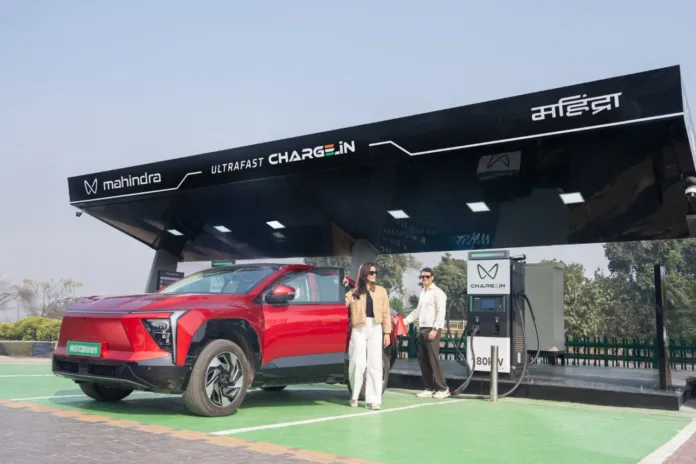
Mahindra 180kW Fast Charger can end anxiety here. Mahindra has officially launched India’s first ultra-fast Charge_IN network featuring exclusive 180kW chargers, transforming long-distance electric travel from anxiety-inducing to absolutely effortless. CHARGE_iN by Mahindra is building India’s high-speed EV charging backbone, one 180 kW charger at a time, with the first two stations already operational at Hoskote and Murthal, and 1,000 charging points planned by 2027.
Table of Contents
Mahindra 180kW Fast Charger Locations
Mahindra 180kW Fast Charger Locations Currently Operations
Mahindra opened locations in Hoskote on NH75 along the Bengaluru-Chennai highway and Murthal on NH44 approximately 50 kilometers from Delhi. These strategic placements mark the beginning of India’s most ambitious ultra-fast charging infrastructure rollout, specifically designed to eliminate charging anxiety on major highway corridors.
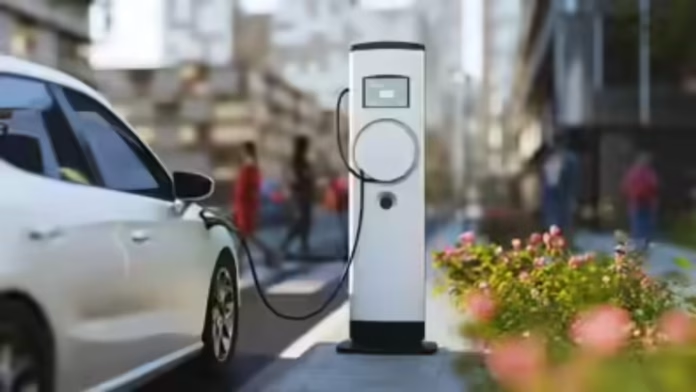
The stations use dual-gun chargers, allowing two chargers with two connectors each to operate simultaneously, enabling up to four EVs to charge at once. This means zero waiting time even during peak travel hours—a massive advantage during festival season or weekend getaways when highways see maximum traffic.
The 180kW charging capacity delivers remarkable efficiency. The chargers are capable of charging the Mahindra eSUV portfolio—XEV 9e, BE 6, and upcoming XEV 9S—from 20 to 80 percent in 20 minutes, making bathroom breaks and coffee stops perfectly timed with charging sessions.
Finding Mahindra Fast Chargers Near You
Mahindra EV owners can discover charging stations, charge, and pay through the Me4U app, which currently provides access to approximately 34,000 public charging points across various Charge Point Operators. For non-Mahindra EV owners, the dedicated Charge_IN by Mahindra app offers seamless access to the network with real-time availability, session management, and payment integration.
The strategic positioning focuses on practicality. Charge_IN stations are strategically positioned along major highway corridors, co-located with wayside amenities such as restaurants and cafes, making them natural halting points for travelers. This eliminates the dreaded “charger in the middle of nowhere” problem that plagues many existing charging networks.
Mahindra 180kW Fast Charger Locations
Expansion Roadmap: What’s Coming
According to Mahindra’s official announcement, the company plans to establish 250 charging stations with over 1,000 individual charging points by end of 2027. This aggressive expansion targets all major national highways, creating India’s first genuinely long-distance EV travel network.
For buyers exploring Mahindra’s electric SUV range, this charging infrastructure directly addresses India’s biggest EV adoption barrier. The network supports not just Mahindra vehicles but all compatible EVs, creating an open ecosystem that benefits the entire Indian EV market.
Why This Changes Everything
“Our aim is to make long-distance travel with an electric vehicle effortless and reliable like conventional driving, thereby building customer confidence and accelerating India’s transition to electric mobility,” stated Nalinikanth Gollagunta, CEO of Mahindra’s Automotive Division.
With 20-minute charging times matching traditional fuel stops, Mahindra has essentially eliminated the practical difference between electric and conventional long-distance travel—a watershed moment for Indian EV adoption.
Mahindra fast charging stations, EV charging highway India, ultra-fast EV chargers