Home Blog Page 5

Hyundai Motor Group Launches V2G and V2H Technology to Transform EVs into Power Sources

0
Hyundai Motor Group

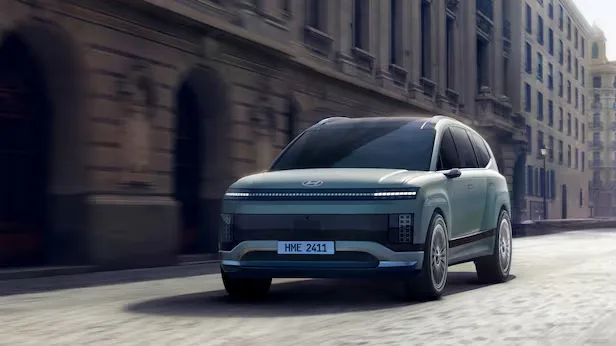
Hyundai Motor Group is revolutionizing how electric vehicles serve their owners by introducing cutting-edge Vehicle-to-Grid (V2G) and Vehicle-to-Home (V2H) technology. This innovation transforms EVs from mere transportation tools into mobile energy storage units that can power homes and support electricity grids.

Hyundai Motor Group

Hyundai Motor: What Makes This Development Groundbreaking?

The South Korean automotive giant’s new bidirectional charging capability allows EV batteries to not only draw power but also supply it back. During peak demand hours or power outages, Hyundai EVs can become emergency power sources, offering unprecedented energy independence to owners.

FeatureCapability
TechnologyVehicle-to-Grid (V2G) & Vehicle-to-Home (V2H)
Primary FunctionBidirectional energy flow
Home BackupPowers essential appliances during outages
Grid SupportSupplies electricity during peak demand
Energy ManagementSmart charging optimization

How V2G and V2H Work Together

Vehicle-to-Grid (V2G) enables EVs to feed stored energy back into the power grid during high-demand periods, potentially earning owners credits or reducing electricity costs. This creates a symbiotic relationship between EV owners and utility providers.

Vehicle-to-Home (V2H) functionality turns your electric vehicle into a home backup generator. When the power goes out, your Hyundai EV can keep refrigerators running, lights on, and essential devices charged for hours or even days, depending on battery capacity.
Hyundai Motor Group

Impact on India’s EV Ecosystem

This technology aligns perfectly with India’s renewable energy goals and growing EV charging infrastructure. As the nation pushes toward electric mobility, V2G capabilities could help stabilize grids increasingly powered by intermittent renewable sources like solar and wind.

For Indian consumers exploring electric vehicle options, this advancement adds significant value beyond zero-emission driving. The potential to reduce electricity bills and ensure power security makes EVs more attractive investments.

The Bigger Picture

Hyundai’s move follows similar initiatives by competitors and reflects the automotive industry’s shift toward integrated energy solutions. As reported by Market Screener, this positions Hyundai as a leader in sustainable mobility innovation.

The technology represents a fundamental shift in how we perceive electric vehicles—not just as cars, but as crucial components of future energy ecosystems. For environmentally conscious consumers and those seeking energy independence, Hyundai’s V2G and V2H capabilities signal an exciting new chapter in electric mobility.
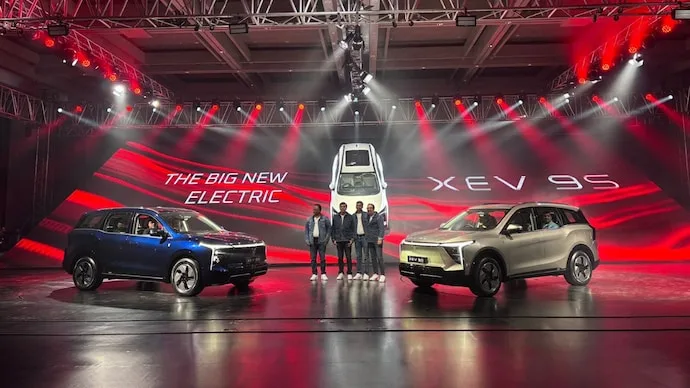
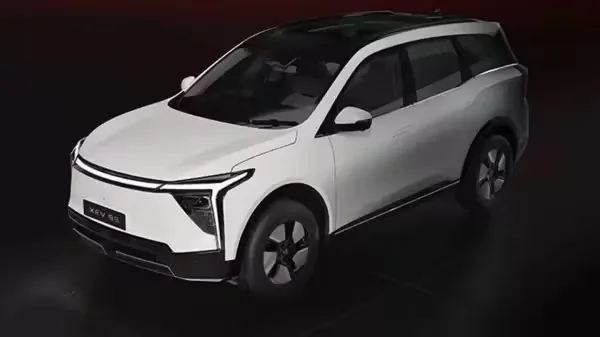
Mahindra XEV 9S: India’s First True 7-Seater Electric SUV Changes the Game

0
Mahindra XEV 9S

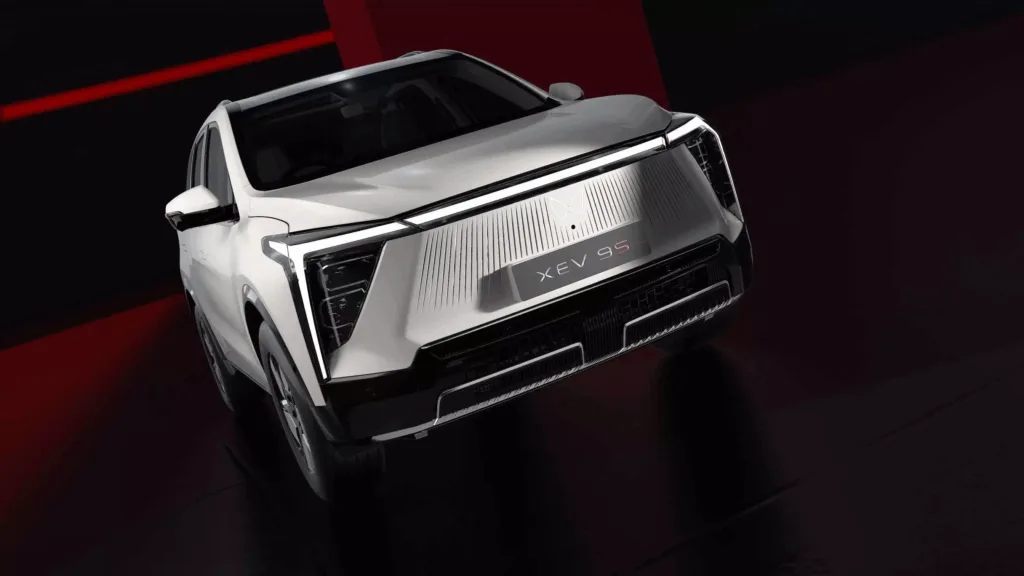
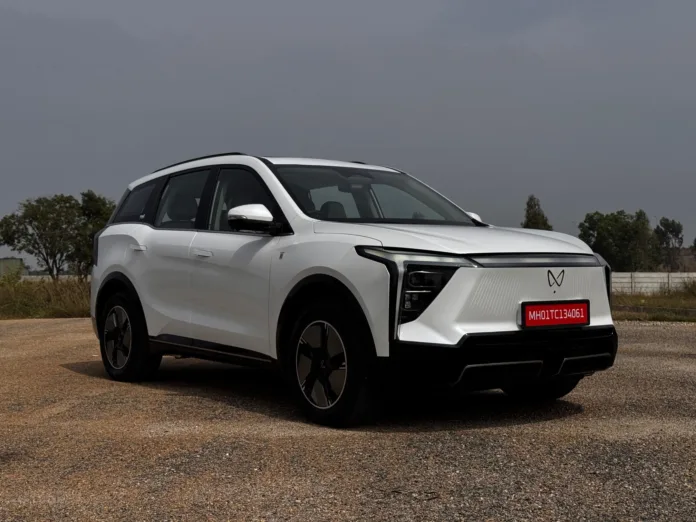
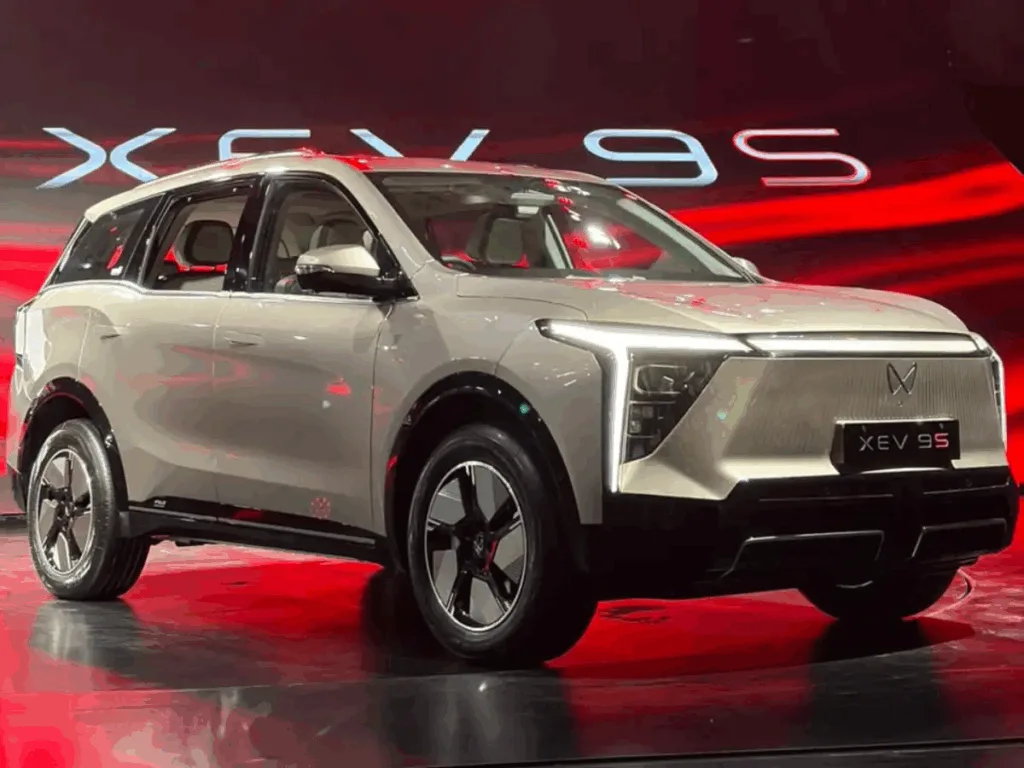
Mahindra XEV 9S debuts as India’s first true 7-seater electric SUV on INGLO platform, offering premium features, long range, and family-focused practicality. Mahindra has redefined India’s electric SUV landscape with the XEV 9S, positioning it as the country’s first true 7-seater electric SUV built on the all-new INGLO platform. For families seeking spacious electric mobility without compromise, this launch represents a watershed moment in India’s EV journey.

Mahindra XEV 9S
Mahindra XEV 9S

Building on Electric Success

With over 30,000 electric SUVs already on Indian roads, Mahindra has established credibility in large-scale EV deployment through models like the XUV400 and Born Electric lineup. The XEV 9S enters a segment where no direct rival exists—an electric SUV combining seven-seat practicality with premium features and extended range capabilities.

Key SpecificationsMahindra XEV 9S
PlatformINGLO Skateboard Architecture
Seating Capacity7 seats (sliding second row)
DashboardTriple 12.3-inch screens
Audio SystemHarman Kardon with Dolby Surround
Safety Rating Target5-star global rating
ADAS LevelLevel 2+
Airbags7 airbags
Special FeaturesPanoramic “Sky Lounge” roof, frunk storage
Price RangeUnder ₹30 lakh (expected)

Revolutionary INGLO Architecture

The XEV 9S is based on Mahindra’s INGLO skateboard platform, an electric-first architecture that places batteries flat under the floor. This design philosophy liberates interior space while lowering the center of gravity, delivering superior ride quality and handling stability.

The skateboard design allows for better packaging, featuring a flat cabin floor, sliding second row, and a full-sized frunk—perfect for growing families and weekend adventures. The platform’s structural integrity enhances crash safety, as batteries form part of a rigid base that reinforces the SUV’s overall strength.

Premium Technology Integration

The XEV 9S features a three-screen dashboard setup consisting of an instrument cluster, infotainment display, and dedicated passenger screen. This mirrors the technology showcase seen in the XEV 9e and BE 6, establishing a consistent premium experience across Mahindra’s electric portfolio.

Expected features include Harman Kardon audio with Dolby surround sound, power-adjustable driver’s seat with memory, ventilated and massaging front seats, tri-zone climate control, and ambient lighting. The panoramic “Sky Lounge” roof creates an open, airy cabin atmosphere that elevates every journey.

Safety-First Engineering

Mahindra targets 5-star global safety ratings for all INGLO-based models, with the XEV 9S likely featuring Level 2 ADAS, seven airbags, ESP, hill-hold assist, and 360-degree camera systems. The platform’s energy absorption capabilities during collisions provide structural advantages over conventional EV architectures.

image 404 Mahindra XEV 9S: India's First True 7-Seater Electric SUV Changes the Game

Market Impact and Practicality

The XEV 9S takes a different approach from typical electric SUVs, built for everyday duties from city commutes to highway getaways. By merging Mahindra’s rugged SUV heritage with advanced electric technology, this vehicle promises a natural, non-experimental transition to electric mobility for Indian families.

For comprehensive insights into India’s electric revolution, explore our EV market analysis and charging infrastructure updates. Learn more about Mahindra’s electric portfolio at Mahindra’s official website.


Frequently Asked Questions

Q1: What makes the Mahindra XEV 9S unique in India’s EV market?

The XEV 9S is India’s first true 7-seater electric SUV built on the dedicated INGLO platform, offering family-focused practicality with no direct competition.

Q2: What is the INGLO platform?

INGLO is Mahindra’s electric-first skateboard architecture that places batteries under the floor, creating more interior space, better handling, and enhanced crash safety.

Q3: What safety features does the XEV 9S offer?

The XEV 9S includes Level 2+ ADAS, seven airbags, ESP, hill-hold assist, 360-degree camera, and targets 5-star global safety ratings.

Q4: What technology features are available in XEV 9S?

Key features include triple 12.3-inch screens, Harman Kardon audio with Dolby Surround, ventilated seats, tri-zone climate control, and a panoramic Sky Lounge roof.

Tesla Opens First India Centre in Gurugram with Supercharging Network Expansion

0
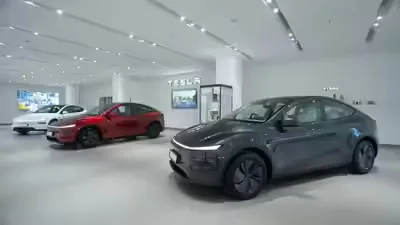
Tesla

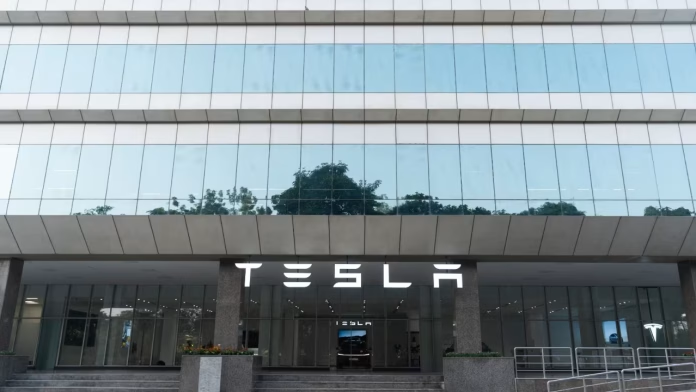
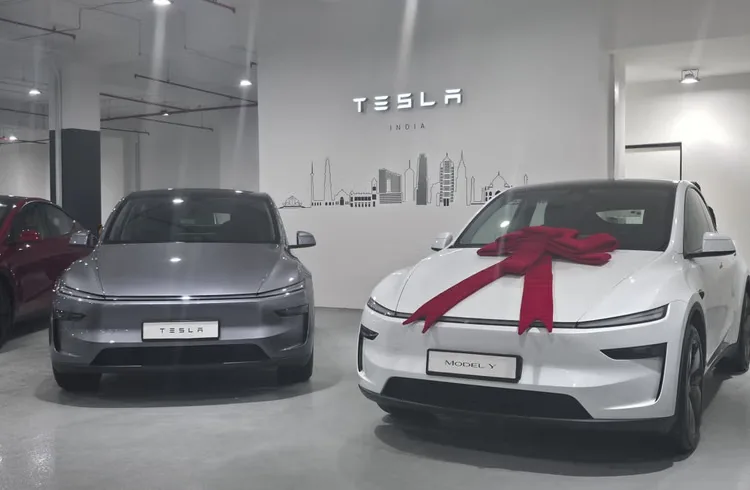
Tesla launches its first India Centre in Gurugram with V4 Superchargers, expanding network to 4 stations with 16 superchargers across Delhi and Mumbai. Tesla has marked a significant milestone in its India journey by launching its first integrated Tesla Centre at Orchid Business Park in Gurugram. The centre combines retail, after-sales service, delivery, and charging in one location, allowing customers to learn about EV technologies, test drive the Model Y, charge vehicles using V4 Superchargers, and access service support from a single facility.

Tesla

Strategic Charging Infrastructure Expansion

Tesla India General Manager Sharad Agarwal revealed plans to develop charging infrastructure covering all major cities, built around customer lifestyles—where they eat, work, and go for staycations. This customer-centric approach addresses one of the primary concerns for EV adoption: charging accessibility and convenience.

Infrastructure ElementCurrent Status
Operational Supercharger Stations3 (Delhi & Mumbai)
Upcoming Station1 (Gurugram)
Total Stations4 across India
Total Superchargers16 units
Destination Chargers10 units
Experience Centres3 (Mumbai, Delhi Aerocity, Gurugram)
Supercharger TypeV4 Superchargers

Model Y Sales and Market Performance

Tesla has started delivering the Model Y in India with the Rear-Wheel Drive variant starting at ₹59.89 lakh and Long Range RWD at ₹67.89 lakh. The company emphasizes that buyers can recover nearly one-third of the vehicle’s cost in four to five years through lower fuel and maintenance expenses.

Model Y VariantPriceBatteryRange
Rear-Wheel Drive₹59.89 lakh64 kWhUp to 500 km
Long Range RWD₹67.89 lakh84.2 kWhUp to 661 km

According to FADA data, Tesla sold 104 vehicles in September and October, with 118 cars registered in India in 2025, including 40 units in October. While these numbers are modest, they represent Tesla’s initial foothold in one of the world’s fastest-growing automotive markets.

Environmental Mission and Urban Air Quality

Agarwal emphasized that improving air quality in heavily polluted cities like Delhi and Mumbai requires a strong push toward electric mobility. He highlighted Tesla’s global environmental impact, stating that the company has delivered more than 8 million cars worldwide, helping reduce carbon emissions by 32 million tonnes.

Tesla

Partnership-Driven Destination Charging

Tesla is partnering with hotels and other establishments to offer destination charging for guests, creating a comprehensive charging ecosystem that extends beyond proprietary supercharger stations. This collaborative approach accelerates infrastructure development while minimizing capital investment requirements.

Both Model Y variants are imported from Shanghai and attract over ₹21 lakh in duties under India’s 70% tariff on fully built EVs priced below $40,000, making Indian prices significantly higher than in the US, China, and Europe. Tesla has not announced local assembly plans despite this tariff disadvantage.

For comprehensive coverage of India’s EV charging landscape, explore our charging infrastructure developments and premium EV market analysis. Learn more about Tesla’s global operations at Tesla’s official website.


Frequently Asked Questions

Q1: Where is Tesla’s first India Centre located?

Tesla’s first integrated Centre is at Orchid Business Park in Gurugram, combining retail, service, delivery, and V4 Supercharger facilities in one location.

Q2: How many Tesla Superchargers are operational in India?

Tesla currently operates 3 supercharger stations in Delhi and Mumbai, with a fourth station coming up in Gurugram, totaling 16 superchargers and 10 destination chargers.

Q3: What is the price of Tesla Model Y in India?

The Model Y Rear-Wheel Drive starts at ₹59.89 lakh, while the Long Range RWD variant is priced at ₹67.89 lakh (ex-showroom).

Q4: How many Tesla cars have been sold in India?

Tesla sold 104 vehicles in September and October 2025, with 118 total registrations in 2025, including 40 units in October.

Battery Smart Unveils Impact Report: 95 Million Swaps, 223,000 Tonnes CO₂ Avoided

0
Battery Smart

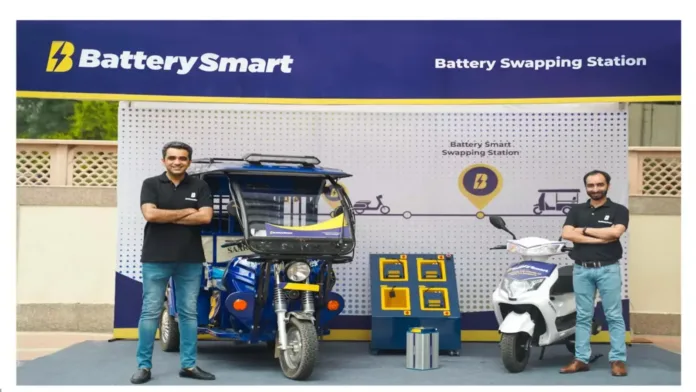
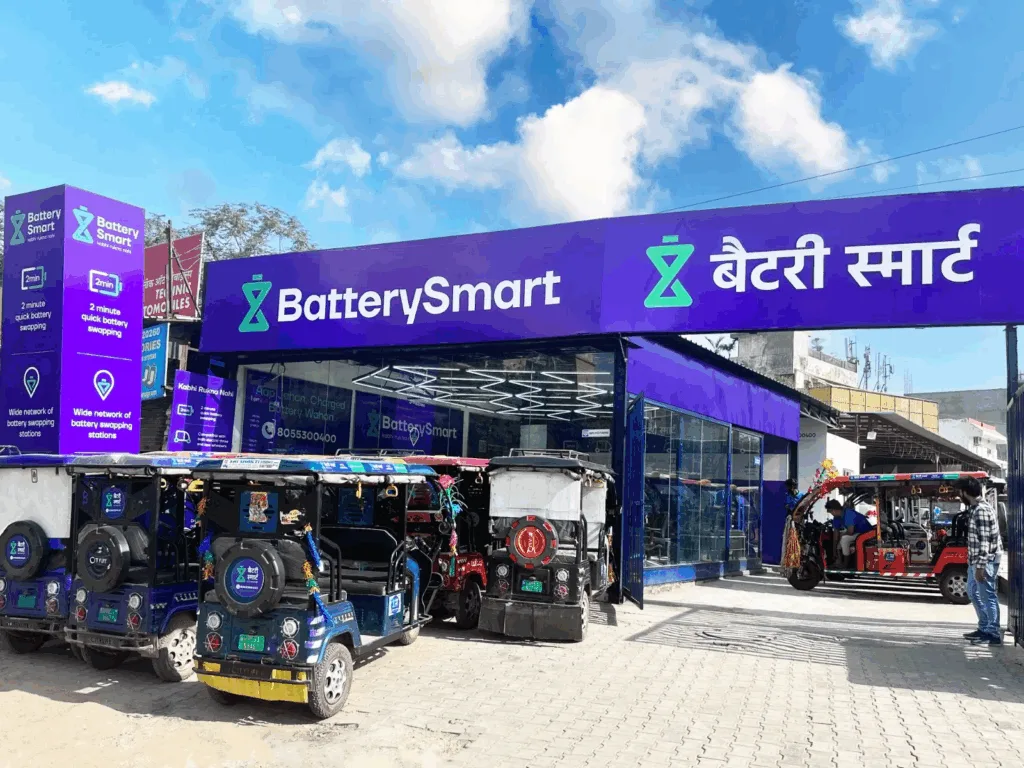
Battery Smart releases inaugural impact report showing 95 million swaps, 3.2 billion clean km, 223,000 tonnes CO₂ avoided across 50 Indian cities. Battery Smart, India’s largest battery-swapping network for electric two and three-wheelers, has released its inaugural impact report revealing remarkable environmental and economic contributions. The report documents more than 95 million swaps powering over 3.2 billion clean kilometers, with avoidance of more than 223,000 tonnes of CO₂e emissions, validated by sustainability firm TÜV SÜD.

image 396 Battery Smart Unveils Impact Report: 95 Million Swaps, 223,000 Tonnes CO₂ Avoided

Three Pillars of Sustainable Impact

The report showcases contributions across three pillars: Driving Decarbonisation through accessible and affordable battery swapping while reducing greenhouse gas emissions; Powering Prosperity via a franchise-led model supporting entrepreneurship; and Scaling Smart Systems with IoT-enabled technology.

Impact MetricAchievement
Total Battery Swaps95+ million
Clean Kilometers3.2+ billion
CO₂e Emissions Avoided223,000+ tonnes
Driver Earnings₹2,800+ crore
Daily Time Saved~130 minutes per driver
Additional Monthly Income₹3,000+ per driver
Women Drivers5,000+
Women Partners250+
Local Partners1,600+
Partner Earnings₹130+ crore
IoT-Enabled Batteries270,000+
Current City Coverage50 cities
Target Expansion100 cities by 2026

Economic Empowerment and Inclusion

Drivers have earned more than ₹2,800 crore, saving approximately 130 minutes per day and increasing monthly income by more than ₹3,000. This economic transformation directly addresses the affordability barrier that has historically hindered EV adoption among last-mile mobility operators.

The franchise-led expansion model demonstrates impressive scalability. More than 1,600 local partners have collectively earned over ₹130 crore, creating sustainable entrepreneurship opportunities across urban and semi-urban centers. The network’s commitment to inclusion is evident with over 5,000 women drivers and more than 250 women partners actively participating in the ecosystem.

Environmental Contributions Beyond Carbon

Battery Smart’s environmental impact extends beyond CO₂ reduction. The network has contributed to reductions in NOₓ, CO, and PM pollution across cities, directly improving urban air quality in densely populated areas where two and three-wheelers constitute the majority of vehicular traffic.

Technology-Driven Circular Economy

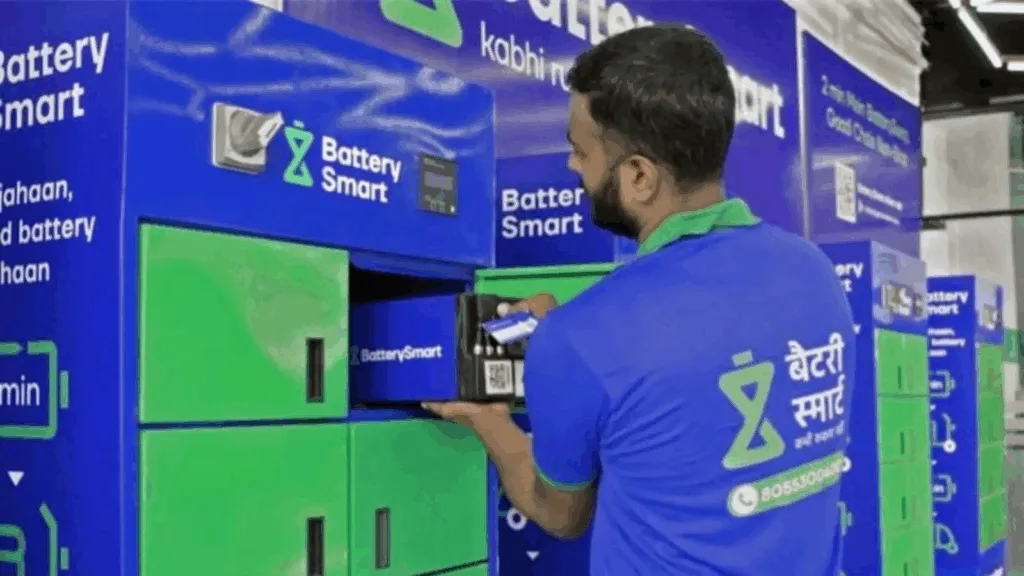
With more than 270,000 IoT-enabled batteries deployed, Battery Smart outlines a circular economy roadmap strengthened by safety and inclusion efforts. This technological backbone enables real-time monitoring, predictive maintenance, and optimized battery lifecycle management—critical factors for scaling battery-swapping infrastructure sustainably.

image 398 Battery Smart Unveils Impact Report: 95 Million Swaps, 223,000 Tonnes CO₂ Avoided

Ambitious Expansion Roadmap

Battery Smart’s expansion strategy targets aggressive growth. The company plans to expand to 100 cities by 2026, deploy more IoT-enabled batteries, and strengthen safety, innovation, and circularity in building a national-scale EV ecosystem. This timeline aligns with India’s broader electric mobility adoption targets and infrastructure development initiatives.

The TÜV SÜD assurance provides third-party validation of reported impact metrics, establishing credibility as battery-swapping networks increasingly position themselves as climate-critical infrastructure.

For comprehensive insights into India’s battery-swapping revolution, explore our EV charging infrastructure analysis and sustainable mobility trends. Learn more about battery-swapping technology at Battery Smart’s official website.


Frequently Asked Questions

Q1: How many battery swaps has Battery Smart completed?

Battery Smart has completed more than 95 million battery swaps, powering over 3.2 billion clean kilometers across its network.

Q2: What environmental impact has Battery Smart achieved?

The network has avoided more than 223,000 tonnes of CO₂e emissions while reducing NOₓ, CO, and PM pollution across 50 cities.

Q3: How much have drivers earned through Battery Smart?

Drivers have collectively earned more than ₹2,800 crore, with individual monthly incomes increasing by over ₹3,000 due to reduced downtime and extended range.

Mahindra XEV 9S Launched: India’s First True 7-Seater Electric SUV at ₹19.95 Lakh

0
Mahindra XEV 9S

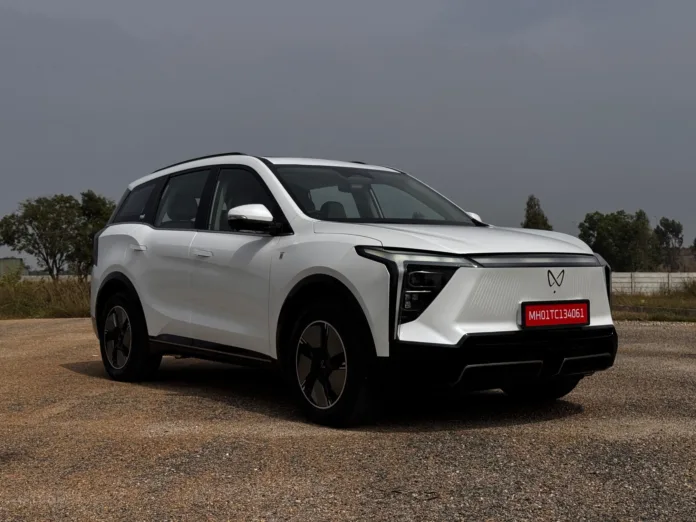
Mahindra has redefined India’s electric SUV landscape with the official launch of the XEV 9S, India’s first authentic electric origin 7-seater SUV built ground-up on the INGLO architecture, starting at ₹19.95 lakh. This groundbreaking vehicle arrives as a comprehensive solution for families seeking spacious electric mobility without compromise.

Mahindra XEV 9S
Mahindra XEV 9S

Mahindra XEV 9S: Strategic Pricing and Variant Structure

The XEV 9S is available in six variants with the fully loaded Pack Three Above 79 kWh priced at ₹29.45 lakh ex-showroom. Bookings will open from January 14, 2026, with customer deliveries commencing January 23, 2026, giving prospective buyers ample time to explore configurations and financing options.

SpecificationDetails
Starting Price₹19.95 lakh (ex-showroom)
Top Variant Price₹29.45 lakh (ex-showroom)
Total Variants6 (Pack One Above, Pack Two Above, Pack Three, Pack Three Above)
PlatformINGLO electric-first architecture
Battery Options59 kWh, 70 kWh, 79 kWh
Power Output231-286 hp
Torque380 Nm (all variants)
0-100 km/h7 seconds
Top Speed202 km/h
Range (claimed)Up to 679 km
Cabin Space (Rows 1+2)4,076 liters
Boot Space527L + 150L frunk = 677L
Ground Clearance219 mm
Fast Charging20-80% in 20 minutes (180 kW)

Revolutionary INGLO Platform Architecture

Built on the same INGLO platform as the XEV 9e, the XEV 9S benefits from intelligent semi-active dampers with 5-link independent suspension and Brake By Wire technology. This electric-first skateboard architecture enables the expansive cabin space and optimized weight distribution that traditional ICE platforms cannot match.

Mahindra introduced a new 70 kWh battery offering 180 kW power, expanding choice between the existing 59 kWh and 79 kWh configurations. The peak power reaches 282 bhp with 380 Nm torque from a single electric motor powering the rear wheels, with Blade LFP batteries backed by Mahindra’s lifetime warranty.

Spacious Design Philosophy

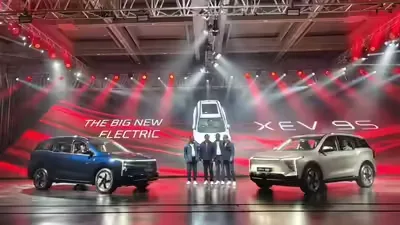
Nalinikanth Gollagunta, CEO of Mahindra’s Automotive Division, emphasized that the XEV 9S signals the start of a big new electric era built on scale, purpose, and deep understanding of how India moves. The vehicle’s dimensions and intelligent packaging deliver class-leading interior space.

With the third row folded, the XEV 9S offers 527 liters of boot capacity plus a 150-liter frunk, totaling 677 liters of storage—exceptional practicality for family road trips and everyday versatility. The sliding second-row seats provide flexible space management between passenger comfort and cargo requirements.

image 377 Mahindra XEV 9S Launched: India's First True 7-Seater Electric SUV at ₹19.95 Lakh

Technology and Premium Features

The interior retains the triple-screen layout with three 12.3-inch displays powered by Qualcomm computing and MAIA intelligence. Premium amenities span ventilated and power-adjustable front seats, Powered Boss Mode for the passenger seat, panoramic sunroof, 16-speaker Harman Kardon audio system with Dolby Atmos, tri-zone climate control, and comprehensive Level 2+ ADAS functionality.

Production and Market Strategy

Rajesh Jejurikar, Executive Director for Auto and Farm Sectors, confirmed plans to maintain operating capacity of approximately 8,000 EV SUVs monthly till March 2026. This production scale demonstrates Mahindra’s confidence in sustained demand for its electric origin SUV portfolio.

Indian SUV buyers have embraced Mahindra Electric Origin SUVs with over 30,000 units sold within just 7 months of sales commencing, validating the market appetite for premium electric vehicles from established Indian manufacturers.

For comprehensive insights into India’s electric SUV revolution, explore our EV market analysis and family EV buying guides. Learn more about Mahindra’s electric portfolio at Mahindra’s official website.


Frequently Asked Questions

Q1: What is the price of Mahindra XEV 9S?
The Mahindra XEV 9S is priced from ₹19.95 lakh to ₹29.45 lakh (ex-showroom) across six variants.

Q2: When can I book the Mahindra XEV 9S?
Bookings open on January 14, 2026, with test drives starting January 5, 2026, and deliveries beginning January 23, 2026.

Q3: What battery options does the XEV 9S offer?
The XEV 9S offers three battery configurations: 59 kWh, 70 kWh (new), and 79 kWh, with claimed range up to 679 km.

Q4: How fast can the XEV 9S charge?
The XEV 9S supports 180 kW DC fast charging, enabling 20-80% charge in just 20 minutes.

Q5: What makes the XEV 9S unique in India’s EV market?
The XEV 9S is India’s first authentic electric origin 7-seater SUV built on a dedicated EV platform, with no direct competition in the segment.

Mahindra XEV 9S vs Kia Carens Clavis EV: Battle of India’s Electric 7-Seaters

0
Mahindra XEV 9S

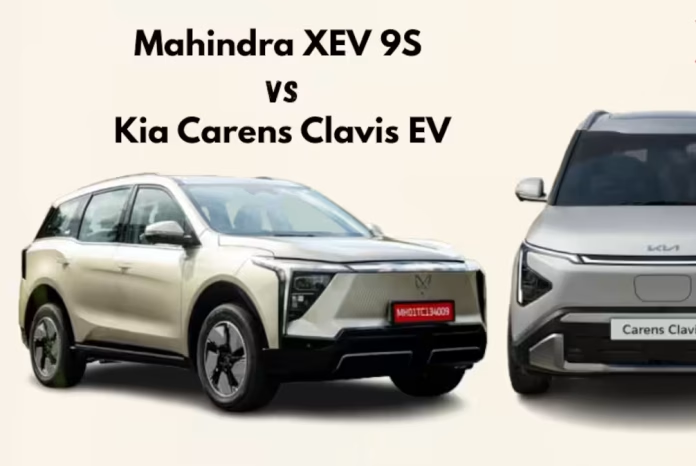
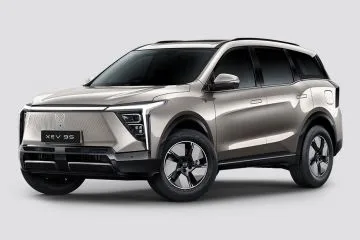
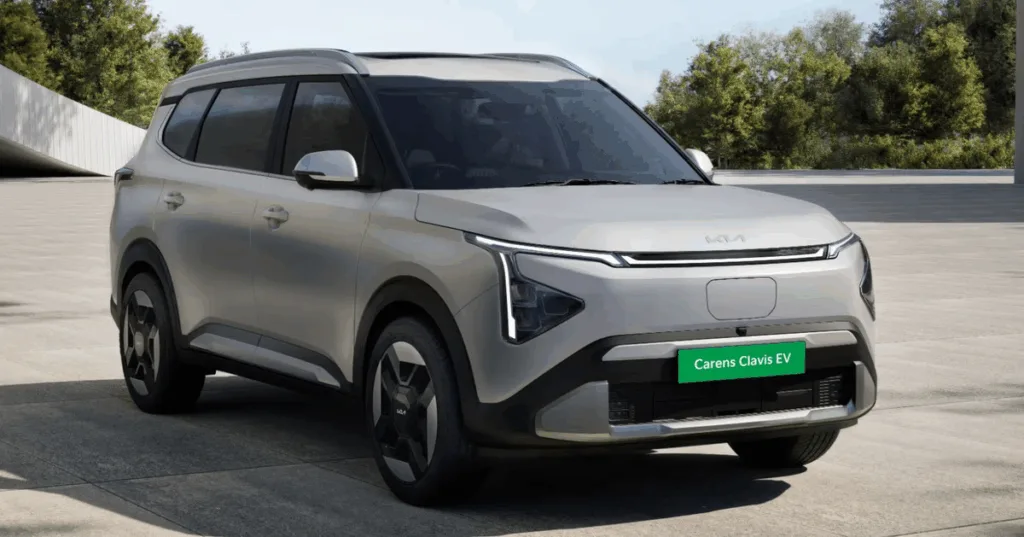
Mahindra XEV 9S vs Kia Carens Clavis EV detailed comparison. Check price, battery, range, features, and specs of India’s leading electric 7-seaters. India’s electric seven-seater segment witnesses an intriguing showdown as Mahindra launches the XEV 9S as the first mainstream 3-row electric SUV, with the Kia Carens Clavis EV as its closest MPV alternative. While both vehicles target family-focused buyers, their contrasting approaches—SUV versus MPV—create distinctly different value propositions.

image 393 Mahindra XEV 9S vs Kia Carens Clavis EV: Battle of India's Electric 7-Seaters

Pricing and Positioning

The Mahindra XEV 9S debuts with introductory ex-showroom pricing ranging from ₹19.95 lakh to ₹29.45 lakh, strategically positioned as an affordable SUV-styled alternative. The Kia Carens Clavis EV counters with six variants priced between ₹17.99 lakh and ₹24.49 lakh, offering a more accessible entry point for electric family transport.

ParameterMahindra XEV 9SKia Carens Clavis EV
Price Range₹19.95-29.45 lakh₹17.99-24.49 lakh
Body StyleSUV (3-row)MPV (3-row)
Length4,737 mmShorter than XEV 9S
Wheelbase2,762 mmCompetitive
Ground Clearance219 mm (higher)Lower than XEV 9S
Battery Options59 kWh, 70 kWh, 79 kWh42 kWh, 51.4 kWh
Power Output231-286 hpLower than XEV 9S
Torque380 Nm (all variants)Competitive
0-100 km/h7 secondsSlower than XEV 9S
Range (claimed)Up to 679 km (79 kWh)Lower than XEV 9S
Fast Charging20-80% in 20 mins (175kW)Standard DC charging

Design Philosophy and Space

The XEV 9S is the largest model in this comparison and the only full-size 3-row electric SUV, offering greater length and practicality with higher ground clearance. This SUV stance appeals to buyers seeking commanding road presence and versatility for varied terrain.

The XEV 9S features a sliding middle row offering much more flexibility than fixed setups, allowing adjustment based on third-row space requirements. However, Mahindra acknowledges that the knees-up posture remains in the third row, and it still won’t be as comfortable as the Kia Carens Clavis EV, where MPV architecture prioritizes passenger comfort across all rows.

Battery and Performance Advantage

The XEV 9S offers three battery pack options: 59 kWh (170 kW), 70 kWh (180 kW), and 79 kWh (210 kW), while the Carens Clavis EV provides two options: 42 kWh and 51.4 kWh. This substantial battery advantage translates to superior range capabilities for the Mahindra.

The top 79 kWh XEV 9S variant delivers 286 hp, higher than what the Carens Clavis EV puts out, with the fastest variant hitting 100 km/h in 7 seconds. The XEV 9S also boasts the longest claimed range at 679 kilometers, significantly outperforming MPV rivals in long-distance capability.

Technology and Features

All XEV 9S versions support 20-80% fast charging in just 20 minutes with a 175 kW DC charger, addressing range anxiety concerns effectively. Both vehicles offer comprehensive feature sets including triple-screen dashboards, premium audio systems, and Level 2 ADAS capabilities, though the XEV 9S positions these as standard across more variants.

image 394 Mahindra XEV 9S vs Kia Carens Clavis EV: Battle of India's Electric 7-Seaters

Target Audience Distinction

The XEV 9S is positioned as an affordable, SUV-styled alternative to the Carens Clavis EV, offering more practicality for buyers seeking robust design and extended range. The Kia appeals to families prioritizing interior comfort, particularly for third-row passengers, at a lower entry price point.

For comprehensive electric vehicle insights, explore our EV comparison guides and family EV recommendations. Learn more about both models at Mahindra’s official website and Kia India.


Frequently Asked Questions

Q1: Which is cheaper—Mahindra XEV 9S or Kia Carens Clavis EV?

The Kia Carens Clavis EV is cheaper, starting at ₹17.99 lakh compared to the XEV 9S at ₹19.95 lakh, though the Mahindra offers larger batteries and higher performance.

Q2: Which has better range—XEV 9S or Carens Clavis EV?

The Mahindra XEV 9S offers superior range with up to 679 km (claimed) from its 79 kWh battery, significantly more than the Carens Clavis EV’s smaller battery packs.

Q3: Is the XEV 9S more comfortable than the Carens Clavis EV?

The Carens Clavis EV offers better third-row comfort due to its MPV architecture, while the XEV 9S prioritizes SUV stance, ground clearance, and sliding second-row flexibility.

Q4: How fast can the Mahindra XEV 9S charge?

The XEV 9S supports 175 kW DC fast charging, enabling 20-80% charge in just 20 minutes across all battery variants.

Q5: Which is better for families—SUV or MPV format?

It depends on priorities: the XEV 9S SUV offers rugged design, higher ground clearance, and longer range, while the Carens Clavis EV MPV provides superior third-row comfort and lower pricing.

Uno Minda Launches 7.4kW Car EV Wall Charger at ₹32,514 Launch Price

0
Uno Minda

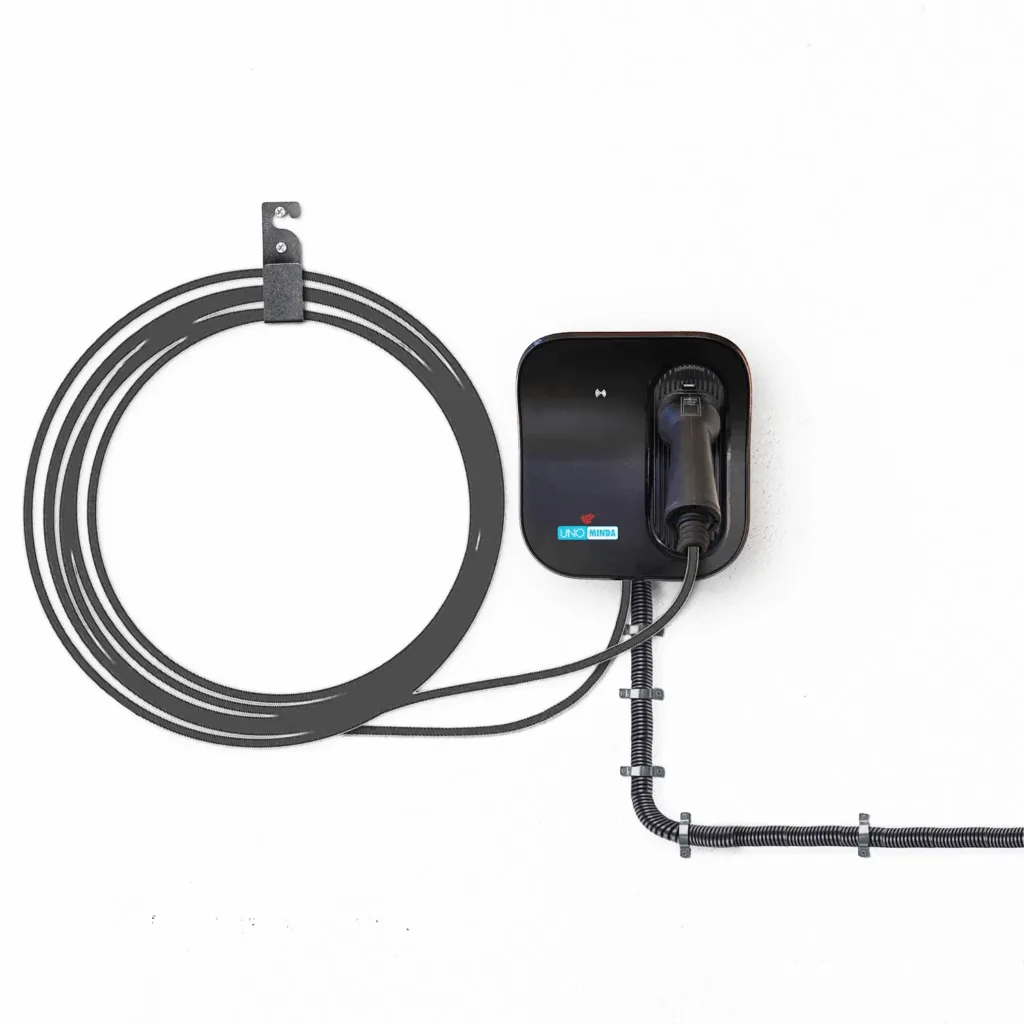
Uno Minda launches 7.4kW Car EV Wall Charger at ₹32,514 with IP65 rating, smart connectivity, and universal Type 2 compatibility for safe home charging. Uno Minda has addressed India’s growing home charging needs with the launch of its Car EV Wall Charger, a sophisticated 7.4kW solution designed to make electric vehicle ownership seamlessly practical. Priced at an introductory ₹32,514 against an MRP of ₹50,000, this intelligent wall-mounted charger promises to transform home charging from a necessity into a hassle-free experience.

Uno Minda

Engineering Excellence Meets Smart Technology

Anand Kumar, Vice President – Sales & Marketing at Uno Minda Aftermarket, emphasized that the charger represents more than convenience—it’s an essential component of India’s clean mobility transition. The system delivers single-phase fast-charging output at 230V AC with superior thermal management, ensuring rapid and efficient energy transfer.

SpecificationDetails
Power Output7.4 kW (single-phase)
Input Voltage230V AC
Connector TypeType 2 integrated socket
Protection RatingIP65 (waterproof & dustproof)
Impact ResistanceIK10-rated high-impact body
ConnectivityCellular, Ethernet, Wi-Fi, Bluetooth 5.0
Smart FeaturesLED interface with real-time status & error alerts
SafetyOvervoltage, overcurrent, overheating, short-circuit protection
MRP₹50,000
Launch Price₹32,514
Warranty1 year

Universal Compatibility and Robust Protection

The charger features a Type 2 integrated socket, ensuring compatibility with all Type 2 connector car EVs currently available in the Indian market. The IP65-rated waterproof and dustproof enclosure combined with IK10-rated high-impact resistance ensures durability even in demanding environmental conditions—critical for India’s diverse climate zones.

Comprehensive protection mechanisms safeguard against overvoltage, overcurrent, overheating, and short circuits. Automatic cut-off and restart features ensure uninterrupted performance, providing peace of mind for daily charging routines.

Smart Connectivity for Modern Lifestyles

The charger supports multiple network communication options including cellular network, Ethernet, Wi-Fi, and Bluetooth 5.0, enabling remote monitoring and smart home integration. The intelligent LED interface provides real-time charging status and error alerts, making the system as user-friendly as charging a smartphone.

This compact wall-mounted design is specifically engineered for Indian environmental conditions, combining digital connectivity with robust safety architecture to deliver a premium home charging experience.

image 392 Uno Minda Launches 7.4kW Car EV Wall Charger at ₹32,514 Launch Price

Wide Availability and Competitive Pricing

The Uno Minda EV Wall Charger will be available through leading offline retail outlets and major online platforms including Amazon, Flipkart, and Unomindakart. The special introductory launch price of ₹32,514 represents a significant 35% discount from the MRP, making advanced home charging technology accessible to a broader customer base.

With over 1,400 business partners, 40,000+ retailers, and 70,000+ service points covering 600+ districts across India, Uno Minda’s extensive distribution network ensures nationwide availability and after-sales support.

For more information on home charging solutions, explore our EV charging infrastructure guide and smart charging technology insights. Learn more about Uno Minda’s automotive solutions at Uno Minda’s official website.


Frequently Asked Questions

Q1: What is the price of Uno Minda EV Wall Charger?

The Uno Minda Car EV Wall Charger has an MRP of ₹50,000 with a special introductory launch price of ₹32,514, backed by a one-year warranty.

Q2: What vehicles are compatible with this charger?

The charger features a Type 2 integrated socket, making it compatible with all Type 2 connector car EVs available in India.

Q3: What is the charging power output?

The charger delivers 7.4kW single-phase fast-charging output at 230V AC for rapid and efficient energy transfer.

Q4: Is the charger weatherproof?

Yes, the charger has IP65 rating for waterproof and dustproof protection, plus IK10-rated high-impact resistance for demanding conditions.

Tata Sierra EV to Launch in 2026 with RWD and AWD Options

0
Tata Sierra EV

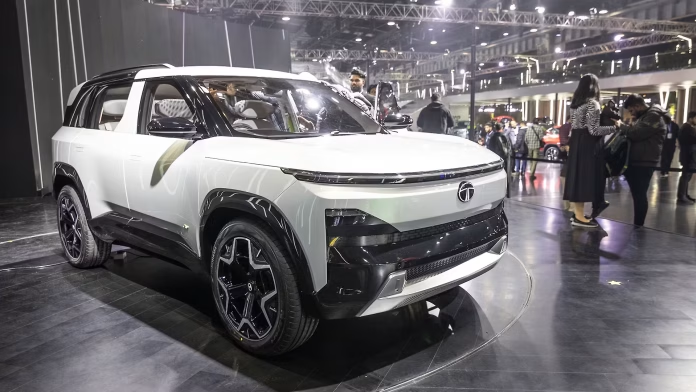
Tata Sierra EV launching in 2026 with RWD and AWD options on acti.ev+ platform. Expected price between ₹17.49-29.48 lakh with dual battery choices. Tata Motors is preparing to electrify its iconic Sierra nameplate with a 2026 launch that promises dual drivetrain configurations from day one. Vivek Srivatsa, Tata’s Chief Commercial Officer, confirmed that the Sierra EV will be available with both RWD and AWD options at launch, unlike its ICE counterpart which debuts in front-wheel-drive format.

Tata Sierra EV

Tata Sierra Acti.ev+ Platform Engineering

The Sierra EV is built on Tata’s acti.ev+ platform, which features a multi-layer skateboard design enabling all-wheel drive, faster charging, and advanced driver assistance systems. This dedicated electric architecture debuted with the Harrier EV, establishing Tata’s capability in delivering performance-oriented electric SUVs with both rear-wheel-drive and all-wheel-drive configurations.

SpecificationExpected Details
Launch Timeline2026
PlatformActi.ev+ (multi-layer skateboard)
Drivetrain OptionsRWD and AWD (both at launch)
Battery Options55 kWh and 65 kWh (expected)
Power Output (RWD)167 hp (expected, from Curvv EV)
Power Output (AWD)238 hp+ (expected, from Harrier EV)
Expected Price Range₹17.49-29.48 lakh
Production LocationSanand, Gujarat
Key RivalsHyundai Creta Electric, Mahindra BE 6, MG ZS EV, Maruti e Vitara

Production Strategy at Sanand Facility

Srivatsa confirmed that the Sierra EV will roll out of Tata’s Sanand production plant alongside the Sierra ICE model, mirroring the production strategy used for Nexon and Curvv nameplates. This flexible manufacturing approach enables Tata to optimize production efficiency across its ICE and EV portfolios.

Tata Motors acquired the Sanand plant from Ford India in January 2023, with current annual production capacity at 3 lakh units, scalable to 4.2 lakh units. The facility’s capacity will likely be enhanced to accommodate both Sierra variants, demonstrating Tata’s commitment to scaling electric vehicle production.

Expected Powertrain Configurations

While official powertrain details remain undisclosed, the Sierra EV is expected to borrow the Curvv EV’s top-spec 55 kWh battery pack and the Harrier EV’s lower-spec 65 kWh battery pack. This strategy would position the Sierra EV as a versatile option for buyers seeking different performance and range combinations.

The Curvv EV’s 55 kWh battery pairs with a 167 hp front-axle-mounted electric motor, while the Harrier EV’s 65 kWh unit mates to a 238 hp rear-axle-mounted motor. The AWD variant could potentially combine both motors for enhanced performance and traction capabilities, particularly appealing for adventure-oriented buyers.

Tata Sierra EV

Competitive Positioning

Like the ICE-powered model, the Sierra EV will slot between the Curvv EV (₹17.49-21.99 lakh) and Harrier EV (₹21.49-29.48 lakh), creating a compelling value proposition in India’s rapidly expanding electric SUV segment.

The Sierra EV will rival the Hyundai Creta Electric, Mahindra BE 6, MG ZS EV, and the upcoming Maruti Suzuki e Vitara, entering a competitive landscape where brand heritage meets modern electric technology. The Sierra’s iconic design language combined with advanced EV capabilities could resonate strongly with Indian SUV enthusiasts seeking electric alternatives without compromising character.

For comprehensive coverage of India’s electric SUV revolution, explore our EV market trends and charging infrastructure developments. Learn more about Tata’s electric lineup at Tata Motors’ official website.


Frequently Asked Questions

Q1: When will the Tata Sierra EV launch in India?
The Tata Sierra EV is scheduled to launch in 2026 with both RWD and AWD drivetrain options available from day one.

Q2: What platform does the Sierra EV use?
The Sierra EV is built on Tata’s acti.ev+ multi-layer skateboard platform, the same architecture used in the Harrier EV.

Q3: What battery options will the Sierra EV offer?
The Sierra EV is expected to offer 55 kWh and 65 kWh battery pack options borrowed from the Curvv EV and Harrier EV respectively.

Q4: What is the expected price of Tata Sierra EV?
The Sierra EV is expected to be priced between ₹17.49 lakh and ₹29.48 lakh, positioning it between the Curvv EV and Harrier EV.

Q5: Where will the Tata Sierra EV be manufactured?
The Sierra EV will be produced at Tata’s Sanand facility in Gujarat alongside the ICE variant, with capacity potentially enhanced to accommodate both models.


Word Count: 461 words

Bajaj Riki Launches at ₹1.90 Lakh: Targeting India’s E-Rickshaw Revolution

0
Bajaj Riki Launches at ₹1.90 Lakh

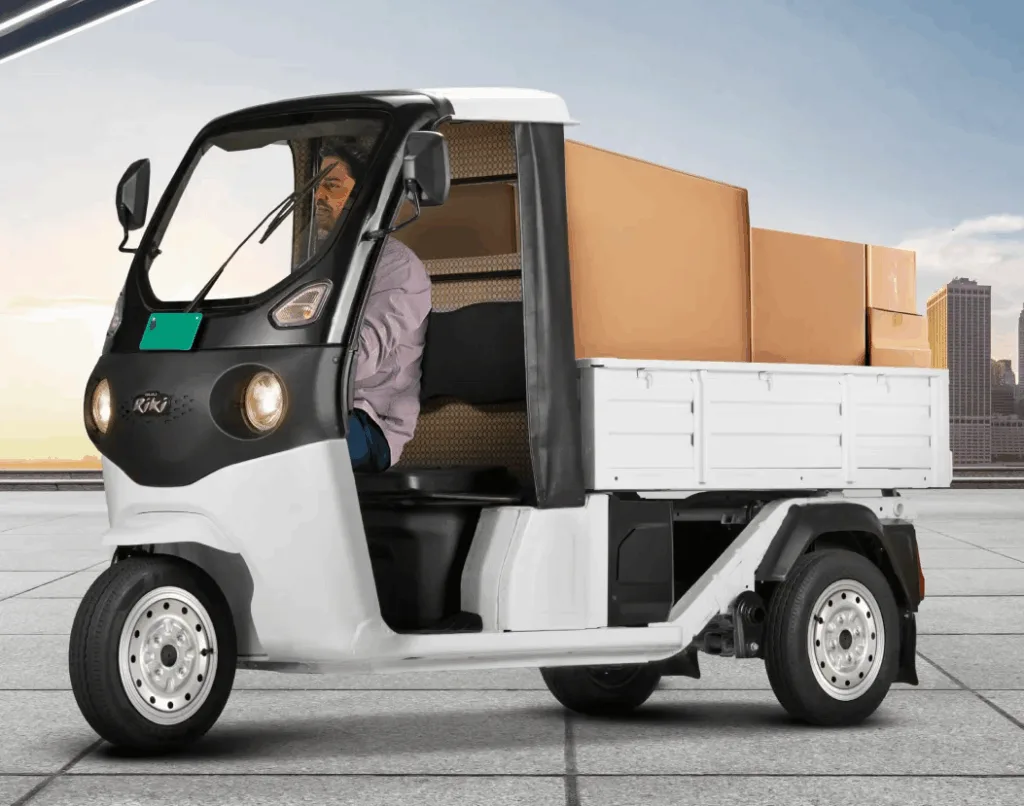
Bajaj Auto has entered India’s rapidly expanding e-rickshaw segment with the launch of Bajaj Riki, introducing engineering excellence to a market long dominated by unorganized players. The Riki P4005 carries a price tag of ₹1,90,890 ex-showroom, while the cargo-focused C4005 is priced at ₹2,00,876 ex-showroom, positioning these vehicles competitively for fleet operators and individual drivers.

Bajaj Riki Launches at ₹1.90 Lakh

Addressing Last-Mile Mobility Challenges

India’s last-mile connectivity infrastructure faces persistent challenges, with approximately 45,000 e-rickshaws added monthly to support metros, suburban rail, and city bus routes. However, the existing landscape suffers from inconsistent build quality, poor durability, and inadequate safety systems across models lacking structured engineering inputs.

Samardeep Subandh, President of Intra-City Business Unit at Bajaj Auto, emphasized that Riki brings trusted 3W engineering into the electric rickshaw segment, engineered to increase driver earnings, enhance passenger safety, and deliver reliability that India’s last-mile ecosystem urgently needs.

ModelBajaj Riki P4005Bajaj Riki C4005
Price (Ex-showroom)₹1,90,890₹2,00,876
Battery Capacity5.4 kWh5.4 kWh
Range149 km164 km
ApplicationPassenger transportCargo transport
GradabilityStandard28%
Charging Time4.5 hours (fast charge)4.5 hours (fast charge)
Warranty3 years (battery)3 years (battery)

Engineering Excellence Meets Practicality

The Riki forms part of the P40 series, with P4005 operating with a 5.4 kWh battery supporting a listed range of 149 km, while the C4005 carries a certified range of 164 km for commercial loads. The cargo variant includes designated tray sizing suited for routine transport tasks, addressing diverse commercial requirements.

Monocoque chassis construction provides single-piece frame architecture, while independent suspension supports varied road profiles. Hydraulic braking systems ensure reliable deceleration—a critical safety upgrade over mechanical systems common in unorganized segments. Fast charging capability enables turnaround within 4.5 hours, maximizing operational uptime for drivers dependent on daily earnings.

image 387 Bajaj Riki Launches at ₹1.90 Lakh: Targeting India's E-Rickshaw Revolution

Strategic Market Expansion

Pilot projects were undertaken across Patna, Moradabad, Guwahati, and Raipur, with data informing rollout plans. Bajaj plans Phase 1 expansion across more than 100 towns spanning Uttar Pradesh, Bihar, Madhya Pradesh, Chhattisgarh, and Assam—regions with high demand concentration for last-mile connectivity solutions.

The company’s extensive three-wheeler service network provides operational continuity that independent e-rickshaw manufacturers struggle to match. For operators, this translates to reduced downtime and consistent maintenance support—factors directly impacting daily income potential.

For comprehensive insights into India’s electric three-wheeler revolution, explore our coverage on commercial EV adoption trends and charging infrastructure development. Learn more about Bajaj Auto’s electric mobility initiatives at Bajaj’s official website.


Frequently Asked Questions

Q1: What is the price of Bajaj Riki electric rickshaw?
The Bajaj Riki P4005 passenger variant is priced at ₹1,90,890 ex-showroom, while the C4005 cargo variant costs ₹2,00,876 ex-showroom.

Q2: What is the range of Bajaj Riki e-rickshaw?
The Riki P4005 offers a range of 149 km, while the cargo-focused C4005 provides 164 km on a single charge with a 5.4 kWh battery.

Q3: What are the key features of Bajaj Riki?
Key features include monocoque chassis construction, independent suspension, hydraulic brakes, 4.5-hour fast charging, and a 3-year battery warranty.

Mahindra XEV 9S Launched at ₹19.95 Lakh: India’s First Electric 7-Seater SUV

0
Mahindra XEV 9S

Mahindra XEV 9S has created history in India’s electric vehicle landscape by launching the XEV 9S, the country’s first-ever electric 7-seater SUV. With aggressive pricing starting at ₹19.95 lakh (ex-showroom), this electric origin SUV enters uncharted territory with virtually no direct competition in the premium EV segment.

Mahindra XEV 9S

Competitive Pricing and Variants

The Mahindra XEV 9S launch price begins at ₹19.95 lakh for the base Pack One Above trim, making it an attractive proposition for families seeking spacious electric mobility. The lineup extends through multiple configurations including Pack Two Above, Pack Three, and the range-topping Pack Three Above variant priced at ₹29.45 lakh.
SpecificationDetails
Starting Price₹19.95 lakh (ex-showroom)
Top Variant Price₹29.45 lakh (ex-showroom)
Power Output282 bhp
Torque380 Nm
0-100 km/h7 seconds
Top Speed202 km/h
RangeUp to 500 km (real-world)
Boot Capacity527L + 150L frunk = 677L
Ground Clearance219 mm

Design Philosophy: Family-Focused Elegance

The XEV 9S shares design similarities with the XEV 9e at the front, featuring full-width LED DRLs, vertically integrated LED headlights, and an illuminated Mahindra Electric Origin SUV logo. However, the side profile echoes the successful XUV700 ICE SUV, reinforcing its family-oriented positioning.

Notable exterior elements include large alloy wheels and flush door handles that pop out automatically. The rear design adopts a more understated approach compared to the sporty XEV 9e, deliberately appealing to buyers prioritizing practicality over aggressive styling.

Spacious Interior and Premium Features

With the third row folded, the XEV 9S offers 527 liters of boot capacity plus a substantial 150-liter frunk, totaling 677 liters of storage space—exceptional for family road trips and everyday practicality.

The cabin showcases Mahindra’s commitment to technology with triple 12.3-inch displays powered by Qualcomm computing and MAIA intelligence. Premium features include front and rear ventilated seats, Powered Boss Mode, sliding second-row seats, two BYOD screens, and a sophisticated skyroof with ambient lighting. The 16-speaker Harman Kardon audio system delivers 1,400W of output, while the Groove Me mode enables karaoke entertainment.

image 385 Mahindra XEV 9S Launched at ₹19.95 Lakh: India's First Electric 7-Seater SUV

INGLO Platform Engineering Excellence

Built on the same INGLO platform as the XEV 9e, the architecture features intelligent semi-active dampers with 5-link independent suspension and Brake By Wire technology. This advanced foundation has already proven successful, with Mahindra selling over 30,000 electric origin SUVs within seven months of market entry.

The XEV 9S accelerates from 0-100 km/h in 7 seconds and reaches a top speed of 202 km/h, powered by a single 282 bhp electric motor driving the rear wheels. Battery options include 59 kWh, a new 70 kWh variant, and 79 kWh packs with lifetime warranty coverage. The 180 kW DC fast-charging capability ensures minimal downtime during long journeys.

Comprehensive Safety Suite

Safety features include a Level 2+ ADAS suite with autonomous driver assistance functions including AEB and Adaptive Cruise Control. The VisionX AR HUD provides futuristic informatics within the driver’s peripheral vision, while the 540-degree camera system exceeds traditional 360-degree monitoring. Six airbags come standard alongside all-wheel disc brakes and Auto Park Assist functionality.

For detailed specifications and booking information, visit Mahindra’s official website. Stay updated with India’s EV revolution through our comprehensive electric SUV comparisons and charging infrastructure guides.


Frequently Asked Questions

Q1: What is the starting price of Mahindra XEV 9S?
The Mahindra XEV 9S starts at ₹19.95 lakh (ex-showroom) for the Pack One Above variant, with the top variant priced at ₹29.45 lakh.

Q2: How many seats does the Mahindra XEV 9S have?
The XEV 9S is India’s first electric 7-seater SUV, offering three rows of seating with sliding second-row functionality.

Q3: What is the real-world range of Mahindra XEV 9S?
The XEV 9S offers approximately 500 kilometers of real-world driving range depending on battery pack selection (59/70/79 kWh options).