Home Blog Page 274

Mercedes-Benz adds Touch Screen and Selfie Camera to its 2024 E-Class Vehicles

0
Mercedes-Benz adds Touch Screen and Selfie Camera to its 2024 E-Class Vehicles

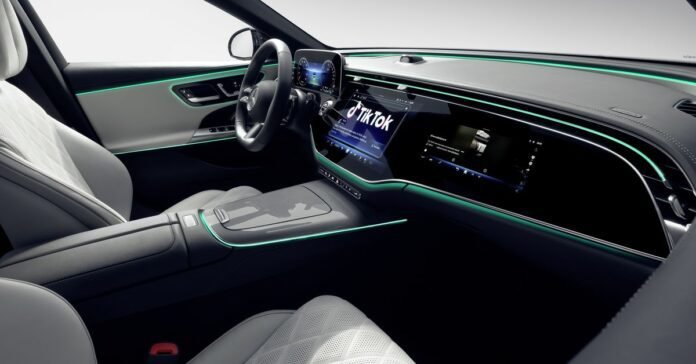
Mercedes-Benz unveiled the new interior design of the 2024 E-Class on February 24, providing customers with immersive entertainment through music, games, and streaming content. The new, “digitally innovative” vehicle interior also includes a selfie camera and built-in TikTok and Zoom apps.

The Superscreen, which is integrated into the vehicle’s interior, is a significant improvement. This combines the MBUX Superscreen’s large central glass surface that extends to the central display with a second display attached in front of the passenger seat.

Mercedes has also installed a new console-mounted infotainment pad and new air-conditioning controls in the centre of the infotainment display in the E-class.

Mercedes-Benz adds Touch Screen and Selfie Camera to its 2024 E-Class Vehicles
credit: theverge

The Mercedes-Benz 2024 E-class includes a 17-speaker Burmester 4D surround sound system, as well as sound transducers in the front seats that support Dolby Atmos technology and Spatial Audio via Apple Music. The interior light strips respond to the music and change in real time to match the beat.

The Mercedes has also put in place several safeguards to ensure that drivers are not distracted by the passenger seat options. The passenger screen senses movement and acts as a screensaver when not in use. The selfie camera monitors the driver’s eye movements, and the car can dim the passenger’s to reduce distractions for the driver.

Cars have only so far discovered a way to mirror smartphone apps into the infotainment system, but this display allows the installation of third-party apps such as TikTok, Angry Birds, Webex, Zoom video conferencing, and Vivaldi browser.

Also Read:

Source

Ola instantly chose Tamil Nadu for Manufacturing due to these reasons

0

Ola Electric, an electric vehicle manufacturer, plans to establish what it calls the world’s largest electric vehicle hub in Tamil Nadu. Karnataka, Andhra Pradesh, Telangana, Gujarat, and Uttar Pradesh were also in the running, but the investment went to Tamil Nadu. The Tamil Nadu government credited the investment in electric cars in Krishnagiri district, where it already manufactures electric two-wheelers, to its revamped Electric Vehicles Policy.

State Industries Minister Thangam Thennarasu described the large-scale investment as a reflection of industry confidence in Tamil Nadu.

The state of Tamil Nadu offered Ola the option of a capital or turnover subsidy, in addition to land and electricity benefits.

Ola
credit: NDTV

In addition to original equipment manufacturers, the state provided benefits to battery manufacturers and users in order to create an ecosystem. Users of these public electric vehicles will be receiving a 10 lakh subsidy.

The Tamil Nadu government recently unveiled its electric vehicle policy 2023, which aims to attract 50,000 crore in investments and create 1.50 lakh jobs, boosting the EV industry. Ola said in a statement Friday that the hub will be used to manufacture electric two-wheelers, cars, and battery cells, as well as housing vendor and supplier parks.

Also Read:

Source

Tata Motors sign a deal with Uber for 25,000 electric sedans

0

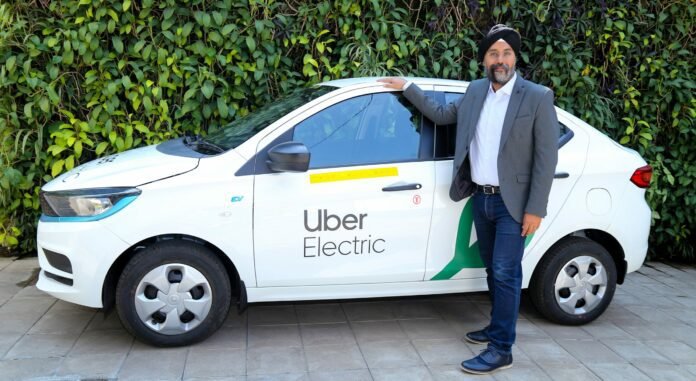
Tata Motors, India’s largest manufacturer of electric vehicles, has agreed to supply 25,000 of its X-Pres-T electric sedans to Uber’s network of fleet partners in the country’s largest order for electric vehicles. According to a top Tata Motors executive, the vehicles will be delivered over a period of 12 to 15 months. He also stated that the order is more than twice as large as the previous year’s 10,000-car deal with BluSmart.

Uber will collaborate with financiers to assist medium and large-sized fleet operators on its platform in purchasing these EVs by easing access to the vehicles in a supply-constrained environment. The EV rides will be classified as premium. It will also collaborate with charge point operators to install fast chargers at airports and railway stations, as well as home-charging solutions in low-income areas or multi-housing units where driver partners typically reside.

Ride-sharing platforms are working to reduce emissions from their vehicles, with Uber pledging to offer all of its rides on its platform worldwide via EVs, micro-mobility, or public transportation by 2040.

Uber
credit: rushlane

The cab aggregator platform is also open to collaborating with “multiple partners” to bring more electric vehicles to the platform, including two-wheelers, three-wheelers, and four-wheelers. The collaboration also advances Uber’s plans to provide drivers with guaranteed economic returns on their investments and to use Uber’s platform expertise to plan where and when to deploy the vehicles, according to Prabhjeet Singh, Uber’s president of India and South Asia.

The vehicles will be phased in across seven major markets, including Delhi NCR, Mumbai, Kolkata, Chennai, Hyderabad, Bengaluru, and Ahmedabad, with the first deliveries already taking place in Delhi and Mumbai. While Tata Motors plans to produce these vehicles within the next 15 months, Uber plans to deploy them over a three-year period.

Also Read:

Source

Hyundai Creta Electric Vehicle spied on roads for the first time

0
Hyundai Creta

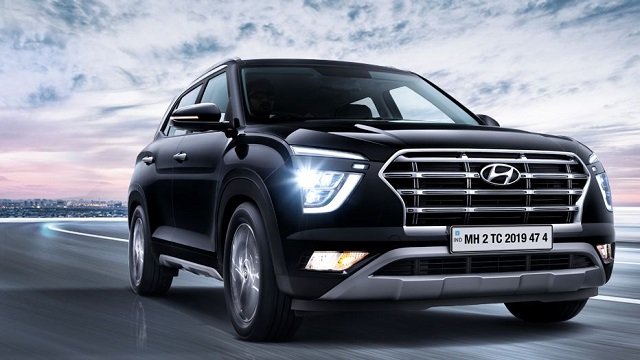
Hyundai India launched the Ioniq 5 and displayed the Ioniq 6 at the Auto Expo last month, kicking off its electric vehicle assault. However, the Korean automaker is also developing a more mainstream EV for our market. Hyundai is working on an electric Creta crossover (codenamed SU2i EV), and an early prototype based on the conventional variant has been spotted in public for the first time.

Nitin Tyagi, an automotive enthusiast, was charging his EV while the Hyundai Creta EV prototype stopped by for a recharge, and he quickly snapped these photos. There were two Hyundai Creta Electric test mules in total. Converting an in-production IC-engined vehicle into a fully electric prototype is no easy task, but Hyundai engineers and technicians appear to have done an excellent job.

Except for the visible floor pan extension and different body panel colours, the exterior is identical to a standard Creta. The production model will also be based on a modified version of the current IC-engine platform. Because it is almost entirely localised, this approach will allow Hyundai to reduce costs. Tata used the same formula for the Nexon EV, and Mahindra used it for the XUV400.

The specifications of the upcoming Hyundai Creta EV are unknown, but we expect critical subsystems to be derived from the Kona EV.

Hyundai Creta
image credit Rushlane

That translates to a 100 kW (136 hp) PMSM electric motor with a peak torque output of 395 Nm. The battery pack will most likely be derived from the international sibling as well. The lithium-ion polymer unit, with a capacity of 39.2 kWh, should have an ARAI-certified range of more than 400 km. To improve energy efficiency, the Creta EV could be used with significant aero optimizations over its IC-engined sibling.

The new Hyundai Creta EV will make its global debut at the 2025 Auto Show before going on sale later that year. Surprisingly, the launch date is similar to that of its main competitor, the Maruti YY8 electric SUV. Pricing is expected to range between Rs 20 and Rs 30 lakh. Tata, Maruti, Mahindra, and other OEMs will compete in the same segment with volume-oriented electric crossovers. This should result in fierce competition, which will ultimately benefit customers.

Also Read:

Source

Bajaj to soon launch its new 2023 Chetak Electric Scooter

0

Bajaj will have no presence in the ICE scooter segment in 2023, following the discontinuation of the Kristal DTSi 95cc. With the introduction of the Chetak Electric scooter, Bajaj re-entered the scooter market. In 2022, the giant sold nearly 30,000 units of Chetak in India. That figure is expected to double by 2023.

The Indian auto giant is preparing to update Chetak, and a new variant has been type-approved for 2023. With the new Bajaj Chetak Premium homologated, there will be more options. The battery capacity remains unchanged. But, there seem to be subtle changes in software and controller algorithms facilitating more range out of the same battery. This should be enough for visible gains in the range of a single charge.

Bajaj has listed both the Chetak 2413 Premium and the Chetak 2413 Urbane variants, with the Premium serving as the base model.

Bajaj
credit: rushlane

For MY2023 new Bajaj Chetak seems to be codenamed 2423 and only the Premium variant will be on offer. The battery specifications remain unchanged. As before, we’re looking at a 50.4 V 57.24 Ah battery. This calculates to 2.884 kWh of battery energy, out of which 2.480 kWh is usable.

The new Bajaj Chetak homologated model should travel 108 kilometres before needing to be charged, compared to the previous model’s range of 90 kilometres (Eco Mode) and 80 kilometres (Sports Mode). Both indicated ranges were certified by AIS 040, it will be interesting to how the iconic Chetak gets revamped in an Electric version and brought to the Indian market.

New Bajaj Chetak is identical to the outgoing model in terms of dimensions. It should retain its strengths, such as its metallic body, IP67-rated battery, 12″ alloys with tubeless tyres, soft-touch switchgear with back-lighting, 18L boot space, 4L glove box, LED lighting, and keyless functionality, due to the minimal changes.

Also Read:

Source

Tata Nexon EV buyers are getting benefits upto Rs 1.6 Lakh

0

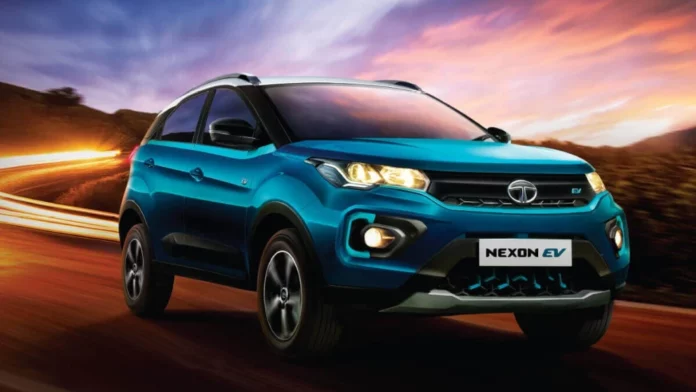
Tata Nexon EV is no longer eligible for subsidies, the on-road price has risen. As a result, sales have decreased. Tata Motors is now offering attractive discounts to increase sales. Buyers of the Nexon EV Prime can get discounts of up to Rs 90,000 and people who purchase the EV Max will benefit from a discount of up to Rs 80,000.

These price cuts are in addition to those announced previously by Tata Motors. Nexon EV Prime prices were reduced by up to Rs 50,000 in January 2023. The price of the EV Max has been reduced to Rs 85,000. The price cuts were attributed to the company’s gains from participation in the government’s Production Linked Incentives (PLI) scheme.

With the discount and price reductions, the total cost benefit of Nexon EV Prime is around Rs 1.4 lakh. In the case of the Nexon EV Max, buyers can save up to Rs 1.65 lakh.

Nexon EV
credit: rushlane

This represents roughly half of the savings available through FAME II and state subsidies. Reduced pricing for Nexon EV can also help combat the threat posed by rival XUV400. The latter is larger in size, has more power and torque, and accelerates faster. Furthermore, XUV400 reservations have already surpassed 10,000 units. Nexon EV could become a more affordable option with lower pricing. Mahindra has received over 15,000 reservations for the new XUV400 EV.

State subsidies for Nexon EV are no longer available in places such as Maharashtra. Previously, the Maharashtra government provided a Rs 5,000 per kWh subsidy for EVs. The maximum limit was set at Rs 1.50 lakh. Early bird discounts were also available to EV buyers if they purchased the vehicle before December 31, 2021. This period was later extended until March 31, 2022. State subsidy allotments have already been depleted, so Nexon buyers will not be eligible for this benefit.

Also Read:

Source

BCG Report: Indian EV market adoption rate is predicted to grow at 20-30% by 2025 in last-mile delivery space

0

According to a report titled ‘Electric Vehicles: Future of Last-Mile Deliveries in India,’ published today by the Boston Consulting Group, electric vehicles (EVs) are quickly emerging as the vehicle of choice across multiple applications, and the organised last-mile delivery space is likely to dominate 25% of sales by 2025.

To decode this space, BCG conducted extensive primary and secondary research, interviewing 40+ industry experts, including senior executives from OEMs, delivery platforms, energy & battery players, and EV asset operators. Over 50 EV drivers were interviewed in order to better understand usage patterns and on-the-ground challenges. The report discusses the reasons for the popularity of EVs in the organised last-mile delivery market, the emerging shifts in market dynamics, and the actions that the EV ecosystem’s key players must take to capitalise on this opportunity.

EV
credit; BCG

The numerous ‘Proof of Concepts’ (PoCs) being conducted and the ambitious fleet electrification commitments by key players in food, grocery, and e-commerce delivery indicate the growing popularity of EVs in the last mile delivery segment.

According to the report, the environmental benefits of EV deployment are not the only determinants, but financial benefits in the long run due to lower total cost of ownership (TCO) over internal combustion engine (ICE) vehicles also play a significant role. Furthermore, various regulatory measures implemented by the federal and state governments in the form of subsidies and adoption mandates are driving factors in EV adoption.

According to the report, driver owners have lower ownership due to higher upfront costs, perceived uncertainty about technology, range anxiety, and a lack of awareness of TCO benefits. These factors have paved the way for EV asset operators to purchase vehicles and lease fleets.

BCG
credit: BCG

Vehicle models are no longer chosen solely based on dealer recommendations; end-customers, such as e-commerce and food delivery platforms, act as influencers and drive fleet vehicle selection. They run pilot programmes with original equipment manufacturers (OEMs) to identify the best-suited models for their usage and unit economics, and then make purchase recommendations based on that information. OEMs must consider this trend when developing market strategies.

According to research, there is a higher demand for 2-wheelers, which are used for both delivery and personal use. Delivery personnel have specific requirements, such as ample storage space, good pickup even when carrying a heavy load, customizations such as a backrest for extended use, and the ability to use the vehicle for personal commuting after work. As a result, the purpose of end-users must be considered in vehicle design.

Also Read:

Source

Mahindra launches its BE 05 RALL E alongside its XUV .e9 and XUV .e8

0

In Hyderabad, Mahindra unveiled the BE 05 RALL E for the first time. alongside the BE.05 and XUV.e9 electric SUVs in preparation for the Greenko Hyderabad Formula E Grand E-Prix race in India in 2023. The BE SUVs are built on the INGLO platform, which Mahindra developed in collaboration with Volkswagen.

The Mahindra XUV.e9, on the other hand, is built on the ‘Born Electric’ platform.

Mahindra
credit: cartoq

At the London launch event, Mahindra displayed the SUV alongside the XUV.e8 and stated that the SUV would be available by the end of 2024. The INGLO platform incorporates elements from Volkswagen’s MEB Platform. It has one of the lightest skateboards available, as well as high-density batteries. Furthermore, the company stated that this new EV platform is equipped to support all future technologies, such as an augmented reality-enabled heads-up display, 5G network capability, Over-the-Air (OTA) updates, and an edge-to-edge screen.

Mahindra
credit: cartoq

In terms of safety, the BE 05 and BE 05 RALL E will have structural cages surrounding the passenger cabin. Three load paths and a multi-piece dash panel with reinforcement will be added to the car’s frontal design. Furthermore, its EV platform is futureproofed up to L2+ autonomy thanks to the 5 Radar-1 Vision ADAS architecture.

Also Read:

source

Xiaomi to start the Mass-Production of its Electric Cars in 2024

0

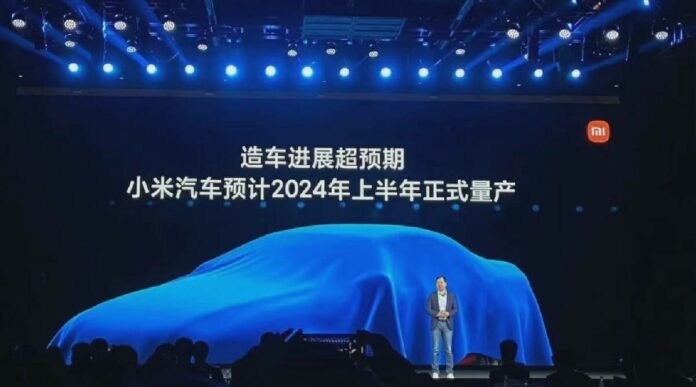
It’s no secret that Xiaomi wants to bet big on the electric car market, and they want to be the main manufacturer of this type of vehicle in just a few months, as they stated in their most recent investor meeting. Xiaomi recently held a meeting with its investors, during which the CEO, Lei Junhas, discussed the current state of the company’s electric car, as well as other issues.

According to the CEO, the R&D team behind Xiaomi’s electric cars has grown to over 2,300 members in recent months, and the company plans to begin mass-producing electric vehicles in the first quarter of 2024.

They do, however, point out that everything has exceeded expectations, and real-world testing began as early as last December. If you recall, it was revealed at the end of last year that Xiaomi was testing its new electric car in extreme cold conditions, even on snow, and that Lei Jun was in command of one of these test vehicles.

Xiaomi
credit: gizmochina

The executive has stated that more than 140 vehicles will be tested throughout China in this first phase of the autonomous driving initiative, and that they hope to establish themselves as leaders in the electric car industry by 2024.

In terms of the profitability of this new market niche, in addition to hardware gains, Xiaomi is concerned with software gains. Although cars could previously integrate sales, after-sales service, and charging, he believes that in the future, electric cars will be able to integrate an increasing number of services.

Its also reported that the company have established their own automobile base in Yizhuang, Beijing, and that they intend to construct a complete vehicle factory capable of producing 300,000 cars per year. We won’t have to wait long to see these vehicles on Chinese roads, as the company plans to begin mass production in early 2024.

Also Read:

Source

Hyundai aims to become the top player in Indian EV Market

0

Hyundai hasn’t built a strong presence in the EV market despite getting an early start with Kona Electric, but that could change soon. The Ioniq 5, which was launched at a very competitive price of Rs 44.95 lakh, is the first small salvo in a series of EVs with which the company hopes to become a market leader.

It intends to have a diverse portfolio of electric vehicles, ranging from small EVs to large SUVs, built on a variety of platforms, which could include both ICE-derived electric vehicles and a dedicated EV skateboard to cater to different price points. According to a senior company executive, it would even consider a dedicated EV factory if the market grew quickly enough.

Unsoo Kim, MD of Hyundai India, said, “We want to be number one in electrification in India. We didn’t expect India to grow so fast, but in India, the electrification trend is growing faster than I expected. Globally, we have a lot of resources for electrification, but we want to open a new chapter with India.”

Hyundai
credit: autocarindia

Hyundai has already committed Rs 4,000 crore to developing a half-dozen model portfolios by 2028. It has even been stated that the company will launch an E-GMP platform for the Indian market.

Tata controls more than 85-90 percent of the Indian electric vehicle market. Mahindra, another domestic rival, has also entered the fray with the XUV400. Both automakers have set a lofty goal for themselves. Tata has set a goal of selling one lakh vehicles by the end of fiscal year 24, and Mahindra wants to sell two lakh EVs by 2027.

Also Read:

Source