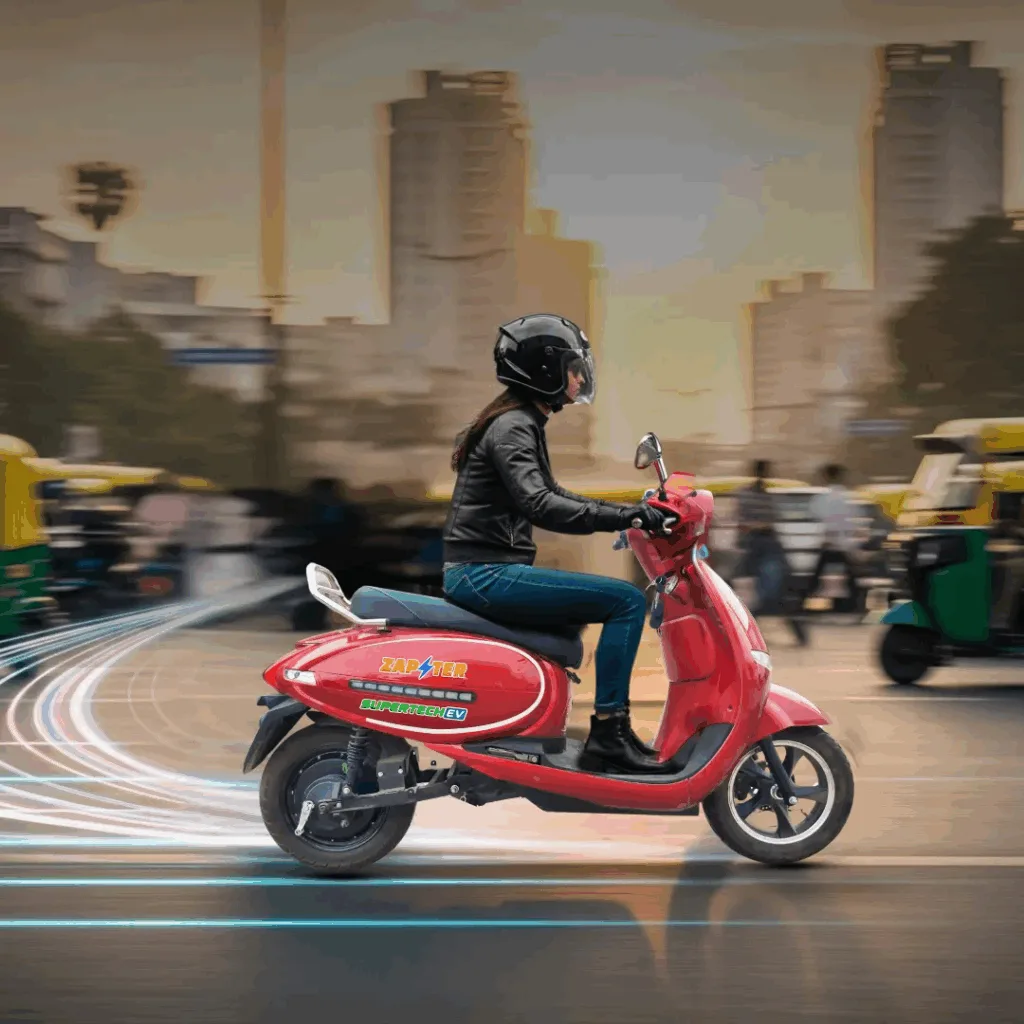
BaaS Fuels, Imagine buying a smartphone but only paying for the phone—not the battery. Sounds radical? That’s exactly what’s happening in India’s electric scooter market, and it’s causing a sales revolution.
Table of Contents
The Game-Changing Model Reshaping EV Sales
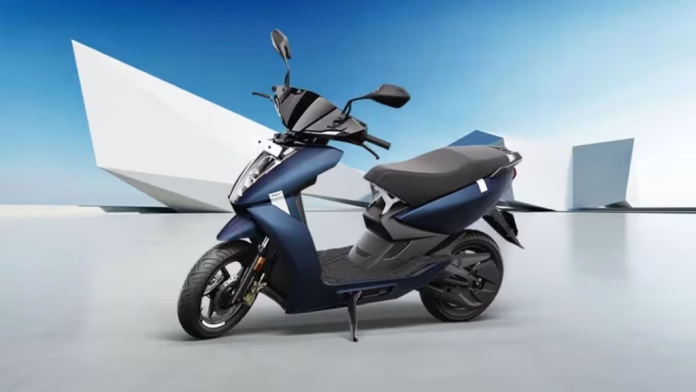
Battery-as-a-Service (BaaS) has emerged as the secret weapon driving explosive growth for electric vehicle makers like Ather Energy and Hero MotoCorp. By separating battery ownership from the vehicle, these companies are addressing the biggest barrier to EV adoption: the eye-watering upfront cost.
The numbers tell a compelling story. Since introducing BaaS, Ather Energy reported a remarkable 133.69% year-over-year growth in June 2025, selling 14,526 units. Hero MotoCorp’s Vida brand witnessed an even more dramatic 148.88% surge, reaching 7,668 units after launching the VX2 with BaaS.
How BaaS Works: The Netflix of Electric Scooters
Think of BaaS as a subscription model for your scooter’s battery. Instead of paying the full vehicle price upfront, you buy just the scooter body and “rent” the battery through monthly payments based on your usage.
Here’s the magic: batteries account for 30-40% of an electric vehicle’s total cost. Remove that from the initial purchase, and suddenly EVs become as affordable—or even cheaper—than traditional petrol scooters.
Price Revolution: Before and After BaaS
| Model | Traditional Price | BaaS Starting Price | Savings |
|---|---|---|---|
| Ather Rizta S | ₹1,04,999 | ₹75,999 | ~28% reduction |
| Ather 450S | ₹1,19,841 | ₹84,341 | ~30% reduction |
| Hero Vida VX2 Go | — | ₹59,490 | Entry-level access |
| Hero Vida VX2 Plus | — | ₹1,10,000 | Premium option |
The Sweet Deal: What You Get with BaaS
Ather’s BaaS Package Includes:
- Starting at just ₹1 per kilometer (48-month plan, minimum 1,000 km/month)
- One year of free fast charging at 3,300+ Ather charging stations
- Assured Buyback: up to 60% value after 3 years, 50% after 4 years
- Extended Comprehensive Warranty covering 12 critical components for 5 years/60,000 km
Hero Vida’s Competitive Edge:
- VX2 Go variant at entry-level ₹59,490
- VX2 Plus offering 142 km range with 3.4 kWh battery
- Flexible subscription plans tailored to rider needs
Why This Matters: Breaking Down the Barriers
Ather’s Chief Business Officer Ravneet Phokela nailed it: “Some consumers understand total cost of ownership benefits, while others struggle with initial acquisition costs. It solves that challenge.”
The model tackles three critical consumer concerns simultaneously:
- Upfront Cost Anxiety: Nearly 30% reduction in initial payment
- Resale Value Uncertainty: Guaranteed buyback removes speculation
- Maintenance Worries: Extended warranty provides peace of mind
The Competitive Landscape: Who’s Winning?
The Indian electric two-wheeler market sold 1,05,355 units in June 2025, marking 31.69% year-over-year growth. Here’s how BaaS-enabled brands performed:
Market Performance Breakdown:
- TVS Motor: 25,300 units (80.34% YoY growth) – leading with iQube
- Ola Electric: 20,190 units (45.22% YoY decline) – facing crisis
- Ather Energy: 14,526 units (133.69% YoY growth) – BaaS impact visible
- Hero MotoCorp: 7,668 units (148.88% YoY growth) – VX2 with BaaS gaining traction
The Hidden Business Brilliance
For manufacturers, BaaS isn’t just about making sales easier—it’s strategic genius:
Recurring Revenue Stream: Monthly subscriptions replace one-time purchases, creating predictable cash flow
Customer Relationship Extension: Instead of ending at the sale, relationships continue throughout ownership
Data Goldmine: Usage patterns, battery performance, and rider behavior inform future product development
Market Expansion: Previously price-sensitive customers now enter the market
The Real-World Math
Let’s break down what it means for an average commuter:
- Daily commute: 30 km (900 km/month)
- BaaS cost: ₹900/month at ₹1/km
- Petrol equivalent:
- At 40 km/liter and ₹100/liter = ₹2,250/month
- Monthly savings: ₹1,350
Even after paying battery subscription, riders save substantially compared to petrol while avoiding the battery ownership burden.
Global Context: India Leading Innovation
The global BaaS market, valued at USD 6.04 billion in 2025, is projected to hit USD 13.59 billion by 2034—growing at 9.43% annually. India’s Asia-Pacific region commands 80% market share, with subscription models dominating 75% of services.
Indian companies aren’t just participating; they’re pioneering models that could reshape global EV adoption.
What Customers Are Saying
From verified user reviews: “We’ve been using Ather’s service for over two years now. From installation to the app and fast chargers, everything has been seamless. The BaaS model made it possible for us to finally switch to electric without breaking the bank.”
The Competition Responds
Hero MotoCorp, Ather’s largest shareholder, launched BaaS for its Vida VX2 simultaneously. Even the four-wheeler segment is catching on—JSW MG Motor introduced BaaS for its Windsor EV, validating the model across vehicle categories.
Legacy players like TVS and Bajaj are watching closely, with TVS planning new scooter launches and Bajaj developing delivery-focused EVs.
Looking Ahead: The 1 Million Charger Vision
Ather isn’t stopping here. The company plans to:
- Double retail footprint to 750+ stores
- Launch next-generation fast-charging technology
- Unveil the affordable EL platform for mass-market scooters
- Deploy 1 million chargers annually by 2028
Combined with it, these initiatives position Ather to capture both premium and budget segments simultaneously.
The Bottom Line
Battery-as-a-Service isn’t just a pricing gimmick—it’s fundamentally reshaping how Indians buy and own electric vehicles. By removing the battery cost barrier, companies like Ather and Hero are accelerating the transition to electric mobility faster than anyone predicted.
The 133-148% growth rates speak for themselves. As charging infrastructure expands and more models adopt BaaS, the question isn’t whether EVs will dominate India’s roads—it’s how soon.
For buyers, BaaS makes the switch to electric a no-brainer. For manufacturers, it’s the unlock code to mass-market adoption. For India’s clean mobility future, it’s the catalyst we’ve been waiting for.
The electric revolution isn’t coming—it’s here, it’s affordable, and it’s subscription-based.