Home Blog Page 18

Hero MotoCorp EICMA 2025: Electric Dreams Meet Rally Reality

0
Hero MotoCorp EICMA

Milan’s EICMA 2025 just witnessed something extraordinary. Hero MotoCorp—the world’s largest two-wheeler manufacturer—unveiled a jaw-dropping lineup that bridges electric innovation with gasoline-fueled adventure. From self-balancing urban trikes to Dakar-bred rally machines, Hero isn’t just entering the future—they’re building it from scratch.

Hero MotoCorp EICMA
Hero MotoCorp EICMA

The VIDA Revolution: Three Concepts That Redefine Mobility

Hero’s electric arm, VIDA, stole the show with the Novus family—three futuristic concepts that reimagine personal transport completely.

ModelTypePurposeKey Feature
NEX 1Portable EVPersonal companionUltra-compact design
NEX 2Electric TrikeUrban stabilitySelf-balancing technology
NEX 3All-weather EVCity + RuralCar comfort, scooter simplicity

The NEX 2 particularly intrigues—imagine riding through Mumbai’s chaotic streets with motorcycle thrill but trike stability. No more foot-down moments at every traffic light. The NEX 3 takes things further, offering all-weather protection that makes monsoon commutes actually pleasant.

VIDA VX2: Europe, Here We Come

Hero confirmed the VIDA VX2 urban scooter will launch in European markets soon, marking the brand’s aggressive international expansion. The numbers tell a compelling story:

  • Range: 77 miles (WMTC certified)
  • Top Speed: 55 mph (capable of highway riding)
  • Battery: Twin removable IP67-rated units
  • Motor: IP68-rated PMSM (Permanent Magnet Synchronous Motor)

Those removable batteries solve apartment dwellers’ biggest EV headache—no garage charging required. Just carry them upstairs like luggage. The 55 mph top speed means the VX2 isn’t confined to city streets; weekend countryside escapes become genuinely possible.

Electric Motorcycles That Mean Business

Hero unveiled two electric motorcycle concepts that signal serious intent:

VIDA Concept Ubex blends naked streetfighter aesthetics with off-road capability. Think KTM Duke meets Zero FXE, wrapped in Hero’s smart technology and built on a modular chassis. The “Neo-Naked Urban Explorer” tag promises dual-sport versatility for riders who refuse to choose between tarmac and trails.

VIDA Project VxZ, developed with Zero Motorcycles USA, represents Hero’s next-generation e-motorcycle platform. This partnership brings Zero’s decade-plus electric expertise to Hero’s manufacturing scale—a combination that could finally make electric motorcycles mainstream-affordable.

Hero MotoCorp EICMA
Hero MotoCorp EICMA

DIRT.E Series: Electrifying Off-Road from Childhood Up

Hero launched an entire sub-brand for dirt enthusiasts. The DIRT.E Series tagline—”Ride Beyond the Wild”—isn’t empty marketing speak when you see what they’ve built.

DIRT.E K3 targets kids aged 4-10 with three adjustable frame sizes that grow with the rider. This Red Dot Design Award winner introduces children to motorcycling without noise, fumes, or complicated clutch work. Parents get peace of mind; kids get genuine off-road capability.

DIRT.E MX7 Racing Concept sits at the opposite extreme—a lightweight, high-performance machine inspired by Hero’s Dakar-winning rally team. Fully electric power meets proper off-road geometry, engineered for riders who demand more than recreational trail-poking.

The ICE Machines: Gasoline Still Has a Place

While electric stole headlines, Hero’s new internal combustion bikes deserve equal attention.

Hunk 440 SX: The Modern Scrambler

SpecificationDetails
Engine440cc oil-cooled, long-stroke
TechnologyRide-by-Wire, multiple modes
SafetySwitchable ABS + traction control
ComplianceEuro5+ ready
Design18″ front wheel, long-travel suspension

The Hunk 440 SX handles London commutes and Scottish Highland adventures with equal competence. That perimeter frame and long-travel suspension mean potholed city streets feel as manageable as weekend green lanes.

XPulse 210 Dakar Edition: Rally DNA for Everyone

Fresh off winning Hero’s first FIM World Title and scoring a Dakar podium, the XPulse 210 Dakar Edition brings rally pedigree to the street.

The liquid-cooled 210cc DOHC engine powers rally-grade suspension with 280mm of travel and a towering 270mm ground clearance. It’s practically a road-legal rally bike—minus the ASO entry form and six-figure price tag.

The Bigger Vision

Dr. Pawan Munjal, Hero MotoCorp’s Executive Chairman, framed the unveiling perfectly: “We envision the Future of Mobility at the powerful intersection of technology, sustainability, and human ambition.”

That philosophy shines through every product. Electric concepts reimagine urban transport. Rally-bred adventure bikes honor motorcycling’s adventurous soul. Kids’ off-roaders nurture the next generation. Hero isn’t abandoning gasoline believers while courting electric converts—they’re building bikes for every rider, everywhere.

What This Means for Riders

Hero’s EICMA showcase proves you don’t need to choose between electric innovation and internal combustion heritage. The future isn’t either-or; it’s both-and. Whether you’re navigating Delhi traffic on a self-balancing trike, teaching your kid to ride on an electric dirt bike, or chasing Dakar dreams on a rally-bred scrambler, Hero’s building your bike.

The world’s largest two-wheeler manufacturer just announced its intention to lead the industry’s next chapter. And based on this EICMA showing, they’ve got the products to back up that ambition.

A-1 Ltd’s Bold Leap into EV Sector: Bonus, Stock Split & Clean Mobility Plans

0

A-1 Ltd, a well-known player in logistics and chemical trading, is gearing up for a transformative journey. With its board scheduled to meet on November 14, the company plans to announce a bonus share issue, stock split, and an exciting new expansion into the rapidly growing electric vehicle (EV) and clean mobility sector.

A-1 Ltd

What’s on the Horizon for A-1 Ltd?

Key AnnouncementDetails
Bonus Issue5 shares for every 1 share held (5:1 ratio)
Stock SplitEach existing share to be split into 10 shares
DividendUp to 50% on paid-up equity capital
Expansion into EV SectorDiversification into EV manufacturing & clean mobility

A-1 Ltd plans to issue five bonus shares for every single share owned by shareholders, significantly increasing share liquidity. Alongside, a 10-fold stock split will make shares more affordable and accessible, attracting more investors. The board is also set to recommend a dividend of up to 50% for the current year, rewarding shareholders amidst the transition phase.

Strategic Shift to Electric Vehicles and Clean Mobility

This move marks a strategic pivot from chemicals to clean technology, in line with India’s booming EV market. The company aims to expand its subsidiary, A-1 Sureja Industries, into several EV-related fields such as:

  • Research & Development (R&D) in EV technologies
  • Battery technology innovations
  • Manufacturing EV components
  • Developing smart charging infrastructure
image 99 A-1 Ltd's Bold Leap into EV Sector: Bonus, Stock Split & Clean Mobility Plans

Currently, A-1 Sureja Industries is focused on scalable electric two-wheeler manufacturing with an enterprise valuation of Rs 200 crore. A-1 Ltd has recently increased its stake in this subsidiary from 45% to 51%, showing strong confidence in this diversification strategy.

Why This Matters for Investors and the EV Market

Benefits of A-1’s EV EntryImpact
Diversified Business PortfolioReduced reliance on chemicals
Capitalizing on EV GrowthTapping into a rapidly expanding sector
Shareholder RewardsBonus shares, stock split, and dividends
Innovation FocusAdvancing EV tech and infrastructure

A-1 Ltd’s plan is not just about entering a new market but about aligning with a sustainable future. By embracing clean mobility, the company aims to position itself as a key player in India’s EV revolution, presenting new growth opportunities and potential shareholder value enhancement.


A-1 Ltd‘s upcoming announcements could redefine its business trajectory. For shareholders and market watchers, November 14 promises to be an exciting date, signaling a daring move into green technology that could shape the company’s future for years to come. Stay tuned for this pivotal moment in Indian EV industry evolution .

DTC Expands EV Charging Infrastructure for Heavy Commercial Vehicles in Delhi

0
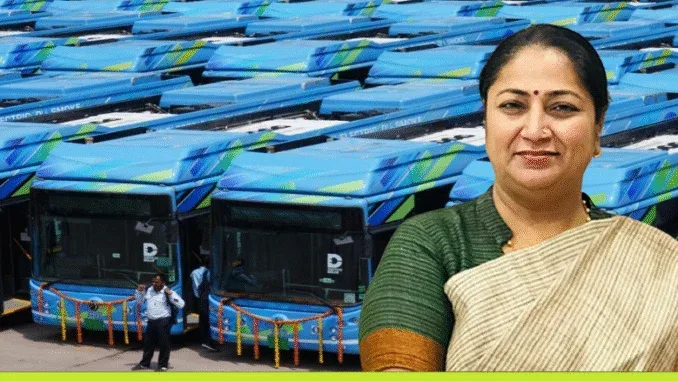
DTC Expands EV Charging
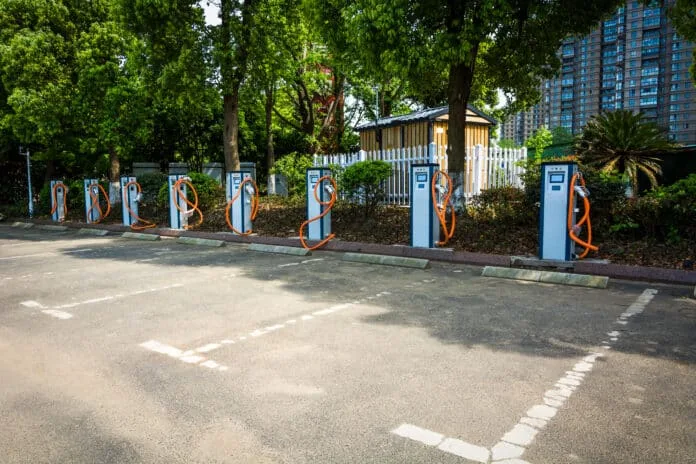
electric vehicle parking

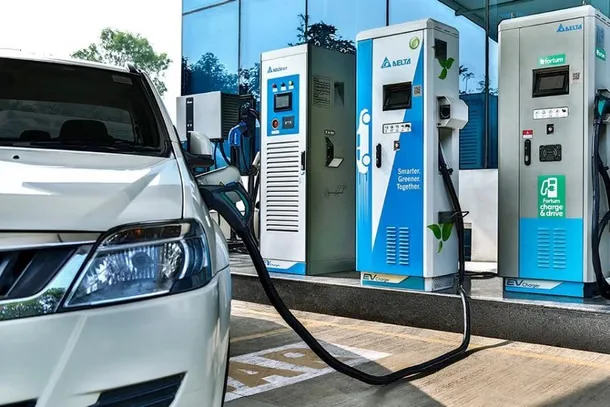
Delhi Transport Corporation (DTC) is accelerating its green transport revolution by expanding electric vehicle (EV) charging infrastructure specifically for heavy commercial vehicles. This ambitious move is a crucial part of Delhi government’s goal to make its entire public transport fleet electric within 18 months, marking a significant step toward sustainable urban mobility.

DTC Expands EV Charging

Expanding EV Charging Network Across Key Depots

DTC is setting up charging facilities in nine major depots across the city, including Rohini Sector 37, Keshopur, Nangloi, Kalkaji, Sukhdev Vihar, Nand Nagri, Ghazipur, and Hasanpur. These new installations aim to support the growing fleet of electric buses and commercial vehicles by providing efficient, high-capacity charging solutions.

Depot LocationInfrastructure Highlights
Rohini Sector 37Charging infrastructure installation in progress
KeshopurFast chargers and substations planned
NangloiUpgrading for large vehicle charging
KalkajiHeavy EV charging facilities
Sukhdev ViharSubstation and charging unit setup
Nand NagriHigh-capacity chargers
GhazipurCharging infrastructure upgrade
HasanpurNew substations and chargers

Investment and Technical Details

The project involves an investment of over Rs 31 crores, which covers the setup of 1600 KVA compact substations along with 240 KW chargers. These powerful chargers have the capacity to rapidly charge hundreds of electric buses and other heavy vehicles, ensuring minimum downtime and maximum efficiency.

The tendering process for construction and electrical works has been initiated, targeting contractors approved by government agencies. The works are expected to commence soon after bidding is completed.

Supporting Delhi’s Vision for Electric Public Transport

Chief Minister Rekha Gupta recently inaugurated six new switching substations at DTC depots, developed by BSES Rajdhani Power Limited (BRPL) and Tata Power Delhi Distribution Limited (TPDDL). These substations are designed to power approximately 1200 electric buses at locations like Peeragarhi, Ambedkar Nagar, Srinivaspuri, Okhla Central Workshop, and Narela.

DTC Expands EV Charging

Growth Trajectory of Delhi’s Electric Fleet

Fleet SizeTimeline
3,400 EV busesCurrent (2025)
6,000 EV busesExpected in next months
8,000 EV busesTarget by 2026

The expanded infrastructure is vital as Delhi targets 8,000 electric buses by 2026, reinforcing its commitment to cutting pollution and improving air quality. Currently, with 3,400 electric buses operating, the city is on track to nearly double this number shortly, further emphasizing the need for extensive charging infrastructure development.

Why This Matters

This initiative not only promotes environmental sustainability but also promises reduced operational costs and better air quality for Delhi residents. By focusing on heavy commercial vehicles, DTC ensures that the backbone of city transport transitions smoothly into a cleaner, electric future.

The expansion of EV charging infrastructure at multiple depots will help optimize bus routes, reduce battery downtime, and accelerate the adoption of electric public transport, positioning Delhi as a leader in urban sustainability in India.


With a well-planned infrastructure investment and clear targets, DTC is steering Delhi toward a cleaner, greener tomorrow — making it easier for commuters to embrace electric mobility. This bold step signals a future where the city’s air is cleaner, transport is smarter, and pollution is significantly reduced .

Honda’s EV Strategy Faces Challenges: Profit Forecast Cut Amid Market Pressures

0
Honda's EV Strategy Faces

Honda Motor Co., a giant in the automobile industry, recently revealed significant challenges in its electric vehicle (EV) strategy, which have led to a 21% cut in its full-year profit forecast. The company is grappling with one-time EV-related costs, steep tariffs, and a complex market landscape that is reshaping its business outlook.

image 93 Honda's EV Strategy Faces Challenges: Profit Forecast Cut Amid Market Pressures

Breaking Down Honda’s Current Financial Landscape

Financial AspectDetails
Profit Forecast Cut21% reduction to 550 billion yen ($3.65 billion)
Operating Loss (H1 FY 2025)224 billion yen loss linked to EV one-time costs
EV Global Sales Target 2030Revised down from 30% to 20% of total sales
China & Asia Sales ForecastReduced from 1.09 million to 925,000 vehicles

In the first half of the fiscal year ending March 2026, Honda’s automobile division posted a significant operating loss primarily due to one-time expenses related to EV investments. This downturn is compounded by worsening sales in China and other Asian markets, as well as ongoing semiconductor shortages disrupting supply chains.

Impact of Tariffs and Market Dynamics

Trade tariffs, particularly those imposed by the U.S., have had a hefty impact on Honda’s profits, with operating profit losses attributed to these tariffs reaching approximately 164 billion yen ($1.1 billion). Despite producing many vehicles locally in the U.S., tariffs have squeezed margins, forcing Honda to adjust pricing and production strategies.

Tariff and Market Challenges Summary

ChallengeImpact
U.S. Tariffs164 billion yen profit loss
Semiconductor ShortagesProduction impacted by approx. 110,000 units
Declining Sales in AsiaLower sales forecasts due to increased competition
Price Competition in ChinaReduced profitability and market pressure

The company notes increased competition in Southeast Asia, especially from Chinese automakers offering aggressive pricing and incentives, significantly pressuring Honda’s market share.

image 94 Honda's EV Strategy Faces Challenges: Profit Forecast Cut Amid Market Pressures

Strategic Response and Future Outlook

Despite near-term hurdles, Honda is taking a measured approach to mitigate losses. It aims to minimize electric vehicle sector losses and bring EV gross profit to near zero. The company is also shifting some focus toward hybrid technologies and optimizing supply chains to cushion tariff and chip shortage impacts.

Executive leadership has emphasized the need for product innovation and smarter, cost-effective EV development. Honda expects the current challenging conditions in the EV segment to persist for some time but remains committed to adapting and growing.

Key Takeaways for Investors and Industry Watchers

AspectInsight
Profit OutlookSubstantial cut; cautious but focused on recovery
EV StrategyReduced sales targets but ongoing investment in R&D
Market FocusEmphasis on North American sales; review of Asia strategies
Innovation & Cost ControlEnhancing product intelligence and pricing competitiveness

Honda’s stock saw a positive reaction from investors, climbing nearly 14% after earnings, reflecting optimism about the company’s strategic initiatives and long-term potential despite the current setbacks.


In summary, Honda’s electric vehicle ambitions face short-term financial and market challenges, including tariff impacts and shifting sales forecasts. However, with strategic adjustments, innovation focus, and a balanced approach toward hybrids and EVs, Honda is navigating its way through an evolving auto landscape. This story underscores the complexities global automakers face in transitioning to sustainable mobility amidst geopolitical and supply chain pressures.​

Electric Vehicle (EV) Retail Momentum Rebounds Strongly in India: Commercial, Three-Wheelers & Passenger Vehicles Lead

0
Electric Vehicle

India’s electric vehicle (EV) market bounced back robustly in October 2025, driven by strong retail growth in commercial vehicles (CVs), three-wheelers (3Ws), and passenger vehicles (PVs). While electric two-wheelers recalibrated after earlier highs, the overall EV sales volumes showed a healthy upward trend, indicating growing adoption across segments.

Electric Vehicle

Key Highlights: Electric Vehicle Retail in October 2025

EV SegmentOctober 2025 Retail SalesYear-on-Year Growth (%)Leading Brands/Players
Commercial Vehicles1,767 units105.9%Tata Motors, Mahindra, Switch Mobility, Euler
Three-Wheelers70,604 units5.1%Mahindra, Bajaj Auto, TVS Motor, Saera Electric
Passenger Vehicles18,055 units57.5%Tata Motors, MG Motor, Mahindra, Kia, Hyundai
Two-Wheelers143,887 units2.6%Bajaj Auto, TVS Motor, Ather Energy, Ola Electric

What’s Driving This Growth?

Electric Vehicle
  • Commercial Vehicles: Electric Vehicle commercial vehicle sales soared over 100% year-on-year, led by market leaders Tata Motors and Mahindra, as fleet electrification accelerates in logistics and public transport.
  • Three-Wheelers: EV 3W (often used for passenger transport and goods delivery) sales grew steadily, supported by manufacturers like Bajaj and Mahindra that dominate this sector.
  • Passenger Vehicles: A surge of over 57% was recorded, reflecting growing consumer confidence, new EV model launches, and better charging infrastructure.
  • Two-Wheelers: The growth was moderate but stable, with slight recalibration as entry-level ICE bikes surged, yet leading EV brands maintained significant market share.

Market Insights and Future Outlook

India’s EV adoption is benefiting from improving infrastructure, government incentives, and increasing affordability. While two-wheelers continue to have the largest volumes, passenger and commercial vehicles are emerging as key growth engines.

Segment FocusGrowth DriversChallenges & Opportunities
Commercial VehiclesFleet electrification, logistics demandCharging infrastructure expansion
Three-WheelersUrban last-mile connectivity, affordabilityCompetition and evolving consumer preferences
Passenger VehiclesNew EV launches, improving infrastructureHigh upfront cost, consumer awareness
Two-WheelersUrban mobility, brand innovationICE competition, price sensitivity

Industry experts view October’s surge as part of a longer-term trend where retail sales reflect rising consumer interest and confidence, helped by policy support and expanding product portfolios.


India’s EV retail rebound in October marks a critical milestone as the country moves toward cleaner mobility solutions. With commercial vehicles, three-wheelers, and passenger vehicles setting the pace, the sector is poised for sustained growth, even as two-wheelers recalibrate to maintain momentum. For stakeholders and consumers alike, this signals a rapidly evolving and mature EV market shaping India’s green transportation future.​

Numeros n-First: India’s New EV with 16-inch Wheels, Rs 65K Price & 109 km Range

0
Numeros n-First

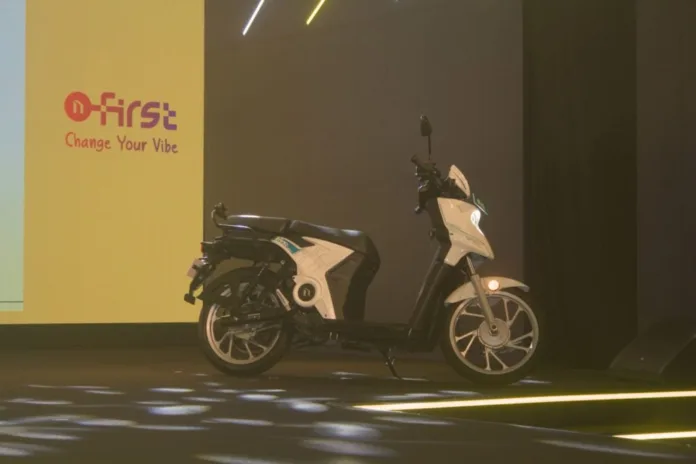
Numeros Motors has launched its latest electric two-wheeler, the n-First, starting at an attractive introductory price of ₹64,999 (ex-showroom) for the first 1,000 buyers. This new EV stands out with its unique blend of scooter convenience and motorcycle stability, thanks to its distinctive 16-inch wheels—a rarity in this segment.

Numeros n-First

What Makes the Numeros n-First Special?

FeatureDetails
Starting Price₹64,999 (introductory, first 1000 buyers)
Wheel Size16 inches, offering superior stability and control
Battery Options2.5 kWh and 3.0 kWh liquid immersion-cooled Li-ion
Range (IDC Certified)Up to 109 km for top 3.0 kWh variant
Top Speed55 km/h (2.5 kWh variants), 70 km/h (3.0 kWh variant)
Charging Time5-6 hours (2.5 kWh), 7-8 hours (3.0 kWh)
VariantsMax, i-Max, i-Max+
ColorsTraffic Red, Pure White

Designed for Urban Riders, Especially Women

Numeros n-First is crafted with a focus on urban commuters seeking a balance of performance, style, and practicality. The company particularly targets women riders, offering a lightweight, easy-to-handle vehicle with a slim profile and extra-long ergonomic seating for comfort.

A collaboration with Italian design house Wheelab has led to a stylish scooter featuring a sporty front apron, round headlamp, and sleek body lines. The 16-inch wheels significantly enhance ride stability on Indian roads, making it stand out from typical scooters.

image 90 Numeros n-First: India’s New EV with 16-inch Wheels, Rs 65K Price & 109 km Range

Performance and Technology Highlights

Powered by a PMSM mid-drive motor with chain transmission, the n-First ensures smooth acceleration and energy efficiency. The base and mid variants sport a 1.8 kW motor, while the top i-Max+ variant boosts power to 2.5 kW, pushing speeds up to 70 km/h.

image 89 Numeros n-First: India’s New EV with 16-inch Wheels, Rs 65K Price & 109 km Range

Additional tech features include:

  • Bluetooth-enabled LCD console (for i-Max and i-Max+ variants)
  • Massive phone holder with integrated charging port for navigation
  • Reverse mode for easier parking
  • Over-the-air software updates
  • Robust suspension with telescopic front and adjustable rear shocks

Practicality Meets Innovation

The n-First supports the daily needs of urban riders, offering long range, quick charging, and smart connected features such as theft alerts, geo-fencing, remote locking, and live tracking. Its high ground clearance and well-tuned suspension make it adept at handling varying Indian road conditions.

Booking and Availability

Bookings have already opened, with deliveries expected to begin by January 2026 across South Indian cities like Bengaluru, Chennai, Kochi, and Thrissur. Numeros Motors runs a manufacturing unit near Bengaluru with a capacity of 70,000 units yearly, preparing for robust market demand.


The Numeros n-First is not just another electric scooter; it is a fresh expression of urban mobility designed for the next-gen Indian rider. With its competitive price, 109 km range, and uniquely large wheels, it is poised to make a strong impact on the electric two-wheeler market.​

Royal Enfield Flying Flea FF.S6 Scrambler: Electric Scrambler Unveiled for 2026 Launch

0
Flying Flea S6

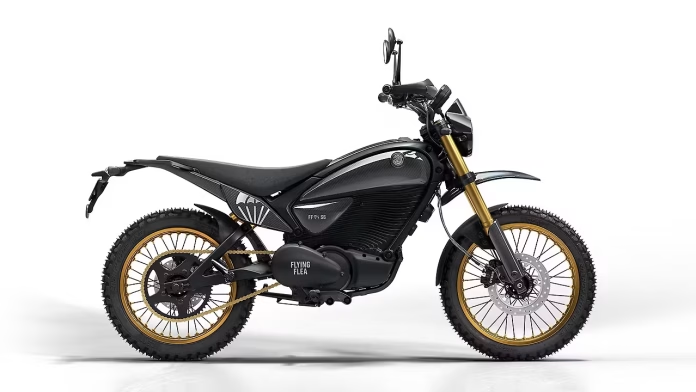
Royal Enfield’s electric mobility brand, Flying Flea, has unveiled its second model — the FF.S6 Scrambler — at the EICMA 2025 show in Milan. Set to launch in late 2026, this electric scrambler blends classic heritage with modern tech, offering riders a lightweight, connected, and versatile motorcycle designed for city commutes and light off-road adventures.

Royal Enfield Flying Flea FF.S6 Scrambler: Electric Scrambler Unveiled for 2026 Launch

What Makes the Flying Flea FF.S6 Special?

FeatureDetails
Launch TimelineExpected by late 2026
DesignScrambler-inspired with heritage cues
Wheels19-inch front, 18-inch rear spoked rims
SuspensionUpside-down (USD) front fork, long-travel rear
Drive SystemChain final drive
SeatLong enduro-style for comfort on mixed terrains
Battery CaseLightweight finned magnesium for cooling
DisplayRound high-res touchscreen with connectivity
Connectivity4G, Bluetooth, Wi-Fi, voice assistant integration
Safety FeaturesSwitchable dual-channel ABS, lean-angle sensing brake
ProcessorQualcomm Snapdragon QWM2290

Heritage and Modern Tech Combined

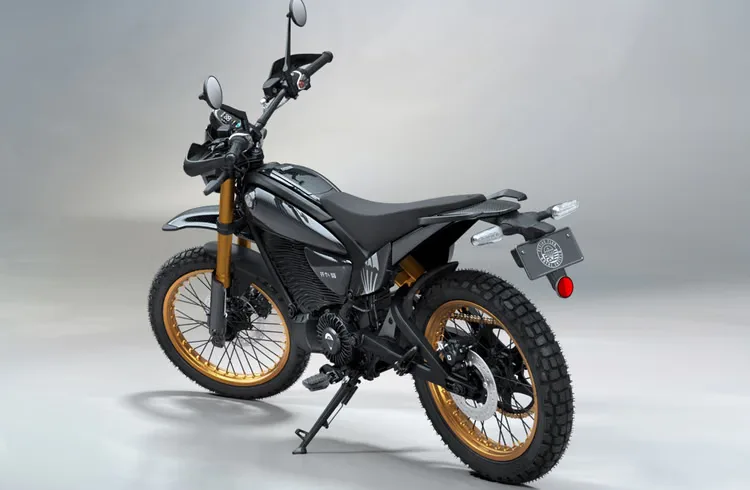
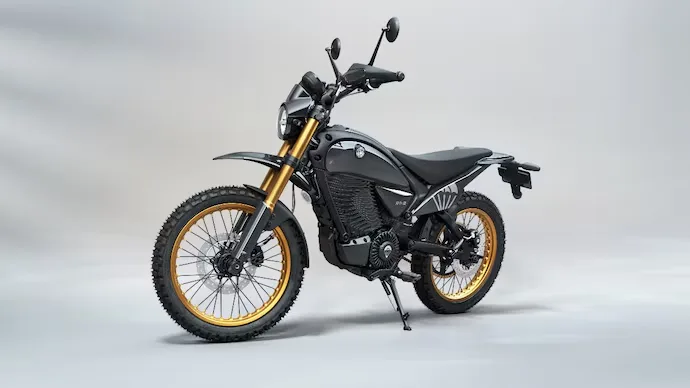
The FF.S6 pays tribute to Royal Enfield’s original Flying Flea motorcycles used in World War II, known for their agility and rugged versatility. Today’s FF.S6 reimagines that spirit with a scrambler stance suitable for urban streets and weekend trail explorations. The wide handlebars, tall suspension, and dual-sport tires ensure confident handling over loose or uneven surfaces.

Built on an advanced in-house platform, the motorcycle integrates a powerful electric motor with a sophisticated battery management and cooling system, all within a sleek, functional scrambler design.

image 86 Royal Enfield Flying Flea FF.S6 Scrambler: Electric Scrambler Unveiled for 2026 Launch

Advanced Features for Connected Riding

The FF.S6 showcases Royal Enfield’s leap into smart electric mobility. Its round touchscreen display preserves classic styling but delivers modern digital features such as navigation, real-time diagnostics, media controls, and OTA software updates. Riders can access these features conveniently via smartphone or smartwatch integration.

Additional rider aids like off-road mode, traction control, and lean-angle sensing braking improve safety and performance across various terrains, elevating the riding experience.

Production and Market Strategy

Royal Enfield plans to manufacture the Flying Flea FF.S6 at its Vallam Vadagal plant in Tamil Nadu with engineering collaboration from teams in India and the UK. The company aims to introduce the bike globally in late 2026, with India launches expected shortly after. Pricing and market-specific customizations will be revealed closer to production.


The Flying Flea FF.S6 positions Royal Enfield’s EV line at the crossroads of nostalgia and innovation. Designed for the modern rider looking for urban agility and weekend adventure capability, this scrambler is set to make a lasting impression in the electric motorcycle market by combining heritage-inspired design with cutting-edge technology.​

Kia Syros EV Spotted Testing: Dual Charging Ports, 370km Range, Launching 2026

0
Kia Syros EV

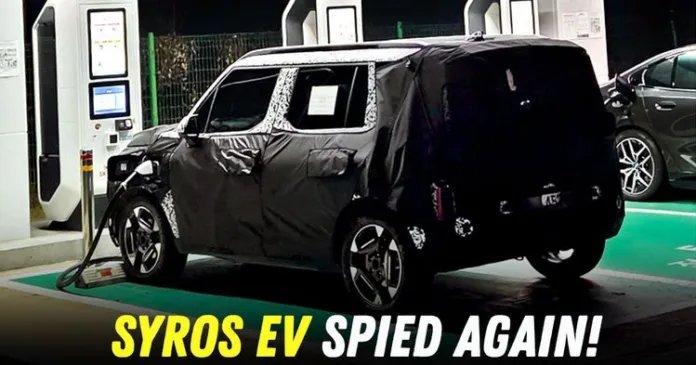
The much-anticipated Kia Syros EV has been seen testing on roads in Korea, revealing exciting design and technical details ahead of its expected Indian launch in 2026. Sporting dual charging ports, a promising range of up to 370 km, and a design closely resembling its petrol/diesel counterpart, the Syros EV aims to make a strong impact in India’s growing electric SUV market.

Kia Syros EV

Kia Syros EV: Key Features at a Glance

FeatureDetails
Expected LaunchMid-2026 in India
DesignSimilar to ICE Syros with closed grille & minor EV-specific tweaks
Charging PortsDual ports located on each front fender for convenience
Battery Options42 kWh and 49 kWh packs (Nickel Manganese Cobalt chemistry)
RangeApprox. 300 km (42 kWh) to 370 km (49 kWh)
Charging TimeFast charge: 10% to 80% in ~30 minutes
DimensionsLength: 3995 mm, Width: 1805 mm, Height: 1680 mm, Wheelbase: 2550 mm
Brakes & WheelsDisc brakes all around, aero-optimized alloys, green brake calipers
Special FeaturesLED lighting, panoramic sunroof, ADAS suite expected
Target Price Range₹14 lakh to ₹20 lakh (estimates)

Design and Practicality

The Syros EV retains the familiar SUV silhouette that Indian customers love in the ICE variants. It features subtle modifications like a closed-off grille, flush-fitting charging ports on both sides, neon green brake calipers indicating its EV nature, and possible EV badges.

Inside, expect an upgraded digital instrument cluster tailored for EV functions, with possibly new upholstery options while keeping the overall premium feel consistent with the petrol/diesel model.

image 84 Kia Syros EV Spotted Testing: Dual Charging Ports, 370km Range, Launching 2026

Why Dual Charging Ports?

Dual charging ports on either front fender are unusual but offer convenience and flexibility, allowing the vehicle to park on either side of a charging station easily. This design will especially benefit urban users and public fast chargers, contributing to hassle-free charging.

Performance and Competitor Landscape

Borrowing battery technology from Hyundai’s Inster EV, the Syros EV is expected to offer competitive range and fast-charging capabilities. Its estimated price bracket puts it head-to-head with popular rivals such as the Tata Nexon EV, Mahindra XUV400 EV, and the upcoming Maruti Fronx EV.

What This Means for Indian EV Buyers

AspectBenefit
Range & ChargingLong-range options with quick charging reduce range anxiety
Familiar DesignRetains trusted Syros styling with smart EV tweaks
Urban ConvenienceDual charging ports ease public charging experiences
Competitive PricingAccessible pricing makes premium features affordable
Safety & TechLatest ADAS and LED lighting ensure modern and safe driving

The Kia Syros EV emerges as a promising, well-rounded electric SUV built for Indian roads and consumer expectations. As Kia prepares to roll it out next year, buyers can look forward to an EV that seamlessly blends style, convenience, and technology. This launch is set to further energize the Indian electric SUV market and give consumers more choices in the fast-growing EV segment.​

Mini Countryman SE All4 EV Launched in India at ₹66.90 Lakh: Powerful Luxury with 440 km Range

0
Mini Countryman SE

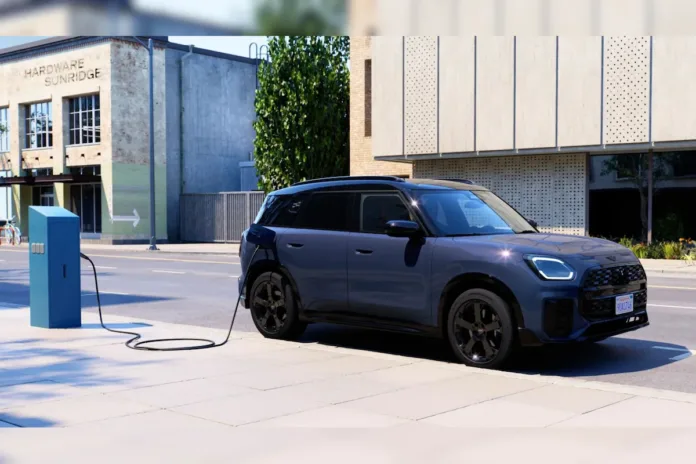
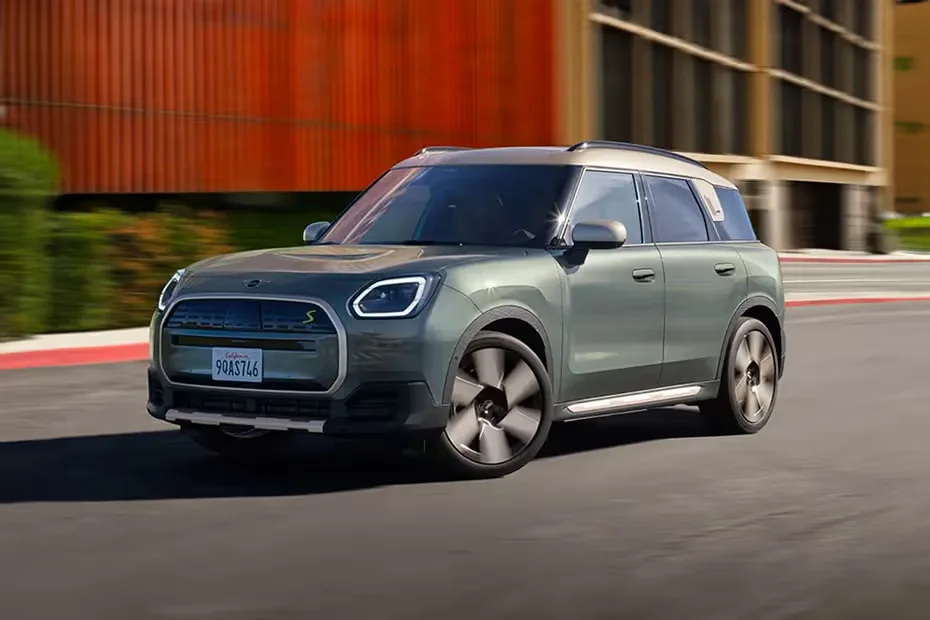
Mini has electrified India’s luxury EV segment with the launch of the all-new Countryman SE All4, priced at ₹66.90 lakh (ex-showroom). This fully imported, compact electric SUV is Mini’s most powerful EV in the Indian market, combining iconic style with impressive performance and advanced tech features.

Mini Countryman

Mini Countryman SE All4: Key Specifications

SpecificationDetails
Price₹66.90 lakh (ex-showroom)
PowertrainDual electric motors; 313 bhp and 494 Nm torque
Battery Capacity66.45 kWh lithium-ion battery
Driving Range (WLTP)440 km
0-100 km/h Acceleration5.6 seconds
Top Speed180 km/h
Charging130 kW DC fast charging (10-80% in 29 min)
AC Charging22 kW AC wall box (full charge in ~3h 45 min)

Performance and Driving Experience

The electrified SE All4 outsmarts the petrol-powered Mini John Cooper Works (JCW), delivering 313 horsepower and 494 Nm of instantaneous torque. This power translates into a quick 0-100 km/h sprint in just 5.6 seconds, making it the fastest Mini on Indian roads. Its all-wheel-drive system ensures confident handling on any terrain.

Distinctive Style and Premium Interiors

The new Countryman embraces Mini’s evolved design language with an upright stance, sportier blacked-out accents, and 19-inch alloy wheels. The contrast Jet Black roof and mirrors highlight its dynamic character.

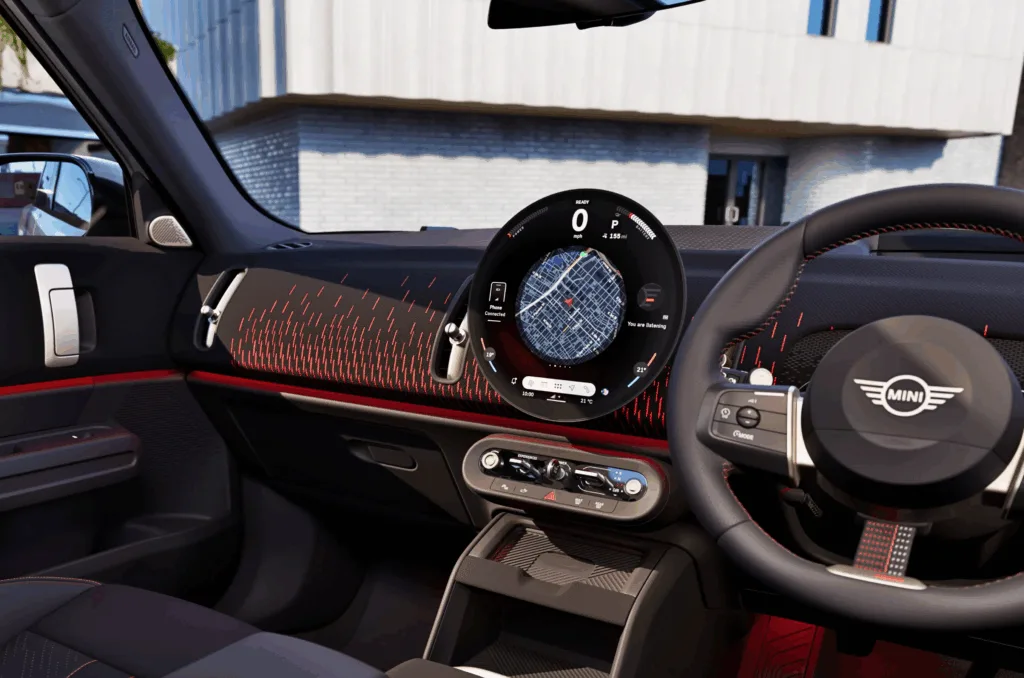
Inside, the modern cockpit features a sprawling circular OLED touchscreen, signature to Mini, plus a head-up display, ambient lighting for mood setting, and JCW-branded seats and steering wheel adding a sporty flair. A panoramic sunroof immerses the cabin in natural light, while the Harman Kardon sound system and 360-degree camera system deliver luxury and convenience.

image 82 Mini Countryman SE All4 EV Launched in India at ₹66.90 Lakh: Powerful Luxury with 440 km Range

Charging and Practicality

Equipped with a 66.45 kWh battery, the Countryman offers a WLTP-rated range of 440 km on a full charge, perfect for urban commuting and weekend getaways. Fast DC charging brings the battery from 10 to 80 percent in just 29 minutes, ideal for quick top-ups on the go, while home or public AC charging completes in under 4 hours.

What Makes Mini Countryman SE All4 a Strong Contender?

FeatureBenefit
Powerful Dual MotorsThrilling acceleration and AWD traction
Long RangeReduces range anxiety with 440 km WLTP rating
Quick ChargingFast DC charging enhances usability
Premium Tech & ComfortOLED touchscreen, Harman Kardon, ambient lighting
Iconic Mini StyleSporty, distinctive aesthetics with blacked accents

The Mini Countryman SE All4 is not just an electric vehicle; it’s a statement of style, performance, and modern luxury packed into a versatile compact SUV. It blends Mini’s fun and quirky spirit with advanced electrification, making it an exciting option for Indian luxury EV buyers who crave power, design, and premium tech all in one package.​

Karnataka to Install 40 EV Charging Stations on Highways to Boost Long-Distance Electric Travel

0
Karnataka to Install 40 EV Charging Stations

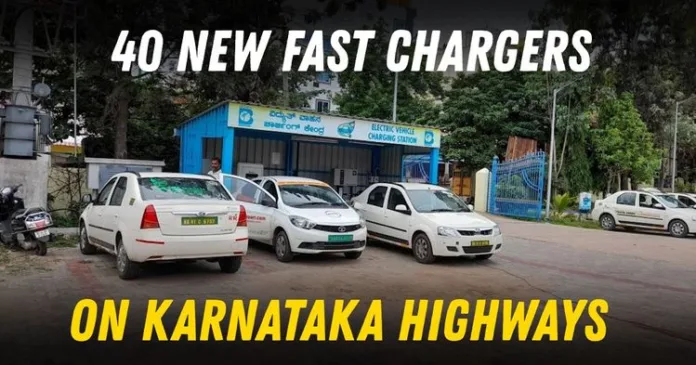
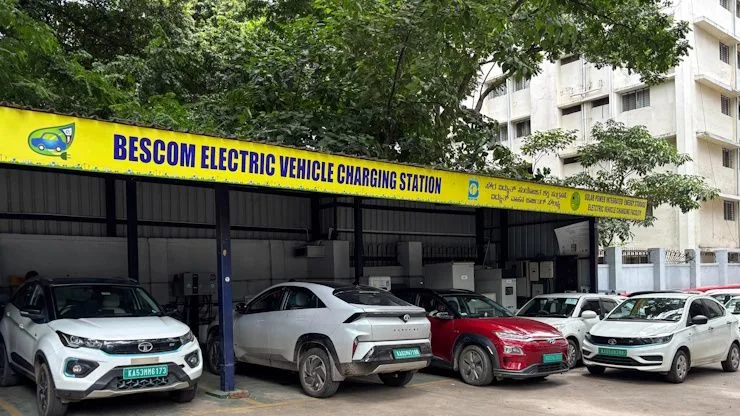
Karnataka is taking a major leap in electric mobility by planning to set up 40 electric vehicle (EV) charging stations along national and state highways across the state. This ambitious initiative, led by Bangalore Electricity Supply Company Limited (BESCOM), aims to make long-distance EV travel seamless, thereby addressing range anxiety and pushing sustainable transportation forward in the region.

Karnataka to Install 40 EV Charging Stations

Key Highlights of Karnataka’s EV Charging Expansion

FeatureDetails
Total Charging Stations Planned40 (20 on national highways, 30 on state highways)
Key Highway RoutesBengaluru–Belagavi (NH-48), major toll plazas, other routes
Current EV Charging Stations5,960+ operational public chargers (highest in India)
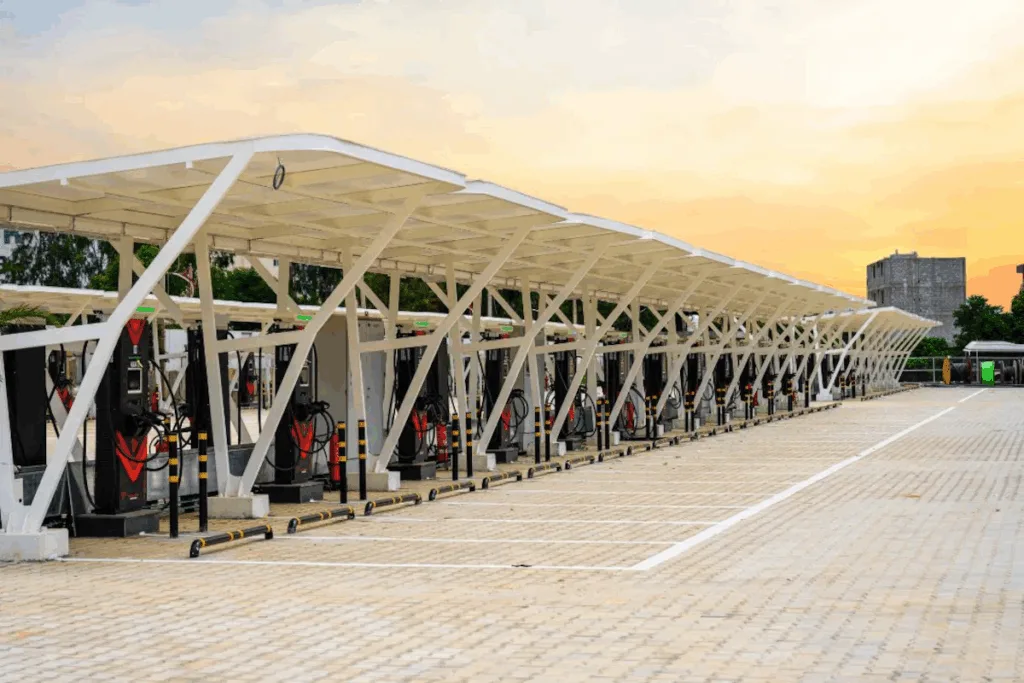
Charging Station TypesFast chargers at toll plazas and strategic junctions
Approval StatusPending NHAI (national highways) and KRDCL (state highways)
BenefitsEnables hassle-free long-distance EV travel, reduces range anxiety

Karnataka’s Commitment to Electric Mobility

The state’s proactive stance on EV infrastructure has made it a national leader with the highest number of operational public EV charging stations in India. BESCOM’s Managing Director, N. Shivashankar, emphasizes that this expansion not only eases the worries of EV users on long trips but also accelerates the transition toward clean energy, supports sustainable tourism, and creates a green transport ecosystem.

Strategic Locations and Connectivity

This new network of 40 charging stations will be strategically set up at:

  • Toll plazas along major highways
  • Key junctions on the Bengaluru–Belagavi stretch and other important routes
  • Tourist destinations and industrial hubs

By connecting major cities such as Bengaluru, Mysuru, Hubballi, Mangaluru, and Belagavi, the highway charging infrastructure will enable smoother intercity travel for electric taxis, logistics fleets, and private EV owners.

image 80 Karnataka to Install 40 EV Charging Stations on Highways to Boost Long-Distance Electric Travel

Supporting National EV Goals

This initiative aligns perfectly with the Government of India’s PM E-Drive scheme, aiming for 30% EV penetration by 2030. Karnataka’s efforts complement this vision by:

  • Encouraging widespread EV adoption through better infrastructure
  • Promoting renewable energy usage, including solar-powered charging hubs
  • Offering low-cost public charging tariffs to make EVs more accessible

Additional Developments

BESCOM has already launched India’s first solar-powered EV hub near Kempegowda International Airport, featuring second-life batteries to optimize energy use. The ‘EV Mithra’ app lets users locate and book charging stations in real-time, making EV travel planning convenient and hassle-free.


The installation of these 40 highway charging stations marks a pivotal moment in Karnataka’s electric mobility journey. It transforms EV travel from a city-centric experience into a statewide, practical option—fostering cleaner transportation and supporting the growth of EV fleets across the region. Karnataka sets a shining example for other states, paving the way for India’s green mobility future.​