Home Blog Page 16

Kia India Plant Remote OTA: Industry-First Smart Update

0
Kia India Plant Remote OTA

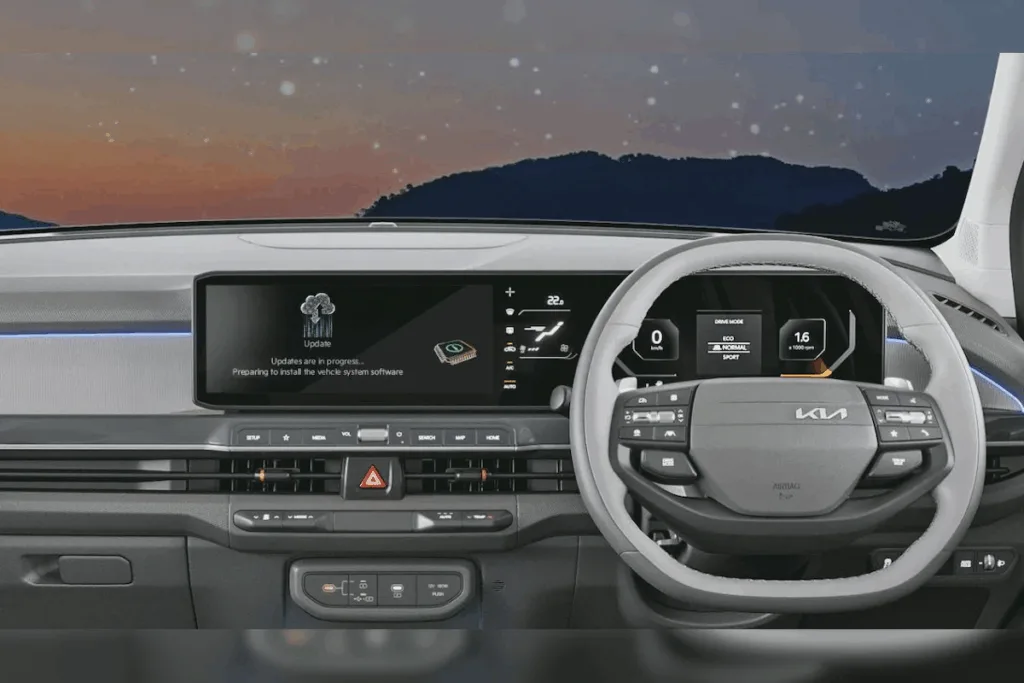
Imagine buying a brand-new smartphone that needs an hour of updates before you can actually use it. Frustrating, right? That’s exactly the problem Kia India just solved for cars. The automaker has launched India’s first Plant Remote Over-The-Air (OTA) update system, ensuring every vehicle rolls off the production line already running the latest software. No dealership visits. No waiting. Just pure, ready-to-drive brilliance from day one.

Kia

What Makes This a Game-Changer?

Kia India introduced the Plant Remote OTA feature for models equipped with the Connected Car Navigation Cockpit (CCNC) platform, ensuring every connected vehicle receives the latest software remotely before leaving the plant. This means customers get an upgraded, fully-loaded driving experience the moment they take delivery.

Think about it: Previously, car software updates were done manually at dealerships after delivery. That extra trip, that wasted time, that delayed gratification of enjoying your new car’s features—Kia just eliminated all of it.

How Plant Remote OTA Works

StageTraditional ProcessKia’s Plant Remote OTA
At FactoryBasic software installedLatest software remotely updated
In TransitSoftware becomes outdatedAlready current and optimized
At DealershipManual updates requiredReady to drive immediately
Customer ExperienceWaiting for updatesInstant access to all features

The Plant Remote OTA uses Controller OTA functionality compliant with Connected Car System 2.0 (CCS 2.0) standards, enabling advanced connectivity, improved security, and real-time updates.

The Hidden Gap Nobody Talks About

Here’s something most car buyers never consider: the often-overlooked gap between manufacture and retail – a period when vehicles may sit idle or transit with older software. Your brand-new car might technically be months old in software years by the time you drive it home.

Kia’s innovation tackles this invisible problem head-on. Updates happen automatically while the car is still at the plant, so once it reaches the dealership, it’s already up to date and ready to drive.

Real Benefits for Real Customers

Immediate Access: Customers receive vehicles preloaded with the newest updates, connectivity enhancements, and system optimizations—eliminating the need for manual updates or dealership visits.

Complete Features: Navigation, infotainment, diagnostics, remote vehicle management—everything works from minute one.

Enhanced Security: Security patches already installed means your car is protected against known vulnerabilities before you even turn the key.

Time Savings: No more spending precious hours at the dealership for “essential updates” right after buying your dream car.
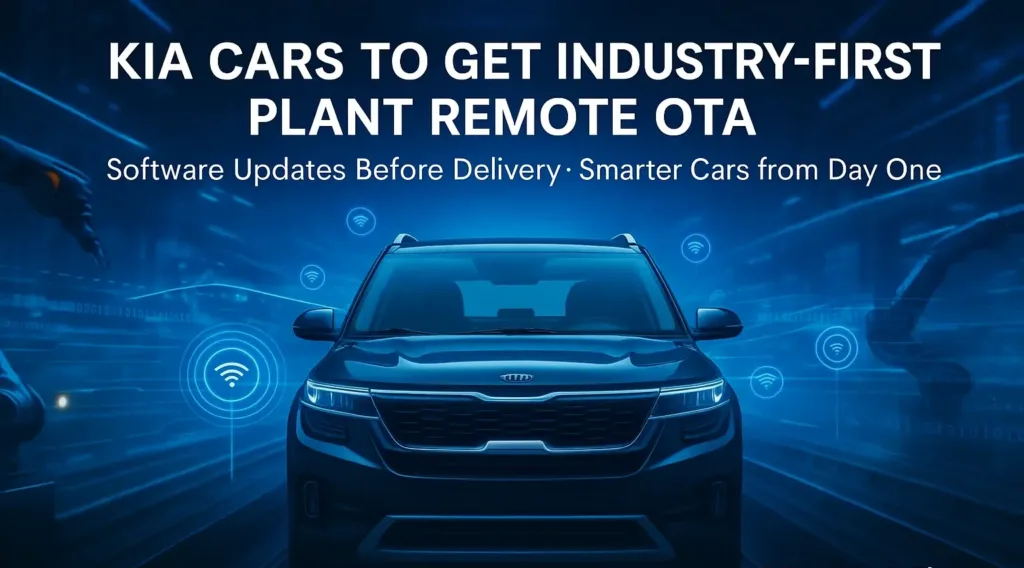
image 156 e1763119706182 Kia India Plant Remote OTA: Industry-First Smart Update

What Kia’s Leadership Says

Atul Sood, Senior VP of Sales & Marketing at Kia India, stated that the Plant Remote OTA feature exemplifies Kia’s dedication to driving innovation that enhances the customer journey, redefining the ownership experience to be more seamless, intelligent, and future-ready.

The Bigger Picture

Kia has sold more than 4.95 lakh connected cars in India and produced around 1.5 million vehicles since starting operations at its Anantapur plant in 2019. This new system positions Kia as a technology-first automaker rather than just a car manufacturer.

Which Vehicles Get This Feature?

The feature will be available for all models that come with Kia’s Connected Car Navigation Cockpit system. Even better? Kia plans to extend this Plant Remote OTA capability across all future connected models in its portfolio.

Why This Matters for the Industry

Kia isn’t just improving its own processes—it’s setting a new standard that competitors will struggle to ignore. The days of accepting outdated software in new cars are over. Customers now know what’s possible, and they’ll demand it from every automaker.

This move highlights three major shifts in the automotive world:

Software-Defined Vehicles: Cars are becoming sophisticated computers on wheels, where software matters as much as horsepower.

Digital Transformation: Manufacturing isn’t just about assembly lines anymore—it’s about creating digitally native products.

Customer-Centric Innovation: The focus has shifted from what’s convenient for manufacturers to what delivers the best customer experience.

The Future Is Connected

Kia’s Plant Remote OTA system represents more than a technical achievement. It’s a promise: when you buy a Kia, you’re getting tomorrow’s technology today, not yesterday’s features tomorrow. In an industry often criticized for slow innovation, Kia just showed everyone how it’s done.
Hero MotoCorp Q2 Results: Profit Jumps 14%, EV Push Gains Speed

0
Hero MotoCorp

The world’s largest two-wheeler maker just proved it’s not slowing down. Hero MotoCorp delivered its highest-ever quarterly revenue in Q2 FY25, posting impressive growth across all key financial metrics. While competitors scramble to adapt to India’s changing mobility landscape, Hero is accelerating—both literally and figuratively. The numbers tell a powerful story of resilience, rural recovery, and a company betting big on electric mobility without abandoning its ICE stronghold.

Hero MotoCorp
Hero MotoCorp Q2 Results

The Numbers That Matter

Hero MotoCorp’s standalone revenue surged 11% year-over-year to ₹10,463 crore, while profit after tax jumped 14% to ₹1,204 crore in Q2 FY25. But these aren’t just numbers—they’re proof that Hero understands India’s two-wheeler market better than anyone.

MetricQ2 FY25Q2 FY24Growth
Revenue₹10,463 cr₹9,445 cr+11% YoY
Profit After Tax₹1,204 cr₹1,054 cr+14% YoY
EBITDA₹1,516 cr₹1,328 cr+14% YoY
EBITDA Margin14.5%14.1%+40 bps
Units Sold15.2 lakh

The company also achieved its highest-ever quarterly revenue from parts, accessories, and merchandising at ₹1,456 crore—a detail that often gets overlooked but signals Hero’s ecosystem strength beyond just selling bikes.

The Rural Resurgence

Here’s what’s really driving Hero’s growth: India’s villages are buying again.

The festive season delivered Hero’s highest-ever retail sales of 16 lakh units, powered by robust demand from rural sectors following strong monsoon conditions. Remember when everyone predicted rural markets would stay depressed? Hero just proved them wrong.

CEO Niranjan Gupta nailed it: “We believe that the strong monsoon will help the momentum in the industry going forward. The fundamentals look good for the Indian economy in general and the 2-wheeler industry in particular.”

The EV Strategy Nobody’s Talking About

While headlines focus on Tesla and VinFast, Hero is quietly building an electric empire under everyone’s radar.

The VIDA EV business is ramping up, with market share consistently climbing. Yes, it’s currently causing a 200 basis point margin contraction—but that’s the price of transformation. Hero isn’t just dipping its toes in electric; they’re diving in.

Hero plans to expand the VIDA portfolio to cover all price segments soon, alongside three new ICE scooter launches by March 2025. That’s the genius: dominate petrol while building electric. Don’t choose sides; win both battles.

The Premium Segment Play

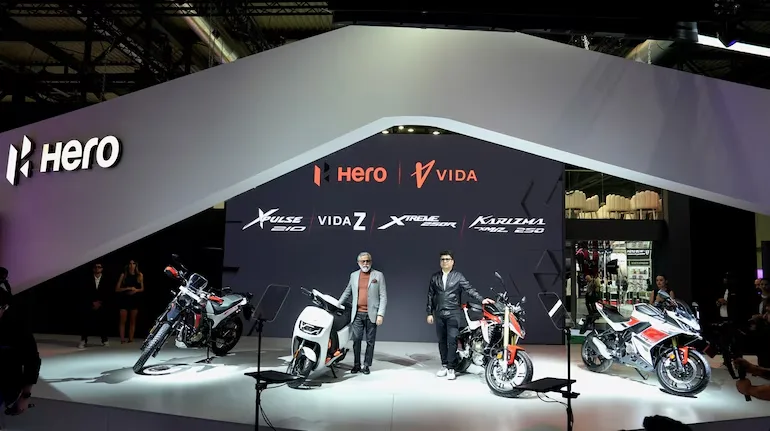
Hero’s premium ambitions are crystallizing fast. Three new motorcycles were unveiled at EICMA 2024—the Xpulse 210, Xtreme 250R, and Karizma XMR 250—set to launch within six months.

These aren’t just bikes; they’re Hero’s declaration that they can compete with Royal Enfield, KTM, and the foreign brands in the aspirational segment. The company is targeting over 100 Premia stores by the end of FY25—dedicated premium outlets that signal serious intent.

What Analysts Are Saying

The market responded enthusiastically. Hero MotoCorp shares rallied as much as 5.12% to hit ₹4,840.40 following the Q2 results announcement.

Hero MotoCorp
Hero MotoCorp Q2 Results

Brokerages are bullish:

Nomura: Raised target price to ₹5,805, citing reduced EV-related drag and improved margins ahead. They anticipate 10% growth in the two-wheeler industry over FY25-26, driven by balanced growth and favorable monsoon conditions.

Motilal Oswal: Despite lowering FY26 estimates by 11%, they maintain a ‘Buy’ rating at ₹5,420, calling the stock “attractively valued.”

Nirmal Bang: Target of ₹5,934, noting the favorable risk-reward ratio given recovery in the entry segment.

The consensus? Hero’s best days aren’t behind it—they’re ahead.

The Cash Flow Story

Hero’s strong focus on cash management has delivered robust cash flow, strengthening the company’s financial position. This isn’t just profitable growth—it’s sustainable growth.

That cash position allows Hero to “aggressively invest behind brand building” while competitors worry about staying afloat.

The Challenges Ahead

Let’s be honest: It’s not all smooth riding.

The EV business is diluting margins short-term. Competition is intensifying from foreign players. Input costs remain volatile. The premium segment is crowded and unforgiving.

But here’s the thing: Hero commands around 54% contribution from rural markets and maintains ICE margins above 16%—both massive advantages.

What This Means for India

Hero MotoCorp selling 16 lakh units in a festive season isn’t just a corporate milestone. It’s 1.6 million families gaining mobility, freedom, and economic opportunity.

When rural India buys bikes, it signals confidence. Jobs are available. Incomes are stable. The economy is moving.

Hero’s Q2 results are an economic indicator as much as a corporate achievement.

The Road Ahead

The next six months will be fascinating. Three premium bikes launching. Three ICE scooters debuting. VIDA expanding across price segments. Premia stores crossing 100 outlets.

Hero isn’t playing defense. They’re attacking on multiple fronts simultaneously—premium, electric, rural, urban, domestic, export.

Final Thoughts

As CEO Niranjan Gupta stated: “We have continued our exceptional performance in Q2 FY25, once again creating a new high in both topline and bottomline.” That’s not corporate speak. That’s the confidence of a company that knows its market, trusts its strategy, and is executing flawlessly.

Q2 FY25 proved Hero MotoCorp isn’t just India’s largest two-wheeler maker—it’s the smartest. And in a market transforming as rapidly as India’s, intelligence matters more than legacy.

Ferrari Electric Car: Asia Win, Europe Skepticism Says Pirelli

0
Ferrari

Picture this: The roar of a Ferrari engine has been the soundtrack of automotive dreams for decades. But silence? That’s a different story altogether. And according to Pirelli’s top executive, Europe might not be ready to embrace a silent prancing horse.

Ferrari

The Bold Prediction That’s Turning Heads

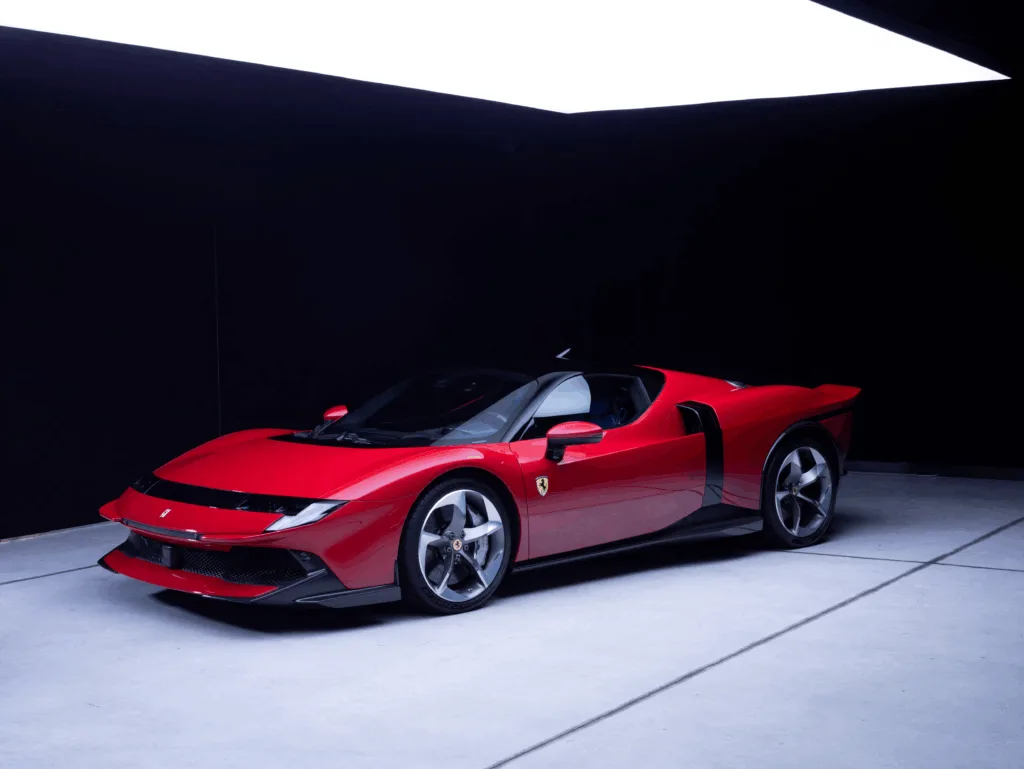
Marco Tronchetti Provera, the 77-year-old executive vice chairman of Pirelli, dropped a bombshell at a Bloomberg conference in Milan this week. Ferrari’s upcoming first fully electric model, the Elettrica, is expected to thrive in Asia but struggle in Europe.

This isn’t just industry gossip—it’s a calculated observation from someone who supplies the very tires these supercars will roll on. And his reasoning? It goes deeper than market analysis.

Why Asia Says “Yes” and Europe Says “Maybe”

Tronchetti Provera believes the electric Ferrari could help the Italian luxury sportscar maker open new markets in China and across Asia. The region’s appetite for cutting-edge technology and luxury EVs is undeniable.

But Europe? That’s where Ferrari’s heart beats loudest—and where tradition runs deep.

MarketExpected ReceptionKey Factors
Asia (China focus)Strong success likelyTech adoption, new market opportunity, EV infrastructure
EuropeSkeptical outlookTraditional preferences, emotional connection to engine sound

The Soul vs. The Future

Here’s where it gets personal. Tronchetti openly admitted, “I personally hope that they will remain with 12 cylinders because I love cars, and I love the engines. So these silent cars are not my cup of tea”.

It’s a sentiment that echoes through European piazzas and racetracks—the visceral love for that unmistakable Ferrari roar. Can you really call it a Ferrari if it purrs instead of roars?

image 148 Ferrari Electric Car: Asia Win, Europe Skepticism Says Pirelli

What’s Under the Hood (Or Battery Pack)

Ferrari unveiled the technology for the Elettrica last month, marking a pivotal moment in the brand’s history. The luxury automaker is strategically adding battery power to complement its hybrid and traditional petrol-engine models—not replace them entirely.

This isn’t about abandoning Ferrari’s DNA. It’s about evolution in a market where electrification isn’t optional anymore.

The Bigger Picture: A Changing Landscape

Despite Tronchetti’s skepticism, Pirelli remains ready to supply Ferrari regardless of market performance. It’s a pragmatic approach that acknowledges uncertainty in uncharted territory.

Ferrari’s electric gamble reflects a broader industry tension: honoring heritage while embracing innovation. The Elettrica could either revolutionize how we think about supercars or prove that some traditions are sacred.

The Road Ahead

Will European enthusiasts embrace an electric Ferrari, or will the Elettrica find its true home in Asia’s booming luxury EV market? Only time will reveal whether silence can be as golden as the sound of a V12 at full throttle.

One thing’s certain: Ferrari is betting that different continents have different dreams. And in Asia, those dreams might just be whisper-quiet.

MG Comet EV Price 2025: Complete Range, Variant & Features Guide

0

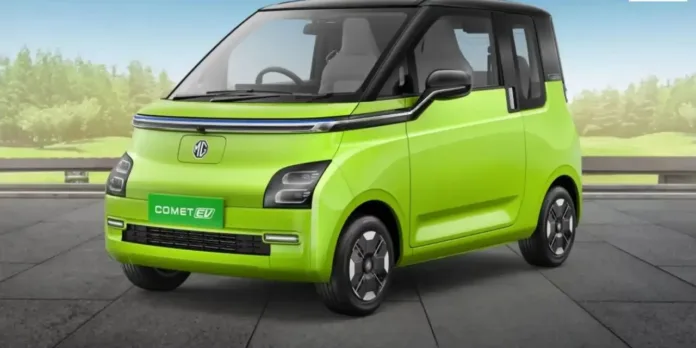
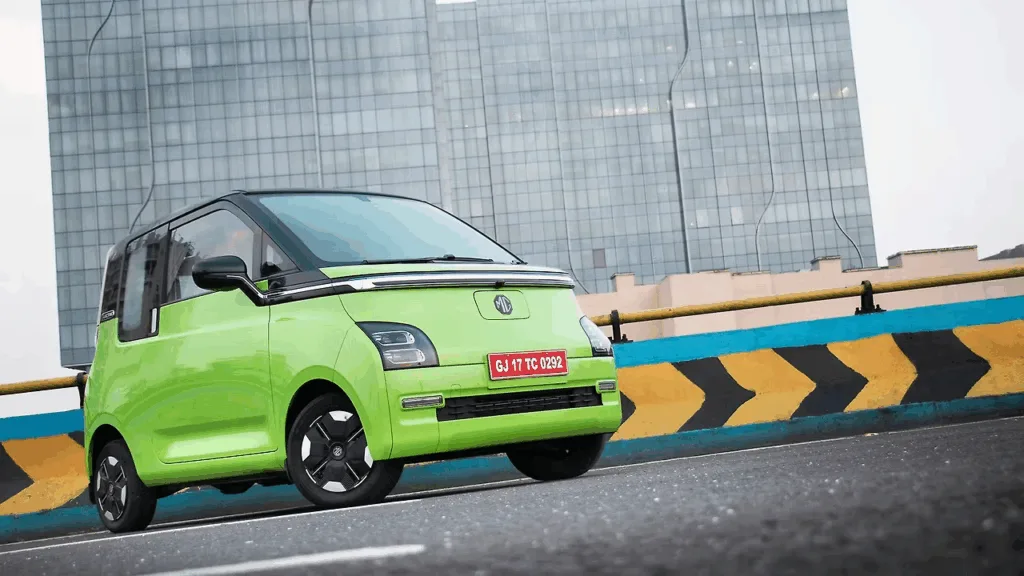
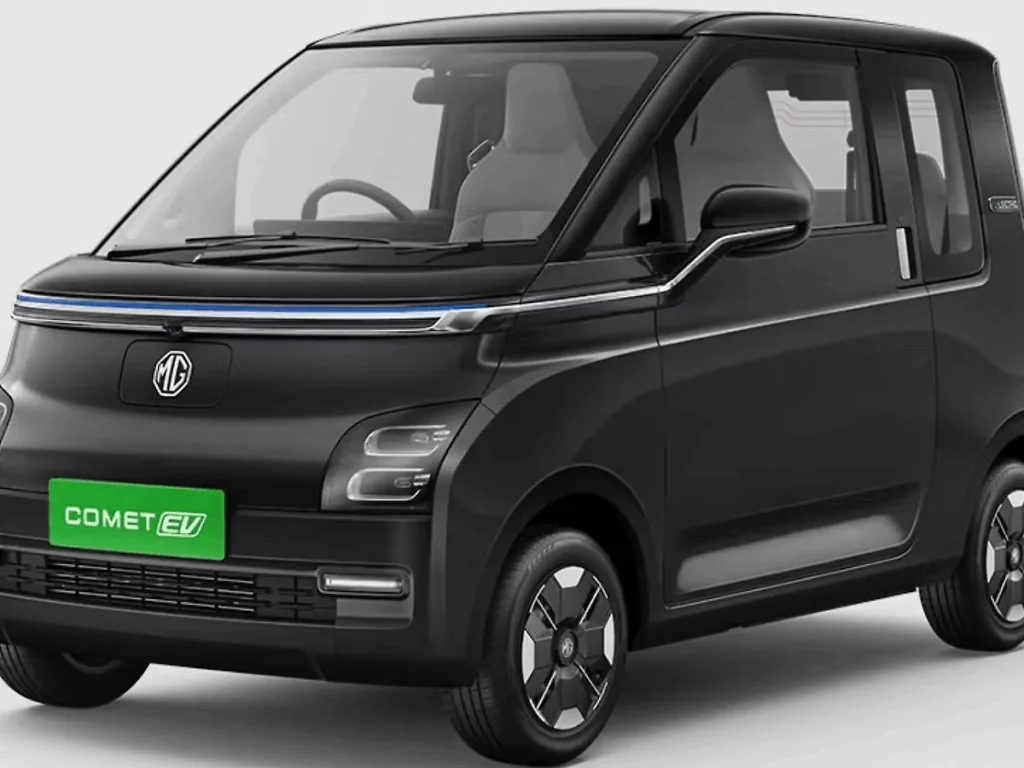
Imagine squeezing through Delhi’s traffic with zero guilt about emissions. That’s the promise of the MG Comet EV—India’s quirky, pocket-sized electric revolution that’s redefining urban mobility one silent kilometer at a time.

Whether you’re a first-time EV buyer or someone tired of hefty fuel bills, this comprehensive guide breaks down everything you need to know about the MG Comet EV’s price, variants, and features.

MG Comet

MG Comet EV Price Breakdown (2025)

The MG Comet EV starts at ₹7.50 lakh and goes up to ₹9.56 lakh (ex-showroom). Here’s what makes each variant special:

VariantEx-Showroom PriceKey Highlights
Executive₹7.50 LakhBase model, essential features
Excite₹8.20 Lakh (approx.)Mid-tier with better connectivity
Exclusive₹8.78 LakhTop variant with premium features
FC (Fast Charging) Variants+₹35,8007.4kW AC fast charging option

What Powers This Tiny Marvel?

Battery & Range: The Heart of the Matter

The MG Comet EV packs a 17.3 kWh prismatic Li-ion battery that delivers a claimed range of 230 km on a single charge. In real-world conditions? Expect around 191 km—still impressive for city driving.

Charging Times:

  • Standard 3.3kW charger: 7 hours (0-100%)
  • 7.4kW AC fast charger: 3.5 hours (0-100%)
  • Important: No DC fast charging support

Performance Specs at a Glance

SpecificationDetails
Motor TypePermanent Magnet Synchronous (Rear-wheel drive)
Power Output42 PS (41 bhp)
Torque110 Nm
TransmissionAutomatic (Rotary dial)
Top SpeedAdequate for city driving

Features That Surprise and Delight

Tech-Savvy Interior

The Comet EV punches above its weight with features you’d expect in pricier vehicles:

  • 10.25-inch touchscreen infotainment system (except Executive variant)
  • Wireless Android Auto and Apple CarPlay
  • i-SMART technology with 55+ connected car features and 100+ voice commands
  • Seamless digital instrument cluster

Safety First

The IP67-rated battery has undergone 16 rigorous safety tests, plus you get:

  • Dual airbags
  • ABS with EBD
  • Rear parking sensors and camera
  • Electronic Stability Program (top variant)
  • Hill hold control
  • Impressive 8-year or 1.2 lakh km battery warranty

The Real-World Experience

image 141 MG Comet EV Price 2025: Complete Range, Variant & Features Guide

Who Should Buy It?

Perfect for:

  • Daily city commuters navigating tight spaces
  • Nuclear families looking for a second car
  • Environmentally conscious buyers on a budget
  • Anyone tired of spending ₹5,000+ on petrol monthly

Not ideal for:

  • Highway warriors
  • Single-car families needing versatility
  • Those requiring frequent long-distance travel

Design & Practicality

The Comet EV seats four passengers comfortably and comes in eye-catching colors:

  • Dual-Tone Apple Green with Starry Black
  • Dual-Tone Candy White with Starry Black
  • Aurora Silver (monotone)
  • Starry Black (monotone)
  • Candy White (monotone)

The compact dimensions (2,974mm length × 1,505mm width × 1,640mm height) make parking a breeze, with a turning radius that’ll make you smile in crowded markets.

Cost of Ownership: The Sweet Part

Here’s where the Comet EV truly shines:

Monthly Running Costs:

  • As low as ₹519/month for electricity (compared to ₹5,000+ for petrol cars)
  • Service costs: ₹7,214 for 5 years (approximate)
  • EMI: Starting at ₹15,705/month for 60 months

The Verdict: Is It Worth It?

The MG Comet EV isn’t trying to be your family’s only car—and that’s okay. It’s laser-focused on being the best urban commuter money can buy at this price point.

Yes, the lack of DC fast charging stings. And yes, the 191 km real-world range means you’re not road-tripping to Jaipur. But for zipping through city traffic, finding parking spots that don’t exist, and saving thousands on fuel? The Comet EV is borderline brilliant.

Bottom line:

If your daily commute is under 80 km and you value features, warranty, and running costs over highway capability, the MG Comet EV at ₹7.50 lakh makes a compelling case.

ACS Energy Secures ₹1.1 Crore to Boost Its Nationwide UPI EV Charging Network

0
ACS Energy Secures ₹1.1 Crore

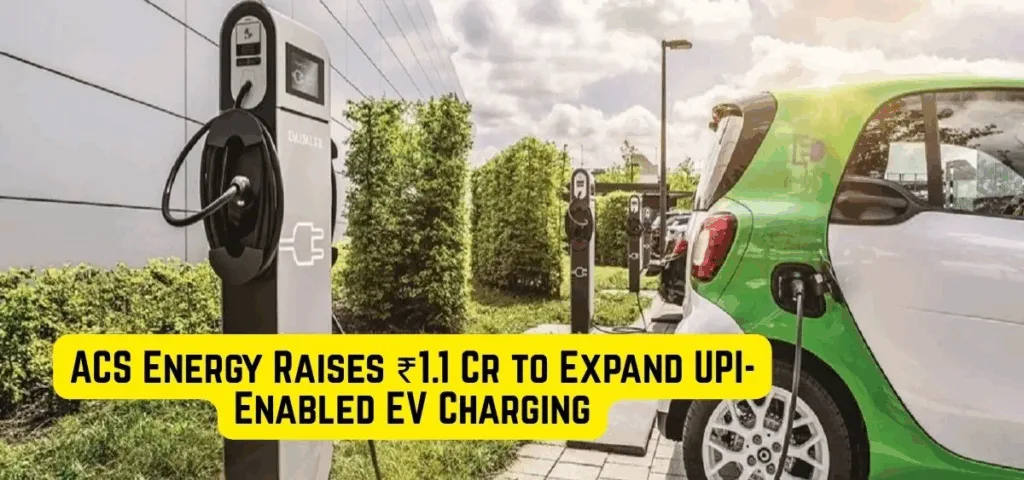
ACS Energy is a Mumbai-based electric vehicle charging infrastructure startup. It has secured INR 1.1 crore in a pre-seed funding round led by Inflection Point Ventures. ACS Energy, founded in 2022, is creating EV charging solutions that work for all types of vehicles—two-wheelers, three-wheelers, and four-wheelers. Their goal is to make electric vehicle charging easy, safe, and accessible for everyone.

One of the biggest problems in India is that many people live in high-rise apartments or large residential townships where installing EV chargers is difficult. Buildings may not have proper wiring, space, permissions, or safety systems to support chargers. ACS Energy solves these issues by offering a smart combination of hardware (like compact charging units) and software (for energy monitoring, payments, and safety controls).

image 142 ACS Energy Secures ₹1.1 Crore to Boost Its Nationwide UPI EV Charging Network
ACS Energy Secures ₹1.1 Crore

ACS Energy operates as Ayka Control Systems Pvt. Ltd 

This is its official corporate identity under which it operates, complies with government regulations, and builds its technology and products.

Ayka Control Systems positions itself as India’s first EV charging platform to integrate UPI payment functionality directly into its charging stations.

Direct UPI Payments at Charging Points
Unlike older EV chargers that required separate apps, RFID cards, or wallets, this platform allows users to simply scan a QR code at the charging point and pay instantly through any UPI-supported app like PhonePe, Google Pay, Paytm, or BHIM.

No Mandatory App Downloads
Users are not forced to install a dedicated app just to charge their EV. This reduces friction and makes the charging experience extremely convenient—especially for first-time EV users.

Faster & More Accessible Charging Process
Since UPI is the most widely used digital payment method in India, integrating it helps ensure:

  • faster transactions
  • lower payment failure rates
  • support for rural and semi-urban areas where EV adoption is growing

India’s electric vehicle boom is accelerating—and one startup is quietly powering the shift. ACS Energy, led by CEO Jash Sheth and Co-Founder/COO Mihir Bhanushali, just raised fresh capital that will supercharge EV charging access across the country. With an eye on innovation and mass adoption, the company is gearing up for a major expansion that could redefine the EV charging experience for millions.

ACS Energy Secures ₹1.1 Crore

🚀 A Founder Story Rooted in Engineering Excellence

Before launching ACS Energy, Jash Sheth built his career in India’s nuclear power sector—a background that shaped his precision-driven approach to clean energy. He also helped scale multiple startups to multi-million-dollar valuations, making ACS Energy his next big leap.

Together with Mihir Bhanushali, the duo is now focused on solving one of India’s biggest EV challenges: accessible, reliable charging.

⚡ What the New Funding Will Power

ACS Energy plans to deploy 5,000+ UPI-enabled EV charging stations across Maharashtra and Gujarat, making charging as easy as scanning a QR code.

But that’s not all—part of the capital is also directed toward building AI-powered Energy Management Systems (EMS) for high-rise buildings. These systems help optimize:

  • Power distribution
  • Load balancing
  • Grid safety
  • Energy efficiency

🌍 Current Footprint & Expansion Plans

ACS Energy already operates in major EV growth hubs:

City / RegionCurrent Presence
Mumbai✔️ Active
Pune✔️ Active
Ahmedabad✔️ Active
Kerala✔️ Active
Surat✔️ Active

With EV adoption rising rapidly, the company plans to enter more markets in 2025 and beyond.

image 143 ACS Energy Secures ₹1.1 Crore to Boost Its Nationwide UPI EV Charging Network

📈 The Market: A Multi-Billion-Dollar Opportunity

India’s EV charging infrastructure market is on a steep climb.

Market2025 Value2032 ProjectionCAGR
India EV Charging$450M$13B30%+
Global EV Charging$400B by 2034

A major push comes from the PM E-DRIVE scheme, backed by ₹10,900 crore, set to fuel public and residential charging networks nationwide.

🏢 About Inflection Point Ventures

Inflection Point Ventures, the key investor in this round, has invested ₹800+ crore across 250+ startups and operates an angel network with 24,000+ members. They also manage Physis Capital, a $50M fund supporting Pre-Series A to Series B startups.


🔌 The Road Ahead

With smart, UPI-enabled chargers and AI-driven energy systems, ACS Energy is betting big on India’s shift to clean mobility. And as EV adoption climbs, their tech-first approach could become the backbone of urban charging infrastructure.

If the next decade belongs to EVs, companies like ACS Energy are ensuring India stays in the fast lane.

Chennai EV Charging Stations: Relux Electric’s Bold Move

0
Chennai EV Charging Stations: Relux Electric's Bold Move

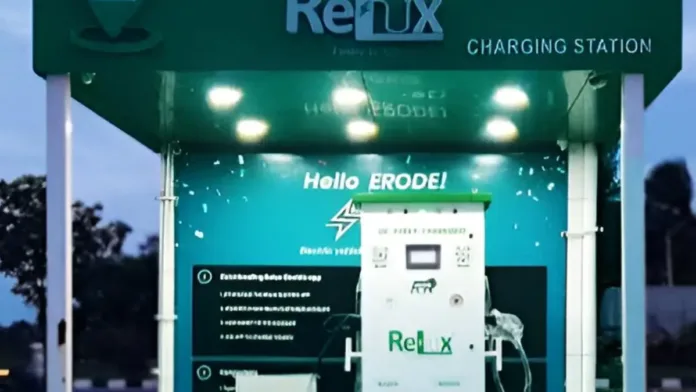
Picture this: You’re driving your electric car through Chennai’s bustling streets, and your battery indicator starts flashing. Panic? Not anymore. Chennai is about to become significantly more EV-friendly, and Relux Electric is leading the charge—literally.

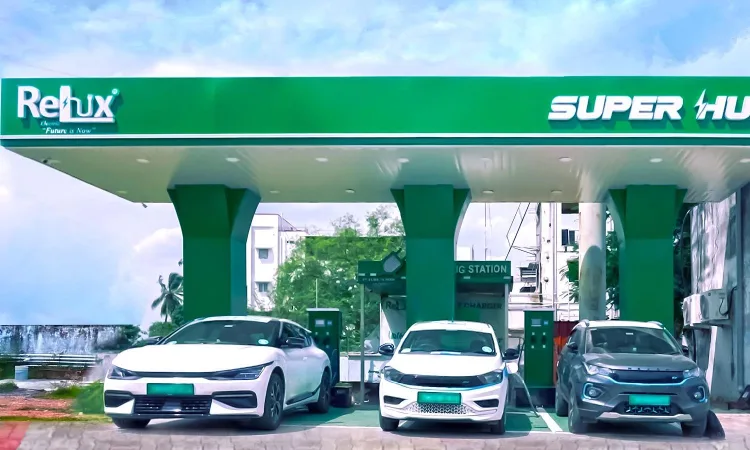
The Chennai-based charging infrastructure provider is partnering with the Chennai Corporation to install multiple EV charging stations across the city, marking another milestone in Tamil Nadu’s journey toward becoming India’s electric mobility capital.

image 136 Chennai EV Charging Stations: Relux Electric's Bold Move

Why This Matters for Chennai Drivers

For too long, EV owners in Chennai have played a risky game of “charging station roulette.” Will I find one? Will it work? Will there be a queue? Relux Electric’s expansion with Chennai Corporation aims to eliminate these anxieties once and for all.

This isn’t just about convenience—it’s about transforming how Chennai moves.

Relux Electric: From Startup to South India’s EV Champion

Founded in 2019, Relux Electric has become something remarkable: India’s only operationally profitable Charge Point Operator (CPO). Let that sink in. While competitors burn cash, Relux is actually making money.

Their Secret Sauce:

  • 40% asset utilization (double the industry average)
  • In-house design and maintenance team
  • Downtime measured in hours, not days
  • Strategic partnerships with Audi and Kia
MetricRelux ElectricIndustry Average
Asset Utilization40%20%
DowntimeFew hoursDays
Current Network80+ stationsVaries
Charging Capacity30-120 kWVaries

The Bigger Picture: Tamil Nadu’s EV Revolution

It isn’t operating in isolation. Relux Electric has already committed ₹330 crore toward developing ultra-fast charging hubs across Tamil Nadu over the next five years. The company recently partnered with Tamil Nadu Green Energy Corporation Limited (TNGECL) to deploy 500 EV charging stations statewide.

The Roadmap:

  • 150 fast-charging stations in Tamil Nadu
  • 5 ultra-fast charging hubs (500 kW each)
  • Pan-India network expansion to 500 stations
  • Total capacity: 50 MW

What Makes Relux Stations Different?

Speed That Impresses

Forget waiting around for hours. Relux’s ultra-fast charging infrastructure delivers:

  • Three-wheelers: 10-minute charging time
  • Four-wheelers: 18-minute charging time

That’s barely enough time to grab a coffee.

Technology That Works

Relux stations feature:

  • DC fast chargers (30-120 kW capacity)
  • Mobile app access for seamless payments
  • Real-time availability tracking
  • Strategic locations at hotels, toll plazas, and highways
image 137 Chennai EV Charging Stations: Relux Electric's Bold Move

Coverage Across South India

Currently operational in:

  • Tamil Nadu
  • Andhra Pradesh
  • Telangana
  • Kerala
  • Karnataka
  • Puducherry

The Chennai Advantage: Why This City?

Chennai isn’t just Tamil Nadu’s capital—it’s India’s largest automotive hub. With major manufacturers like Hyundai, Renault-Nissan, and Ford operating here, the city has automotive DNA running through its streets.

The state government’s progressive EV policies combined with it’s industrial muscle create the perfect ecosystem for electric mobility to thrive.

What This Means for You

If you’re an EV owner:

  • More charging options = less range anxiety
  • Faster charging = more productive day
  • Better infrastructure = higher resale value for your EV

If you’re considering buying an EV:

  • The charging infrastructure gap is closing fast
  • Chennai is becoming genuinely EV-ready
  • Your timing couldn’t be better

If you’re a business owner:

  • Relux offers franchise opportunities with zero investment
  • Passive income potential from hosting charging stations
  • Brand visibility in the booming EV space

The Road Ahead

Relux Electric’s expansion in Chennai represents more than infrastructure development—it’s a statement of confidence in India’s electric future. With their track record of profitability and operational excellence, they’re proving that sustainable business and sustainable transportation can coexist.

As Chennai’s charging network densifies, the question shifts from “Can I own an EV in Chennai?” to “Why haven’t I switched yet?”

The future of mobility is electric, and in Chennai, it’s arriving faster than you think—probably in about 18 minutes, if you’re charging at a Relux station.

Ready to go electric? The infrastructure is finally catching up with your ambitions. And with Relux Electric’s aggressive expansion, range anxiety might soon become a quaint memory of the combustion engine era.

Visit reluxelectric.com to locate your nearest charging station or explore franchise opportunities.

Tamil Nadu EV Charging Mandate Transforms Real Estate

0
Tamil Nadu EV Charging

Picture this: You’re house-hunting in Chennai, and the property agent mentions something that catches your attention—”Every parking spot comes with its own EV charging point.” Welcome to the future of real estate in Tamil Nadu, where green mobility meets modern living.

Tamil Nadu EV Charging

The Bold New Rule That’s Changing Everything

Tamil Nadu’s Housing and Urban Development Department just dropped a game-changing mandate: all new residential, commercial, and large buildings must now include electric vehicle charging infrastructure. This isn’t just another regulation gathering dust—it’s a complete reimagining of how we build our cities.

The department officially amended the Tamil Nadu Combined Development and Building Rules, 2019, making EV charging a built-in feature rather than an afterthought. Think of it as future-proofing your property investment.

What Does This Mean for You?

For Homebuyers and Residents

Every single parking slot—whether for your car or two-wheeler—must have its own EV charging point. No more fighting over who gets to charge first or running extension cords from your third-floor apartment.

For larger residential complexes with more than 50 dwelling units, even visitor parking spaces must include fast-charging points. Your guests driving EVs? They’re covered too.

The Smart Exemptions

Not everyone’s affected equally. Smaller residential buildings below 14 meters in height, those with 8 or fewer dwelling units, or properties with less than 750 square meters of built-up area get a pass. The government understands one size doesn’t fit all.

Commercial Properties: The 10% Rule

Here’s where it gets interesting for business owners and commercial developers. Projects with a Floor Space Index (FSI) area exceeding 300 square meters must reserve at least 10% of parking spaces for EVs with fast-charging capabilities.

What This Covers:

Property TypeRequirement
Shopping Malls10% EV parking with fast charging
Office Buildings10% EV parking with fast charging
Hotels10% EV parking with fast charging
Industrial Facilities10% EV parking with fast charging

Why This Is Brilliant for Real Estate

Real estate developers now have a golden opportunity. This reform aligns with Tamil Nadu’s Electric Vehicle Policy 2023, which emphasized that charging infrastructure should be planned at the design stage, not added later.

Properties with integrated EV charging instantly become more attractive to:

image 135 Tamil Nadu EV Charging Mandate Transforms Real Estate
  • Environmentally conscious buyers
  • Tech-savvy millennials and Gen Z
  • Forward-thinking businesses
  • Premium segment customers

The Bigger Picture

Officials say this marks a key step in Tamil Nadu’s broader vision to establish itself as India’s electric mobility leader, ensuring clean, sustainable, and convenient transport for the future.

The numbers tell a compelling story: Tamil Nadu has signed MOUs with investment interest of nearly ₹24,000 crores in the EV value chain, with employment potential of 48,000 jobs.

What Happens Next?

For existing buildings, there’s good news. The policy encourages apartment complexes with more than 50 families and residential townships with over 500 families to voluntarily install charging points. Hotels, malls, and cinema halls are also advised to follow suit.

The Real Estate Advantage

Property developers who embrace this mandate aren’t just complying with regulations—they’re creating future-ready communities. Imagine marketing your property with:

  • “100% EV-ready parking”
  • “Fast-charging visitor zones”
  • “Green mobility certified”

These aren’t just buzzwords; they’re genuine selling points that differentiate your offerings in a competitive market.

Final Thoughts

Tamil Nadu hasn’t just passed a regulation; it’s laid the groundwork for a transportation revolution. For real estate developers, this is your chance to lead, not follow. For homebuyers, this ensures your investment stays relevant as India accelerates toward electric mobility.

The question isn’t whether EVs are coming—they’re already here. The question is: Will your property be ready for them?

Key Takeaway: This comprehensive EV charging mandate transforms Tamil Nadu’s real estate landscape, making every new property an active participant in India’s green future while giving developers a unique market advantage.

Bolt.Earth IPO Plan: Road to Profitability & Expansion

0
Bolt.Earth IPO Plan

Imagine controlling 63% of an entire country’s charging infrastructure while competitors struggle to reach double digits. That’s exactly where Bolt.Earth stands today—and they’re about to make history.

Bolt.Earth IPO Plan

The Game-Changing Announcement

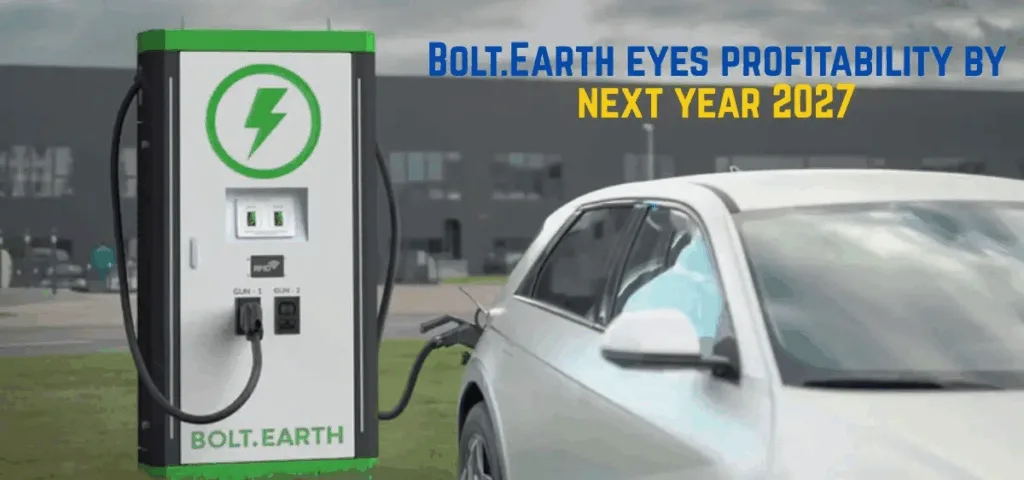
India’s largest electric vehicle charging network, Bolt.Earth, expects to turn profitable in FY27, followed by an IPO shortly after, making them potentially the first EV charging network provider globally to achieve profitability. In an industry where burning cash is the norm, this Bengaluru-based startup is rewriting the playbook.

The Numbers That Tell the Story

Here’s what makes Bolt.Earth’s journey remarkable:

MetricCurrent StatusFuture Target
Market Share63% of India’s public chargingExpanding
Chargers Deployed100,000+ across 1,800 cities1 million annually by 2028
Revenue (FY25)~$5 million$20 million (FY26)
CoveragePan-India (including Lakshadweep)Global expansion planned

The Secret Sauce: An Airbnb Model for Charging

While competitors deploy chargers at their own cost and wait years to recover investments, Bolt.Earth operates on an Airbnb-style model, partnering with hosts like apartments, commercial buildings, and office complexes to set up charging stations. This contrarian approach is their ticket to early profitability.

Think about it: Instead of owning every charger, they empower others to host them. The result? Rapid deployment without massive capital expenditure.

Why India Needed This Different Approach

While many players rushed into four-wheeler fast charging mimicking Western markets, Bolt.Earth prioritized accessible charging for two and three-wheelers—vehicles that account for nearly 90% of India’s roads, with over 60% of new three-wheelers already electric and two-wheeler EV penetration climbing toward 40%.

They understood what others missed: India isn’t America or Europe. The real volume is in scooters and auto-rickshaws, not sedans.

From Startup to Industry Leader: The Journey

2017: Started as an operating system for EVs (since phased out)

2020: Pivoted to EV charging infrastructure

2023: Raised $20 million, deployed 30,000 charging points

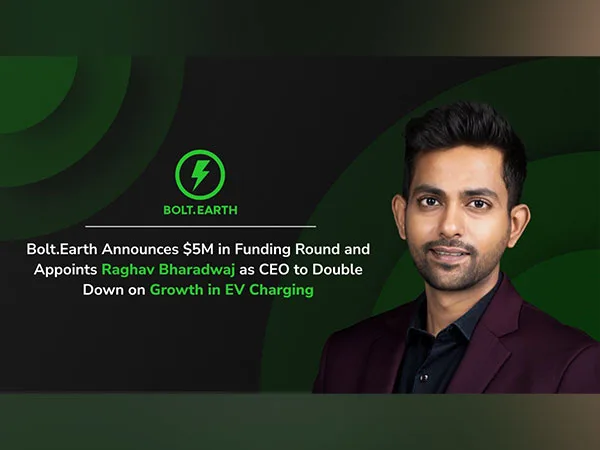
2025: Raised additional $5 million in Series A+ round led by Version One Ventures, appointed S. Raghav Bharadwaj as CEO

2026: Profitability target

2027: IPO expected

The Vertical Integration Advantage

What sets Bolt.Earth apart? They control everything:

  • Hardware: Building their own chargers (3.3 kW to 240 kW)
  • Software: Proprietary charging management system
  • Services: Installation, maintenance, 24/7 support

This vertically integrated approach allows them to control the end-to-end charging experience and scale quickly, from utility companies to EV users.

Strategic Partnerships Powering Growth

Bolt.Earth isn’t going solo. They’ve partnered with heavyweight brands:

  • Bajaj
  • Mahindra
  • Ather Energy
  • Piaggio
  • Siemens
  • SAP
  • American Express
  • Brigade Group

Plus, their integration with ChargeZone added over 350 fast chargers to their network, positioning the Bolt.Earth app as a one-stop solution where users can seamlessly access and pay for charging services from any provider.

The Innovation Pipeline

Bolt.Earth isn’t standing still. They’re developing:

  • Blaze DC: Fast chargers for two and three-wheelers
  • Lightning DC Series: Ultra-fast chargers up to 240 kW for four-wheelers
  • Interoperability Platform: Making all charging networks accessible through one app
Bolt.Earth IPO Plan

Real People, Real Impact

From the owner of an apartment complex in Bangalore: “We’ve been using their service for over two years now. From installation to the app and fast chargers, everything has been seamless. Plus, having a dedicated team to resolve any issues makes a huge difference!”

The Road to 1 Million Chargers

Having already deployed over 100,000 chargers across 1,800 cities and towns, the company aims to deploy 1 million chargers annually by 2028. That’s aggressive growth by any measure—equivalent to adding nearly 2,740 chargers every single day.

What Makes Profitability Possible?

Unlike traditional charging networks that operate chargers themselves and wait years for ROI, Bolt.Earth’s model generates revenue immediately:

  1. Upfront sales of charging hardware to hosts
  2. Software subscription fees for their management platform
  3. Service contracts for maintenance and support
  4. Transaction fees from charging sessions

The IPO Timeline: What to Expect

CEO Raghav Bharadwaj stated they’re on track to become profitable early in 2026, likely the first EV charging company in the world to do so, with plans to explore additional funding and IPO options shortly after achieving profitability.

For investors, this represents a rare opportunity: a company in the booming EV sector that’s actually making money, not just promises.

Why This Matters for India’s EV Revolution

With the Indian government targeting 30% EV market share by 2030, charging infrastructure is the critical bottleneck. Bolt.Earth’s rapid expansion addresses this head-on, particularly in Tier-II and Tier-III cities where EV adoption is surging.

The company’s 90-95% focus on private charging environments—homes, apartments, workplaces—reflects where most charging actually happens, rather than overinvesting in public fast-charging that accounts for only a small share.

The Global Ambition

This isn’t just an India story. Bolt.Earth has expansion plans for Asia, Europe, South America, and Latin America. With their proven model and backing from investors like Union Square Ventures, Version One Ventures, and Prime Venture Partners, global domination isn’t far-fetched.

Final Thoughts

In a world where most EV charging companies are still figuring out how to stop losing money, Bolt.Earth is preparing to go public as a profitable enterprise. Their Airbnb-inspired model, India-first strategy, and vertical integration have created something rare: a sustainable business in an unsustainable industry.

For CEO Raghav Bharadwaj and his team, the message is clear: profitability first, IPO next, then world domination.

Honda’s Biggest Threat: China’s EV Makers, Not Tariffs

0
Honda's Biggest Threat: China's EV Makers, Not Tariffs

Picture this: Honda, the legendary Japanese automaker that once dominated Southeast Asia unchallenged, is now watching its empire crumble—not because of U.S. tariffs or chip shortages, but because of something far more dangerous. Chinese EV makers are quietly conquering the very markets Honda built.

Honda's Biggest Threat: China's EV Makers, Not Tariffs

The Numbers Don’t Lie

Honda just slashed its full-year profit outlook by one-fifth and cut its Asian sales target by over 10%—from 1.09 million to 925,000 vehicles. What was supposed to be a 5,000-unit decline has ballooned to 75,000 fewer cars. Yes, tariffs hurt. Yes, chip shortages sting. But the real dagger? BYD and other Chinese EV makers systematically dismantling Honda’s Southeast Asian stronghold.

The Southeast Asian Collapse

Honda’s once-impenetrable fortress is cracking. Here’s the carnage across key markets in just nine months:

MarketSales DeclineImpact
Indonesia-30%Catastrophic plunge
Malaysia-18%Steady erosion
Thailand-12%Losing ground fast
Overall Asia Target-165,000 unitsFrom 1.09M to 925K

An industry source put it bluntly: “Southeast Asia is starting to be significantly impacted by Chinese players. The growth of Chinese EVs in Thailand over the past two years has been extraordinary.”

What Makes Chinese EV Makers So Dangerous?

While Honda debates mergers and counts tariff costs, Chinese manufacturers like BYD are fleeing a brutal price war at home by aggressively expanding overseas. They’re not just selling cars—they’re rewriting the rules with:

Price Disruption: EVs that undercut traditional vehicles by 30-40%

Speed to Market: New models launched in months, not years

Local Production: Setting up factories faster than Honda can plan them

Technology Edge: Battery innovation that leaves legacy automakers scrambling

Honda’s Innovation Drought

Here’s the killer: Honda has no new models planned for Southeast Asia from this fiscal year into next, except an overhaul of the City compact sedan. Imagine standing still while your competitors sprint past you with electric vehicles that cost less, perform better, and arrive faster.

That’s not strategy—that’s surrender.

The Tariff and Chip Crisis: Real but Manageable

Don’t misunderstand—the $2.6 billion tariff hit and chip shortages forcing factory shutdowns in Mexico, the U.S., and Canada are serious. Honda’s shares tumbled 4.7% after the announcement and are down 1.4% year-to-date while the Nikkei 225 surged 28%.

But these are temporary storms. The Chinese EV invasion? That’s climate change.

The Financial Devastation Breakdown

Financial ImpactAmountSource
U.S. Tariffs¥385B ($2.6B)Better than ¥450B feared
Chip Shortage¥150B ($995M)Production disruptions
EV One-Off Costs¥224B ($1.5B)First half FY2025
Operating Profit Cut¥550B vs ¥700B target21% reduction

The U.S. still accounts for 42% of Honda’s global sales and grew 4% year-over-year—proving North America remains solid despite challenges. Southeast Asia, however, is hemorrhaging.

The India Pivot: Strategic Retreat or Smart Move?

Japanese automakers are now turning to India, a market that remains largely closed to Chinese EV makers. Honda announced it will make India a production and export base for its planned electric cars, while Toyota and Suzuki announced $11 billion in combined investments.

Is this genius or desperation? Perhaps both. India offers:

  • Protection from Chinese competition
  • Growing middle class
  • Government EV incentives
  • Manufacturing cost advantages

But here’s the catch: India won’t replace Southeast Asia’s volumes, and Chinese manufacturers won’t stay blocked forever.

The Merger That Never Was

Honda and Nissan explored a merger until talks collapsed in February. Industry analysts were brutal in their assessment: “A merger of Honda with Nissan or Mitsubishi would currently be an alliance of the weak.”

Three struggling companies don’t create one strong one—they create one large struggling company. Honda knows this, which is why they’re going it alone despite the headwinds.

BYD’s Thailand Domination: A Warning

Thailand perfectly illustrates the Chinese strategy. Two years ago, BYD was barely visible. Today? Their growth has been “extraordinary” according to industry insiders—code for “we’re watching market share evaporate in real-time.”

BYD didn’t just enter Thailand; they conquered it by:

  1. Building local production facilities
  2. Pricing aggressively below Honda equivalents
  3. Offering modern EV technology Honda can’t match
  4. Creating extensive charging networks
  5. Partnering with local dealers and financiers
Honda's Biggest Threat: China's EV Makers, Not Tariffs

What Honda Should Do (But Probably Won’t)

The prescription is clear:

  • Accelerate EV launches in Southeast Asia immediately
  • Price competitively even if margins suffer short-term
  • Partner with battery suppliers to control costs
  • Build local EV production in Indonesia, Thailand, Malaysia
  • Leverage India as an EV manufacturing hub for export

But legacy automakers don’t pivot fast. That’s why Tesla ate their lunch in the West, and BYD is eating their dinner in the East.

The Uncomfortable Truth

Honda cut its annual profit outlook by one-fifth citing EV costs and chip shortages. Wall Street analysts expected an increase; Honda delivered a massive miss. Shares fell 1.4% this year while the benchmark Nikkei 225 rose nearly 28%.

Markets are pricing in a grim reality: Honda is losing the EV race not to Tesla, but to Chinese manufacturers most Americans have never heard of.

Looking Ahead: Can Honda Survive?

it won’t disappear. The U.S. market remains strong, and their brand equity is real. But their position as a dominant Asian automaker? That’s already gone.

The question isn’t whether Chinese EV makers will continue expanding—they will. The question is whether it can adapt fast enough to remain relevant in markets they once owned.

The Bottom Line

Tariffs and chips are headlines. Chinese EV makers are the story.

While it estimates a $2.6 billion tariff impact and deals with chip shortages, they’re losing entire markets to competitors who build better electric vehicles faster and cheaper. That’s not a temporary setback—it’s an existential crisis.

For Honda, the real battle isn’t in Washington or with semiconductor suppliers. It’s in Jakarta, Kuala Lumpur, and Bangkok—and right now, they’re losing.

The wake-up call? When the markets you built for decades fall to competitors in just two years, you don’t have a tariff problem. You have a strategy problem.

And strategy problems are much harder to fix than trade disputes.

Honda EV Gets Simulated Gear Shifts: Engine Feedback and Drive Electric

0
Honda EV

Here’s something nobody saw coming: Honda’s about to make electric vehicles feel like driving your old VTEC Honda—complete with gear shifts you can feel, engine sounds you can hear, and even that satisfying kickdown when you floor it. No, it hasn’t lost its mind. They’ve cracked the code on making EVs emotionally engaging.

Honda EV

The Problem Honda Is Solving: EVs Are Too… Smooth

Electric vehicles are brilliant—instant torque, whisper-quiet operation, zero emissions. But for driving enthusiasts raised on screaming naturally-aspirated engines and perfectly timed downshifts, EVs can feel clinical. Soulless, even.

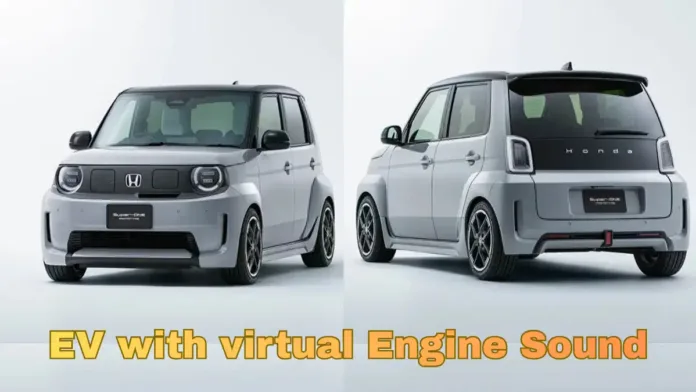
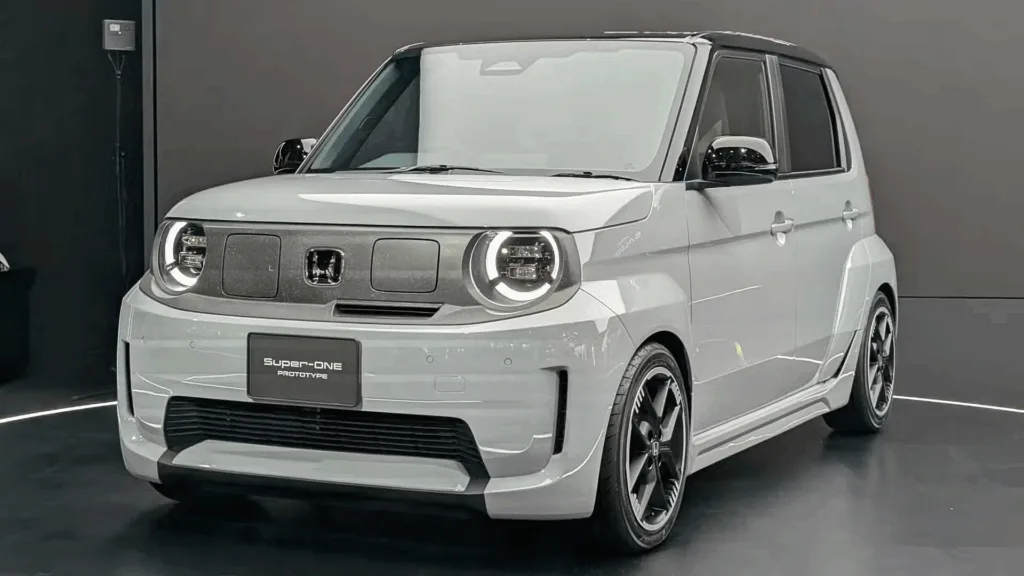
It listened to the complaints and responded with something radical: the 7-speed simulated transmission debuting in the Super-ONE prototype and coming to future Honda EVs. This isn’t fake theater—it’s sophisticated engineering that manipulates real motor behavior to recreate ICE sensations.

Honda Super-ONE: Where It All Begins

The technology debuts with the Super-ONE Prototype showcased at the Japan Mobility Show 2025. This compact Kei-car-sized EV is scheduled for launch in Japan in 2026, followed by UK and Asian markets.

Honda Super-ONE Key Specifications

FeatureSpecification
SegmentA-segment compact EV (Kei car class)
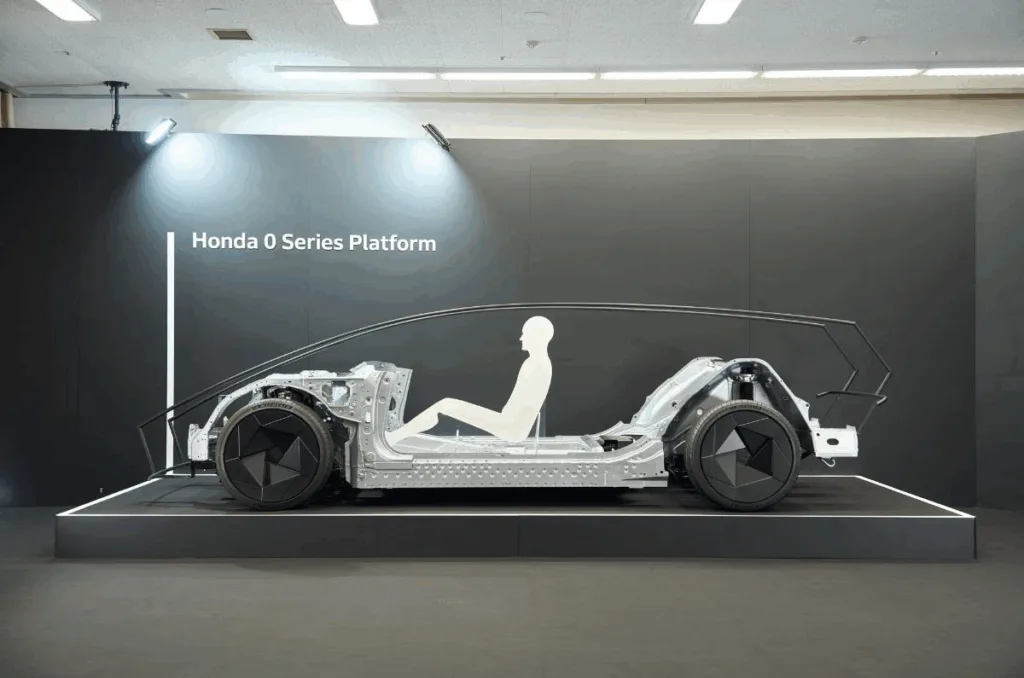
PlatformNew lightweight EV architecture
Battery PositionLow-mounted, center-positioned thin pack
Weight ClassOne of the lightest bodies in A-segment EVs
Center of GravityLower than conventional gasoline compact cars
Simulated Transmission7-speed with Active Sound Control
Drive ModesStandard + Boost Mode
Launch TimelineJapan 2026, UK/Asia later
Target MarketsGlobal (India-bound 0 Series EVs may also get tech)

The thin battery pack positioned low and centered improves both balance and handling, delivering high responsiveness to driver inputs and stable cornering—the foundation it needed before adding simulated driving dynamics on top.

How The 7-Speed Simulation Actually Works

This isn’t just sound effects through speakers. Honda’s system is frighteningly sophisticated:

Real-Time Calculations:

  • Simulated engine speed and gear positions calculated continuously
  • Based on accelerator input, vehicle speed, and cornering behavior
  • Driving force and response optimized for each “gear”
  • Creates genuine sense of oneness between driver and vehicle

Physical Sensations:

  • Kickdown shock during hard acceleration (mimics downshifting)
  • Fuel cut simulation during deceleration (temporary power interruption like ICE engines)
  • Sharp gearshift feel through motor torque manipulation
  • Paddle shifters allow manual “shifting” control

Audio Integration:

  • Active Sound Control generates engine sounds synchronized with acceleration
  • Sound profiles vary by selected vehicle character (CRX, Formula 1, NSX, S2000 modes confirmed for testing)
  • Volume and tone adjust based on throttle position and “gear”

It successfully integrated the driving feel developed through years of ICE development into its EVs, bridging emotional connection without sacrificing EV benefits.

Boost Mode: Unleashing Full Performance

Beyond the simulated transmission, It developed Boost Mode exclusively for the Super-ONE and future performance EVs.

When activated, Boost Mode:

  • Increases power output to maximum capacity
  • Synchronizes the 7-speed simulation for aggressive shifting
  • Amplifies engine sound through Active Sound Control
  • Delivers sharp gearshift sensations

It’s the electric equivalent of it’s legendary VTEC engagement—that moment where everything comes alive and the car transforms from commuter to canyon carver.

image 129 Honda EV Gets Simulated Gear Shifts: Engine Feedback and Drive Electric

S+ Shift: Hybrids Get The Same Magic

Honda isn’t restricting this technology to pure EVs. The S+ Shift system debuting in the 2026 Prelude brings similar simulated shifting to Honda’s next-generation e:HEV hybrids.

S+ Shift System Overview

FeatureDetails
Debut Vehicle2026 Honda Prelude (hybrid coupe)
Transmission Typee:HEV with lockup clutch (no CVT belts)
Simulated Gears8-speed automatic feel
Control MethodReal engine RPM manipulation + electric motor coordination
Manual ControlPaddle shifters for driver engagement
Sound SystemActive Sound Control synchronized with shifts
Coming ToNext-gen Civic Hybrid, Accord Hybrid, CR-V Hybrid (2027+)

Unlike competitors like Hyundai (which uses purely virtual systems in the Ioniq 5 N), Honda manipulates actual engine RPM alongside motor output—creating more authentic sensations rather than purely synthetic effects.

The Competitive Advantage: Real Engine + Electric Motor

Honda’s approach differs fundamentally from pure EV simulation attempts:

Honda’s Method:

  • Uses real combustion engine RPM changes (in hybrids)
  • Electric motor torque manipulation creates shift shocks
  • Active Sound Control amplifies existing engine sounds
  • Lockup clutch connects/disconnects engine dynamically

Competitor Methods (Example: Hyundai Ioniq 5 N):

  • Purely virtual simulation through software
  • No mechanical connection to mimic
  • Relies entirely on speaker-generated sounds
  • Electric motor programming for sensation

Honda Vice President of Electrification Strategy confirmed they’re exploring monetization of premium features—meaning certain sound profiles (like Formula 1 or NSX character modes) might be subscription-based add-ons.

Beyond Gimmicks: Genuine Engineering Purpose

Skeptics will dismiss this as unnecessary theater, but Honda’s engineering reveals deeper purpose:

Enhanced Driver Engagement:

  • Maintains emotional connection during EV transition
  • Appeals to enthusiasts hesitant about electric powertrains
  • Preserves Honda’s “joy of driving” brand identity

Intuitive Power Management:

  • Simulated gears help drivers understand power delivery
  • Provides familiar reference points for acceleration
  • Makes EV/hybrid operation more intuitive for ICE converts

Commercial Viability:

  • Differentiates Honda EVs in crowded marketplace
  • Creates premium feature tier for higher-margin models
  • Addresses major buyer objection (EVs feel disconnected)

Coming Soon: 0 Series EVs For Global Markets

While the Super-ONE targets Japan initially, Honda’s 0 Series EVs scheduled for global launch starting in 2026 may incorporate similar technology.

Honda 0 Series Timeline:

MilestoneDate
0 Series Saloon Production (Ohio, USA)2026
First 0 Series Global Deliveries2026
Total 0 Series Models Planned7 vehicles by 2030
New 0 Series Concept RevealCES 2025 (January)
Possible India Entry2026-2027 (speculation)

Honda hasn’t officially confirmed whether 0 Series EVs will get the simulated transmission, but given the technology’s development exclusively for next-gen platforms, integration seems inevitable.

The India Connection: Will We Get It?

Honda’s statement is cautiously optimistic: “While there is no official confirmation, it is possible that these new innovations could also be introduced with the India-bound 0 Series EVs.”

Given India’s enthusiast car culture and Honda’s historical commitment to “fun-to-drive” products here (remember the City VTEC, Jazz, and Civic?), omitting this technology would be strategic misstep.

The Philosophy: Environment + Safety + Joy

At Honda’s Automotive Technology Workshop, the company reaffirmed its commitment to three pillars:

  1. Environment: Carbon neutrality for all products by 2050
  2. Safety: Zero traffic fatalities involving Honda vehicles by 2050
  3. Joy of Driving: Emotional engagement regardless of powertrain

The simulated transmission directly serves that third pillar—proving you don’t have to sacrifice driving pleasure for sustainability.

The Bottom Line: Bridging Two Eras

Honda’s approach to simulated gear shifts and engine sounds isn’t about rejecting electric vehicles—it’s about carrying forward the soul of driving into a new era.

For the generation that grew up with VTEC screaming at 8,000 RPM, the Super-ONE’s 7-speed simulation and Boost Mode offer familiar thrills without fossil fuels. For new drivers who’ve never experienced manual transmissions, it provides engaging control without intimidating clutch pedals.

Is it necessary? No.
Is it authentic? Debatable.
Will it make Honda EVs more desirable? Absolutely.

In a world where most EVs feel like appliances on wheels, Honda is betting that emotion, engagement, and engineering theater still matter—even when electrons replace explosions.

And judging by enthusiast reactions to the Super-ONE reveal, they might just be right.