Home Blog Page 15

Renault Ditches Valeo: In-House Rare-Earth-Free EV Motor

0
Renault

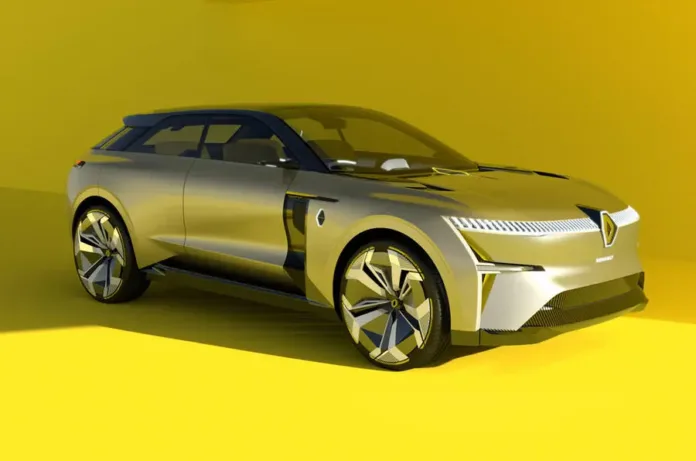
Picture this: You’re building your dream house, and halfway through construction, you decide to fire your architect and finish it yourself. That’s essentially what Renault just did in the electric vehicle world, but with much higher stakes. The French automaker has dramatically ended its partnership with Valeo to develop rare-earth-free EV motors, choosing instead to go solo with potential help from Chinese suppliers.

image 183 Renault Ditches Valeo: In-House Rare-Earth-Free EV Motor

The Shocking Partnership Breakdown

What was supposed to be France’s pride—”an innovation made in France”—has taken an unexpected turn. Renault and Valeo announced their collaboration in 2023 with ambitious plans to create more powerful, compact EV motors without using rare earth metals. Now, that partnership is history.

According to Reuters, Renault is pivoting toward cheaper Chinese suppliers, fundamentally changing its strategy in the competitive EV motor race.

Why Rare-Earth-Free Motors Matter

FactorDetails
China’s DominanceControls 70% of global rare-earth mining, 85% of refining capacity
Supply CrisisChina’s export curbs shocked the global EV industry
Industry ImpactMajor players like GM, ZF, and BorgWarner racing to develop alternatives
Renault’s ExperienceUsing rare-earth-free motors since 2012

The numbers tell a startling story. When one country controls nearly three-quarters of rare earth mining and decides to tighten the tap, the entire automotive world feels the squeeze. This isn’t just about business—it’s about energy independence and national security.

What Was Valeo Bringing to the Table?

Valeo wasn’t just along for the ride. The French supplier specialized in copper wire technology for the stator—the stationary part where the motor mounts. This expertise was crucial for developing next-generation motors that could compete without relying on Chinese rare earth materials.

So why end such a promising partnership?

The New Game Plan

Renault’s revised strategy reveals a pragmatic, if somewhat ironic, shift. According to The Times of India, two officials confirmed the E7A engine project will now be developed entirely in-house across the entire value chain—except for one component.

That exception? The stator, which might come from a Chinese supplier.

The Strategic Breakdown:

  • Motor Development: Fully in-house by Renault
  • Stator Component: Potentially sourced from China
  • Partnership Status: Valeo officially out
  • Timeline: Immediate effect

An Ampere spokesperson (Renault’s EV subsidiary) confirmed there’s “a possibility of a Chinese partner” for this critical component. Valeo, meanwhile, has declined to comment, maintaining diplomatic silence on the split.

The Irony Nobody’s Talking About

Here’s where things get interesting: Renault is ending a French partnership to avoid Chinese rare earth dependency, only to potentially source components from Chinese suppliers anyway. It’s a calculated move that prioritizes cost-effectiveness over complete supply chain independence.

This decision reflects a harsh reality in today’s EV market—Chinese manufacturing capabilities and pricing are simply too competitive to ignore, even when you’re trying to reduce reliance on Chinese materials.
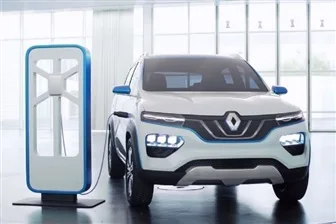
image 184 Renault Ditches Valeo: In-House Rare-Earth-Free EV Motor

The Bigger Picture

Renault isn’t alone in this quest. General Motors, ZF, and BorgWarner are all racing to develop rare-earth-free motors. The company that cracks this code first could revolutionize the EV industry, breaking China’s stranglehold on critical materials.

Since 2012, Renault has been a pioneer in rare-earth-free motor technology, giving them a significant head start. This experience might explain their confidence in going solo.

What This Means for the EV Industry

This split signals a broader trend: automakers are willing to take development in-house rather than rely on traditional supplier partnerships when strategic technologies are at stake. The days of passive car manufacturers are over—they’re becoming technology companies that happen to make vehicles.

For consumers, this could mean more affordable EVs as manufacturers find ways to reduce rare earth material costs. For the industry, it’s a wake-up call about supply chain vulnerabilities.

The race is on, and Renault just changed lanes dramatically.
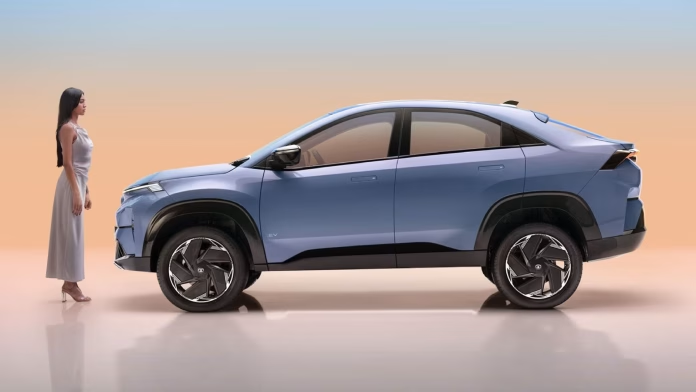
Tata Curvv New Features: Premium Upgrades Revealed 2025

0
Tata Curvv

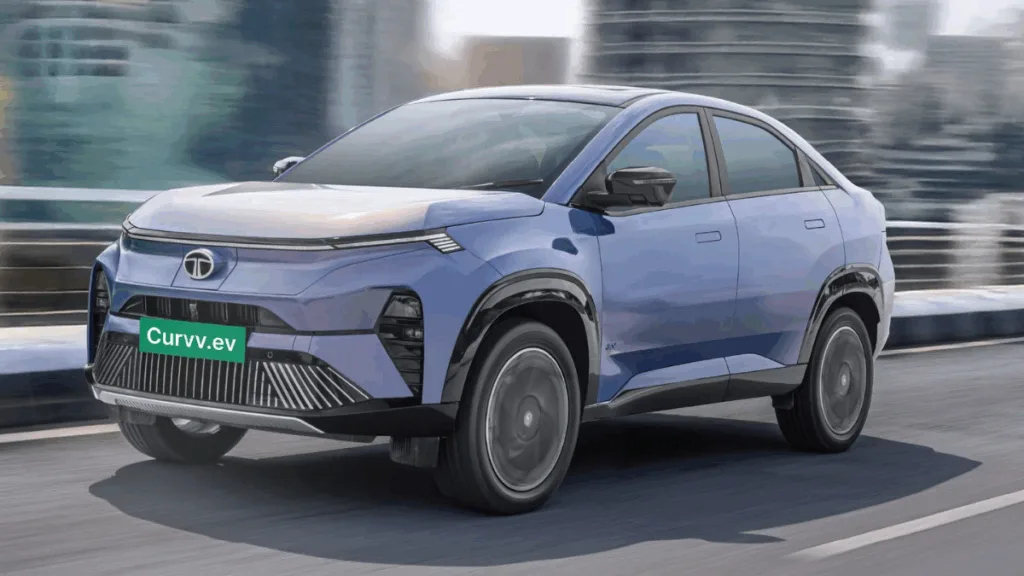
Tata Curvv, Imagine settling into your car’s back seat and feeling like you’ve just entered a first-class cabin. That’s exactly what Tata Motors is bringing to the table with their latest Curvv upgrades. The homegrown automaker has just rolled out significant enhancements that transform the Curvv from a capable SUV into a genuine luxury experience on wheels.

Tata Curvv
Tata Curvv New Features

What’s New in the Tata Curvv?

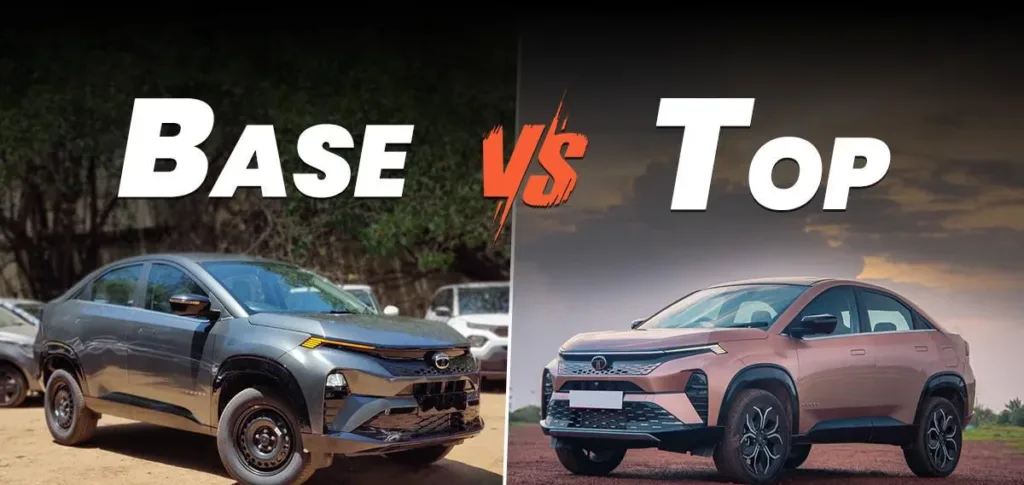
Tata Motors hasn’t just tweaked a feature here or there. They’ve reimagined the entire rear-seat experience, making both the electric Curvv.ev and ICE variants more premium than ever before. These upgrades target the Accomplished and Empowered variants, with the Curvv.ev starting at Rs 18.49 lakh (ex-showroom).

India’s First Ventilated Rear Seats

Here’s the headline feature: the Curvv now boasts India’s first R-Comfort rear seats with passive ventilation. If you’ve ever suffered through a long road trip in sweltering heat, you’ll appreciate this game-changing addition. The ventilated seats actively work to keep rear passengers comfortable during extended journeys, a feature previously reserved for luxury sedans.

Complete Feature Breakdown

Upgrade CategoryNew Features
Seating ComfortR-Comfort rear seats with passive ventilation, ErgoWing headrest (Curvv.ev), Rear co-passenger footrest (Curvv.ev)
Interior DesignLalitpur Grey interior theme, White carbon-fibre pattern dashboard insert, EasySip retractable cup docks in armrests
Climate ControlTwinZone climate concierge air-conditioning, Independent temperature control for front and rear passengers
Privacy & ComfortSerenity Screen rear sunshades

Premium Features That Matter

The EasySip retractable cup docks cleverly integrate into the armrests, eliminating the awkward cup holder placement that plagues many SUVs. The Serenity Screen rear sunshades provide privacy and protection from harsh sunlight, perfect for family trips or chauffeur-driven scenarios.

What really catches the eye is the new Lalitpur Grey interior theme paired with white carbon-fibre dashboard inserts. This combination creates an airy, sophisticated cabin atmosphere that feels more European luxury car than mainstream Indian SUV.

Tata Curvv
Tata Curvv New Features

The Chauffeur-Driven Experience

Tata Motors clearly has executive buyers in mind. The electric Curvv.ev gets exclusive features like the ErgoWing headrest and a dedicated rear co-passenger footrest. These touches transform the back seat into a mobile office or relaxation zone, features you’d typically find in vehicles costing twice as much.

The TwinZone climate concierge system deserves special mention. It allows front and rear passengers to set their preferred temperatures independently, ending the eternal battle over AC settings during family trips.

Which Variants Get These Upgrades?

Curvv.ev (Electric): All Accomplished and Empowered variants receive the full suite of upgrades.

Curvv (ICE): All Accomplished variants benefit from these new features.

The Bottom Line

Tata Motors is making a bold statement with these upgrades: Indian automakers can deliver world-class luxury without the premium price tag. The ventilated rear seats alone position the Curvv ahead of most competitors in its segment.

Whether you’re a daily commuter who occasionally hosts clients, a family person planning long road trips, or someone who simply appreciates thoughtful design, these upgrades make the Curvv significantly more appealing. At Rs 18.49 lakh onwards for the electric variant, it’s offering features that were once exclusive to vehicles costing upwards of Rs 30 lakh.

The Curvv has evolved from being just another option in the crowded SUV segment to a genuine contender that punches well above its weight class.

VinFast vs Tesla India: Vietnam’s EV Giant Challenges Elon Musk

0
VinFast vs Tesla India

David just showed up to fight Goliath. And he’s brought a factory. When Tesla finally arrived in India in July 2025 after years of anticipation, everyone assumed Elon Musk would waltz into dominance. After all, this is Tesla—the brand that made electric cars cool, desirable, and a status symbol worldwide.

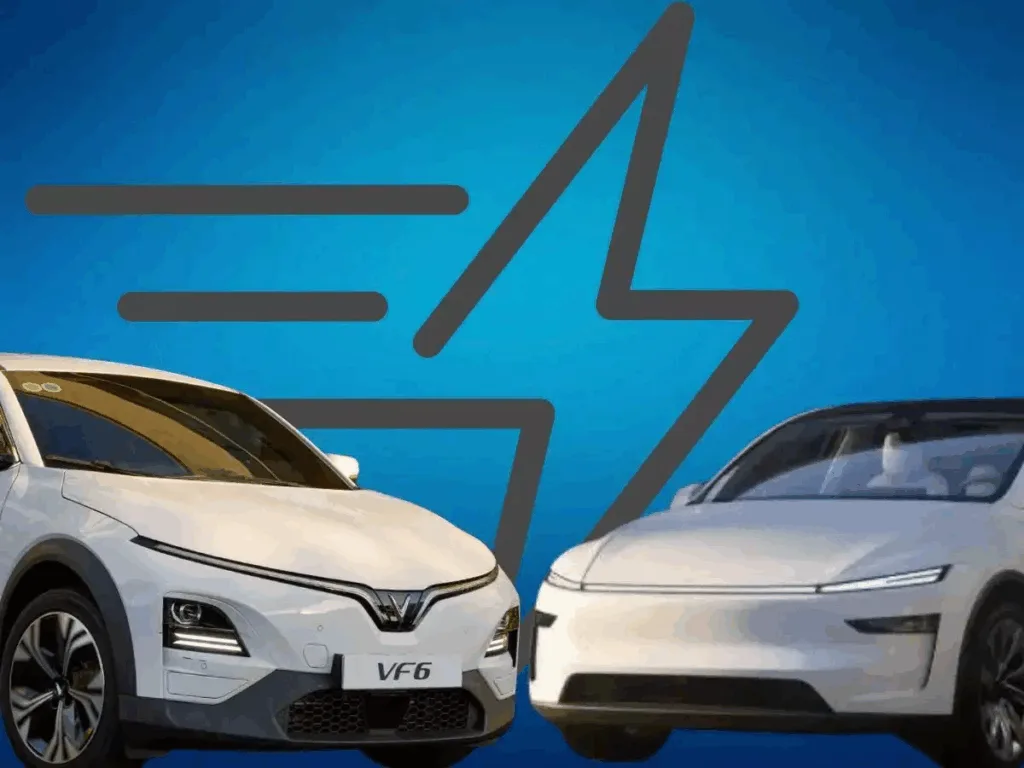
But there’s a plot twist. A Vietnamese upstart called VinFast is not just competing with Tesla—it’s actually outselling the American giant during India’s crucial festive season. Welcome to the most unexpected battle in India’s electric revolution.

VinFast vs Tesla India

The Numbers Tell a Surprising Story

Let’s talk facts. During September-October 2025, VinFast sold 137 cars while Tesla managed 109—a narrow but symbolically massive victory for the Vietnamese automaker that most Indians had never heard of until this year.

MetricTeslaVinFast
Sept-Oct 2025 Sales109 units137 units
September Sales61 units21 units
October Sales40 units131 units
Entry DateJuly 2025August 2025
ManufacturingImportsLocal factory (Tamil Nadu)

The momentum shift is dramatic. In September, Tesla led with 69 sales versus VinFast’s mere 6. But by October, VinFast exploded to 131 sales while Tesla dropped to 40.

What’s VinFast Doing Right?

Here’s where the story gets interesting. While Tesla is importing its Model Y and charging nearly $80,000 for what costs $45,000 in America, VinFast is playing an entirely different game.

Strategy #1: Build Where You Sell

VinFast opened a massive 160-hectare factory in Tamil Nadu in August 2025, capable of producing 150,000 cars annually. That’s not testing the waters—that’s a $500 million bet on India’s future.

Strategy #2: Price to Win

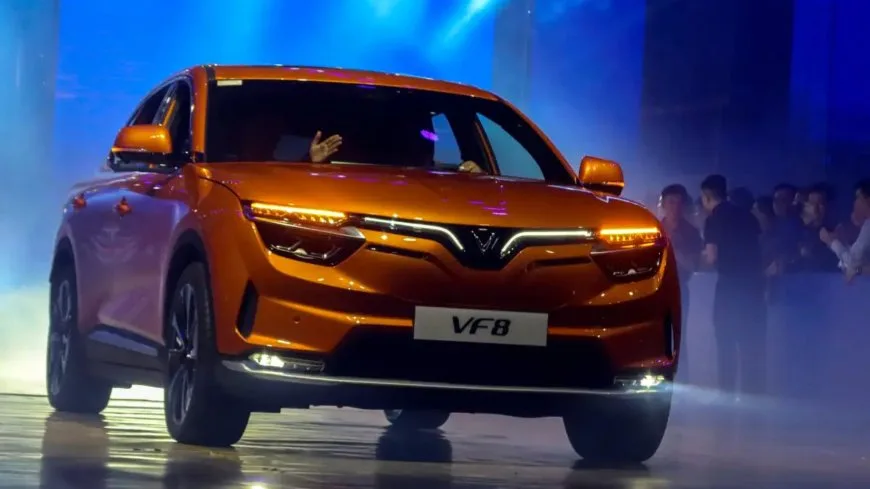
VinFast debuted in India with EVs that undercut both Tesla and BYD prices, making premium electric SUVs accessible to more Indian buyers. The VF6 and VF7 models offer the prestige without the eye-watering price tag.

Strategy #3: Go Everywhere

VinFast signed agreements with 13 dealer partners to establish 32 dealerships across 27 cities, covering not just metros but emerging EV markets like Shimla, Agra, Jhansi, and Gwalior. Tesla? Limited to a few select showrooms.

Tesla’s India Challenge

Don’t count Tesla out yet. The brand carries enormous cachet, and every Tesla on Indian roads turns heads. But Tesla is facing three brutal realities:

Reality #1: Import Duties Hurt

Every Tesla sold in India is imported, making it prohibitively expensive. Tesla’s Model Y costs nearly $80,000 in India compared to about $44,990 in the U.S.—nearly double the price for the same car.

Reality #2: Indian Buyers Are Smart Shoppers

For Indians, a car is often the second-largest purchase after a house. They seek flexibility, not restrictions. Tesla’s limited range, charging anxiety, and premium pricing clash with this mindset.

image 178 VinFast vs Tesla India: Vietnam's EV Giant Challenges Elon Musk

Reality #3: Local Players Dominate

Tata Motors still commands around 50% of India’s EV market. They understand Indian roads, Indian budgets, and Indian expectations in ways no foreign brand can match immediately.

Why This Battle Matters

India isn’t just another market—it’s the world’s third-largest automotive market and the fastest-growing EV battleground. With Chinese EVs facing resistance in the West, global automakers see India’s billion-plus population and evolving infrastructure as an untapped goldmine.

VinFast’s early success proves a crucial point: Brand heritage matters less than smart strategy. Building locally, pricing aggressively, and expanding distribution can beat even the most prestigious nameplate.

The Road Ahead

VinFast’s October surge suggests their factory investment is paying off faster than expected. Network expansion is driving volumes. Local manufacturing sidesteps import duties. The strategy is working.

But Tesla isn’t playing the volume game—yet. They’re establishing brand presence, building desire, and waiting for policy changes that might favor imports or incentivize local manufacturing.

What Experts Say

Industry analyst Ravi Bhatia warns that international players often “underestimate the strength of local OEMs” and that “the gap between the total addressable market and the actual serviceable market is what trips up these international players”.

He’s right. India looks like a billion-customer goldmine on paper. In reality, it’s complex, price-sensitive, and fiercely loyal to brands that understand local needs.

The Verdict

VinFast isn’t stealing Tesla’s thunder—they’re writing their own lightning story. By building local, pricing smart, and moving fast, they’ve grabbed early momentum in a market everyone assumed Tesla would dominate.

But it’s early days. Festival season sales don’t determine long-term winners. Tesla has brand power, technological leadership, and deep pockets. VinFast has ambition, local manufacturing, and affordable pricing.

India’s EV market is big enough for both. The real question isn’t who wins—it’s whether either can crack the code that Tata, Mahindra, and MG have already mastered: understanding that in India, value always trumps prestige.

Tata Sierra EV Launch Date: November 15, 2025 – Icon Returns

0
Tata Sierra

Some cars never die. They just wait for the perfect moment to return. For automotive enthusiasts who grew up in the ’90s, the Tata Sierra wasn’t just an SUV—it was a rolling piece of art. Those distinctive curves, that unmistakable silhouette. It was India’s answer to European design, bold and unapologetic.

Now, after decades of nostalgia, Tata Motors is bringing back the legend. And this time, it’s electric.

Tata Sierra
Tata Sierra EV Launch Date

Tata Sierra EV: Nostalgia Meets Tomorrow

Tata isn’t just reviving a nameplate. They’re rewriting the rulebook. The Sierra will launch in both electric and ICE versions, giving buyers the freedom to choose their power source while enjoying the same iconic design.

But it’s the Sierra EV that’s stealing the spotlight, and Tata’s latest teaser reveals exactly why.

What Makes the Sierra EV Stand Out?

FeatureDetails
Launch DateNovember 15, 2025
VersionsElectric & ICE (petrol/diesel)
Signature ColorBright yellow (teaser)
Range~500 km (expected)
Special FeatureAWD/QWD (likely EV exclusive)
DesignGrille-less, futuristic fascia

The Design That Turns Heads

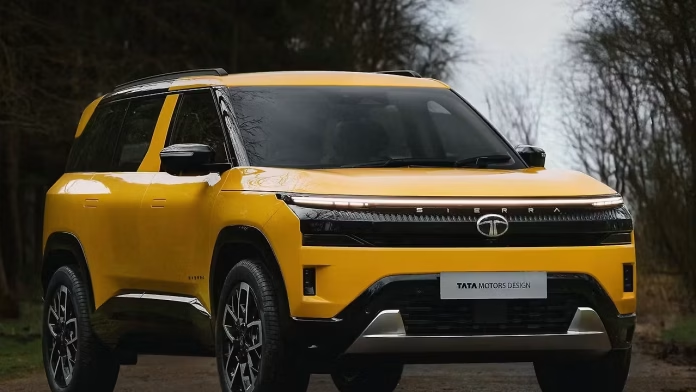
Picture this: A bright yellow SUV gliding silently through city streets, its grille-less front fascia announcing its electric soul before you even hear—or rather, don’t hear—the engine.

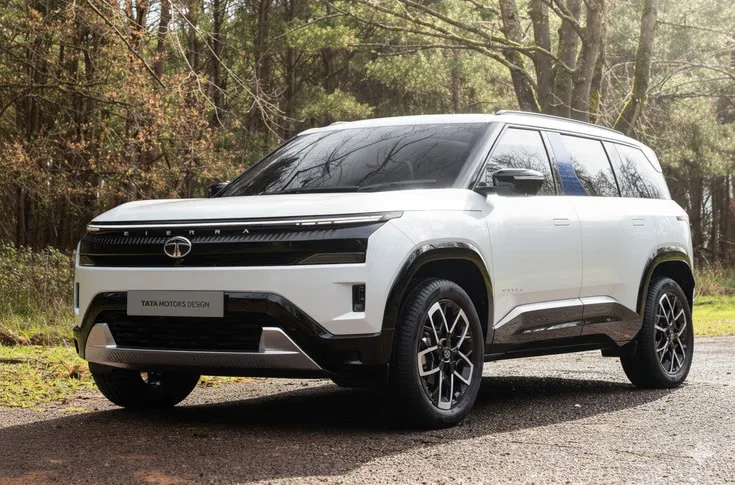
The Sierra EV wears its electric identity proudly. A sleek full-width LED DRL runs just below the bonnet line, creating a light signature that’s impossible to miss. The lower split headlamps, black bumper, and silver skid plate give it a clean, futuristic look that screams 2025, not 1991.

Meanwhile, the ICE Sierra keeps things rugged with a prominent black grille—a nod to traditional SUV styling. It’s the same DNA, different expressions.

image 175 Tata Sierra EV Launch Date: November 15, 2025 – Icon Returns
Tata Sierra EV Launch Date

Power That Matches the Legend

Here’s where things get seriously exciting. The Sierra EV is expected to pack a battery comparable to the Harrier EV, promising around 500 km of range on a single charge. That’s Mumbai to Pune and back with juice to spare.

But the real party trick? Tata’s AWD system—branded as QWD (Quad Wheel Drive)—is likely to be exclusive to the Sierra EV. Imagine tackling mountain roads or monsoon-slicked highways with electric power distributed to all four wheels. That’s not just nostalgia; that’s next-level capability.

ICE vs. EV: Two Souls, One Legend

Tata’s dual-launch strategy is brilliant. Not everyone is ready to go electric, and Tata knows it. By offering both powertrains, they’re capturing two distinct buyer segments:

The Traditionalist: Wants the Sierra name, the commanding presence, and the familiar roar of an internal combustion engine.

The Futurist: Craves the same iconic design but with zero emissions, instant torque, and cutting-edge tech.

Same SUV. Different heartbeat.

Why the Sierra’s Return Matters

India’s automotive landscape is transforming rapidly. Buyers want vehicles with character, not just transportation appliances. They want stories, not just specs.

The Sierra has both in spades. It’s a vehicle that older generations remember fondly and younger buyers will discover with fresh eyes. Tata is betting that nostalgia plus innovation equals market domination—and they might just be right.

What We’re Still Waiting to Know

While the teaser gives us plenty to drool over, questions remain:

  • What’s the exact battery capacity and charging speed?
  • Will the QWD system be standard or optional?
  • How will pricing compare between ICE and EV variants?
  • What interior tech can we expect?

November 15 will answer everything. Until then, the anticipation builds.

The Countdown Begins

The original Sierra was ahead of its time. The 2025 Sierra EV? It might just be right on time.

India is hungry for electric SUVs that don’t compromise on style, capability, or heritage. The Sierra EV promises all three, wrapped in a design that’s been waiting decades for its second act.

November 15, 2025, isn’t just a launch date. It’s a homecoming. The legend returns, and this time, it’s powered by the future.

Maruti Suzuki e-Vitara Launch Date India: December 2, 2025

0
Maruti Suzuki

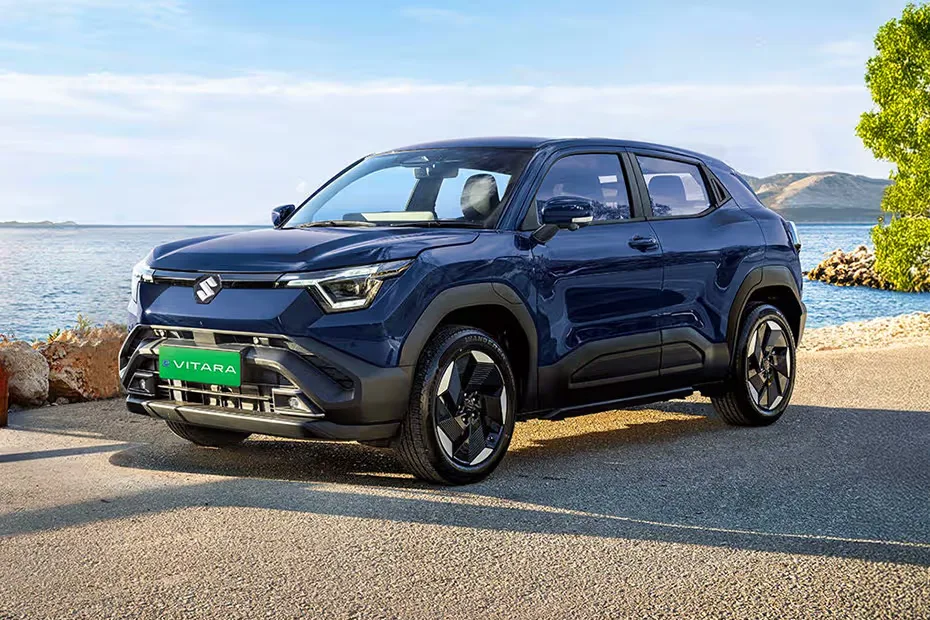
The wait is finally over. India’s beloved carmaker is about to rewrite its own history. For decades, Maruti Suzuki has been synonymous with affordable, reliable cars that fill Indian roads from Kashmir to Kanyakumari. But December 2, 2025, marks a pivotal moment—the day Maruti enters the electric revolution with its first-ever electric SUV, the e-Vitara.

Maruti Suzuki
Maruti Suzuki e-Vitara

Why the e-Vitara Launch Matters

Picture this: You’re stuck in Delhi traffic, watching the pollution index climb while your fuel gauge drops. Now imagine gliding silently through those same streets, zero emissions, zero guilt. That’s the promise the e-Vitara brings to millions of Indian families.

This isn’t just another car launch. It’s Maruti Suzuki’s declaration that electric mobility is no longer a luxury—it’s the new mainstream.

What We Know About the Maruti e-Vitara

While Maruti has kept details under wraps, the automotive world is buzzing with anticipation. Here’s what makes this launch historic:

FeatureWhat to Expect
Launch DateDecember 2, 2025
Vehicle TypeCompact Electric SUV
SignificanceMaruti’s first EV in India
Target AudienceMiddle-class Indian families
Market PositionAffordable electric mobility

The Timing Couldn’t Be Better

India’s electric vehicle market is exploding. Government incentives are flowing, charging infrastructure is expanding, and fuel prices keep reminding us why EVs make sense. Maruti, with its unmatched understanding of Indian consumers, is positioned to dominate this space just as it dominated the petrol and diesel segments.

The e-Vitara name cleverly builds on the legacy of the popular Vitara Brezza, a car that’s already won hearts across India. It’s familiar yet fresh—a smart move that reduces the psychological barrier many first-time EV buyers face.

image 174 Maruti Suzuki e-Vitara Launch Date India: December 2, 2025

What This Means for Indian Car Buyers

Remember when owning a car was a distant dream for most Indians? Maruti changed that narrative decades ago. The e-Vitara could do the same for electric vehicles.

If anyone can make EVs affordable and accessible to the average Indian family, it’s Maruti Suzuki. Their extensive service network spanning 4,000+ touchpoints means you won’t be stranded if something goes wrong—a legitimate concern that keeps many from switching to electric.

The Road Ahead

As December 2 approaches, auto enthusiasts and potential buyers are counting down the days. Will the e-Vitara offer the range needed for highway trips to your hometown? What about pricing—will it undercut competitors? Can it handle Indian road conditions?

These questions will soon be answered. But one thing is certain: the Indian automotive landscape is about to shift dramatically.
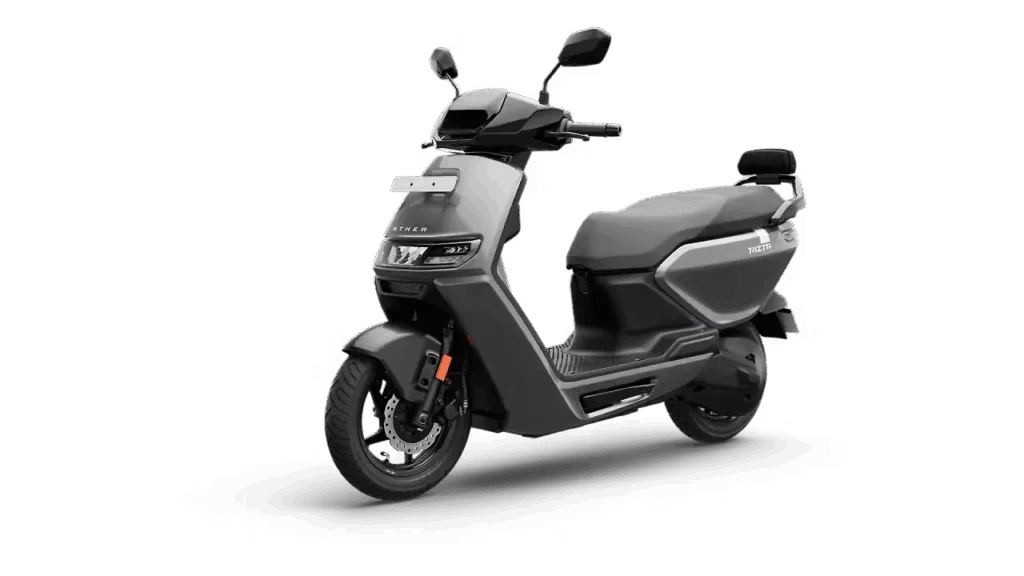
Final Thoughts

The Maruti Suzuki e-Vitara represents more than technological advancement. It symbolizes hope—hope for cleaner cities, hope for energy independence, and hope that electric mobility can be democratic, not elitist.

Mark your calendars. December 2, 2025, isn’t just a launch date. It’s the day India’s electric dream becomes accessible to millions who’ve trusted Maruti for generations.

The future doesn’t roar. It hums quietly. And it arrives on December 2.

Yamaha AEROX E Launch India: Premium Electric Scooter Arrives

0
Yamaha AEROX E

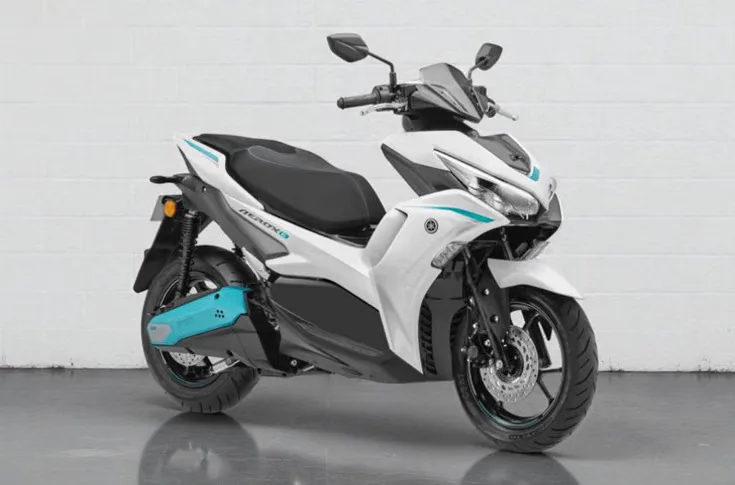
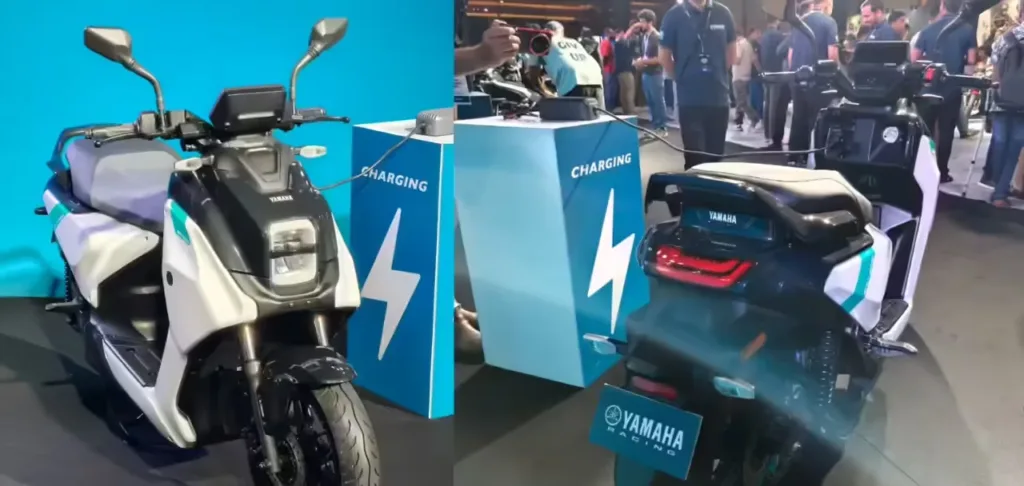
The roar is fading. The future hums. Yamaha, the brand that defined performance motorcycling for generations, has just dropped a thunderbolt into India’s electric scooter market. Two new electric scooters have arrived, and they’re not just rebadged imports—they’re pure Yamaha engineering, built in-house with the same DNA that powers their legendary bikes.

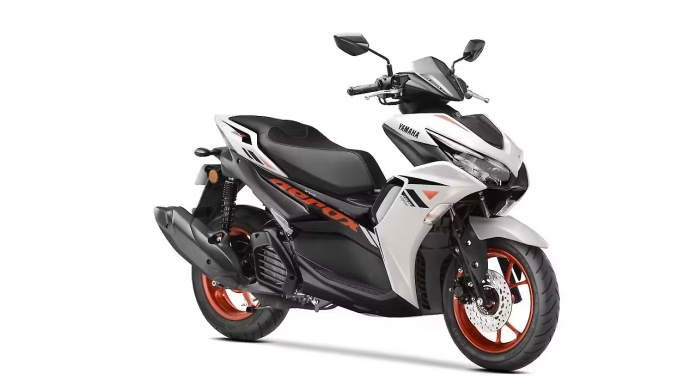
Leading the charge is the AEROX E, a sporty, premium electric scooter that’s about to change how we think about electric mobility.

Yamaha AEROX E

The AEROX E: Where Legacy Meets Innovation

If you’ve ever admired the AEROX 155—Yamaha’s aggressive, head-turning petrol scooter—you already know what to expect. The AEROX E takes that same design philosophy and electrifies it. Literally.

This isn’t some half-hearted attempt to ride the EV wave. Yamaha has built the AEROX E from the ground up in India, ensuring it meets the specific demands of Indian roads, Indian weather, and most importantly, Indian riders who refuse to compromise on performance.

What Makes the AEROX E Different?

FeatureAEROX E Highlights
InspirationAEROX 155 sporty design
DevelopmentBuilt in-house by Yamaha
CategoryPremium electric scooter
Target RiderPerformance enthusiasts
ManufacturingMade in India

Why This Launch Matters

Walk through any Indian city and you’ll see the electric scooter revolution unfolding. But here’s the problem: most electric scooters feel like compromises. They’re either cheap and cheerful or premium but soulless.

Yamaha just refused to play that game.

The AEROX E brings something the market desperately needed—performance credibility. When a brand famous for making riders’ hearts race with bikes like the R15 and MT-15 enters the electric space, people pay attention.

Yamaha AEROX E

The Sporty Edge India’s Been Waiting For

Let’s be honest. Most electric scooters look like they were designed by your safety-conscious uncle. They’re practical. Sensible. Boring.

The AEROX E looks like it wants to race. Those sharp lines, aggressive stance, and premium finish scream performance. It’s the electric scooter for riders who want their vehicle to reflect their personality—bold, dynamic, and unapologetically sporty.

Built for India, By Yamaha

Here’s what separates the AEROX E from the crowd: it’s genuinely engineered in-house. No partnership badging. No technology borrowed from overseas cousins. This is Yamaha flexing its manufacturing muscle on home turf.

That means better service support, easier availability of parts, and a scooter that actually understands Indian conditions—the potholed roads, the monsoon floods, the scorching summers, and the chaos that is urban traffic.

What Indian Riders Can Expect

Yamaha hasn’t just thrown an electric motor into a pretty frame. The AEROX E represents their commitment to the premium segment, targeting riders who want the thrill without the emissions.

Young professionals zipping to work. College students making a statement. Weekend warriors looking for that adrenaline hit. The AEROX E speaks to all of them.

The Bigger Picture

Yamaha launching not one but two electric scooters signals their serious intent. The AEROX E leads the premium charge, but the presence of a second model suggests they’re covering multiple segments. Smart strategy. Classic Yamaha.

This isn’t just about selling scooters. It’s about establishing dominance in India’s electric future while competitors are still figuring out their game plan.

The Road Ahead

India’s electric two-wheeler market is projected to explode in the coming years. Government incentives are sweetening the deal. Charging infrastructure is expanding. And brands like Yamaha are finally bringing products that enthusiasts actually want to ride.

The AEROX E isn’t just another electric scooter. It’s a statement: performance and sustainability can coexist. Thrills don’t need tailpipes.

Final Thoughts

For decades, Yamaha has made us feel alive on two wheels. Now they’re proving that feeling doesn’t require fossil fuels.

The AEROX E arrives at the perfect moment—when India is ready to embrace electric mobility, but not ready to sacrifice excitement. It’s sporty. It’s premium. It’s unmistakably Yamaha.

The future of two-wheelers just got a whole lot more exciting.

Ather 450X vs TVS iQube: Which Electric Scooter Wins in 2025?

0

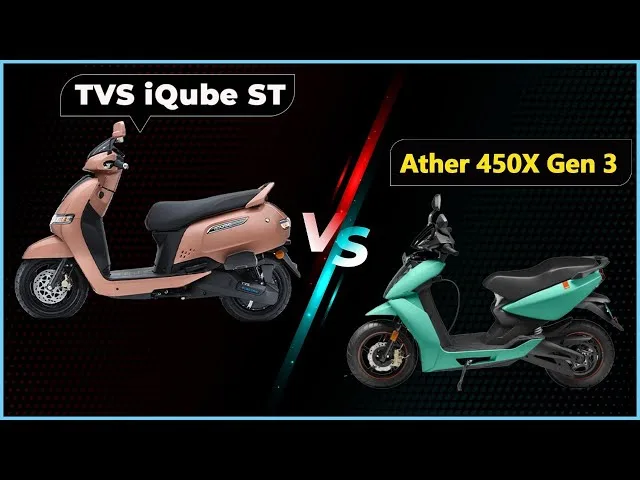
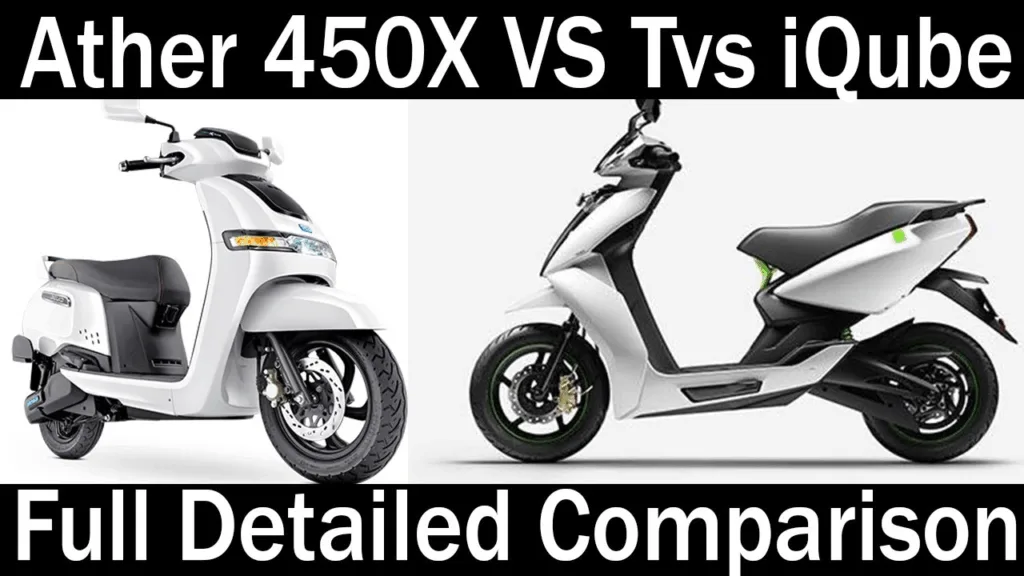
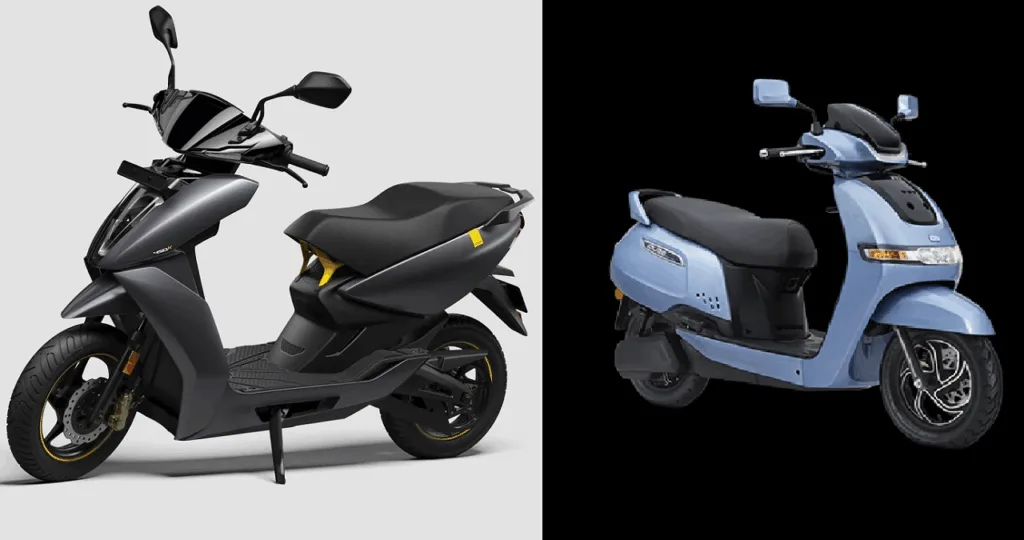
Choosing between the Ather 450X and TVS iQube feels like picking between an iPhone and a Samsung Galaxy—both excellent, yet fundamentally different in philosophy. One screams performance and tech sophistication, while the other whispers practicality and trusted reliability. So which electric scooter deserves your hard-earned money? Let’s settle this debate once and for all.

Ather 450X vs TVS iQube

The Price Reality Check

Money talks, and in this case, it’s shouting pretty loudly. The Ather 450X starts at ₹1,55,065 while the TVS iQube begins at ₹1,09,319 (ex-showroom), making the iQube nearly ₹46,000 cheaper. That’s not pocket change—it’s the difference between adding a home charger, accessories, or simply keeping it in your bank account.

But here’s the million-rupee question: Does spending more on the Ather translate to better value, or are you just paying for brand appeal?

Head-to-Head Comparison: The Numbers Don’t Lie

SpecificationAther 450XTVS iQube (Base/ST)
Starting Price₹1,55,065₹1,09,319
Range126-146 km94-145 km (ST variant)
Top Speed100 km/h78 km/h
Battery Capacity3.7 kWh3.4-4.56 kWh (variant dependent)
Weight108 kg115 kg
Boot Space22 L17-32 L (variant dependent)
User Rating4.6-4.7/54.3-4.6/5
Ride ModesEco/Ride/Sport/WarpEconomy/Power

Performance: Where Ather Dominates

The Ather 450X rockets to a top speed of 100 km/h, while the iQube maxes out at 78 km/h. If you’re someone who loves that adrenaline rush at traffic lights or needs highway capability, the Ather is your clear winner.

For acceleration from 0-40 km/h, the iQube actually edges ahead, making city starts surprisingly zippy. But from 40-70 km/h, the Ather in Sports mode pulls ahead decisively.

Real-world translation? The Ather is your performance beast. The iQube is your smooth, comfortable commuter.

Range: The Daily Reality

The Ather 450X offers 126 km range on the base variant, while the TVS iQube ST delivers an impressive 145 km. That’s nearly 20 km more on the higher TVS variant—enough for an extra day’s commute.

But here’s the catch: The Ather 450X Gen 3 now comes with a 3.7 kWh battery claiming 146 km range, essentially matching the iQube ST. Both scooters realistically deliver 100+ km in mixed riding conditions.

Charging infrastructure matters too. Ather’s grid fast-charging network gives you roughly 50 km range per hour of charging, which could be a lifesaver during emergencies.

Features: Tech vs Practicality

Ather 450X’s Tech Arsenal:

  • 7-inch TFT touchscreen with Android open-source OS and Snapdragon 212 processor
  • Google Maps navigation and music control on the display
  • Four riding modes (five in Gen 3 including Warp mode)
  • 22-liter boot space and 170mm ground clearance

TVS iQube’s Practical Perks:

  • 32-liter boot space (ST variant)—50% more than Ather
  • USB charging port inside the boot for phone charging
  • Alexa integration and remote keyless unlock
  • Turn-by-turn navigation (but lacks full Google Maps)

The verdict? If you’re a gadget geek who loves customization, Ather wins. If you’re a practical rider who values storage and convenience, TVS takes the crown.

image 167 Ather 450X vs TVS iQube: Which Electric Scooter Wins in 2025?

Service & Reliability: The Overlooked Factor

Multiple users mentioned choosing iQube specifically because TVS has wider service reach compared to Ather and Ola. This is HUGE. What good is a high-tech scooter if the nearest service center is 50 km away?

TVS benefits from decades of two-wheeler expertise and an established service network spanning thousands of locations. Ather, despite its excellence, still operates with limited Experience Centres, primarily in tier-1 cities.

Real User Experiences: What Owners Actually Say

Ather 450X Owners Love:

  • The futuristic feel and smart features
  • Superior acceleration and highway capability
  • Premium build quality and tech ecosystem

TVS iQube Owners Love:

  • The solid build quality and stress-free riding experience
  • Lower charging time and practical city performance
  • Wide, comfortable seats ideal for pillion riders
  • Peace of mind from TVS’s brand reputation

The Final Verdict: Which One Should YOU Buy?

Choose Ather 450X if:

  • Performance and speed matter more than price
  • You live in a city with good Ather service presence
  • You’re a tech enthusiast who’ll use advanced features
  • Highway capability is essential
  • Budget isn’t your primary constraint

Choose TVS iQube if:

  • You want maximum value for money
  • Practicality trumps performance for your needs
  • Wide service network gives you peace of mind
  • You need more boot space for daily errands
  • You prefer proven reliability over cutting-edge tech

The Honest Truth

According to user surveys, 50% chose the TVS iQube ST over Ather 450X, with users rating the iQube better for comfort and maintenance, while Ather scored higher for mileage, performance, and features.

This isn’t about declaring a universal winner—it’s about finding YOUR winner. The Ather 450X is the smartphone of scooters: sophisticated, feature-rich, and premium-priced. The TVS iQube is the reliable workhorse: practical, proven, and sensibly priced.

Both are excellent electric scooters that’ll save you thousands in fuel costs while reducing your carbon footprint. The question isn’t which is better—it’s which is better for your specific needs, riding style, and budget.

Choose wisely, ride safely, and welcome to the electric revolution.

Ather Rizta vs TVS Jupiter: Best Family Scooter in 2025

0
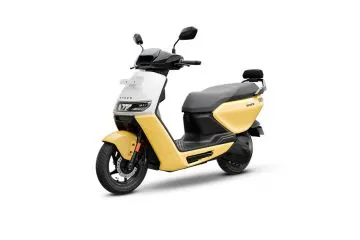
Ather Rizta

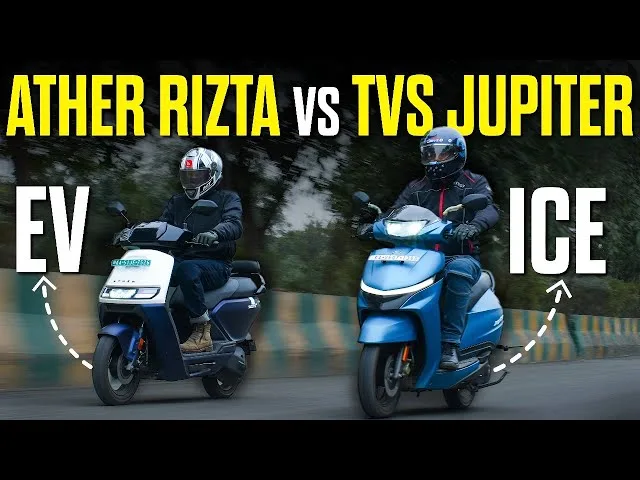
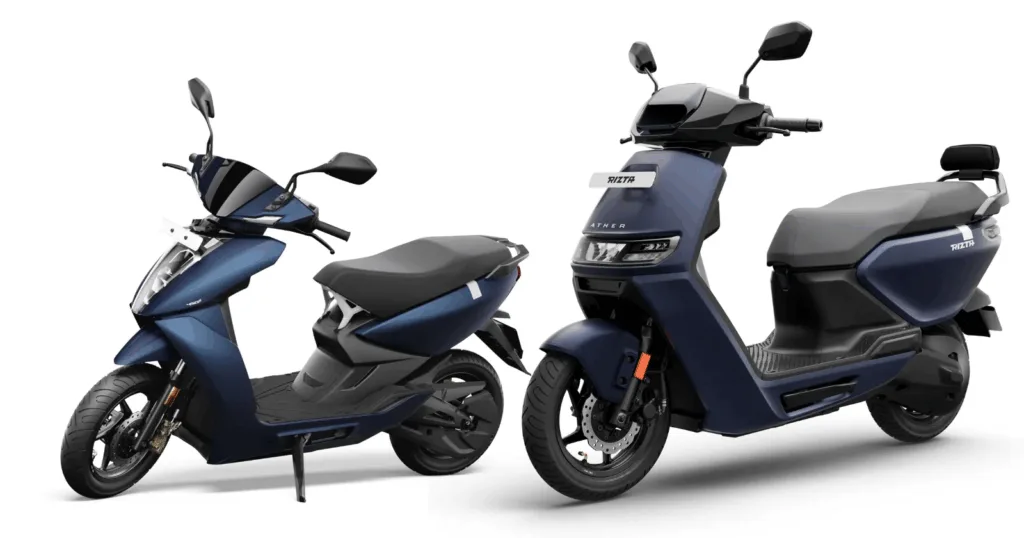
Ather Rizta , Here’s a question every family faces today: Should you stick with the tried-and-tested petrol scooter that’s been India’s household favorite for decades, or take the leap into the electric future? The battle between Ather Rizta at ₹1,34,632 and TVS Jupiter at ₹78,502 isn’t just about technology—it’s about choosing between tradition and transformation.

Ather Rizta

The Price Paradox: Cheaper Isn’t Always More Affordable

At first glance, the TVS Jupiter seems like the obvious winner with its wallet-friendly price tag. But here’s where things get interesting: on-road prices are much closer in certain states thanks to EV subsidies and reduced road tax charges, with certain higher-spec Jupiter models even costing more than the base Rizta.

Translation? Your decision shouldn’t be based solely on the showroom sticker price.

Head-to-Head: Electric vs Petrol Showdown

SpecificationAther RiztaTVS Jupiter 110/125
Price (Ex-showroom)₹1,10,000 – ₹1,45,000₹73,700 – ₹95,000
Fuel TypeElectricPetrol
Range/Mileage125-160 km per charge50+ km/liter
Power Output7.91 bhp7.8 bhp (110cc) / 8.15 bhp (125cc)
TorqueInstant electric torque10.5 Nm (125cc)
Boot Space34 liters33 liters
User Rating4.5/54.6/5 (110cc) / 4.3/5 (125cc)
Charging Time4-5 hours (home)2 minutes (fuel station)

Real-World Performance: What Actually Matters

The Rizta provides smooth rides with lots of space for helmets and groceries, perfect for family use with two adults and backpacks, delivering around 130 km range per charge. The acceleration is instant—that classic electric torque that makes city riding effortless.

The TVS Jupiter, on the other hand, delivers consistent, predictable performance. Users who drove long distances from Delhi to Dehradun found it very comfortable with sufficient power to ride in hills. It’s not thrilling, but it’s reliable.

For city commuting: Ather Rizta wins with instant torque and silent operation.
For highway trips: TVS Jupiter takes the lead with unlimited range and quick refueling.

The Cost Reality Over 5 Years

Let’s do the math that dealerships won’t show you:

Ather Rizta (5-year ownership):

  • Purchase price: ₹1,34,000
  • Electricity cost (30 km/day): ₹18,000
  • Maintenance: ₹10,000
  • Total: ₹1,62,000

TVS Jupiter (5-year ownership):

  • Purchase price: ₹78,500
  • Petrol cost (30 km/day @ ₹100/liter): ₹1,10,000
  • Maintenance: ₹25,000
  • Total: ₹2,13,500

The Ather Rizta actually saves you ₹51,500 over five years despite the higher initial price. That’s not pocket change—that’s a vacation fund.

Features: Old School vs New School

image 164 Ather Rizta vs TVS Jupiter: Best Family Scooter in 2025

Ather Rizta’s Modern Arsenal:

  • 7-inch touchscreen with navigation
  • Magic Twist throttle for easy riding
  • Ather Grid charging network across localities for fast charging
  • Remote diagnostics and OTA updates
  • Predictive maintenance alerts

TVS Jupiter’s Proven Practicality:

  • Largest-in-segment underseat storage
  • USB charging port
  • External fuel filler cap
  • LED headlamp with DRL
  • Budget-friendly pricing with better storage in the segment

Service Network: The Elephant in the Room

80% of users chose TVS Jupiter 125 over Ather Rizta in a survey, and service accessibility is a major reason why. TVS has thousands of service centers across India, even in remote areas. Need a spare part in a small town? TVS has you covered.

Ather’s network is growing fast but still concentrated in major cities. If you live outside metro areas, this could be a dealbreaker.

Who Should Buy What?

Choose Ather Rizta if:

  • Your daily running is not more than 30km and you have the option of charging at home
  • You’re environmentally conscious
  • Lower running costs matter more than upfront price
  • You live in a city with good charging infrastructure
  • Silent, smooth riding appeals to you

Choose TVS Jupiter if:

  • You need long-range flexibility without planning
  • Service accessibility is crucial
  • You prefer proven, traditional technology
  • Highway trips are frequent
  • You’re skeptical about EV infrastructure
image 165 Ather Rizta vs TVS Jupiter: Best Family Scooter in 2025

Real User Experiences Speak Volumes

One Rizta owner praised: “The ride is super smooth with lots of space for helmet and groceries. It easily fits two adults with backpacks and provides around 130 km range per charge. Excellent for daily commuting.”

A Jupiter user shared: “I’ve been riding this scooter for almost 9 years. I bought my first TVS Jupiter in 2016… I was so amazed with the performance and mileage that after 4-5 years I bought another TVS Jupiter.”

That’s loyalty money can’t buy.

The Honest Verdict

Users rate Rizta as the winner for mileage, comfort, maintenance, and features, while Jupiter performs better on the grounds of performance.

This isn’t about which scooter is objectively better—it’s about which fits YOUR lifestyle. The Ather Rizta is the future: cleaner, smarter, and cheaper to run. The TVS Jupiter is the present: proven, accessible, and worry-free.

If you’re ready to embrace electric mobility with proper home charging setup and city-centric usage, the Ather Rizta offers superior long-term value. But if reliability, service network, and range flexibility matter more, the TVS Jupiter remains the safe, sensible choice.

Both will get you from point A to B reliably. The question is: which journey do you want to be on?

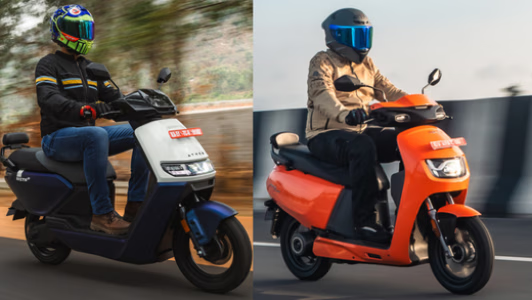
Ather Rizta vs TVS Orbiter: Which Family E-Scooter Wins?

0
Ather Rizta vs TVS Orbiter

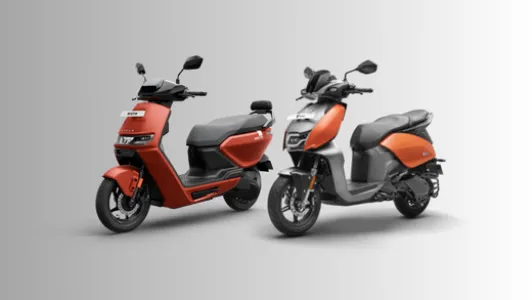
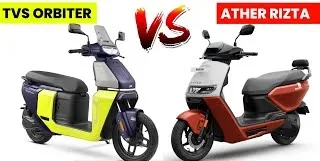
Two titans of Indian electric mobility have just squared off with their family-focused offerings. The Ather Rizta, priced at ₹1,10,000, represents the tech-forward premium approach. The TVS Orbiter, at just ₹99,900, promises to democratize electric mobility with segment-first features at an accessible price. But here’s the real question: Does spending ₹10,000 more actually get you ₹10,000 worth of value?

Ather Rizta vs TVS Orbiter

The Price Battle: Every Rupee Counts

The TVS Orbiter is priced at ₹99,900 (ex-showroom Bengaluru, including PM e-Drive subsidy), while the Ather Rizta starts at ₹1,10,000. That’s a ₹10,000 difference—roughly the cost of two months’ worth of groceries for an average Indian family.

But wait. Both qualify for government subsidies, and on-road prices vary significantly across states. In some regions, you might find these scooters neck-and-neck after all taxes and subsidies are applied.

Head-to-Head: The Complete Breakdown

SpecificationAther RiztaTVS Orbiter
Ex-showroom Price₹1,10,000 – ₹1,45,000₹99,900 (₹1,04,990 without subsidy)
Battery Capacity2.9-3.7 kWh3.1 kWh
Range (IDC)123-160 km158 km
Real-World Range100-130 km~120 km (estimated)
Top Speed79 km/h68 km/h
0-40 km/hNot specified6.8 seconds
Boot Space34 liters34 liters
Wheel SizeStandard config14″ front, 12″ rear
Ground Clearance160 mm169 mm
Charging Time4-5 hours~4 hours 10 mins (0-80%)

Range Reality: Who Goes the Distance?

The TVS Orbiter delivers an impressive IDC range of 158 km with its 3.1 kWh battery, matching the higher variants of the Ather Rizta. Based on TVS’s track record with the iQube achieving 76.4 km in real-world conditions (versus 94 km IDC claim), the Orbiter should realistically offer around 120 km.

The Ather Rizta’s base variant offers 123 km IDC (around 100 km real-world), while its top variant matches the Orbiter at 160 km IDC.

Translation: For range-conscious buyers, both scooters are evenly matched in their respective price brackets.

Performance: Speed Demon or City Cruiser?

The Ather Rizta hits 79 km/h, while the Orbiter tops out at 68 km/h. That 11 km/h difference matters if you frequently ride on highways or arterial roads.

The Orbiter uses a hub-mounted BLDC motor producing 2.5 kW of peak power, with 0-40 km/h acceleration in 6.8 seconds. Team-BHP testers found the performance “underwhelming in terms of outright performance.”

Winner: Ather Rizta for those who crave speed; Orbiter for relaxed city commuting.

Ather Rizta vs TVS Orbiter

Features Face-Off: What You Actually Get

Ather Rizta’s Arsenal:

  • 7-inch touchscreen with navigation
  • Magic Twist throttle
  • Ather Grid fast-charging network access
  • OTA updates and predictive maintenance
  • Multiple riding modes

TVS Orbiter’s Impressive Package:

  • Cruise control, hill-hold assist, reverse parking function
  • Smart connectivity with geo-fencing, crash/fall alerts, anti-theft, towing alerts, live tracking
  • 14-inch front wheel for better stability and distinctive stance
  • SmartXonnect App for vehicle details on your phone
  • LED headlamp with integrated indicators
  • USB charging port

The Surprise Winner? TVS Orbiter. It packs cruise control and reverse parking assist—features typically found in premium scooters—at an entry-level price.

Design Philosophy: Modern vs Minimalist

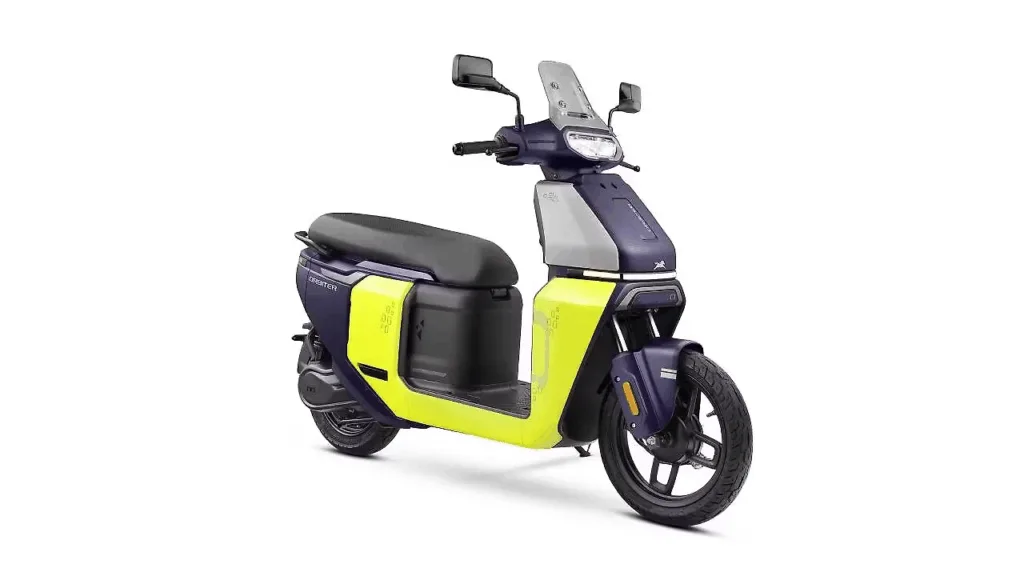
The Ather Rizta follows a futuristic, tech-forward design with smooth curves and a sophisticated aesthetic. The Orbiter follows a minimalist, boxy design with fewer flowing lines, featuring a single large side panel that flows from front to tail, giving it a distinctive, eye-catching stance.

The Orbiter gets large LED lights, a decently-sized windscreen, and body panels that are large and curvy, positioning it as both youthful and family-friendly.

Storage & Practicality: Dead Heat

Both scooters offer 34 liters of underseat storage—enough for two helmets comfortably. The Orbiter adds a spacious 290mm flat floorboard, making it exceptionally practical for grocery runs and daily errands.

Ground clearance? The Orbiter edges ahead with 169 mm versus Rizta’s 160 mm—crucial for India’s unpredictable road conditions.

image 162 Ather Rizta vs TVS Orbiter: Which Family E-Scooter Wins?

The TVS Advantage: Market Leadership

Here’s something buyers often overlook: TVS led the Indian e-scooter market in August 2025 with a 24.8% market share, demonstrating production resilience even amid rare-earth magnet shortages.

What does this mean for you? Parts availability, service network reliability, and long-term brand stability.

The 5-Year Ownership Cost Reality

Let’s do honest math (assuming 30 km daily riding):

Ather Rizta (5 years):

  • Purchase: ₹1,10,000
  • Electricity: ₹18,000
  • Maintenance: ₹10,000
  • Total: ₹1,38,000

TVS Orbiter (5 years):

  • Purchase: ₹99,900
  • Electricity: ₹18,000
  • Maintenance: ₹10,000
  • Total: ₹1,27,900

The Orbiter saves you ₹10,100 over five years—essentially maintaining its initial price advantage throughout ownership.

Who Should Buy What?

Choose Ather Rizta if:

  • You need highway capability and higher top speed
  • Advanced tech features matter to your daily ride
  • You live in cities with extensive Ather Grid charging
  • Performance is more important than price
  • You prefer the established Ather ecosystem

Choose TVS Orbiter if:

  • Budget is your primary consideration
  • Cruise control and reverse parking appeal to you
  • You want a 14-inch front wheel for better stability
  • TVS’s extensive service network gives peace of mind
  • You prioritize value-for-money over brand prestige

The Honest Verdict

Given its utilitarian nature and convenience-focused features, the Orbiter positions itself directly against family-oriented scooters like the Ather Rizta.

For an entry-level electric scooter, the TVS Orbiter gets many things right—its funky styling and modern features appeal to young buyers, while practicality and ease of use make it suitable for families.

Here’s the bottom line: The TVS Orbiter delivers 90% of the Ather Rizta’s capabilities at 91% of the price, while adding segment-first features like cruise control. Unless you specifically need that extra top-speed or prefer Ather’s premium tech ecosystem, the Orbiter represents phenomenal value.

Both scooters are winners in their own right. The Rizta is the sophisticated choice for tech enthusiasts. The Orbiter is the practical choice for value-conscious families.

Choose based on what matters most: premium experience or exceptional value. Either way, you’re joining India’s electric revolution.

Ather Energy Middle India: Q2 FY26 Market Share Soars 66%

0
Ather Energy

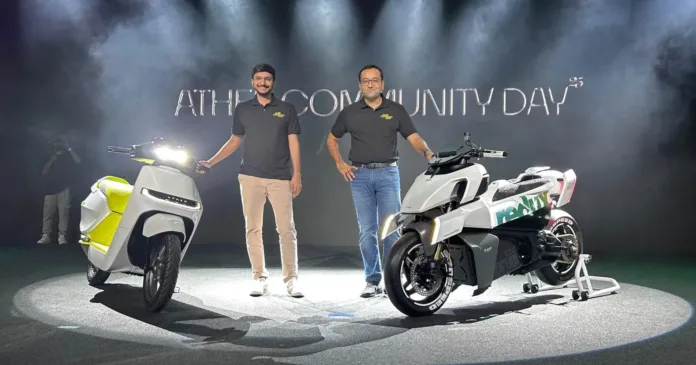
Ather Energy, When a company known for dominating South India suddenly pivots to a completely different geography and achieves a 66% market share jump in just one year, you know something remarkable is happening. Ather Energy, the electric scooter maker once synonymous with Bengaluru and Chennai, has just proven that success isn’t about sticking to your comfort zone—it’s about bold expansion into untapped territories.

Ather Energy
Ather Energy Middle India: Q2 FY26 Market Share Soars 66%

The Middle India Phenomenon

Middle India emerged as Ather’s fastest-growing region, with market share skyrocketing to 14.6% in Q2 FY26 from just 8.8% a year ago. This strategic region—comprising Gujarat, Maharashtra, Madhya Pradesh, Chhattisgarh, and Odisha—has become Ather’s secret weapon in challenging rival Ola Electric’s dominance.

What makes this expansion particularly impressive? These five states became Ather’s focus over the past few quarters from distribution, marketing, and all operational perspectives, and the bet is paying off spectacularly.

Breaking Down Ather’s Q2 FY26 Performance

MetricQ2 FY26Q2 FY25Growth
Total Revenue₹940.7 Cr₹598.7 Cr57% YoY
Units Sold65,59539,00067% YoY
Market Share17.4%12.1%+5.3 points
Experience Centres524351+173 stores
EBITDA Margin-10%-21%1,100 bps improvement

The company ended the quarter with a market share of 17.4%, marking steady progress toward profitability.

Regional Dominance: Not Just One-Trick Success

South India Leadership: Ather maintained its number one position in South India with 25% market share in Q2 FY26, up from 19.1% year-on-year, holding this leadership for six consecutive quarters.

Rest of India Growth: The Rest of India recorded strong growth, reaching 10% market share in Q2 FY26 from 6.1% year-on-year, with notable gains in Jammu & Kashmir, Punjab, and Rajasthan.

The Distribution Masterplan

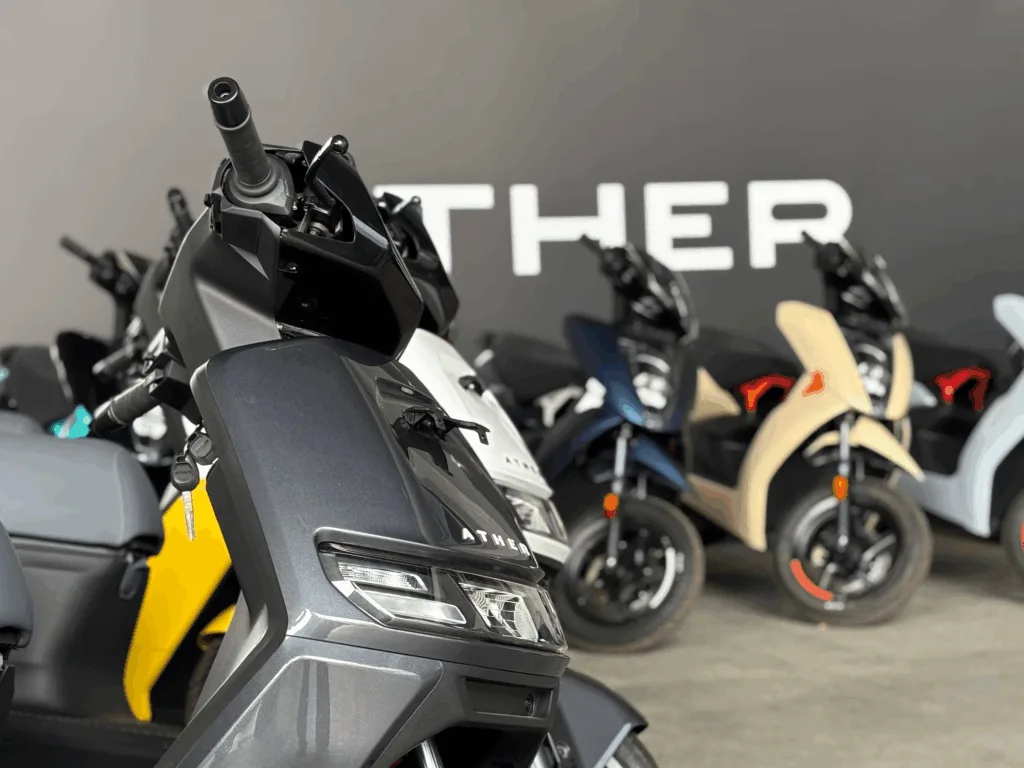
Here’s what most competitors missed: successful EV adoption isn’t just about product quality—it’s about making your scooters visible and accessible. Ather added 173 new Experience Centres in H1 FY26 and 78 new stores during Q2 alone, bringing total retail presence to 524 centres across India.

The company plans to expand its retail network to 700 Experience Centres by the end of FY26, with aggressive expansion in Middle and North India cities including Jabalpur and Mandsaur in Madhya Pradesh.

These format stores (EC2.0 and EC3.0) have allowed very good profitability, creating strong pull from dealers overall. Most dealers achieve store profitability within 3–4 quarters.

The Revenue Story Beyond Vehicles

Non-vehicle revenue, primarily from ecosystem offerings such as software subscriptions, charging, accessories, spares, and service, contributed 12% of total income. This diversification shows Ather isn’t just selling scooters—they’re building a comprehensive EV ecosystem.

Ecosystem Highlights:

  • AtherStack 7.0: Rolled out with enhanced riding experience and connectivity features
  • AtherStack Pro Adoption: 89% of customers opting for premium software, reinforcing leadership in software-defined EVs
  • Ather Grid Network: Expanded to 4,322 fast-charging points across India, Nepal, and Sri Lanka, up from 4,032 in Q1
Ather Energy
Ather Energy Middle India: Q2 FY26 Market Share Soars 66%

Why Middle India Matters

CEO Tarun Mehta noted that Madhya Pradesh has seen widespread electric vehicle adoption and is a growing market for the company. These regions were historically underserved by EV manufacturers, presenting significant headroom for growth.

The strategy makes economic sense. While competitors fought bloody battles in saturated metros, Ather quietly built presence in tier-2 and tier-3 cities where EV awareness is growing but competition remains limited.

The Profitability Path

EBITDA margin improved approximately 1,100 basis points year-on-year to -10%, signaling that Ather is rapidly approaching breakeven. Adjusted Gross Margin surged 84% YoY to ₹210.6 crore, translating to a 22% margin—an improvement of around 300 basis points.

This improvement came from value engineering, richer product mix, and increasing contributions from non-vehicle revenues.

What’s Next: The EL Platform Revolution

Ather unveiled its EL platform in August 2025, featuring new vehicle architecture with chassis, powertrain, and electronics stack that reduces assembly time by 15%. The first scooter based on the EL platform will launch during the festive season in 2026.

The platform will support battery packs ranging from 2 kWh to 5 kWh, allowing Ather to address family and commuter segments previously untouched.

The Bigger Victory

Ather overtook Ola Electric in quarterly revenue for Q2 FY26, with government registration data showing Ather’s market share at 20.2% in October against 11.5% for Ola Electric.

This isn’t just about numbers—it’s about vindication. While Ola grabbed headlines with aggressive expansion and pricing, Ather focused on sustainable growth, customer experience, and ecosystem development. The Q2 results prove which strategy works long-term.

The Bottom Line

Ather Energy‘s Middle India strategy demonstrates that in business, timing and geography matter as much as product quality. By identifying underserved markets and building retail presence methodically, Ather has created a growth engine that complements its South Indian stronghold.

With improving margins, expanding retail footprint, and the upcoming EL platform, Ather has positioned itself not just as an EV manufacturer, but as India’s most comprehensive electric mobility ecosystem. The road to profitability looks clearer than ever.