Home Blog Page 14

Kia Syros EV: Can Electric Power Revive Its Sales Fortune?

0
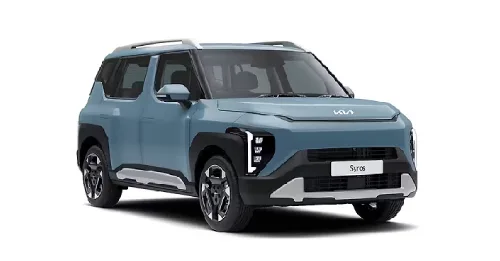
Kia Syros EV

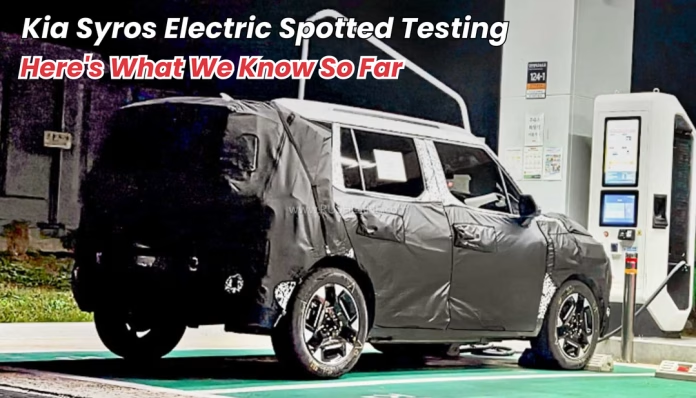
The Kia Syros started with a bang but fizzled out faster than anyone expected. From selling 5,000 units monthly to barely scraping past 1,000, something went terribly wrong. Now, spy shots show the Syros EV charging at test facilities, and the question everyone’s asking is: can an electric powertrain be the redemption arc this compact SUV desperately needs?

Let’s dive into why the ICE Syros struggled, what the EV version might fix, and whether going electric is the magic formula to win back Indian buyers.

Kia Syros

Kia Syros That Could Have Been

When Kia launched the Syros, it promised something unique—a tall-boy compact SUV that maximized cabin space without feeling cramped. And honestly, it delivered on several fronts.

What the Syros Got Right:

The cabin engineering is genuinely impressive. Despite its sub-4-meter footprint, the Syros doesn’t feel claustrophobic. The tall stance creates an airy ambiance that larger SUVs struggle to achieve. You sit upright, visibility is excellent, and the sense of space is remarkable.

The automatic transmissions deliver linear, predictable power. No sudden jerks, no annoying lag—just smooth, relaxing drives perfect for city commutes and highway cruising. For buyers prioritizing stress-free driving over thrills, this was actually a strength.

Tech lovers had plenty to appreciate too. The triple-screen cluster is responsive and intuitive. More importantly, the Syros became the only vehicle under ₹20 lakh offering rear-seat ventilation—a game-changer for India’s scorching summers.

Luggage space? Generous enough for weekend getaways and grocery runs without playing Tetris with your bags.

Where the Wheels Came Off

So why did sales collapse? The Syros suffered from an identity crisis and several execution missteps that turned potential buyers away.

The Pricing Paradox:

Kia positioned the Syros between the Sonet and Seltos, but aggressive pricing muddied the waters. When your “budget-friendly” option starts nudging Seltos territory, buyers naturally gravitate toward the proven winner. Why settle for compact when you can stretch just a bit more for size and prestige?

Design Dilemmas:

The exterior polarized opinions. The headlight placement—while unique—raised practical concerns about damage vulnerability. For India’s risk-averse buyers navigating tight parking spots and chaotic traffic, this wasn’t a trivial worry.

The overall silhouette didn’t help either. In a market where design language significantly influences purchase decisions, the Syros’ boxy appearance didn’t create the emotional connection needed to justify its price tag.

The Comfort Compromise:

Here’s the killer: the rear suspension is soft to the point of being problematic. Rear-seat passengers experience noticeable kickback, especially with a full load. In a country where family opinion heavily influences car purchases, uncomfortable rear seats can sink a deal faster than you can say “test drive.”
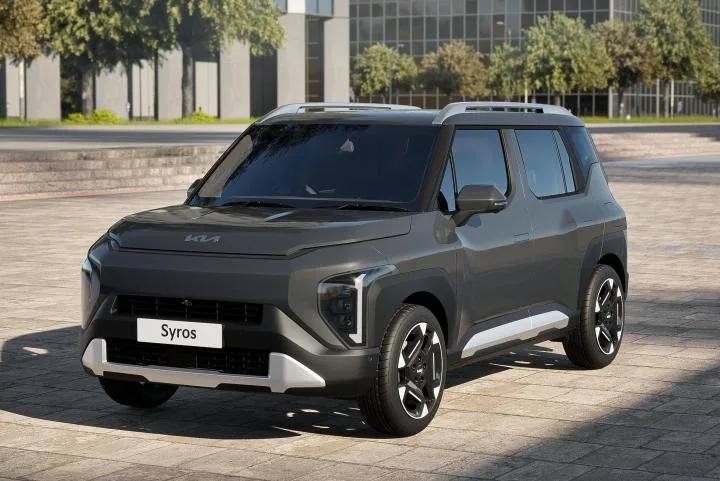
image 209 Kia Syros EV: Can Electric Power Revive Its Sales Fortune?

Enter the Syros EV: Redemption or Repeat?

The electric version, likely sharing its mechanical DNA with the Hyundai Inster EV, could address many of these shortcomings through smart EV-specific engineering.

Powertrain Possibilities:

Expect two battery configurations matching the Inster EV:

  • 42 kWh pack: 71.1 kW power, 147 Nm torque
  • 49 kWh pack: 84.5 kW power, 147 Nm torque, ~355 km range

Both will likely use proven NMC battery chemistry. Fast charging capability should deliver 10-80% charge in just 30 minutes via 120kW DC chargers—eliminating range anxiety for urban commuters.

The Suspension Solution:

Here’s where things get interesting. The underbody battery pack necessitates a stiffer suspension setup. This isn’t a compromise—it’s potentially the fix for the ICE version’s biggest weakness. Expect dramatically improved rear-seat comfort, transforming what was once a liability into a selling point.

Instant Gratification:

Electric motors deliver instant torque. Unlike the ICE Syros’ linear (read: sometimes sluggish) acceleration, the EV should feel responsive and eager from standstill. That zippy, throttle-hungry character makes city driving genuinely fun, not just tolerable.

Visual Differentiation:

EV-specific styling changes—closed grille, floating center console, distinctive badging—will create clear visual separation from the ICE model. This helps rebuild brand identity rather than simply being “Sonet’s weird sibling.”

The Competitive Landscape

FactorICE SyrosSyros EV (Expected)
Monthly Sales<1,000 units (current)TBD
Price PositioningIdentity confusionClearer EV segment positioning
Rear ComfortSoft, kickback issuesImproved via stiffer suspension
Driving CharacterLinear, predictableInstant torque, responsive
Range/EfficiencyFuel-dependent~355 km electric range
Charging TimeN/A10-80% in 30 mins (DC)
Expected LaunchAlready available2026 showcase likely

Will the EV Strategy Work?

The million-rupee question: can going electric fix what ICE couldn’t?

The Optimistic Case:

EVs naturally command different pricing expectations. Buyers accept premium pricing for electric models, eliminating the identity crisis that plagued the ICE version. The Syros EV won’t be “overpriced for its size”—it’ll be “competitively priced for an EV.”

Fixing the suspension comfort issue addresses a deal-breaker. Combined with retained strengths like space efficiency and tech features, you’ve got a genuinely compelling package.

The growing EV infrastructure and government incentives make 2026 perfect timing. Early-mover advantage in the affordable electric compact SUV segment could establish the Syros EV as a category leader before Chinese competitors flood in.

The Realistic Challenges:

Design perception won’t magically improve with an electric motor. If buyers found the silhouette unappealing before, that hurdle remains. EV-specific styling tweaks need to be substantial, not cosmetic.

Competition is intensifying. Tata, Mahindra, and MG are expanding electric portfolios aggressively. By 2026, the Syros EV won’t be entering an open field—it’ll be fighting established players with loyal followings.

Brand perception matters. The ICE Syros’ sales collapse created negative word-of-mouth that’s hard to reverse. Kia needs an aggressive marketing reset to convince buyers this is a genuinely new product, not just the same car with a battery.

The Verdict: A Genuine Second Chance

The Syros EV isn’t just slapping an electric motor into a struggling platform. It’s addressing legitimate engineering shortcomings while leveraging EV-specific advantages. The suspension improvements alone could transform owner satisfaction. Add instant torque, lower running costs, and clearer market positioning, and you’ve got the makings of a comeback story.

But success isn’t guaranteed. Kia needs competitive pricing (₹15-20 lakh range), aggressive marketing that clearly differentiates this from the ICE failure, and perhaps subtle but meaningful design refinements that address aesthetic concerns.

If Kia plays this smart, the Syros EV could do more than just revive a nameplate—it could establish Kia as a serious affordable EV player in India’s booming electric market.

The charging cable spotted in those spy shots might just be plugged into the Syros’ second chance at success.
BYD EVs Match Gas Car Prices in Australia: Game Changer

0

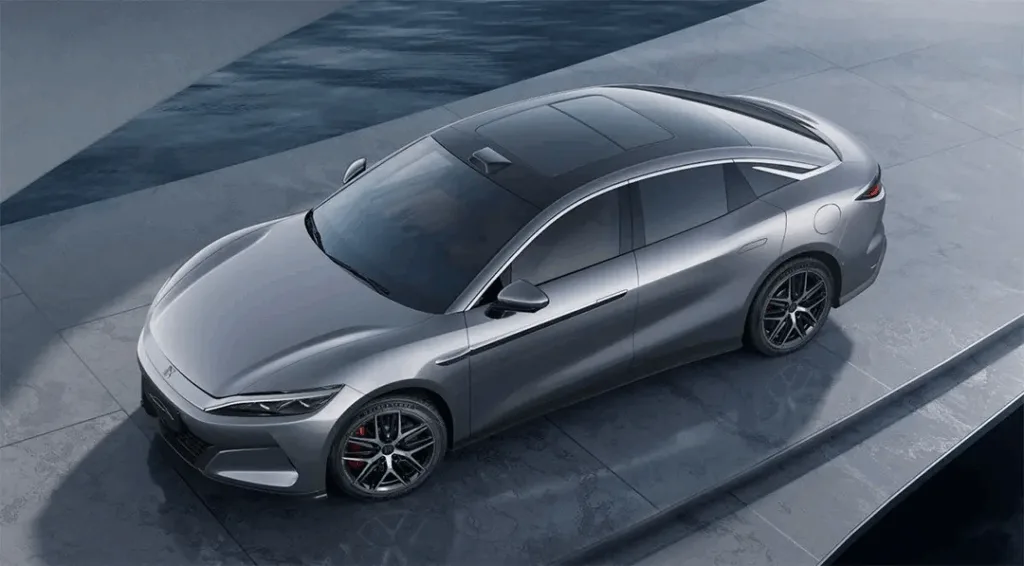
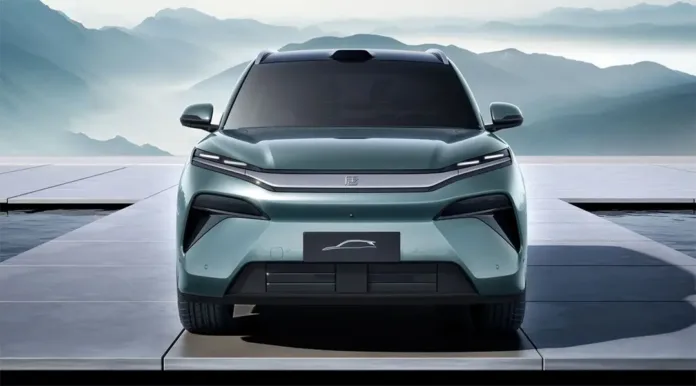
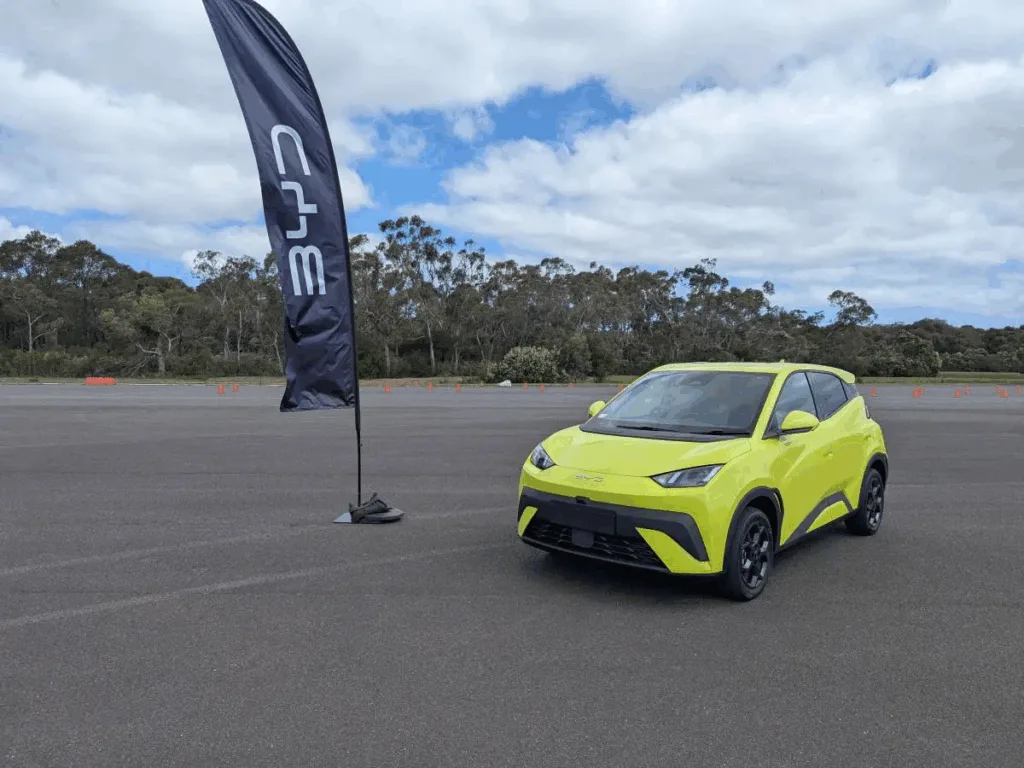
BYD EVs , the electric vehicle revolution just got real in Australia. For the first time, EVs aren’t just competing with petrol cars—they’re actually cheaper upfront. BYD has shattered the price barrier that’s kept many Australians stuck in gas-guzzlers, and the implications are massive.

BYD EVs

The Price Revolution Nobody Saw Coming

Picture this: You walk into a showroom in Sydney, and an electric car costs less than the Toyota Yaris you were eyeing. That’s not a dream anymore—it’s reality.

BYD recently dropped two absolute game-changers in the Australian market. The ATTO 1, their compact electric hatchback, starts at just $23,990 AUD ($15,661 USD). When you factor in all the on-road costs for Sydney, you’re looking at $26,532 AUD—dramatically undercutting the hybrid Toyota Yaris at $32,790 AUD and even the petrol-powered Mazda 2 at $28,990 AUD.

But here’s where it gets interesting.

Small SUV, Big Impact

The BYD ATTO 2, a small SUV that’s perfect for Australian families, lands at $31,990 AUD before fees. With everything included, Sydney buyers pay $34,772 AUD—less than the Toyota Yaris Cross hybrid ($35,741 AUD) and the Mazda CX-30 ($35,990 AUD).

Let that sink in. An electric SUV now costs less than comparable petrol models.

ModelTypeSydney Price (AUD)
BYD ATTO 1Electric$26,532
Toyota YarisHybrid$32,790
Mazda 2Petrol$28,990
BYD ATTO 2Electric$34,772
Toyota Yaris CrossHybrid$35,741
Mazda CX-30Petrol$35,990

Why This Changes Everything

For years, the conversation around EVs has been dominated by one objection: “They’re too expensive upfront.” That argument just evaporated.

The beauty of price parity isn’t just about numbers on a sticker. It’s about removing the mental barrier that’s prevented millions from making the switch. When electric costs the same (or less) than petrol upfront, and saves you money on fuel and maintenance, the decision becomes obvious.

Government subsidies? Nice to have, but no longer necessary. This is pure market competition at work.

Better Specs, Lower Price

Here’s the kicker: BYD’s vehicles aren’t just cheaper—they’re reportedly better equipped than their petrol competitors. You’re getting more car for less money. It’s the classic disruption playbook: offer superior value and watch the old guard scramble.

BYD EVs

What Happens Next?

When one company breaks the price ceiling, others follow. BYD’s pricing strategy will likely roll out across their entire Australian lineup, forcing competitors to respond or lose market share.

The ripple effects are profound:

For consumers: You can now choose based on what you actually want, not what you can barely afford. Prefer the instant torque of electric? The silence? The lower running costs? You’re no longer paying a premium for those benefits.

For the market: Competition shifts from “how cheap can we go?” to “how good can we make it?” Expect rapid innovation in battery technology, charging speed, range, and features.

For Australia: We might see China-level EV adoption rates sooner than anyone predicted. In China, where price parity exists, EVs dominate new car sales. Australia could be next.

The Road Ahead

While these prices still exceed China’s domestic market, the gap is shrinking fast. BYD’s European version of the ATTO 1 suggests they’re finding a sweet spot between Chinese efficiency and Western market expectations.

The affordability barrier that held back EV adoption for over a decade? It’s crumbling before our eyes. And once it falls completely, there’s no going back.

For Australian car buyers, the question is no longer “Can I afford an EV?” It’s “Why would I buy anything else?”

Matter EV Startup Eyes 50,000 Units: India’s Bold Bet

0
Matter EV Startup Eyes 50,000 Units: India's Bold Bet

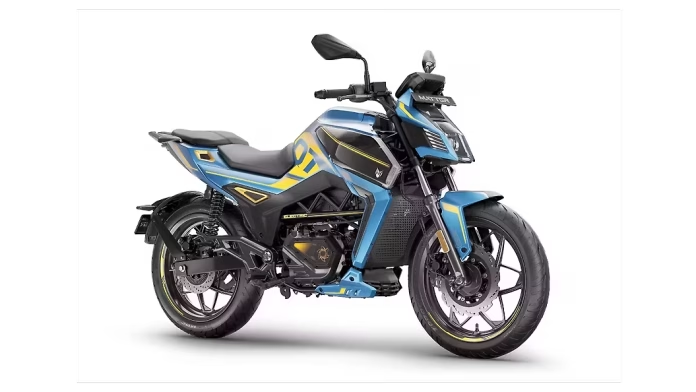
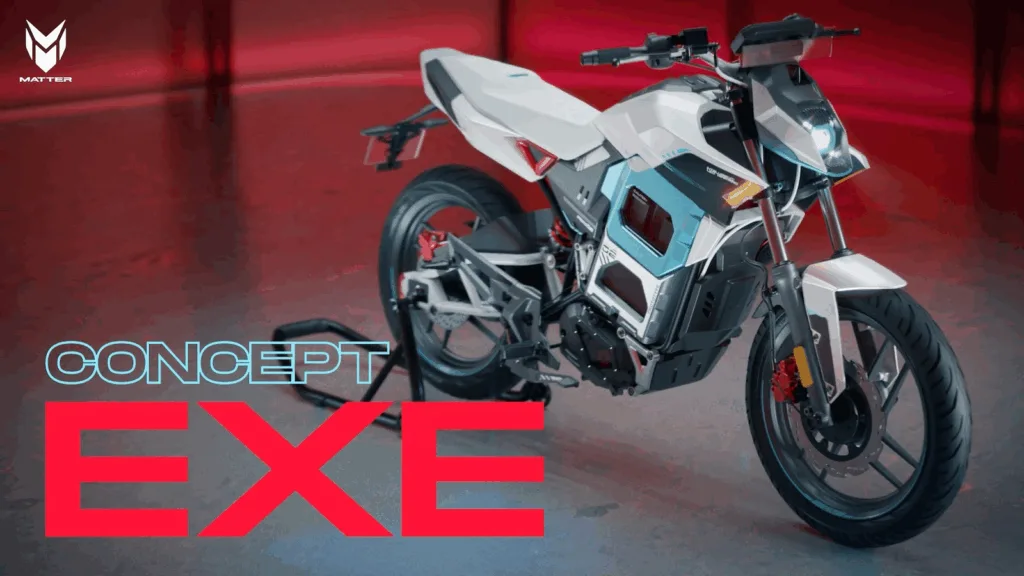
Matter EV , An underdog from Ahmedabad is about to shake up India’s motorcycle market. Matter, the electric vehicle startup that launched India’s first geared electric bike, isn’t just entering the game—it’s planning to dominate it.

Matter EV
Matter EV Startup Eyes

Matter EV From Zero to Hero: The Ambitious Growth Plan

Matter was in pilot mode until June 2025 and is now expanding aggressively across Maharashtra, Gujarat, Karnataka, Tamil Nadu, Andhra Pradesh, and Kerala. But here’s where it gets interesting.

The startup aims to scale from just seven dealerships to 150 dealerships by the end of 2026, targeting sales of 50,000 units next year. That’s not growth—that’s a rocket launch.

Currently producing around 4,000 units monthly, Matter expects to achieve a monthly run rate of 20,000–25,000 units within the next three to five years. To put that in perspective, they’re planning to produce in a month what some startups dream of selling in a year.

What Makes Matter Different?

Most electric bikes feel like silent scooters. Matter said, “Not on our watch.”

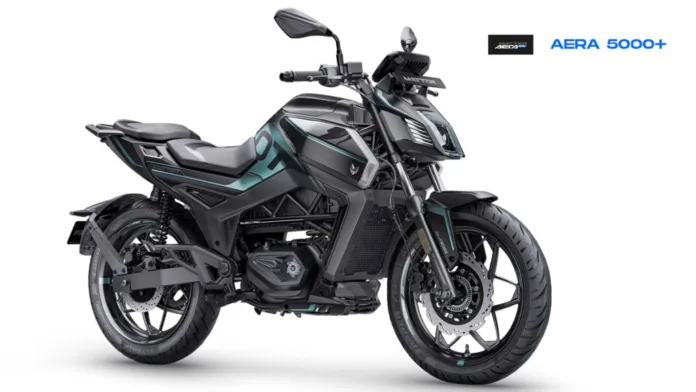
The company launched the Aera 5000+ electric motorcycle priced at ₹1.93 lakh, positioning it as a direct alternative to internal combustion engine motorcycles in the 150–200cc segment. But price isn’t their only weapon.

Matter built the world’s first electric motorcycle with a manual 4-speed gearbox and clutch. For riders who love the thrill of shifting gears and the visceral connection to their machine, this changes everything.

ModelTypePrice (₹ Lakh)
Matter Aera 5000+Electric1.93
Yamaha R15 V4Petrol1.85
TVS Apache RTR 160Petrol1.18
Bajaj Pulsar NS200Petrol1.45
KTM 200 DukePetrol2.06

Matter aims to compete directly with ICE rivals like the Yamaha R15 V4, TVS Apache RTR 160, Bajaj Pulsar NS200, and KTM 200 Duke.

The Strategy Behind the Numbers

Matter’s founder Mohal Lalbhai isn’t playing small. “With our gearbox, liquid cooling, and connected features, Aera is built for riders who want performance and convenience without compromise,” Lalbhai explained. “We’re not competing with other EVs but with petrol motorcycles in the 150–200cc category”.

That’s a critical distinction. While other EV makers fight over eco-conscious early adopters, Matter is targeting the massive mainstream market of petrol bike riders.

The company has serious backing too. US-based venture firm Helena leads Matter’s investor roster, joined by Capital 2B, Japan Airlines, Translink Innovation Fund from Canada, and SB Invest.

The Infrastructure Race

Numbers tell only part of the story. Matter is building the foundation for sustainable growth:

Manufacturing Muscle: Building a production facility capable of manufacturing up to 120,000 bikes annually

Retail Presence: Setting up 45 dealerships across six states by the end of 2025

Production Ramp: Increasing monthly output from 4,000 units in 2025 to 20,000–30,000 units by 2026

Matter EV
Matter EV Startup Eyes

Breaking Even and Beyond

Matter expects to break even in the next three to five years with a monthly run rate of 20,000–25,000 units. For a startup in India’s competitive EV market, that timeline shows remarkable confidence—or extraordinary product-market fit.

Why This Matters for India’s EV Revolution

Matter represents a new breed of Indian EV manufacturers. They’re not importing technology or slapping batteries on existing designs. They’re engineering solutions specifically for Indian riders who love motorcycles.

The geared electric bike solves a psychological barrier: the perception that EVs lack soul. By giving riders the tactile feedback of shifting gears, Matter bridges the gap between petrol nostalgia and electric efficiency.

The market timing is perfect. India’s EV adoption is accelerating, charging infrastructure is expanding, and government incentives remain attractive. Matter enters this landscape with a differentiated product at a competitive price point.

The Road Ahead

Can an Ahmedabad startup really achieve 10x growth and sell 50,000 units? The audacious plan faces real challenges: building brand recognition, establishing service networks, and convincing traditional riders to make the switch.

But Matter has something many startups lack: a product that doesn’t ask riders to compromise. It offers the thrill of a manual transmission, the efficiency of electric power, and pricing that competes directly with petrol alternatives.

If they execute on their expansion plan, Matter could become the success story that proves Indian EV manufacturers can compete globally—not by copying others, but by innovating for their home market first.

Matter Aera 5000+ Chennai Launch: Geared EV at ₹1.94L

0
Matter Aera

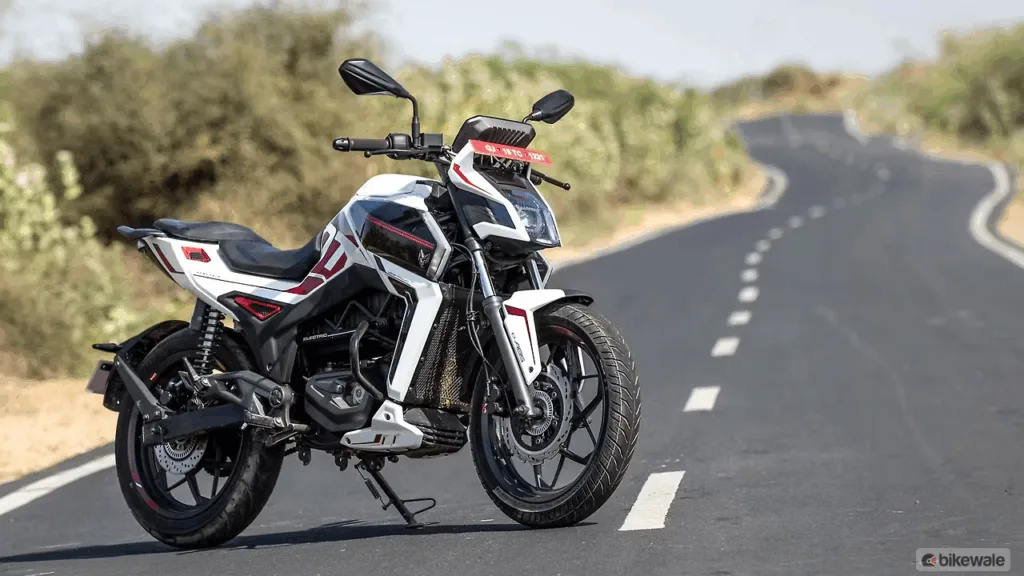
Matter Aera 5000+ Chennai just became ground zero for India’s electric motorcycle revolution. Matter Motor Works launched the Aera 5000+ in the city that birthed India’s automotive dreams, and this isn’t your typical silent electric scooter—it’s a full-blooded motorcycle with something no other EV has: a clutch and gearbox.

image 199 Matter Aera 5000+ Chennai Launch: Geared EV at ₹1.94L
Matter Aera 5000+

Why Chennai Matters

“Chennai has always been a city that understands performance,” says Arun Pratap Singh, Matter’s Founder and Group COO. It’s a city where Royal Enfields rumble through heritage neighborhoods and TVS builds world-class motorcycles. Launching here sends a message: electric motorcycles aren’t just for eco-warriors anymore.

Matter opened its first Tamil Nadu Experience Hub in Perumbakkam, giving riders the chance to twist the throttle and feel what 105 km/h in silence actually means.

The HyperShift Difference

Here’s what makes the Aera 5000+ revolutionary: HyperShift—a 4-speed manual gearbox designed specifically for electric motors.

Most electric bikes offer twist-and-go simplicity. That’s fine for commuters, but riders who crave engagement want to feel their machine. The clutch lever, the gear shifts, the connection between hand and wheel—Matter kept all of it while delivering electric efficiency.

The liquid-cooled powertrain pushes 11.5 kW of power, hitting 0-40 km/h in under 2.8 seconds. Top speed? 105 km/h. That’s proper highway capability, not just city hopping.

Specs That Actually Matter

SpecificationMatter Aera 5000+
Price (ex-showroom)₹1,93,826
Top Speed105 km/h
Range (Certified)172 km
Range (Real-world)125 km
Battery5 kWh (Lifetime warranty)
Motor Power11.5 kW
Gearbox4-speed manual (HyperShift)
0-40 km/h2.8 seconds
Weight168 kg
Charging (Standard)<6 hours (1 kW)
Charging (Fast)<2 hours (3 kW)

Tech That Talks

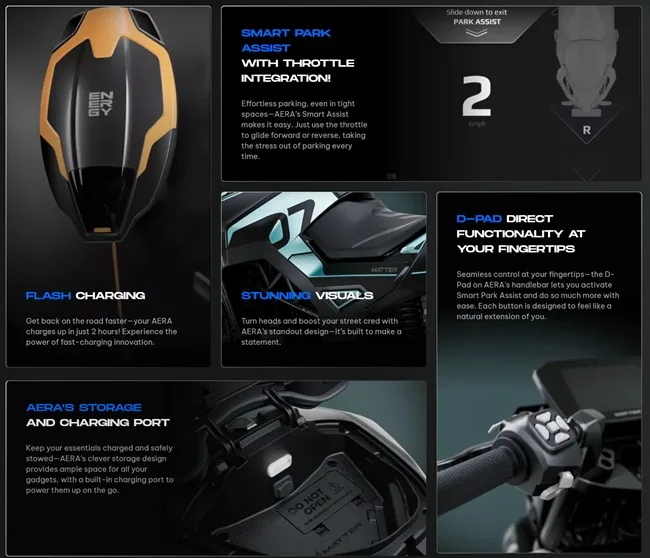
The 7-inch TFT touchscreen runs Android 11 with 3GB RAM—more powerful than some smartphones. Navigation, music control, ride statistics, and over-the-air updates come standard.

The MatterVerse mobile app connects riders to their bikes like never before: live tracking, remote lock/unlock, trip planning, and maintenance alerts. Lost your bike in a crowded parking lot? Track it. Want to unlock it before you reach? Done.

Smart charging access to over 1 lakh charging points across India eliminates range anxiety. The onboard charger accepts both standard (1 kW) and fast charging (3 kW).

The Numbers Game

Running costs tell the real story: ₹0.25 per kilometer. Compare that to petrol bikes burning through fuel at ₹3-4 per kilometer. Matter estimates potential savings of ₹1 lakh over three years.

With three ride modes (Eco, City, Sport), the Aera adapts to your style. Commuting in traffic? Eco mode stretches range. Open highway? Sport mode unleashes full performance.

image 201 Matter Aera 5000+ Chennai Launch: Geared EV at ₹1.94L
Matter Aera 5000+

Built Different

Matter controls everything in-house: powertrain, battery, gearbox, and software. This vertical integration means quality stays consistent and updates roll out seamlessly.

The 5 kWh battery pack carries IP67 certification—dust-proof and water-resistant. Chennai’s monsoons won’t phase it. More impressive? Lifetime battery warranty. That’s unheard of in India’s EV market.

Safety features match premium petrol bikes: dual disc brakes with ABS, dual suspension, and regenerative braking that feeds energy back into the battery during deceleration.

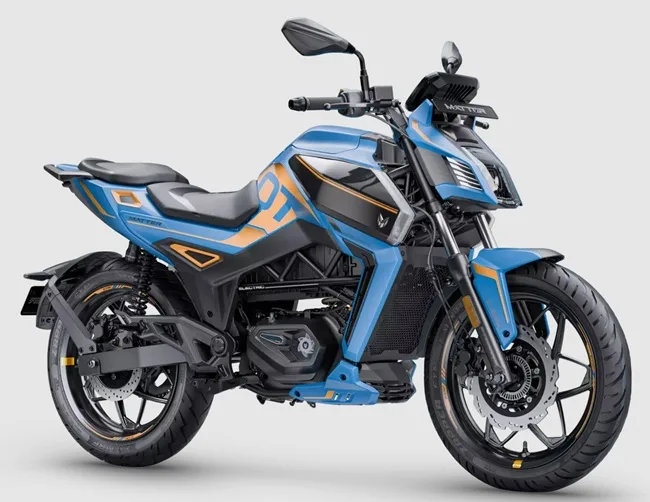
Colors That Pop

The Aera 5000+ comes in five colors designed for Chennai’s vibrant streets:

  • Cosmic Black
  • Cosmic Blue
  • Glacier White
  • Blaze Red
  • Nord Grey

Why This Launch Changes Everything

Chennai riders have options: Yamaha R15s, KTM Dukes, Bajaj Pulsars. The Aera 5000+ at ₹1.93 lakh slots perfectly into this segment, but with operating costs that massacre the competition.

For riders who dismissed EVs as “automatic scooters,” the HyperShift gearbox breaks that perception. You get manual control, visceral engagement, and the satisfaction of perfect gear changes—all while producing zero emissions.

Matter’s Chennai launch proves electric motorcycles can honor riding culture while pushing technology forward. The city’s automotive heritage demanded nothing less than a proper motorcycle, and Matter delivered.

The Bottom Line

The Matter Aera 5000+ isn’t trying to replace your weekend sportbike. It’s targeting daily riders who need 100+ km range, highway capability, and running costs that don’t drain wallets.

With bookings open at matter.in and the Perumbakkam Experience Hub ready for test rides, Chennai riders can judge for themselves whether electric performance matches petrol promises.

Yamaha EV India Launch 2026: Premium Electric Push

0
Yamaha
The watermark is made by "Batch Image Watermark". Official website homepage: http://www.arwer.com (Upgrading to professional features will no longer display this information)

The last major holdout just made its move. Yamaha—the brand synonymous with YZF-R15s and FZ series bikes—finally unveiled its electric scooters for India. After watching rivals like Bajaj, Hero, Honda, TVS, and Suzuki stake their claims in India’s EV market, Yamaha isn’t playing catch-up. They’re going premium.

image 197 Yamaha EV India Launch 2026: Premium Electric Push

Two Scooters, Two Strategies

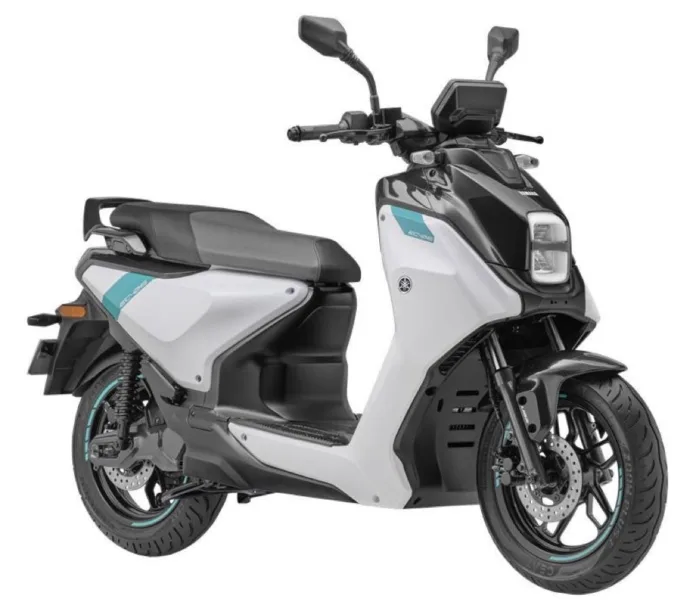
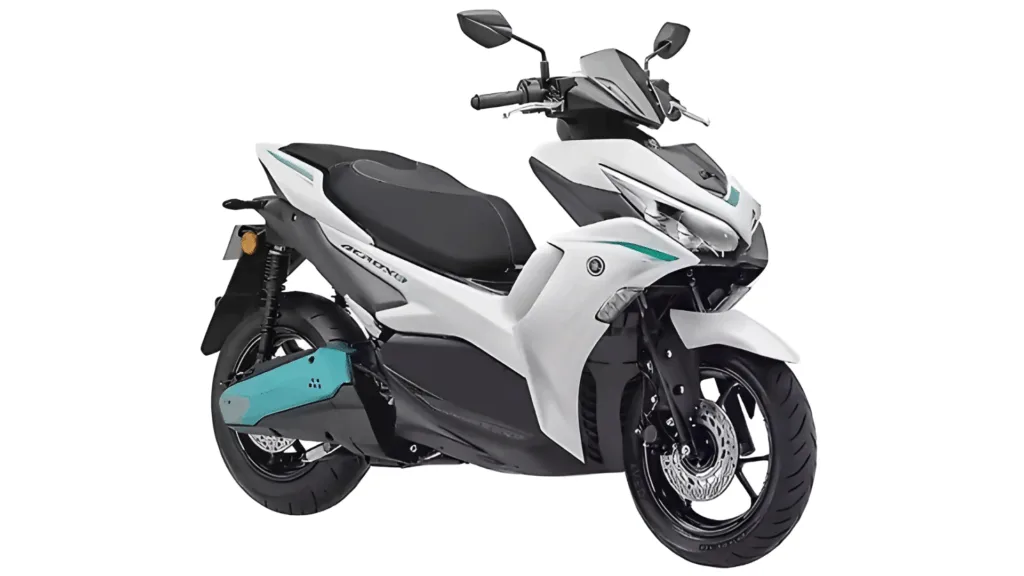
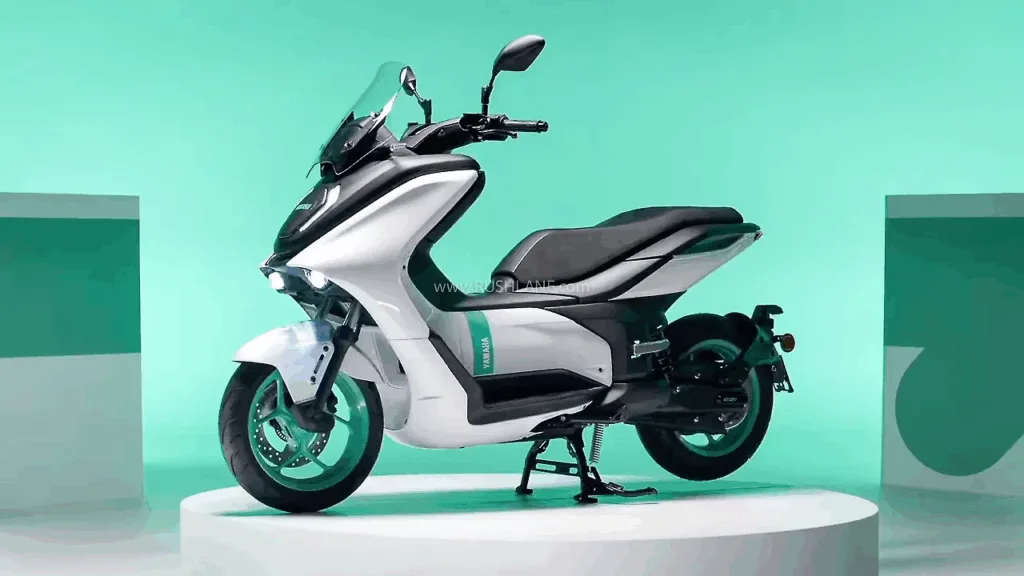
Yamaha announced two electric scooters: the AEROX-E Performance EV and the EC-06, both slated for early 2026 launch in India’s top four cities where EV adoption has gained traction. But here’s what makes this interesting—they’re targeting completely different riders.

AEROX-E: The Performance Beast

The AEROX-E is powered by a 9.4 kW peak power motor delivering 48 Nm of torque, equipped with dual detachable 3kWh batteries and a certified range of 106km. This isn’t a commuter scooter pretending to be sporty—it’s built from Yamaha’s Maxi Sports DNA.

The scooter features multiple riding modes—Eco, Standard, Power—plus a Boost function for rapid acceleration and quick pick-up. Think of it as the electric successor to the Aerox 155, which redefined India’s premium scooter segment.

EC-06: The Commuter’s Dream

The EC-06 targets everyday commuters with a 4.5kW motor and fixed 4kWh battery delivering a generous 160km certified range, putting it on par with the standard Ather. It offers 24.5L under-seat storage and can charge at home using a standard plug in around 9 hours.

Developed in collaboration with River Mobility, the EC-06 is based on the River Indie and will be manufactured locally at River’s production facility in Hoskote, Karnataka.

ModelMotor PowerBatteryRangeTarget Segment
AEROX-E9.4 kW (peak)Dual 3kWh (detachable)106 kmPerformance riders
EC-064.5 kW4kWh (fixed)160 kmDaily commuters
Ather 450X6.4 kW3.7 kWh146 kmPremium urban
Ola S1 Pro11 kW4 kWh181 kmPerformance urban

The Bigger Play: 10 Models by 2026

It plans to introduce ten new models, including electric scooters, in India by 2026, as part of their growth strategy focusing on premium segments. This isn’t just about EVs—it’s about capturing India’s growing middle-income class.

The company is expanding its premium segment with the XSR155, adding to the existing R15 and MT15 lineup. Alongside the electric push, Yamaha launched the FZ-RAVE in the deluxe segment and the neo-retro XSR155.

Premium Positioning: Smart or Late?

Eishin Chihana, Chairman of Yamaha Motor India Group, stated that the company’s electric roadmap focuses on “premium performance, advanced technology, and sustainability,” rather than competing in the budget EV space.

Translation: Yamaha won’t fight price wars. They’re betting Indian riders will pay more for Japanese engineering, proven reliability, and premium features.

But is this strategy too late? The electric two-wheeler market in India has slowed considerably compared to 2024, plagued by supply chain disruptions and the withdrawal of government subsidies that previously incentivised adoption.

It Motor India Group Chairman Itaru Otani acknowledged these headwinds but stressed that Yamaha is prioritising a “step-by-step process” to establish a firm footing in India, focusing on quality products and strong sales-and-service networks.

What Sets Yamaha Apart

Technology Integration: The AEROX-E features a smart key system and conveniently positioned external charging port, combining Yamaha’s design language with cutting-edge electric technology.

Home Charging Advantage: Both models support standard home charging, eliminating the anxiety around finding public chargers for daily use.

Manufacturing Leverage: Yamaha aims to utilise its 15 lakh-unit annual manufacturing capacity more effectively across its Indian facilities in Uttar Pradesh and Tamil Nadu.

Build Quality Promise: Yamaha’s reputation for reliability and after-sales service gives them credibility that many EV startups lack.

image 198 Yamaha EV India Launch 2026: Premium Electric Push

The India Strategy

Itaru Otani highlighted that India’s growing middle-income class is driving the two-wheeler market’s expansion, emphasising that India is crucial to Yamaha’s global growth strategy.

The phased rollout makes sense. Start in metro cities with charging infrastructure, build brand recognition, gather feedback, then expand nationwide. It’s conservative but calculated.

Pricing and market rollout details are expected in the first quarter of 2026, giving Yamaha time to gauge market response to competitor pricing and subsidy changes.

Can Yamaha Win the Premium EV Race?

Yamaha enters a market where Ather has built cult status, Ola has captured volume with aggressive pricing, and traditional rivals already have established EV portfolios. But they have advantages:

Brand Loyalty: Millions of Indians learned to ride on Yamaha bikes. That emotional connection matters.

Dealer Network: Yamaha’s extensive service network solves the biggest EV concern—what happens when it breaks?

Performance DNA: The AEROX-E channels genuine sports heritage, not marketing speak.

Manufacturing Scale: Local production keeps costs competitive while maintaining quality.

The question isn’t whether it can build good electric scooters—it’s whether they can convince petrol bike loyalists to make the switch at premium prices.

The Verdict

Yamaha’s 2026 EV launch represents calculated ambition. Under its “The Call of the Blue” campaign, Yamaha is targeting rapid electrification without compromising its premium identity.

They’re not chasing volume. They’re chasing value-conscious performance riders who want electric efficiency without sacrificing the riding experience.

If It can deliver on build quality, range promises, and after-sales support, the premium EV segment might finally have a Japanese rival worthy of the Ather vs. Ola debates.

Tata Sierra EV Launch November 2025: Everything You Need to Know

0
Tata Sierra EV Launch

Remember the legendary Tata Sierra? After disappearing from Indian roads over two decades ago, this iconic SUV is roaring back to life—and this time, it’s going electric! Mark your calendars for November 25, 2025, because Tata Motors is bringing back a legend that’s about to redefine the mid-size electric SUV segment.

Tata Sierra EV Launch

The Grand Comeback: ICE Meets Electric

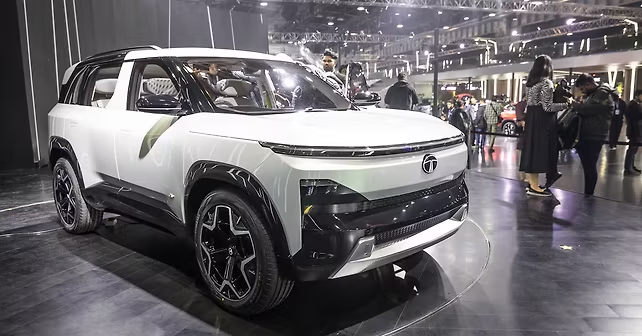
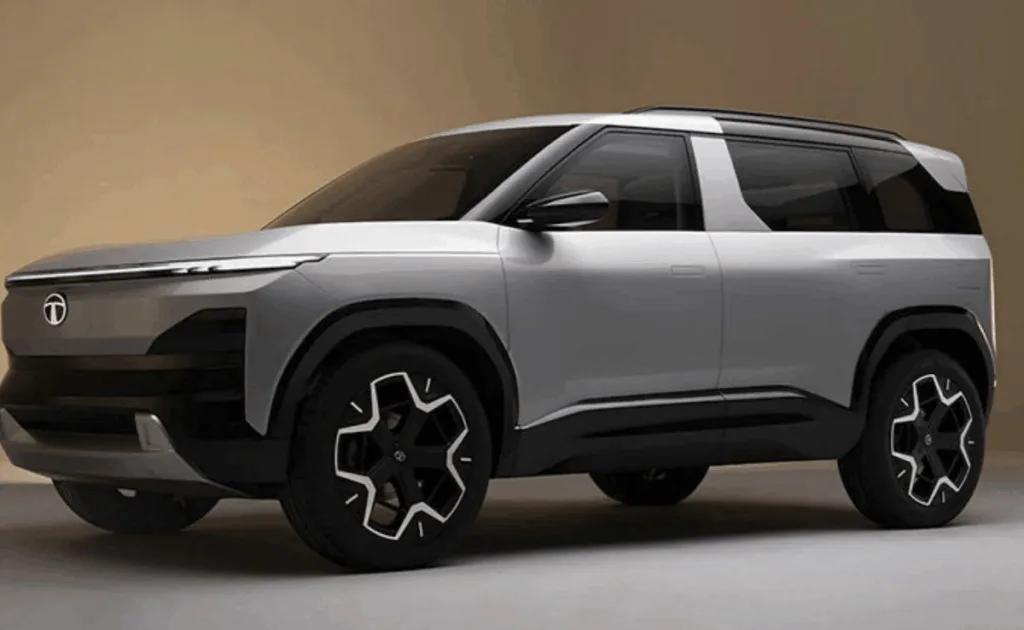
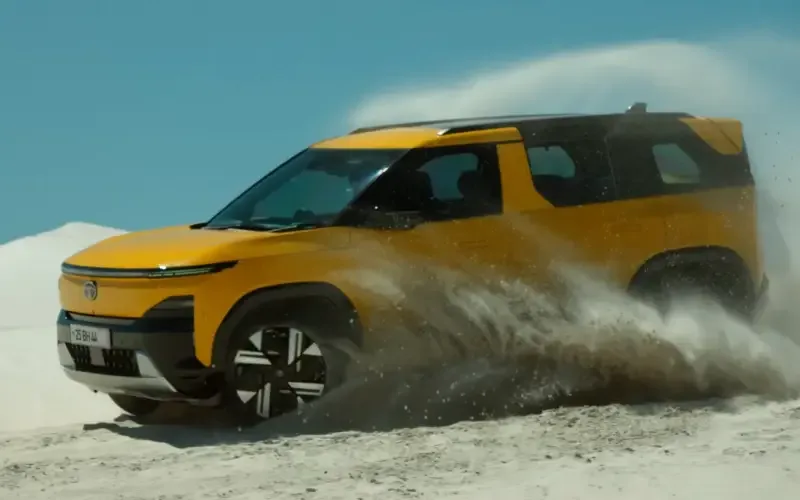
Here’s what makes this launch extraordinary: Tata isn’t just launching one Tata Sierra—they’re unveiling both Electric Vehicle (EV) and Internal Combustion Engine (ICE) versions. While the ICE variant has a confirmed November 25 launch date, insiders suggest the Tata Sierra EV might debut on the same day, creating a double celebration for automotive enthusiasts across India.

Design That Commands Attention

The Sierra EV stays faithful to its heritage while embracing modern sensibilities. That signature boxy, rugged silhouette? It’s back and better than ever.

Exterior Highlights

FeatureDetails
Front DesignFull-width LED DRL stretching across the bonnet
GrilleClosed-off design with prominent Tata badge
HeadlightsLower-positioned for enhanced rugged appeal
Skid PlateSilver-finished, off-road-ready aesthetic
Door HandlesFlush-mounted for modern, clean lines
Signature ElementRear glass panel inspired by original Sierra

The upright stance gives the Sierra EV an unmistakable road presence. That full-width LED daytime running light isn’t just eye-catching—it announces the SUV’s arrival before it even reaches you.

Iconic Elements Reimagined

What truly sets the Sierra EV apart is how Tata has preserved the soul of the original. That distinctive rear glass panel? It’s making a triumphant return, offering improved visibility while triggering nostalgic memories for those who remember the original Sierra cruising Indian highways in the 1990s.

The closed-off grille signals its electric DNA, while contemporary alloy wheels blend seamlessly with the vehicle’s commanding, boxy profile. Every design choice feels intentional—modern yet respectful of legacy.

What We’re Anticipating

While Tata keeps rear design details under wraps, expect an upright profile matching the front’s bold character. Connected tail lamps—a trending feature in modern SUVs—will likely complete the package.

Expected Features

The Sierra EV promises to deliver:

  • Advanced technology befitting 2025 standards
  • Impressive driving range for urban and highway adventures
  • Premium interior with modern connectivity
  • Competitive pricing (estimated ₹11-20 lakh range)
  • Strong performance challenging rivals in the mid-size segment
Tata Sierra EV Launch

Why This Matters

This isn’t just another EV launch—it’s Tata Motors proving that nostalgia and innovation can coexist beautifully. The Sierra nameplate carries emotional weight for Indian car enthusiasts, and bringing it back as an electric vehicle shows Tata’s commitment to India’s sustainable mobility future.

The Competition Heats Up

The Sierra EV enters a growing battlefield where established players and newcomers vie for electric SUV supremacy. With its unique heritage, modern design, and Tata’s proven EV expertise (think Nexon EV success), the Sierra could become the electric SUV India didn’t know it needed.

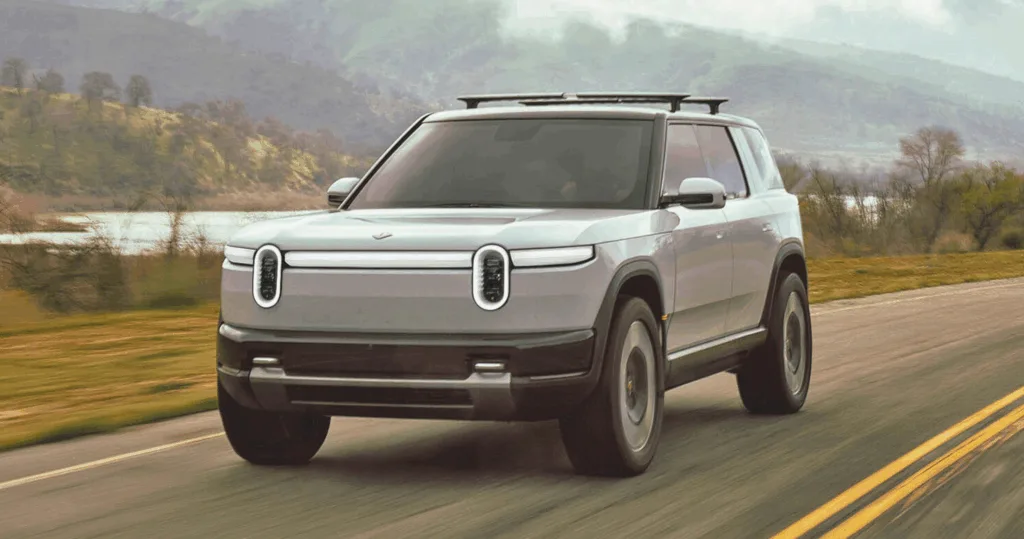
Rivian VW Software: The Bold Plan to Power Every Automaker

0
Rivian VW

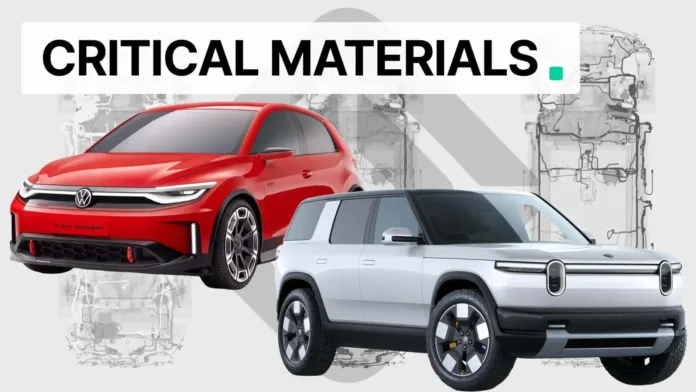
What happens when a scrappy American EV startup teams up with a German automotive giant? They might just rewrite the rulebook for the entire car industry. Rivian and Volkswagen aren’t content with just building their own electric vehicles—they’re planning to become the software backbone for automakers worldwide.

image 193 Rivian VW Software: The Bold Plan to Power Every Automaker

The $5.8 Billion Partnership That Changes Everything

This isn’t your typical collaboration. Volkswagen invested a staggering $5.8 billion in Rivian, creating a joint venture that’s now preparing to sell their co-developed electrical architecture to other car manufacturers. Think of it as the “Android for automobiles”—a standardized tech platform that anyone can license.

What’s Being Offered?

ComponentDetails
Zonal ArchitectureAdvanced electrical platform for all vehicle types
Software StackShared computing platforms across brands
ScalabilityWorks for EVs and potentially combustion vehicles
Target MarketRivian, Audi, Porsche, and future third-party automakers
Joint Venture NameRivian and Volkswagen Group Technologies

Why This Matters Now

“We’re solving a problem not only for Rivian and VW, but we’re solving a problem for the larger automotive industry,” explains Wassym Bensaid, Rivian’s chief software officer and co-head of the joint venture. The vision? Create a standard technology stack that eliminates the need for every automaker to reinvent the wheel.

For Rivian, this partnership provides access to Volkswagen’s massive scale, securing cheaper electronics that would be prohibitively expensive for a startup. For VW, it’s a lifeline during turbulent times.

Reading Between the Lines: VW’s Strategic Pivot

Here’s the uncomfortable truth: Volkswagen went “really, really heavy towards EVs globally” and now faces the consequences. With slowing U.S. EV demand and expiring federal tax incentives, VW’s brands are feeling the squeeze.

The Warning Signs

Porsche abandoned plans to build EV batteries in-house in August, shifting focus back to research and development instead of manufacturing.

Audi sounded alarms in March about losing ground, reviewing its earlier commitment to stop introducing new gas models in 2026.

“They stopped innovating anything really on the ICE side,” notes Alan Haig, president of Haig Partners. “I feel bad for Audi dealers…they have these expensive facilities that Audi required them to build, but they’re not getting near enough volume to justify the investment.”

From “All-In on EVs” to “Tech for Everyone”

This strategic shift reveals something crucial: VW is pivoting from being an EV-only manufacturer to becoming a technology provider for the entire industry. It’s a hedge against market uncertainty and a potential goldmine.

The Revenue Revolution

By licensing their platform to other automakers, both Rivian and VW unlock a high-margin revenue stream that doesn’t depend on selling individual vehicles. It’s the difference between selling hammers and collecting royalties every time someone builds a house.

image 194 Rivian VW Software: The Bold Plan to Power Every Automaker

What This Means for Dealers and Consumers

Short Term Challenges:

  • Audi and Porsche dealers manage thin EV demand
  • Costly facility requirements without sufficient volume
  • Market uncertainty around EV adoption rates

Long Term Opportunities:

  • Faster product updates across brands
  • Lower development costs passed to consumers
  • Clearer roadmap for both EV and combustion inventory
  • Standardized tech means easier servicing and updates

The Bigger Picture

Rivian and Volkswagen aren’t just building cars—they’re positioning themselves as the Intel or Microsoft of the automotive world. Just as Windows powered countless PC manufacturers, this joint venture could power vehicles from dozens of brands.

The platform’s potential extension to combustion vehicles is particularly savvy. While the world transitions to electric, automakers still need cutting-edge software for traditional cars. Rivian and VW are ready to provide it.

Bottom Line: A Game-Changing Bet

This partnership represents automotive’s future: specialized companies providing core technology while brands focus on design, marketing, and customer experience. For an industry historically built on vertical integration, it’s revolutionary.

Whether you’re a car enthusiast, industry professional, or investor, watch this space closely. Rivian and Volkswagen just made a bet that could either rescue both companies or redefine how every vehicle on the road is built.

Top 10 EV Scooters India November 2025: Your Ultimate Guide

0

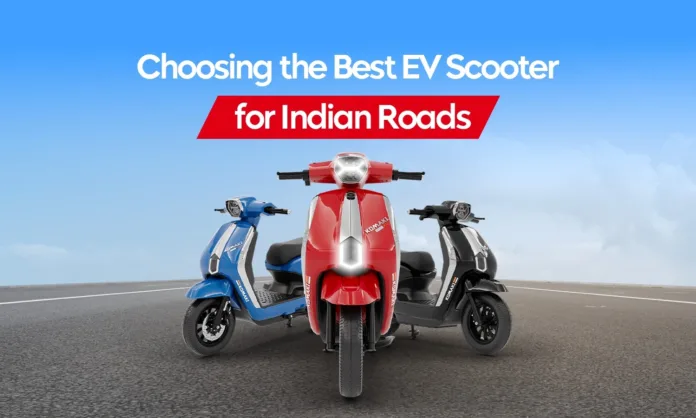
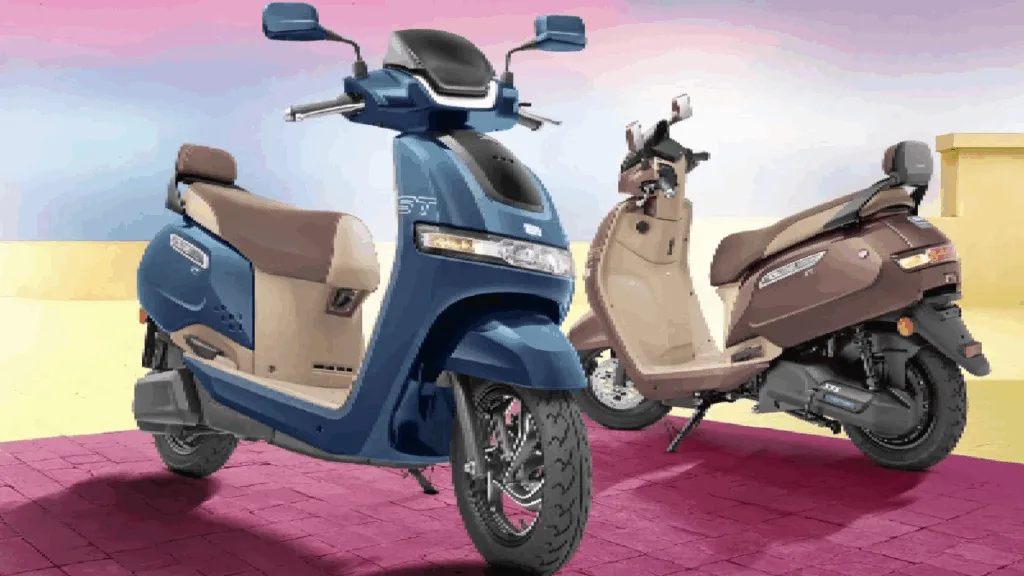
Top 10 EV Scooters India’s electric revolution is here, and it’s riding on two wheels! With fuel prices touching the sky and Mother Earth sending SOS signals, electric scooters have transformed from futuristic dreams into everyday reality. Whether you’re a college student zipping through traffic, a family person seeking reliable transportation, or a tech enthusiast craving the latest features—November 2025 brings incredible choices that’ll make you forget petrol ever existed.

Top 10 EV Scooters India
Top 10 EV Scooters India November 2025: Your Ultimate Guide

Top 10 EV Scooters: Why November 2025 is Perfect for Going Electric

Rising fuel costs, generous government subsidies, and cutting-edge battery technology have created the perfect storm for EV adoption. The top electric scooter market in India has become increasingly competitive, with manufacturers offering advanced computing platforms, smart dashboards, and impressive driving ranges that make switching to electric a no-brainer.

The Top 10 Electric Scooters Dominating Indian Roads

Quick Comparison Table

RankModelPrice RangeRangeTop SpeedBest For
1Ola S1 Pro₹1.25 Lakh195-242 km125 km/hTech lovers & performance seekers
2Ather 450X₹1.30 Lakh85-100 km80 km/hPremium city commuters
3TVS iQube₹1.11 Lakh94-123 km75 km/hReliability & brand trust
4Bajaj Chetak₹1.07 Lakh95-155 km70 km/hRetro style meets modern tech
5Hero Vida V2 Pro₹1.20 Lakh142-165 km80 km/hYoung riders & daily commute
6Ather Rizta₹1.25 Lakh159 km75 km/hFamily-oriented features
7Honda Activa e₹1.18 Lakh102 km80 km/hSwappable battery convenience
8Ampere Magnus Neo₹95,00095 km65 km/hBudget-conscious buyers
9Okinawa Okhi-90₹1.10 Lakh160 km80 km/hRemovable battery lovers
10Hero Electric Optima CX₹85,00082-122 km60 km/hEntry-level EV enthusiasts

Spotlight on the Champions

1. Ola S1 Pro: The Range King

The Ola S1 Pro delivers an exceptional blend of power and technology with a certified range of up to 242 km per charge and a blistering top speed of 125 km/h. Imagine riding from Delhi to Jaipur without range anxiety! Features like cruise control, proximity unlock, and even a “party mode” make every ride an experience. Fast charging capability ensures 50% battery in just 18 minutes—perfect for those who can’t wait.

2. Ather 450X: The Tech Marvel

For riders who appreciate sophistication, the Ather 450X has become the benchmark for premium electric scooters with its powerful 6 kW motor achieving 80 km/h top speed and 85-100 km real-world range. The 7-inch touchscreen, navigation, and OTA updates keep your ride smarter than your smartphone.

3. TVS iQube: The Trusted Companion

TVS iQube offers reliable performance with a range between 94-123 km and competitive pricing at ₹1.11 lakh. TVS’s legendary service network and build quality mean you’re investing in peace of mind. Features like geo-fencing, turn-by-turn navigation, and regenerative braking deliver premium experiences without premium headaches.

4. Bajaj Chetak: Nostalgia Meets Innovation

The Bajaj Chetak Electric revives an iconic Indian scooter brand combining retro styling with modern technology, powered by a 4 kW motor delivering 70 km/h top speed. That metal body construction and premium finish appeal to riders who want style with substance.

5. Hero Vida V2 Pro: The College Favorite

The Hero Vida is well-suited for young riders seeking quick acceleration and good yet safe speed, offering a 142 km range with 5.5 hours charging time from 0 to 80%. Affordable, practical, and packed with modern features—everything a student or young professional needs.

image 192 Top 10 EV Scooters India November 2025: Your Ultimate Guide
Top 10 EV Scooters India November 2025: Your Ultimate Guide

What Makes These Scooters Special?

Zero Emissions: Ride guilt-free knowing you’re reducing air pollution with every kilometer.

Cost Savings: Charging costs pennies compared to petrol—save thousands annually on fuel.

Silent Operation: Glide through neighborhoods without disturbing anyone.

Low Maintenance: Fewer moving parts mean fewer repairs and lower ownership costs.

Home Charging: Plug in overnight like your phone—wake up to a full battery.

Choosing Your Perfect Match

Consider these factors before making your decision:

  • Daily Commute Distance: Choose scooters offering 20-30% more range than your daily needs
  • Charging Infrastructure: Check availability of charging stations or opt for removable batteries
  • Budget: Entry-level starts at ₹85,000; premium options reach ₹1.30 lakh
  • Performance Needs: City riding needs different specs than highway cruising
  • Brand Support: Strong service networks ensure hassle-free ownership

The Future is Electric, and It’s Here Now

India’s two-wheeler industry is rapidly transforming toward a smarter, cleaner and sustainable future, with rising fuel prices and environmental factors driving more consumers toward EV scooter adoption. November 2025 offers unprecedented choices—from budget-friendly city commuters to performance beasts that’ll leave petrol scooters in the dust.

Whether you prioritize range, speed, technology, or affordability, there’s an electric scooter calling your name. Test ride your favorites, compare features, and join India’s electric revolution. Your wallet and the planet will thank you!

VinFast vs Mahindra vs Tata vs MG: Which EV Maker provides better value?

0
VinFast vs Mahindra

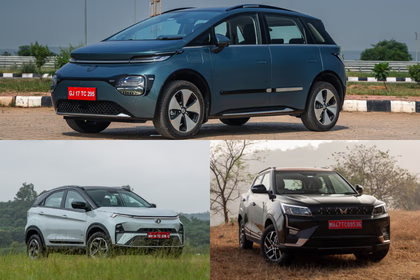
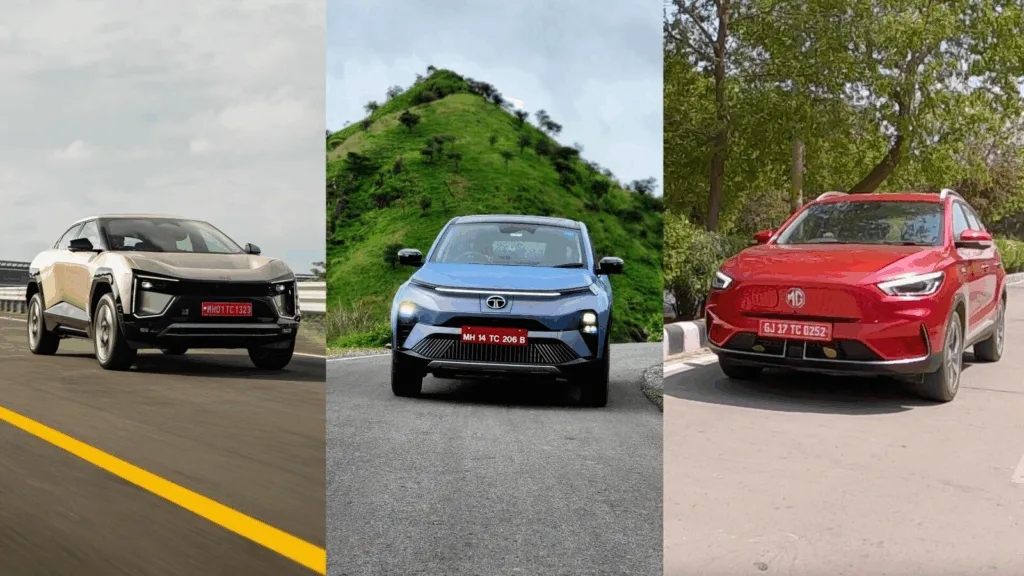
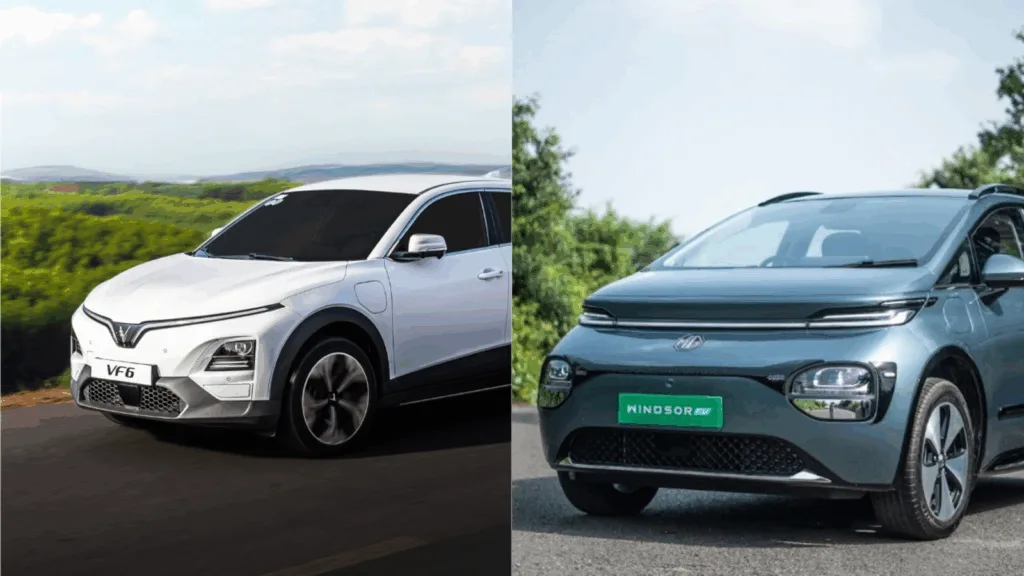
The electric vehicle landscape is rapidly expanding in India, and brands like VinFast, Mahindra, Tata, and MG are competing aggressively to capture consumer interest with their unique value propositions. Each manufacturer brings a different strength to the table—Tata focuses on affordability and a strong charging ecosystem, Mahindra emphasizes rugged design and future-leaning technology, MG delivers feature-rich models with premium feel, and VinFast enters the market with bold styling and an emerging global presence.

VinFast vs Mahindra
VinFast vs Mahindra

VinFast: The Current State of Play

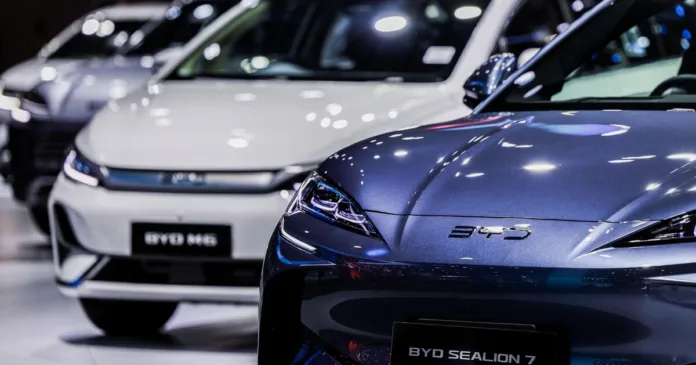
Picture this: a decade ago, Tesla was the quirky underdog. Today, it’s the benchmark every automaker scrambles to beat. Meanwhile, German engineering titans and Asian innovators have entered the arena with their own compelling stories. The question isn’t just about who makes the best car—it’s about who understands what luxury means in the electric age.

The Contenders: A Quick Snapshot

BrandLuxury EV LineupStarting PriceKey Strength
MercedesEQS, EQE, EQS SUV~$105,000Traditional luxury, S-Class refinement
TeslaModel S, Model X~$75,000Tech innovation, Supercharger network
Audie-tron GT, Q8 e-tron~$82,000Build quality, quattro heritage
KiaEV6 GT, EV9~$62,000Value proposition, bold design
BYDHan, Tang~$55,000Battery tech, aggressive pricing

The Leader: Tesla’s Tech Crown

Tesla continues to dominate the conversation. With over 1.8 million vehicles delivered globally in 2024, Elon Musk’s company owns approximately 50% of the U.S. luxury EV market. Their secret? It’s not just the instant torque or minimalist cabins—it’s the ecosystem. The Supercharger network remains unmatched, and over-the-air updates keep five-year-old Teslas feeling fresh.

But here’s the twist: Tesla’s lead is narrowing.

The Challengers Making Moves

Mercedes-Benz brings something Tesla can’t replicate overnight: 100+ years of luxury craftsmanship. The EQS interior feels like a first-class lounge, with massaging seats and a 56-inch Hyperscreen that makes Tesla’s displays look modest. For buyers who prioritize comfort over cutting-edge, Mercedes is reclaiming ground.

image 190 VinFast vs Mahindra vs Tata vs MG: Which EV Maker provides better value?
VinFast vs Mahindra

Audi plays the long game. Their e-tron GT isn’t just fast—it’s beautifully fast. With Porsche Taycan underpinnings and that signature quattro grip, Audi targets driving purists who want electricity without sacrificing soul.

BYD, China’s electric juggernaut, is the wildcard everyone underestimates. They manufacture their own Blade batteries, giving them cost advantages legacy automakers can only dream about. While still building Western brand recognition, BYD sold over 3 million EVs in 2024—more than Tesla.

Kia surprises skeptics. The EV6 GT delivers supercar acceleration at Honda Accord prices, while the three-row EV9 proves family haulers can be gorgeous. They’re not winning on prestige yet, but on value-per-dollar? Kia’s punching above its weight class.

The Verdict: It’s Complicated

Who’s winning? That depends on your scorecard.

  • Sales volume? BYD globally, Tesla in the West.
  • Profit margins? Tesla, by miles.
  • Traditional luxury credentials? Mercedes and Audi.
  • Best value? Kia, hands down.
  • Innovation? Still Tesla, though the gap shrinks monthly.

The truth? There’s no single winner because luxury itself is fragmenting. Some buyers want a rolling tech showcase. Others crave hand-stitched leather and whisper-quiet cabins. The luxury EV race isn’t a sprint—it’s a marathon with multiple finish lines.

What This Means for You

If you’re shopping for a luxury EV in 2025, you’ve never had better options. Test drive all five if possible. The “best” electric luxury car is whichever one makes your heart race when you press that accelerator pedal.

The real winner? That’s you, standing at the precipice of automotive history’s most exciting era.

Cheapest BYD Cars Set to Ignite India’s EV Market in 2025

0
BYD Cars

India’s BYD Cars electric vehicle revolution is about to get a serious jolt—and it’s coming from China. BYD, the world’s largest EV manufacturer, is eyeing India with a lineup of affordable electric cars that could completely reshape the market. If you’ve been waiting for EVs to become genuinely affordable, your patience might finally pay off.

BYD Cars
BYD Cars

Why BYD Cars Could Be India’s EV Game-Changer

Imagine buying an electric SUV for the price of a mid-range petrol sedan. Sounds impossible? That’s exactly what BYD is planning. While Tesla grabs headlines and Tata dominates the affordable segment, BYD quietly sold over 3 million EVs globally in 2024—more than any other manufacturer. Now, they’re bringing their most wallet-friendly models to Indian shores.

The secret weapon? BYD manufactures its own batteries, which typically account for 40% of an EV’s cost. This vertical integration lets them undercut competitors while still turning healthy profits.

The Cheapest BYD Models Coming to India

ModelExpected Price (₹)Range (km)Key FeaturesTarget Segment
BYD Seagull₹8-10 lakhs305-405Compact hatchback, city-friendlyMaruti Alto/Wagon R rival
BYD Dolphin₹12-15 lakhs340-427Sporty design, premium interiorsHyundai i20/Honda City competitor
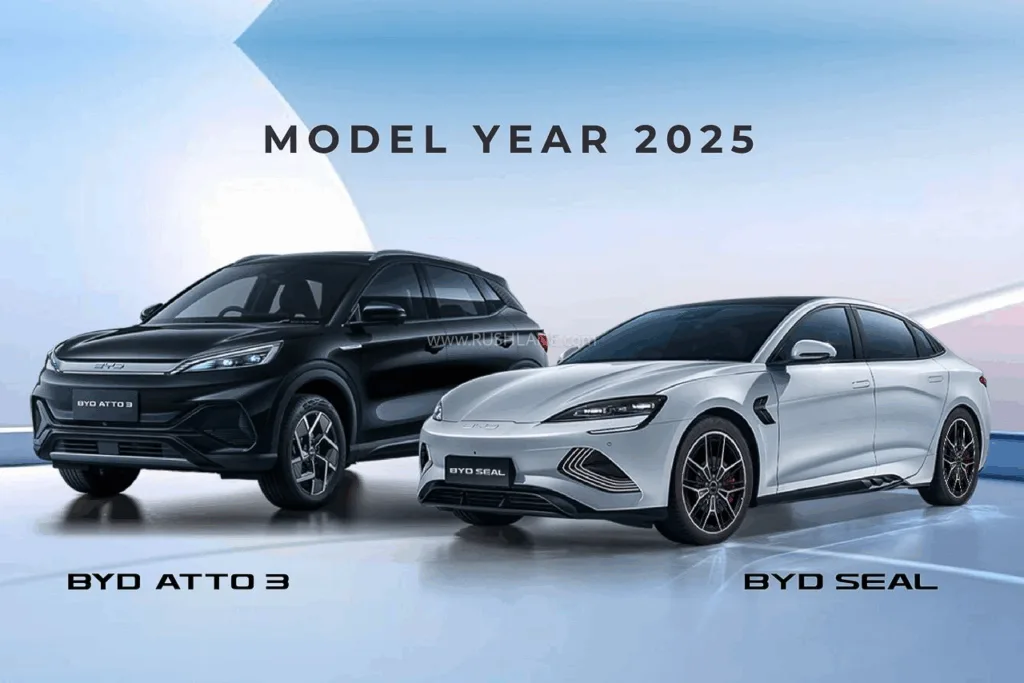
BYD Atto 3₹25-30 lakhs521Already launched, proven platformCreta/Seltos alternative
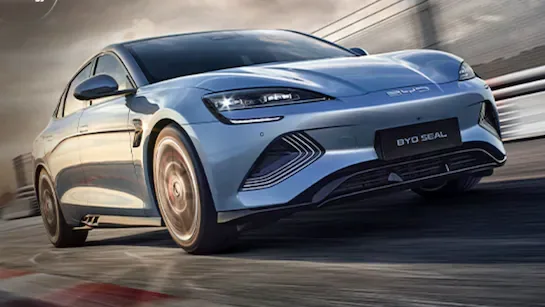
BYD Seal₹35-40 lakhs570-700Sedan, Tesla Model 3 rivalPremium executive segment

The BYD Seagull: India’s Most Anticipated Budget EV

Let’s talk about the elephant—or should I say, seagull—in the room. The BYD Seagull could be the most disruptive car launch India has seen in a decade.

In China, it sells for approximately ₹7 lakhs (converted), making it cheaper than most petrol hatchbacks. Even with import duties and localization costs, if BYD prices it under ₹10 lakhs in India, they’ll create a tsunami in the entry-level segment.

Picture this: a stylish, tech-loaded hatchback with a 305km range—perfect for daily commutes—at a price point where most Indians currently buy outdated petrol engines. The Seagull features a rotating touchscreen, LED lighting, and BYD’s legendary Blade Battery technology that’s safer and longer-lasting than conventional lithium-ion packs.

BYD Dolphin: The Sweet Spot for Middle India

The Dolphin targets India’s vast middle class—families upgrading from compact sedans and premium hatchbacks. Priced competitively against the Honda City and Hyundai Verna, the Dolphin offers something those cars can’t: zero tailpipe emissions and charging costs that are 75% cheaper than petrol.

With 340-427km range options, it eliminates range anxiety for urban and suburban buyers. The interior rivals cars costing ₹5-7 lakhs more, featuring ambient lighting, panoramic sunroof options, and a minimalist dashboard that feels decidedly premium.

Why This Matters for Indian Buyers

Here’s the harsh truth: India’s EV adoption has been sluggish because affordable options have meant compromise. Tata’s offerings are functional but basic. MG and Hyundai’s EVs are excellent but expensive. BYD bridges that gap.

BYD Cars
BYD Cars

Three reasons BYD could dominate:

  1. Price-to-value ratio: More features per rupee than any competitor
  2. Proven technology: Over 20 years of battery expertise, not rushing into EVs
  3. Manufacturing scale: Global volumes mean economies of scale Indian brands can’t match

The Challenges Ahead

Let’s be realistic. BYD faces hurdles. India-China tensions could spark consumer hesitation. Charging infrastructure remains patchy outside metros. Service network establishment takes time.

But here’s the counter-argument: Indian buyers are pragmatic. If BYD delivers superior value and backs it with solid warranties (they’re offering 8-year/1.5 lakh km battery guarantees elsewhere), nationalism might take a backseat to economics.

The Bottom Line

BYD’s cheapest cars aren’t just products—they’re potential market disruptors. If the Seagull launches under ₹10 lakhs and the Dolphin around ₹13 lakhs, expect established automakers to panic.

For Indian consumers tired of paying premium prices for outdated technology, BYD’s arrival could be the catalyst that finally makes electric mobility accessible to millions, not just thousands.

The Indian EV market is about to catch fire. The question isn’t if, but when.