Home Blog Page 13

VinGroup Asia CEO Meets Revanth for Telangana EV Investment

0
VinGroup Asia

VinGroup Asia, as Picture of a Vietnam-based conglomerate worth billions, a dynamic Indian Chief Minister with global ambitions, and a handshake in New Delhi that could reshape Telangana’s industrial future. This isn’t a Bollywood plot—it’s exactly what happened on November 15, 2025, when VinGroup Asia CEO Pham Sanh Chau sat down with Telangana CM A. Revanth Reddy.

VinGroup expressed strong interest in establishing Electric Vehicle manufacturing units and battery storage facilities in Telangana, alongside potential investments in solar and wind energy projects. And suddenly, Telangana’s dream of becoming India’s EV manufacturing hub got a massive Vietnamese stamp of approval.

VinGroup Asia
VinGroup Asia

Why VinGroup’s Interest Changes Everything

For those unfamiliar, VinGroup isn’t some startup chasing dreams with PowerPoint presentations. VinGroup is one of Vietnam’s largest conglomerates with business interests spanning real estate, automotive manufacturing, retail, healthcare, education, and technology.

Through its subsidiary VinFast, the company has already committed a staggering $2 billion investment in Tamil Nadu’s Thoothukudi for EV manufacturing. Now they’re eyeing Telangana—and Chief Minister Revanth Reddy couldn’t be more thrilled.

“Delighted to share with all my Telangana people that during my meeting with VinGroup Asia CEO Mr. Pham Sanh Chau, we found great resonance with our vision,” Reddy posted on social media, barely containing his excitement.

What’s Actually on the Table?

The meeting wasn’t just diplomatic pleasantries over chai. VinGroup’s discussions covered Electric Vehicle manufacturing units, battery storage facilities, solar and wind energy projects, aligning with the state’s focus on sustainable and clean energy expansion.

Investment AreaFocusStrategic Importance
EV ManufacturingProduction facilities for electric vehiclesCreates thousands of manufacturing jobs
Battery StorageHigh-capacity battery productionSupports entire EV ecosystem
Solar EnergyLarge-scale solar projectsPowers green manufacturing
Wind EnergyWind farm installationsRenewable energy infrastructure
Bharat Future CitySmart city development participationPositions Telangana globally

The CEO showed particular enthusiasm for the proposed Bharath Future City, acknowledging its visionary scope and expressing VinGroup’s readiness to participate in its development.

Translation: VinGroup sees Telangana not as a manufacturing outpost but as a strategic hub for their entire South Asian operations.

Revanth Reddy’s Master Plan Unfolds

Since taking office in late 2023, Revanth Reddy flipped investment inflows from $5 billion to $15 billion annually via single-window clearances and farm-to-factory pipelines. That’s not incremental growth—that’s a complete transformation.

His strategy is deceptively simple: Make Telangana so attractive that global giants can’t afford to say no.

The Revanth Reddy Playbook:

✓ Streamlined approvals slashing clearance times from 18 months to weeks
✓ Dedicated 200-acre EV manufacturing zones ready for plug-and-play
✓ Zero-emission mandates for new industrial parks
✓ Customized MOUs tailored to investor needs
✓ Land banks in strategic locations like Maheshwaram

Chief Minister Reddy hailed this alignment, noting how it dovetails with Telangana’s goal to host 20% of India’s EV output by 2030. That’s not a modest target—it’s a declaration of intent to dominate.

The Telangana Rising Global Summit: Where Deals Get Done

The Chief Minister extended a formal invitation to Mr. Pham Sanh Chau and VinGroup Chairman Mr. Pham Nhat Vuong to attend the Telangana Rising Global Summit 2025, scheduled for December 8–9.

This isn’t your typical government conference with boring PowerPoint slides and lukewarm coffee. The summit will feature 500 prominent companies, executives from multinational corporations, and representatives from ASSOCHAM, CII, FICCI, and NASSCOM.

The venue? A sprawling 100-acre space in Mucherla, Rangareddy district, designed for exhibitions, networking, and—most importantly—signing billion-dollar deals.

Organizers are planning a grand drone show and a presentation titled “Telangana Raising Vision 2047” featuring Guinness World Record elements. Because why do things halfway when you can literally break world records?

Why Telangana Over Gujarat or Maharashtra?

Fair question. Gujarat has been India’s investment magnet for decades. Maharashtra has Mumbai’s financial muscle. So why is VinGroup seriously considering Telangana?

Telangana’s Competitive Edge:

Speed: Single-window clearances that actually work, not just exist on paper
Space: Ready-to-deploy industrial land without bureaucratic nightmares
Infrastructure: World-class connectivity through Hyderabad’s tech ecosystem
Policy Support: Customized incentives for EV manufacturers and renewable energy
Leadership: A CM who personally courts investors instead of delegating to bureaucrats

Reddy’s ethos: “Telangana First.” He champions green bonds for BFC funding and EV rebates for farmers. When your Chief Minister treats investment attraction like a personal mission, things happen fast.

The VinFast Factor: Already Committed to India

Here’s what makes this particularly credible: VinFast isn’t window-shopping. VinFast has committed a $2 billion (approx. ₹16,600 crore) investment to establish a large-scale EV manufacturing facility in Thoothukudi, Tamil Nadu.

They’ve already chosen India. Now they’re deciding where to expand next.

In addition to Tamil Nadu, VinFast is actively engaging with Telangana and Andhra Pradesh for potential future expansion. The company plans to launch electric models VF7 and VF6 in India ahead of the festive season, marking their official market entry.

With operations in Indonesia, the Philippines, and the United States, VinGroup isn’t experimenting—they’re executing a calculated global expansion strategy, and Telangana is squarely in their crosshairs.

VinGroup Asia
VinGroup Asia

What This Means for Jobs and the Economy

Let’s talk real impact. This partnership could catalyze billions in investments, create thousands of jobs, and accelerate India’s transition to a net-zero future.

EV manufacturing isn’t just about assembling cars. It’s about:

  • Battery technology research and development
  • Charging infrastructure deployment
  • Renewable energy integration
  • Supply chain localization
  • Export opportunities to neighboring markets

If VinGroup commits even half of what they invested in Tamil Nadu, Telangana could see 10,000+ direct and indirect jobs created within three years.

The Challenges Nobody’s Talking About

Let’s be real—not everything is rosy. Critics might question the timing—India’s EV policy notifications lagged behind VinFast’s Tamil Nadu rollout, rendering some incentives inaccessible.

Potential Hurdles:

  • Federal vs. state policy coordination on EV incentives
  • Infrastructure readiness for large-scale battery production
  • Skilled workforce availability for advanced manufacturing
  • Competition from Tamil Nadu’s already operational facility
  • Geopolitical sensitivities around Vietnamese investments

Remember, the Centre previously rejected Chinese EV maker BYD’s Hyderabad proposal on security grounds. While Vietnam isn’t China, regulatory scrutiny remains a wildcard.

The Bottom Line: A Bet Worth Taking

If realized, VinGroup’s investments could boost Telangana’s EV ecosystem, create employment opportunities, and accelerate the adoption of sustainable mobility and clean energy solutions in India.

Revanth Reddy is betting Telangana’s future on green manufacturing, smart cities, and global partnerships. VinGroup is betting billions on India’s 1.4 billion-strong consumer market. When interests align this perfectly, magic tends to happen.

The December 8-9 summit will be the moment of truth. Will VinGroup sign on the dotted line? Or will this remain another “in principle” agreement that never materializes?

One thing’s certain: Telangana isn’t waiting around. With or without VinGroup, the state’s transformation into India’s EV manufacturing powerhouse is already underway. VinGroup just has the opportunity to be part of something historic.

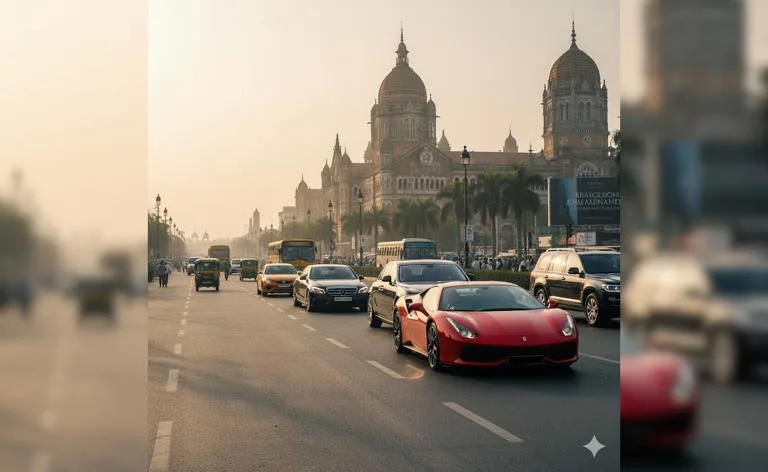
Ban on Luxury Cars Could Help Spur EV Mission: SC Suggests

0
Ban on Luxury Cars Could Help Spur EV Mission: SC Suggests

Ban on Luxury Cars, Imagine driving down Mumbai’s Marine Drive in a Mercedes S-Class when suddenly you realize your beloved luxury sedan might become illegal. Sounds absurd? The Supreme Court of India just proposed exactly that—a phased ban on high-end petrol and diesel vehicles to jumpstart the nation’s electric vehicle revolution.

In a landmark hearing on November 13, 2025, India’s apex court didn’t just nudge the government toward electric mobility—it threw down the gauntlet with a bold suggestion that could reshape the entire automotive landscape. And surprisingly, their logic is rock-solid.

Ban on Luxury Cars Could Help Spur EV Mission: SC Suggests

Why Target the Rich First?

Justice Surya Kant, leading the bench with Justice Joymalya Bagchi, posed a simple yet powerful question: Why not start with what affects the fewest people but sends the strongest message?

“Very small part of the Indian population can afford such vehicles. Just think of imposing a ban on the very high-end vehicles first,” Justice Kant remarked during the PIL hearing.

The brilliance of this approach lies in its surgical precision. By targeting luxury petrol and diesel cars—typically used by VIPs and large corporations—the policy would not impact the common public while sending a powerful message about India’s environmental priorities.

Translation: If billionaires and politicians can switch to electric, what’s your excuse?

The Court’s Three-Pronged Strategy

The Supreme Court’s proposal includes several strategic elements that could reshape India’s automotive transition:

Strategy ComponentDetailsImpact Timeline
Phased ImplementationStart with premium VIP and corporate vehiclesImmediate
Pilot ProjectsLaunch test programs in major metropolitan cities4-12 months
Policy ReviewComprehensive audit of NEMMP and NITI Aayog frameworks4 weeks
Multi-Ministry Action13 government departments coordinating EV adoptionOngoing

Attorney General R. Venkataramani informed the court that the government supports the idea and that 13 ministries are working together on EV adoption measures. When 13 ministries coordinate on anything in India, you know something serious is brewing.

The “Gas Guzzlers” Argument

Here’s where the Court got deliciously specific. Justice Kant noted that the market already offers high-end electric cars that can match the comfort and performance of conventional fuel-powered luxury vehicles.

Think about it: Mercedes EQS, BMW iX, Audi e-tron, Porsche Taycan, and even Tesla’s Model S Plaid are already prowling Indian roads. These aren’t glorified golf carts—they’re technological marvels offering:

✓ 0-100 km/h in under 4 seconds (faster than most supercars)
✓ Over 500 km real-world range (no more range anxiety)
✓ Luxury interiors that make traditional cars look outdated
✓ Performance that embarrasses conventional “gas guzzlers”

The Court’s message is clear: The technology exists. The alternatives are available. The only thing missing is political will.

The Infrastructure Chicken-and-Egg Problem

Advocate Prashant Bhushan, representing the petitioners, highlighted that while EV prices have reduced over time, inadequate charging infrastructure remains the key barrier.

It’s the classic dilemma: We need more EVs to justify building charging stations, but people won’t buy EVs without charging stations.

The Court’s response was refreshingly pragmatic: “These are market forces related issues. If electric vehicles are introduced, charging stations will also be there. Existing petrol stations can be provided”.

In other words: Build it, and they will charge.

The bench believes that market demand, not just regulation, will fuel India’s electric mobility revolution. Start with luxury EVs creating demand in premium areas, and the infrastructure will follow the money—literally.

Ban on Luxury Cars Could Help Spur EV Mission: SC Suggests

Who Wins and Who Loses?

The Winners:

Environment: Fewer luxury ICE vehicles mean significant emission reductions. A single Range Rover produces more CO2 annually than three average sedans combined.

EV Manufacturers: Mercedes, BMW, Audi, Tesla, and even homegrown brands like Tata’s luxury EV division stand to gain massive market share.

Charging Infrastructure Companies: A guaranteed customer base of wealthy early adopters makes investment viable.

Common Citizens: Luxury car owners subsidize the charging infrastructure that everyone else will eventually use.

The Losers:

Traditional Luxury Car Dealerships: Bentley, Rolls-Royce, and Lamborghini dealers might need to pivot—fast.

Petrol Pump Owners: Though the Court suggested retrofitting existing stations, the writing’s on the wall.

Status Symbol Seekers: That roaring V8 won’t impress anyone when it’s literally illegal.

The Policy Review Time Bomb

Here’s the kicker: Noting that some policies are more than five years old, Justices Kant and Bagchi suggested a re-evaluation of existing frameworks, including the NEMMP.

The National Electric Mobility Mission Plan dates back to 2012—when smartphones had physical keyboards and Tesla was a quirky startup. The Supreme Court has scheduled the next hearing in four weeks to assess the report and deliberate on the proposal further.

That’s government-speak for: “Get your act together, or we’ll make you.”

Why This Actually Matters

The move signals judicial impatience with the slow pace of EV infrastructure roll-out. When the Supreme Court starts making policy suggestions this specific, it’s not a gentle nudge—it’s a judicial sledgehammer.

India’s EV adoption has been frustratingly slow despite ambitious targets. Passenger EV sales more than doubling to 15,329 units in September compared to the previous year sounds impressive until you realize India sells over 300,000 vehicles monthly.

We’re nowhere near the tipping point. The Court knows it. The government knows it. And now, luxury car owners might have to lead the charge—literally.

image 231 Ban on Luxury Cars Could Help Spur EV Mission: SC Suggests

The Bigger Question Nobody’s Asking

If India bans luxury ICE vehicles, what happens to:

  • Imported classic cars and collector vehicles?
  • High-performance sports cars with no electric equivalents?
  • The massive pre-owned luxury car market?
  • Automotive heritage and enthusiast culture?

These aren’t trivial concerns. Car culture matters. But so does breathable air.

What Happens Next?

The Supreme Court has directed the Centre to file a detailed report within four weeks, after which the matter will be heard again.

The government can:

  1. Embrace the proposal and become EV transition heroes
  2. Delay and face judicial wrath
  3. Propose a watered-down version that satisfies nobody

My money’s on option three, followed eventually by option one after public pressure.

The Bottom Line: Leading from the Top

By targeting luxury fossil-fuel cars first, the court’s approach aims to minimize social impact while sending a strong signal to both auto manufacturers and consumers.

It’s progressive policy with conservative implementation—start where it hurts the least but matters the most. If India’s elite can’t make this sacrifice for the environment, what hope do we have for mass adoption?

The Supreme Court just called the bluff of every politician, bureaucrat, and corporate executive who claims to care about climate change while cruising in a diesel Land Cruiser.

The message is unmistakable: The electric future isn’t coming someday—it’s being mandated, starting with those who can most afford it.

EU China Electric Vehicle Tariff Deal: What It Means for You

0
EU China

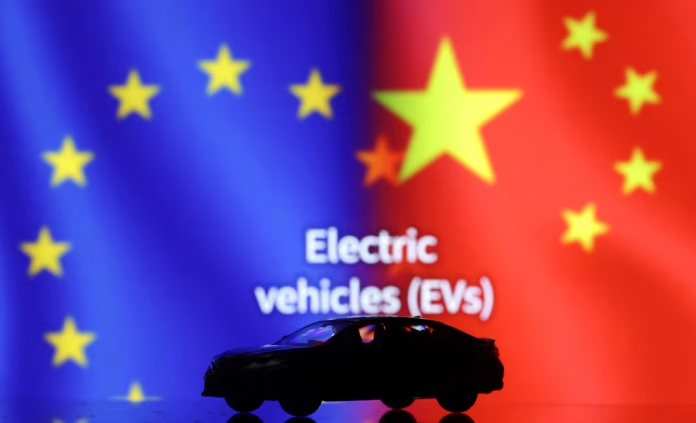
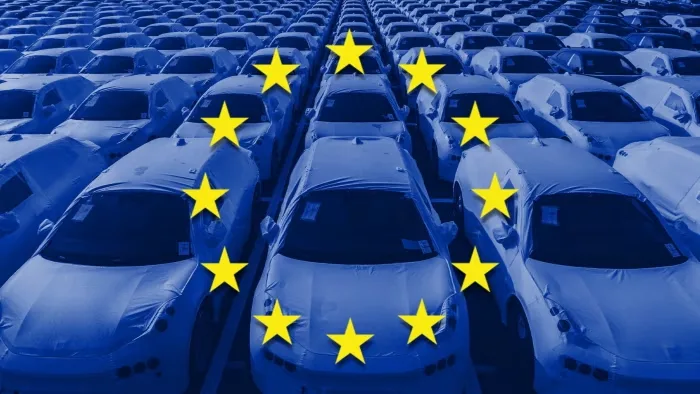
EU China, Europe’s streets filling with affordable electric vehicles, Chinese manufacturers breathing easier, and European automakers finally getting breathing room to innovate. After weeks of nail-biting negotiations, the impossible just happened—the European Union and China struck a landmark deal that could reshape the global electric vehicle landscape.

In the eleventh hour before planned tariff increases would have triggered a potential trade war, Brussels announced a breakthrough agreement that both sides are calling “balanced and mutually beneficial.” But what does this actually mean for consumers, manufacturers, and the future of clean transportation? Let’s break it down.

EU China
EU China

EU China: The Crisis That Almost Was

Tensions had been simmering for months. European automakers were sounding alarm bells about Chinese electric vehicles flooding their markets at prices they simply couldn’t compete with. The concern wasn’t just about losing sales—it was about survival.

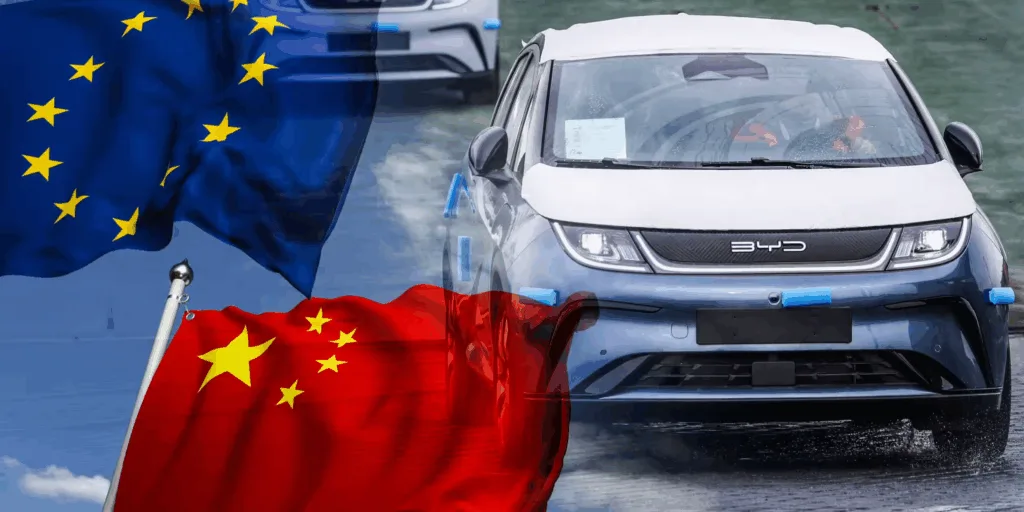
Chinese EVs, backed by substantial government subsidies, were arriving in European showrooms with price tags that made established manufacturers sweat. BMW, Volkswagen, and Renault watched nervously as BYD, NIO, and other Chinese brands gained ground with vehicles offering impressive range and technology at eye-catching prices.

The EU’s response? Planned tariff increases designed to level the playing field. China’s counter-threat? Retaliatory measures that could have sparked a full-blown trade conflict affecting far more than just cars.

What’s Actually in the Agreement?

The deal establishes a carefully calibrated framework that gives both sides what they desperately needed: certainty.

Key ComponentDetailsDuration
Transitional Tariff RateStructured import duties on Chinese EVs4 years
Market AccessContinued Chinese manufacturer presenceOngoing
Adaptation PeriodTime for European automakers to scale EV productionThrough 2029
Review MechanismScheduled compliance assessmentsQuarterly

The transitional tariff structure is the agreement’s masterstroke. Rather than slamming doors or leaving them wide open, it creates a gradual pathway that protects European manufacturers while maintaining healthy competition.

Chinese manufacturers retain access to the lucrative European market—but with guardrails. European companies gain precious time to ramp up their electric vehicle offerings without facing immediate elimination.

Winners and Losers: Who Benefits Most?

image 228 EU China Electric Vehicle Tariff Deal: What It Means for You
EU China

European Consumers: You’re the clear winners here. The agreement prevents sudden price spikes that would have made EVs less affordable precisely when the continent needs mass adoption most. Expect relatively stable pricing with continued competitive pressure keeping costs in check.

Chinese Manufacturers: BYD, NIO, and others avoid the nightmare scenario of being priced out of Europe entirely. They keep their hard-won market position but must play by clearer rules regarding subsidies and pricing strategies.

European Automakers: Volkswagen, Stellantis, and others bought themselves four critical years to accelerate EV development and scale production. The question remains: Will they use this gift wisely or squander it complaining about competition?

The Supply Chain: Battery producers, component manufacturers, and automotive workers across Europe and Asia gain the stability needed for long-term planning and investment.

The Bigger Picture: Beyond Brussels and Beijing

This agreement matters far beyond electric vehicles. It sets a crucial precedent for how major economies navigate the treacherous waters of clean energy competition in an increasingly protectionist world.

Trade wars are economically destructive, hurting consumers through higher prices while disrupting supply chains that took decades to build. The EU-China EV deal demonstrates that even fierce competitors can find middle ground when the stakes are high enough.

Global implications include:

✓ A roadmap for US-China negotiations on similar issues
✓ Proof that climate goals and trade concerns aren’t mutually exclusive
✓ Reduced risk of cascading retaliatory measures across sectors
✓ Increased investor confidence in the EV market’s stability

What Happens Next?

Implementation begins immediately, with the transitional framework kicking in as planned tariff increases are shelved. Over the next four years, scheduled reviews will assess compliance and market conditions, potentially adjusting terms as the EV landscape evolves.

European manufacturers now face a crucial test: Can they leverage this breathing room to build genuinely competitive electric vehicles? Or will 2029 arrive with European brands still playing catch-up?

Chinese manufacturers, meanwhile, must navigate the new framework while maintaining their competitive edge. The subsidy question—long a sore point for European officials—will remain under close scrutiny.

The Unanswered Questions

Not everything is resolved. This agreement specifically addresses electric vehicle tariffs, but broader EU-China trade tensions simmer on. Issues ranging from solar panels to critical minerals remain contentious.

Technology transfer provisions hint at potential joint ventures and cooperation—but details remain murky. Will we see Chinese-European EV partnerships emerge? Could this lead to manufacturing facilities bringing Chinese technology and European design expertise under one roof?

The Bottom Line: Stability Wins

In a world increasingly defined by economic nationalism and trade conflicts, the EU-China electric vehicle tariff agreement stands out as a rare example of pragmatic problem-solving. Both sides came to the table recognizing that mutual destruction benefits nobody.

For consumers, this means continued access to diverse, competitive EV options at reasonable prices. For the planet, it means avoiding disruptions to the electric vehicle transition precisely when momentum is building. For manufacturers, it means clarity to plan, invest, and compete.

The global electric vehicle market just dodged a bullet. Now comes the hard part: ensuring that this four-year window produces genuine progress rather than merely postponing inevitable conflicts.

The road to an electric future just got a little smoother. Whether Europe’s automakers use this on-ramp wisely will define not just their own futures, but the pace of the world’s transition away from fossil fuels.

Hero Vida Nex 3 EV Concept 2025: India’s Micro-Mobility Game

0
Hero Vida Nex

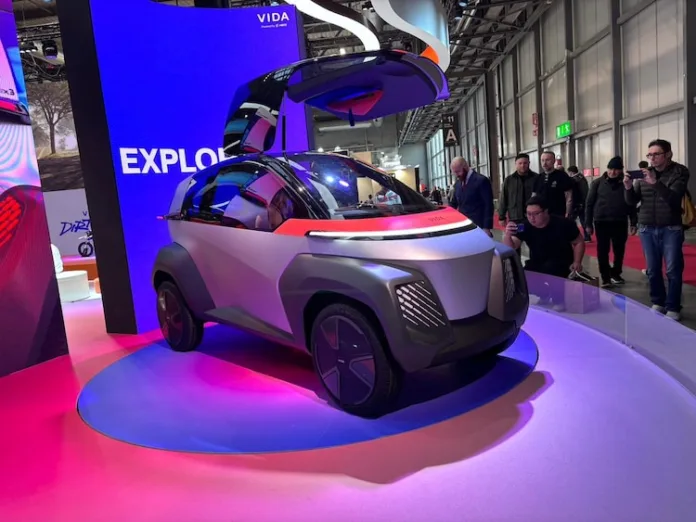
Imagine threading through Mumbai’s chaotic traffic in something narrower Hero Vida Nex than a rickshaw but safer than a scooter, protected from monsoon rains and summer heat. That’s not science fiction—it’s the Hero Vida Nex 3, and it’s about to rewrite India’s urban commute rulebook.

At EICMA 2025 in Milan, Hero MotoCorp dropped a bombshell that nobody saw coming: India’s two-wheeler titan is gunning for four wheels. Not with another boring sedan, but with a radical micro-electric vehicle that could finally solve the “too big for a bike, too small for a car” dilemma millions face daily.

Hero Vida Nex
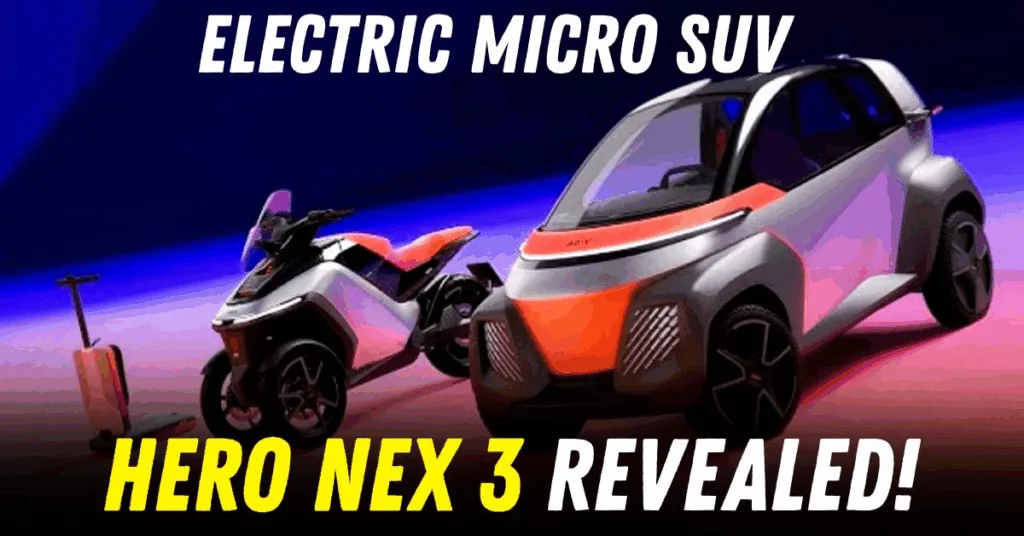
Hero Vida Nex 3 EV Concept

What Exactly Is the Vida Nex 3?

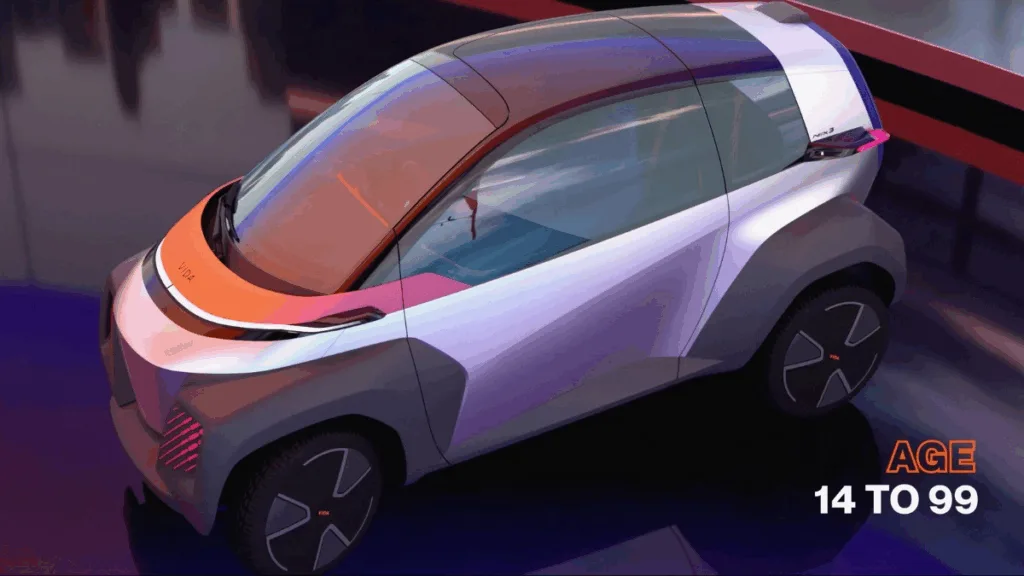
Think of it as a personal mobility pod designed by someone who actually uses public transport. The Nex 3 features tandem seating with passengers sitting one behind the other, offering a fully enclosed weatherproof cabin with a narrow footprint specifically aimed at urban congestion and last-mile mobility.

This isn’t your grandfather’s economy car. Hero designed the Nex 3 concept for longer distances and everyday utility, efficiently crafted without compromising comfort, and aimed at ages 14 to 99. Yes, you read that right—teenagers to grandparents, everyone’s invited to this electric revolution.

Why Micro-EVs Are India’s Next Big Thing

Remember when everyone laughed at the Tata Nano? Well, they’re not laughing at the MG Comet anymore. The MG Comet’s success is one of the main reasons many brands are eyeing the microcar segment, with these vehicles expected to be in high demand due to growing car numbers and limited road space.

Here’s the brutal truth about Indian cities:

  • Finding parking is harder than finding affordable housing
  • A four-seater car carries one person 90% of the time
  • Scooters leave you drenched or sunburnt
  • Traffic congestion costs Indians billions in lost productivity

The Nex 3 addresses every single pain point. It’s compact enough to slip through traffic, enclosed enough to protect you from the elements, and practical enough for daily commutes without breaking the bank.

The Vida Novus Vision: Beyond Just Cars

Hero unveiled the Vida Novus portfolio featuring three innovative vehicles—Nex 1 (a personal electric vehicle), Nex 2 (a self-balancing electric trike), and Nex 3 (an all-weather personal EV offering four-wheel safety and comfort).

ModelTypeTarget Use
Nex 1Wearable/Portable EVUltra-short personal mobility
Nex 2Self-balancing TrikeUrban commuting with stability
Nex 3Micro Four-WheelerAll-weather urban & rural travel

This isn’t just product diversification—it’s Hero’s declaration that the future of mobility isn’t one-size-fits-all. Executive Chairman Pawan Munjal stated that Novus symbolizes renewal and reinvention, reimagining how the world will move and shaping a future that’s inspiring, intelligent, and inclusive.

The Real Competition: Who Should Worry?

MG Comet (₹6.99-9.40 lakh): Currently owns this space, but lacks the backing of India’s largest two-wheeler maker and its massive service network.

Ola’s Upcoming Micro-EV: Ola Electric has patented a new micro-electric car currently under development, making this a three-way battle for micro-mobility dominance.

Traditional Scooters: This could cannibalize Hero’s own scooter sales—but better to eat your own lunch than let competitors do it.

Hero Vida Nex
Hero Vida Nex 3 EV Concept

What We Don’t Know (Yet)

Hero’s playing its cards close to the chest. As of November 2025, Hero has not disclosed detailed technical specifications such as battery size, driving range, power output, top speed, or pricing.

Critical Questions Remaining:

  • What’s the realistic city range?
  • Will it qualify for FAME subsidies?
  • Can Hero price it under ₹5 lakhs?
  • When does production actually begin?

The Bigger Picture: Hero’s Electric Ambition

Don’t think the Nex 3 is happening in isolation. From November 2022 to October 2025, Hero Vida delivered 141,117 e-scooters, with strong growth driven by the Vida V2 and Vida VX2 models.

Hero isn’t just dipping its toes in electric water—it’s doing a cannonball. The company also revealed:

  • Vida Concept Ubex: An electric motorcycle for urban exploration
  • Vida Project VxZ: Developed with Zero Motorcycles (USA)
  • Vida DIRT.E Series: Electric off-road bikes, including the K3 for kids

Why This Actually Matters to You

If you’re still skeptical about micro-EVs, consider this: Should these concepts materialize into production-spec cars, it will cause a paradigm shift in the market, creating a segment for mass micro-mobility and potentially prompting other two-wheeler brands to explore this space.

For Urban Commuters: ✓ Lower operational costs than any car
✓ Protected from weather unlike scooters
✓ Easier parking than traditional vehicles
✓ Potentially accessible to non-license holders (age 14+)

For the Environment: ✓ Smaller battery = lower resource consumption
✓ Reduced urban congestion
✓ Zero tailpipe emissions

The Waiting Game

The Vida Nex 3 EV will be further developed, with expectations to see the production version within the next five years. That might sound like forever in tech years, but developing a completely new vehicle category from scratch isn’t building a scooter with a different paint job.

The Bottom Line

Hero MotoCorp isn’t just building a micro-EV—they’re betting on a fundamental shift in how Indians move through cities. The Vida Nex 3 represents something bigger than a quirky concept car: it’s a vision of practical, affordable, and sustainable urban mobility that could finally make electric vehicles accessible to the middle class.

Will it succeed? That depends on pricing, infrastructure, and whether Hero can overcome the “too small to be a real car” perception that killed the Nano. But one thing’s certain: India’s largest two-wheeler maker throwing its weight behind micro-mobility legitimizes the entire segment.

The streets of Mumbai, Delhi, and Bangalore might look very different in 2030. And they’ll be quieter, cleaner, and far less congested—with tandem-seated, electric pods weaving through traffic like the future finally arrived.

Delhi EV Charging Infrastructure: ₹16.99 Cr ISBT Investment

0
Delhi EV Charging Infrastructure: ₹16.99 Cr ISBT Investment

Picture this: You’re standing at Kashmere Gate Bus Terminal on a crisp Delhi morning, watching sleek electric buses glide silently into their bays. No smoke. No noise. Just the hum of progress. This isn’t a distant dream—it’s Delhi’s reality taking shape right now.

The Delhi government just announced a game-changing ₹16.99 crore investment to install EV charging infrastructure at three major Interstate Bus Terminals (ISBTs). For a city choking on pollution and traffic, this move could be the breath of fresh air we’ve been waiting for.

Delhi EV Charging Infrastructure: ₹16.99 Cr ISBT Investment

Why This Matters to Every Delhiite

Delhi’s air quality has been making headlines for all the wrong reasons. But here’s the good news: the Delhi Transport Infrastructure Development Corporation (DTC) is transforming how we think about public transport. They’ve floated tenders to install charging stations at Kashmere Gate, Sarai Kale Khan, and Anand Vihar—the three arteries that keep Delhi connected to neighboring cities.

This isn’t just about buses. It’s about your daily commute, the air your children breathe, and the city we’ll leave for future generations.

Breaking Down the ₹16.99 Crore Investment

ComponentSpecificationImpact
Substations1,600 KVA, 11KV/433VPowers multiple buses simultaneously
Fast Chargers240KW capacityRapid charging during peak hours
Standard Chargers60KW capacityEfficient overnight charging
Total Investment₹16.99 CroreComplete charging ecosystem

What does this technical jargon actually mean? Simple: hundreds of buses can charge at once, cutting waiting times and keeping your commute on schedule.

The Ambitious 8,000 E-Bus Vision

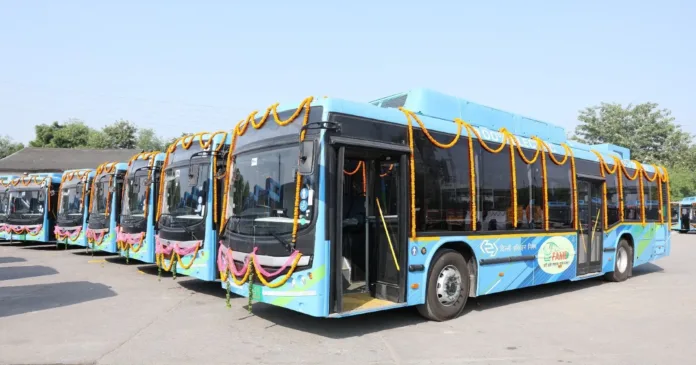
Here’s where things get exciting. Delhi currently operates 3,400 electric buses—already impressive. But the government plans to skyrocket this number to 8,000 by 2026. That’s not just doubling; it’s reimagining urban mobility.

The Timeline:

  • Today: 3,400 e-buses running
  • Coming Months: Expansion to 6,000 buses
  • By 2026: Full fleet of 8,000 electric buses

Chief Minister Rekha Gupta recently flagged off interstate electric buses from Kashmere Gate to Sonipat, marking a historic moment. The Delhi-Baraut route already runs on clean electricity. Soon, every route connecting Delhi to NCR cities will follow suit.

image 224 Delhi EV Charging Infrastructure: ₹16.99 Cr ISBT Investment

Why These Three ISBTs?

The selection isn’t random. Each terminal serves a strategic purpose:

Kashmere Gate: Your gateway to northern destinations—Chandigarh, Haryana, Himachal Pradesh.

Sarai Kale Khan: Connects you south and east—Agra, Jaipur, and beyond.

Anand Vihar: The eastern corridor—Ghaziabad, Lucknow, and northeastern states.

By electrifying these hubs, Delhi covers every direction, every commuter, every journey.

The Technology Behind the Green Revolution

The 240KW high-capacity chargers are the real heroes here. Think of them as the espresso machines of the EV world—quick, powerful, and efficient. A bus can charge during driver breaks, eliminating lengthy downtimes that plagued earlier electric fleets.

The 1,600 KVA substations provide the muscle, ensuring that even during rush hours when multiple buses need charging, there’s never a power shortage. It’s infrastructure that thinks ahead.

What This Means for You

Cleaner Air: Each electric bus replaces a diesel guzzler, cutting carbon emissions dramatically.

Quieter Streets: Electric buses whisper past, reducing noise pollution in already chaotic terminals.

Reliable Commutes: Better infrastructure means fewer breakdowns and delays.

Economic Growth: The project creates jobs—from contractors to electricians to maintenance teams.

The Road Ahead

The tender process has begun, with only government-approved contractors eligible to bid. Civil and electrical work starts within months, ensuring quality and safety standards. The eighteen-month timeline to full electrification is ambitious but achievable.

This isn’t just Delhi’s story. It’s a blueprint for Indian cities everywhere. When the capital leads, others follow.

The Bottom Line

Delhi’s ₹16.99 crore investment in ISBT charging infrastructure isn’t about numbers on a balance sheet. It’s about a mother breathing easier knowing her child won’t grow up with asthma. It’s about the auto driver who can finally hear his own thoughts over the rumble of engines. It’s about proving that development and sustainability aren’t enemies—they’re partners.

The electric revolution isn’t coming. It’s already here, charging up at a terminal near you.

MG4 EV India Launch 2025: Price, Range & Features

0
MG4 EV India Launch 2025

Picture this: You’re zipping through Mumbai’s congested streets in complete silence, zero emissions trailing behind you, while your fellow commuters are stuck honking in traffic. Welcome to the future that MG Motor is bringing to India with the highly anticipated MG4 EV.

Electric hatchbacks are no longer a distant dream in India—they’re becoming the preferred choice for urban warriors who demand style, sustainability, and savings. The MG4 EV arrives as a game-changer in India’s electric vehicle landscape, promising to redefine what we expect from compact EVs.

MG4 EV India Launch 2025

What Makes the MG4 EV Special?

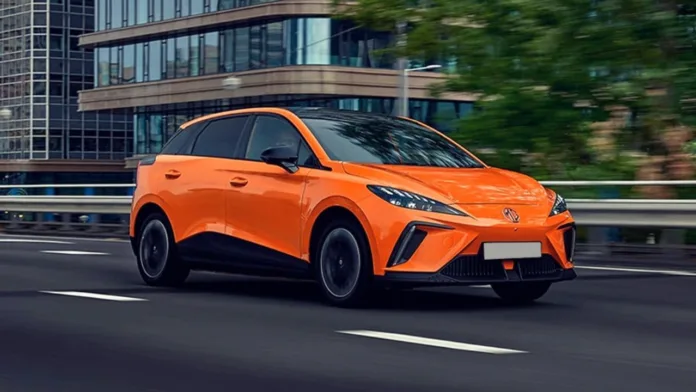
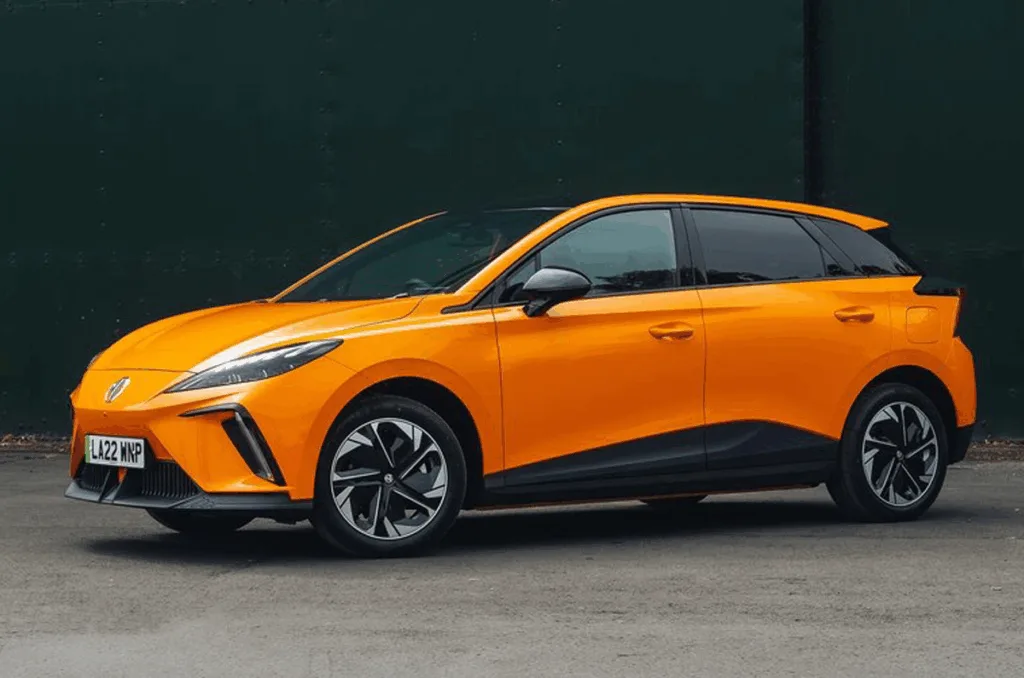
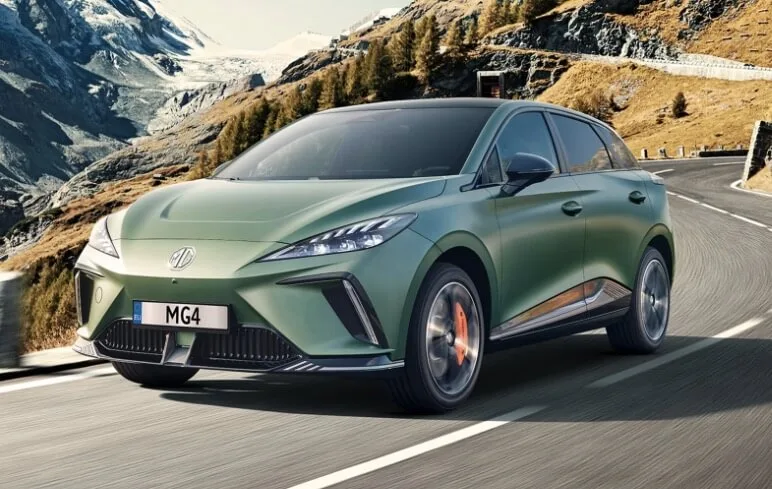
Built on SAIC’s advanced E3 electric platform, the MG4 EV isn’t just another electric car—it’s a rear-wheel-drive electric hatchback designed for those who refuse to compromise on driving pleasure. The lightweight architecture ensures nimble handling while maximizing interior space, giving you the best of both worlds.

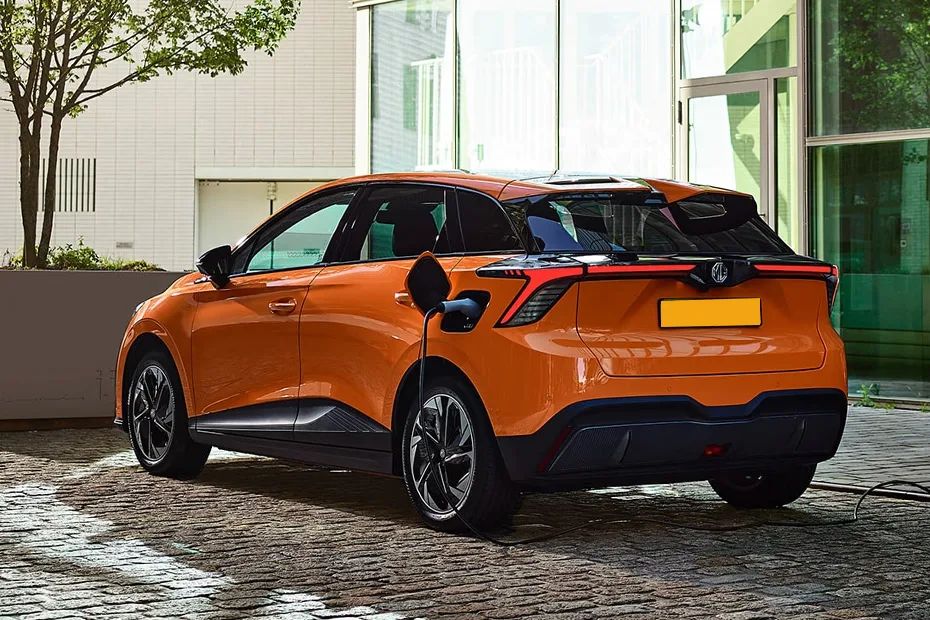
The exterior screams futuristic elegance with sleek LED projector headlamps, a distinctive split honeycomb grille, and aggressive air ducts that hint at its sporty DNA. Flip to the rear, and you’ll find connected LED tail-lamps, a sporty spoiler, and a bold bumper that announces its premium pedigree.

Battery Options & Performance That Delivers

Here’s where things get exciting. The MG4 EV comes equipped with two battery configurations designed for different driving needs:

Battery CapacityEstimated RangePower OutputTorque
42.8 kWh437 km161 hp250 Nm
53.9 kWh530 km161 hp250 Nm

With a top speed of 160 km/h and fast-charging capabilities, range anxiety becomes yesterday’s problem. The six-in-one integrated electric motor delivers smooth, responsive power whether you’re navigating city traffic or cruising on highways.

What’s truly revolutionary? MG offers a semi-solid-state battery variant globally—making it the world’s first production EV with this cutting-edge technology. While India may initially receive standard LFP batteries, the technology showcase signals MG’s commitment to innovation.

MG4 EV India Launch 2025

Technology That Thinks Ahead

Step inside, and you’re greeted by a cabin that blends minimalist design with maximum functionality. Depending on the variant, you’ll find either a 10.25-inch or an impressive 15.6-inch touchscreen display, complemented by a fully digital instrument cluster.

Advanced Features Include:

  • ADAS Technology: Lane-keeping assist, autonomous lane changing, and automatic parking take the stress out of driving
  • 360-Degree Camera: Park with confidence using comprehensive visibility and ultrasonic sensors
  • Premium Infotainment: Powered by Qualcomm Snapdragon 8155 chip for lightning-fast responsiveness
  • Seamless Connectivity: Full support for Android Auto and Apple CarPlay keeps you connected

The Price Reality Check

Let’s talk numbers. While the MG4 EV starts at approximately ₹8.5 lakhs in China, Indian buyers should expect pricing around ₹30 lakhs (ex-showroom). Before you wince, consider that this accounts for import duties, battery costs, and localization investments.

At this price point, the MG4 EV positions itself as a compelling alternative to the Tata Nexon EV long-range variants, BYD Dolphin, and Hyundai Kona EV—but with arguably more style and technological sophistication.

Why the MG4 EV Matters

India’s EV revolution needs vehicles that don’t just replace petrol cars but improve upon them. The MG4 EV delivers on that promise with:

image 222 MG4 EV India Launch 2025: Price, Range & Features

✓ Impressive real-world range eliminating charging anxiety
✓ Rear-wheel-drive dynamics for genuine driving pleasure
✓ Premium features typically reserved for luxury vehicles
✓ Spacious, practical design perfect for Indian families
✓ Future-ready technology that won’t feel outdated tomorrow

The Bottom Line

The MG4 EV isn’t just another electric vehicle—it’s MG Motor’s bold statement that affordable electric mobility doesn’t mean compromising on quality, performance, or features. Expected to launch in late 2025, this electric hatchback could very well be the tipping point that convinces mainstream buyers to make the electric switch.

For urban professionals, young families, and tech enthusiasts seeking their first premium EV, the MG4 EV presents a compelling package wrapped in an attractive, modern design. The future of Indian mobility is electric, stylish, and arriving sooner than you think.

Saudi Arabia EV Charging: 60 New Stations by 2025

0
Saudi Arabia EV Charging: 60 New Stations by 2025

Picture this: cruising through the Saudi Arabian desert in your electric vehicle, sunlight glinting off solar panels, and not a single worry about where your next charge will come from. Sounds futuristic? It’s happening right now.

Saudi Arabia is making a bold statement in the electric vehicle revolution. The Kingdom isn’t just dipping its toes into sustainable transportation—it’s diving in headfirst with an ambitious infrastructure plan that’s transforming the landscape of mobility across the Arabian Peninsula.

image 218 Saudi Arabia EV Charging: 60 New Stations by 2025

The Big Announcement: 60 Stations Before Year’s End

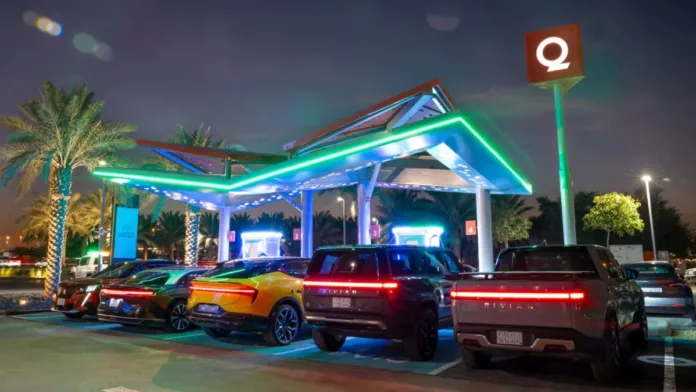
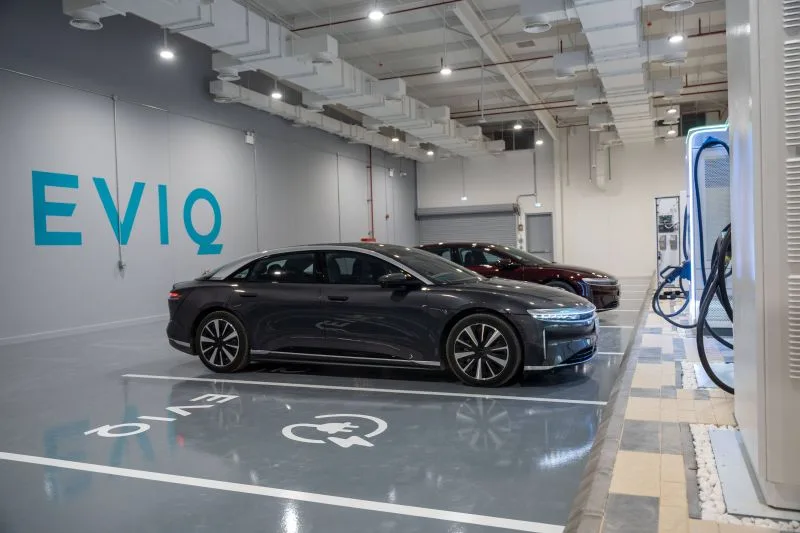
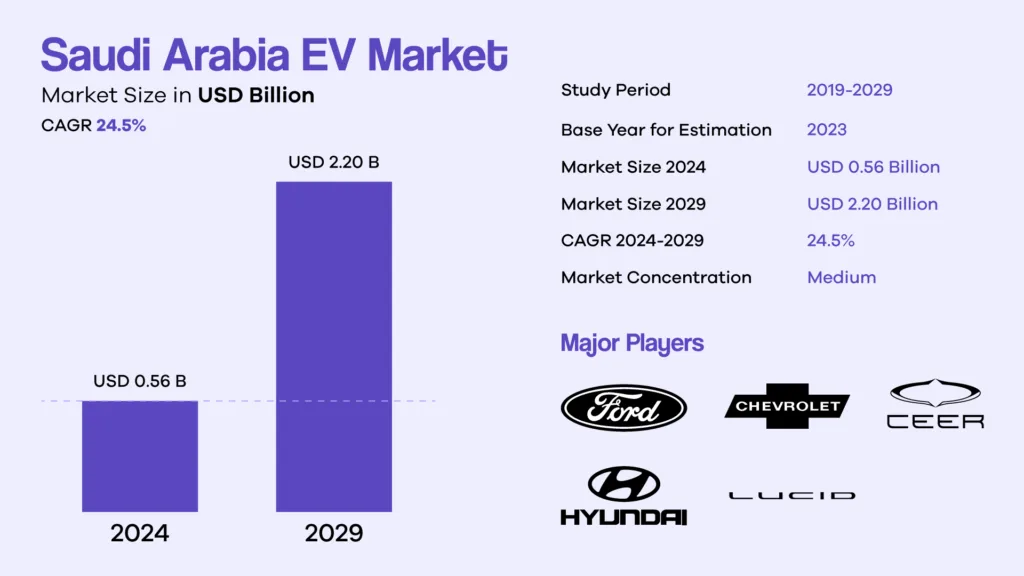
EVIQ, Saudi Arabia’s state-backed EV charging powerhouse, has just confirmed something electric vehicle enthusiasts have been waiting to hear: 60 brand-new charging stations will be operational by the end of 2025. This isn’t just an incremental upgrade—it’s a seismic shift in how Saudi Arabia approaches sustainable transportation.

Mohammad Gazzaz, CEO of EVIQ, delivered this game-changing news while acknowledging the Kingdom’s EV market is still in its “early stages.” Currently, electric vehicles represent only about 1% of new car sales in Saudi Arabia, but that number is about to explode.

Who’s Behind This Electric Revolution?

EVIQ isn’t just another startup chasing green dreams. It’s a powerful joint venture between the Public Investment Fund and Saudi Electricity Co.—two giants combining forces to create a comprehensive national charging network that will support explosive EV growth over the coming years.

Key PlayersRole
EVIQLeading infrastructure development
Public Investment FundFinancial backing & strategic support
Saudi Electricity Co.Power supply & technical expertise
Lucid MotorsLocal EV manufacturing partner
CeerSaudi-based EV brand collaboration

Where Will These Charging Stations Pop Up?

The expansion isn’t random—it’s strategically designed to connect Saudi Arabia’s major cities and economic hubs:

Primary Focus Areas:

  • Riyadh – The capital and economic powerhouse
  • Jeddah – The gateway to Mecca and commercial center
  • Eastern Province – Oil industry headquarters and industrial hub

Major Highway Corridors:

  • Jeddah to Madinah route
  • Riyadh to Dammam corridor
  • Riyadh to Qassim connection

These aren’t just local routes—they’re the arteries of Saudi commerce and pilgrimage, serving millions of travelers annually. Placing charging infrastructure along these highways eliminates range anxiety and makes long-distance EV travel practical, not just possible.

image 219 Saudi Arabia EV Charging: 60 New Stations by 2025

The Numbers Behind the Vision

MetricTargetTimeline
New Stations (2025)60 stationsEnd of 2025
Long-term Goal5,000 stationsAligned with adoption rates
EV Adoption Target30% of vehiclesBy 2030
Current EV Market Share~1%As of 2024

The contrast between 1% today and 30% by 2030 isn’t just ambitious—it’s revolutionary. That’s a 30-fold increase in just six years, requiring infrastructure to match demand at every step.

Why This Matters Beyond Saudi Arabia

Saudi Arabia has built its economy on fossil fuels for decades. This pivot toward electric vehicles represents more than environmental consciousness—it’s a fundamental reimagining of the Kingdom’s future under Vision 2030, the comprehensive plan to diversify beyond oil dependency.

When an oil-producing giant invests heavily in EV infrastructure, it sends a powerful message to the global community: the future is electric, and it’s arriving faster than anyone predicted.

The Brand Boost: Who’s Driving Change?

The charging infrastructure expansion coincides perfectly with major automakers flooding the Saudi market with compelling EV options:

  • Tesla – Already turning heads with Model 3 and Model Y
  • Mercedes-Benz – Bringing luxury electric sedans and SUVs
  • BYD – Offering affordable electric options for mass adoption
  • Lucid Motors – Manufacturing premium EVs locally in Saudi Arabia
  • Ceer – The homegrown Saudi EV brand powered by Rimac technology

EVIQ’s partnerships with Lucid and Ceer are particularly strategic, ensuring that locally-produced vehicles integrate seamlessly with the national charging network. This creates a “smooth and flexible charging experience” that eliminates friction for early adopters.

What Happens After 2025?

While 60 stations by year-end is impressive, it’s merely the opening act. Gazzaz outlined even bolder ambitions: 5,000 charging stations nationwide. Though there’s no fixed deadline, this expansion will scale proportionally with EV adoption rates—a smart, sustainable approach that avoids building infrastructure nobody uses while ensuring supply never lags behind demand.

The focus in 2026 will intensify on highway coverage, making cross-country electric travel not just feasible but comfortable. Imagine driving from Riyadh to Jeddah knowing charging stations await you at regular intervals, just like traditional gas stations today.

The Bottom Line: Saudi Arabia’s Electric Future

This isn’t just about installing charging points—it’s about cultural transformation. Saudi Arabia is proving that oil-rich nations can lead the renewable energy transition rather than resist it.

For EV enthusiasts, potential buyers, and environmental advocates, the message is clear: Saudi Arabia is building the infrastructure for an electric future, and it’s happening faster than most people realize.

The countdown to 60 stations has begun. By the time 2025 wraps up, Saudi Arabia will have transformed from an EV curiosity to a serious player in sustainable transportation. And with Vision 2030’s 30% adoption target looming, this is just the beginning of the Kingdom’s electric revolution.

2026 Jetour Traveller PHEV: 212km Range at $17,600

0
2026 Jetour Traveller PHEV: 212km Range at $17,600

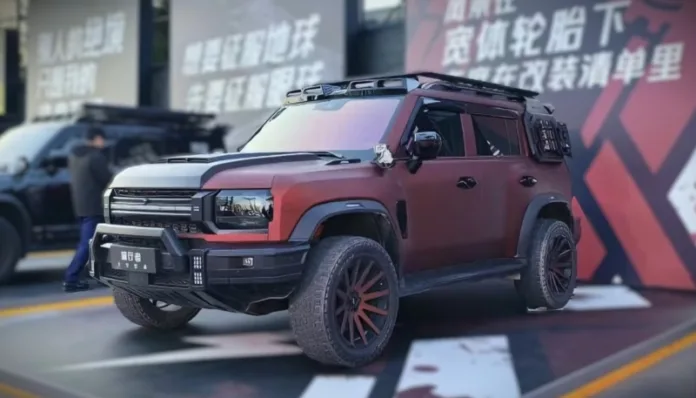
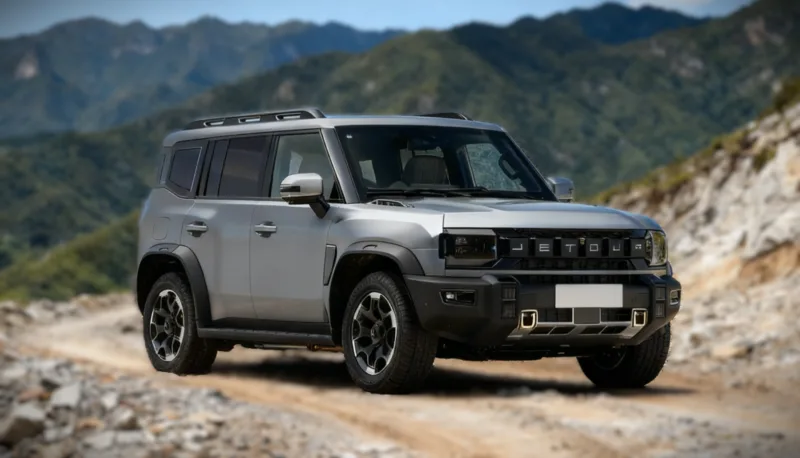
Imagine an adventure-ready SUV that doesn’t compromise on eco-friendliness or your wallet. That’s exactly what Chery’s bringing to the table with the all-new 2026 Jetour Traveller. This isn’t just another vehicle launch—it’s a game-changer that’s shaking up the Chinese SUV market with jaw-dropping prices and impressive electric range.

Chery has officially unveiled both the standard Jetour Traveller and its plug-in hybrid sibling, the Traveller C-DM. With limited-time launch pricing starting at an incredibly competitive 124,900 yuan ($17,600), this rugged SUV is making premium features accessible to everyday adventurers.

image 216 2026 Jetour Traveller PHEV: 212km Range at $17,600
2026 Jetour Traveller PHEV: 212km Range at $17,600

What’s Your Budget? Here’s the Complete Pricing Breakdown

Standard Jetour Traveller Pricing

Trim LevelEngineRegular PriceLaunch Special
Explore1.5TD$19,670$17,570
Explore+1.5TD$21,110$18,970
Discovery2.0TD XWD$22,500$20,380
Traverse2.0TD XWD$23,880$21,770
Conquer2.0TD XWD$25,300$23,170

Jetour Traveller C-DM (PHEV) Pricing

Trim LevelEV RangeRegular PriceLaunch Special
Explore129 km$22,500$21,510
Discovery129 km$23,880$22,920
Traverse212 km$26,010$24,990
Conquer (XWD)211 km$27,430$26,400
Huawei Qian-Kun212 km$29,510$28,140
Huawei Qian-Kun (XWD)211 km$30,930$29,510

The top-tier C-DM with Huawei’s advanced Qian-Kun ADAS system maxes out at 219,900 yuan ($29,500), offering cutting-edge autonomous driving features at a fraction of competitor pricing.

Power Options That Match Your Lifestyle

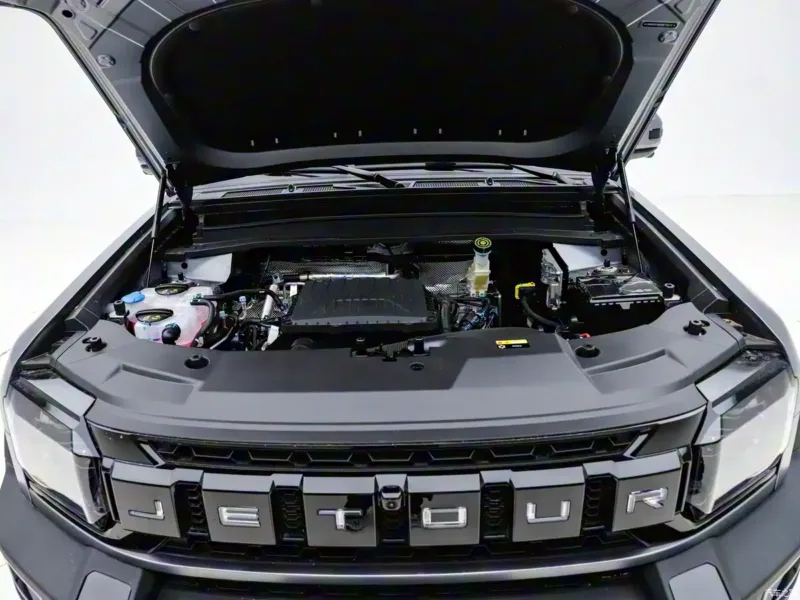
Standard Traveller: Choose between two turbocharged petrol engines—a punchy 1.5-liter producing 135 kW or a robust 2.0-liter delivering 187 kW. The 1.5T pairs with a seven-speed wet dual-clutch transmission, while the 2.0T gets an eight-speed automatic for buttery-smooth shifts.

C-DM Hybrid: This is where things get exciting. The plug-in hybrid combines a 1.5T engine (115 kW) with electric motors in two configurations:

  • Entry-level: Dual front motors delivering 165 kW and 390 N·m of torque
  • High-performance: Triple-motor setup pumping out 340 kW and 700 N·m

All hybrids feature a dedicated 3-speed DHT gearbox, with select trims offering intelligent XWD all-wheel drive for serious off-road capability.

2026 Jetour Traveller PHEV: 212km Range at $17,600

Electric Range That Actually Matters

The C-DM isn’t playing games with its battery options:

  • 27.2 kWh battery: 129 km pure-electric range
  • 43.24 kWh battery: Up to 212 km electric range

That 212-kilometer range means your daily commute could be completely gas-free. Weekend road trips? The hybrid system seamlessly kicks in, eliminating range anxiety entirely.

Design That Turns Heads

The 2026 Traveller embraces its boxy, cube-style personality with pride. Chery refined the front grille with subtle adjustments—each segment now features individual Jetour lettering, while darkened decorative lighting adds sophistication. Wheel options have expanded to 18″, 19″, and 20″ sizes.

The C-DM hybrid takes differentiation seriously with:

  • Exclusive matte “road-grey” paint option
  • Vertically arranged transparent rear light clusters
  • Side-opening tailgate for easier access
  • Externally mounted spare wheel with branded cover
  • Stunning new deep-sea-blue paint finish

Interior Upgrades Worth Talking About

Step inside and you’ll immediately notice the tech leap. Chery upgraded to the higher-spec Qualcomm 8255 chip (from the previous 8155), ensuring lightning-fast infotainment response. Physical buttons return for mirror control and center console functions—a welcome change from touch-only interfaces.

Standard Features Include:

  • Tyre-pressure display system
  • Electric soft-close tailgate
  • Keyless access and remote start
  • 50:50 split-fold rear seats
  • Eight-speaker audio system
  • Multi-layer insulating front glass

C-DM Exclusive Features:

  • Roof luggage rack for adventure gear
  • Built-in dash cam
  • 6.6 kW VTOL mobile power station (perfect for camping!)
  • Four-way power-adjustable passenger seat
  • Built-in karaoke function (because why not?)

The diamond-quilt-pattern seats with dual-row stitching add a premium touch you wouldn’t expect at this price point.

How Does It Stack Up Against Rivals?

The Traveller enters a competitive battlefield:

  • Haval Big Dog: Starting at $17,500 (petrol)
  • Haval Menglun PHEV: From $23,300
  • Haval Raptor PHEV: Direct C-DM competitor
  • Beijing BJ40: Hybrid segment rival

Despite fierce competition, the Jetour Traveller’s combination of aggressive pricing, impressive electric range, and feature-packed interior makes it a compelling choice.

The Verdict: Adventure Awaits

The 2026 Jetour Traveller isn’t just about getting from point A to B—it’s about redefining what affordable adventure means. Whether you choose the traditional petrol model or embrace the hybrid future with the C-DM, you’re getting exceptional value.

With launch pricing this aggressive and features typically reserved for vehicles twice the price, Chery’s Jetour Traveller is proving that you don’t need to compromise dreams for budget. The question isn’t whether this SUV is worth considering—it’s which trim level matches your adventure style.

Ready to join the journey? The 2026 Jetour Traveller is available now in China, with these special launch prices creating unprecedented value in the SUV segment.

Tata Sierra 2025: Launch Date, Price & Full Details

0
Tata Sierra 2025: Launch Date, Price & Full Details

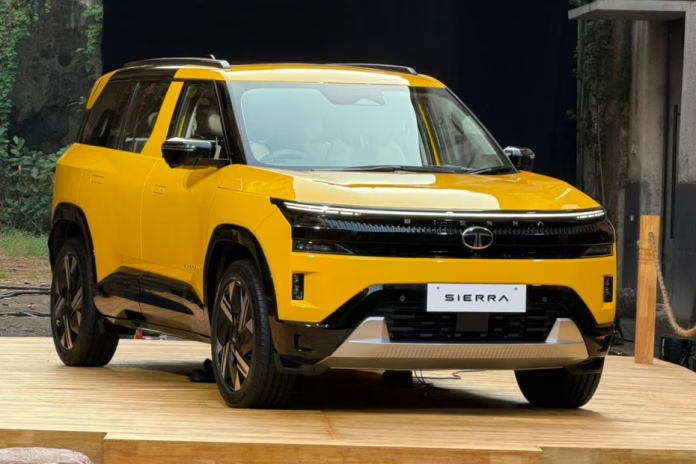
Tata Sierra, Remember the boxy SUV that ruled Indian roads in the 90s? It’s back, and this time it’s better than ever. Tata Motors has resurrected the legendary Sierra, transforming a nostalgic icon into a modern powerhouse that’s ready to shake up the SUV market.

The original Tata Sierra, launched in 1991, wasn’t just a vehicle—it was a statement. Now, over three decades later, Tata has reimagined this beloved nameplate with cutting-edge technology, premium interiors, and a design that turns heads at every corner.

Tata Sierra 2025: Launch Date, Price & Full Details

When Can You Buy It? Launch Date & Expected Price

Mark your calendars! Tata will announce official prices on November 25, 2025. Industry insiders predict the Sierra will start around ₹11-13 lakh for base variants, climbing to ₹20 lakh (ex-showroom) for fully-loaded versions. This positions it perfectly against segment leaders like the Hyundai Creta and Kia Seltos.

Price Range₹11 lakh – ₹20 lakh
Launch DateNovember 25, 2025
Body Style5-door SUV

Design That Commands Attention

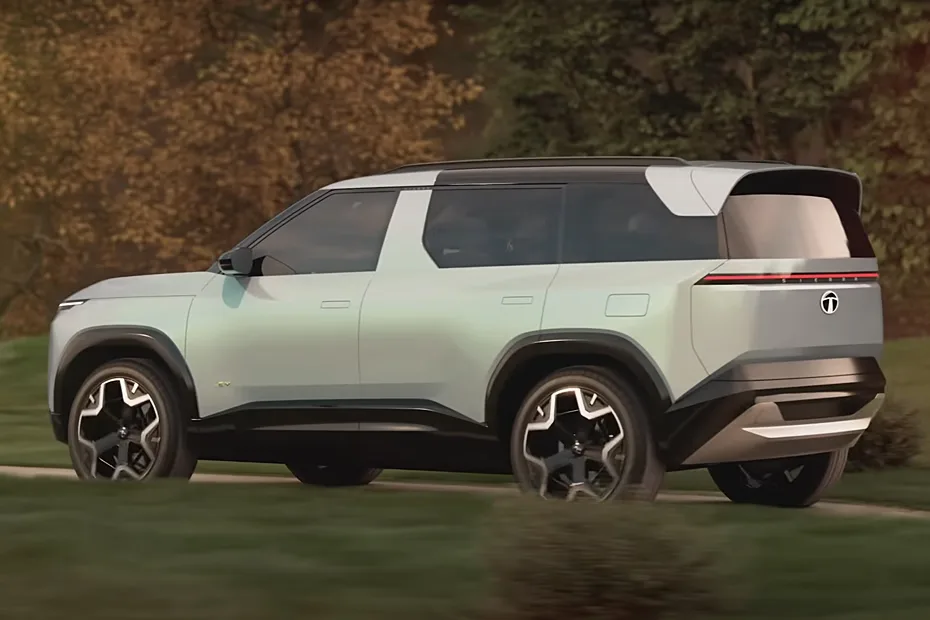
The 2025 Sierra stays true to its heritage with an upright, boxy silhouette that screams confidence. Think Land Rover Defender vibes, but with an unmistakably Indian soul. The rugged, masculine design is a refreshing departure from today’s soft-looking SUVs.

Top variants sport stunning 19-inch dual-tone alloy wheels, while the rear features a hidden wiper tucked beneath the spoiler—a clever design touch borrowed from the Nexon. Choose from six vibrant colors with quirky, interesting names that add personality to your ride.

One notable change from the original? The iconic tail-gate mounted spare wheel is gone, giving the Sierra a cleaner, more contemporary look.

Inside: Where Luxury Meets Technology

Step inside and you’ll immediately notice three large screens dominating the dashboard. Tata has crafted what might be their best cabin to date, playing with premium materials, textures, and colors to create an upmarket ambience.

The generous wheelbase translates to exceptional rear-seat space—even six-footers will stretch out comfortably. The cushioning is notably plush, something Tata hasn’t offered before. This is where the Sierra truly shines as a family vehicle.

Feature-Packed Powerhouse

Tata isn’t holding back. The Sierra comes loaded with segment-leading features:

Infotainment & Connectivity:

  • Digital driver’s display with customizable views
  • Touchscreen with Android Auto and Apple CarPlay
  • Co-driver display for independent entertainment
  • 12-speaker JBL sound system

Comfort & Convenience:

  • Panoramic sunroof
  • Dual-zone climate control
  • Ventilated front seats
  • Wireless phone charging
  • Keyless entry with push-button start
Tata Sierra 2025: Launch Date, Price & Full Details

Safety:

  • 360° camera for hassle-free parking
  • Multiple airbags
  • Automatic headlamps and wipers
  • Side camera feed on driver’s display

Tata’s reputation for building ultra-safe vehicles means we can expect a full 5-star crash test rating once results are published.

Engine Options: Power Meets Efficiency

EnginePower/TorqueTransmissionBest For
1.5L Turbo Petrol170PS / 280Nm6MT / 7DCTPerformance enthusiasts
1.5L Diesel118PS / 260Nm6MT / 7DCTDaily drivers (60+ km/day)

The petrol engine is brand new and will debut alongside the Harrier and Safari petrol variants launching December 9, 2025. The diesel engine is tried-and-tested across Nexon, Curvv, and Altroz models.

Our recommendation? Choose diesel if fuel economy matters most. For convenience, the 7-speed DCT automatic transmission—despite mixed reviews—offers superior ease of use compared to manual options.

How Does It Stack Up Against Rivals?

The Sierra enters a crowded battlefield with over 10 competitors:

  • Hyundai Creta: The segment benchmark—spacious, comfortable, feature-rich
  • Kia Seltos: New model expected early 2026; wait if considering
  • Maruti Grand Vitara/Toyota Hyryder: Unbeatable reliability and mileage
  • VW Taigun/Skoda Kushaq: Premium badge appeal, new models coming soon

Should You Book the 2025 Tata Sierra?

If you have nostalgic memories of the original Sierra, this revival will pull at your heartstrings. Tata has successfully honored the legacy while creating a thoroughly modern SUV.

Even without emotional attachment, the Sierra’s bold design, premium interiors, and feature-rich experience make it a compelling choice. It’s perfect for those who want to stand out from the sea of similar-looking SUVs.

The bottom line: The 2025 Tata Sierra is more than a comeback—it’s a statement. With competitive pricing, cutting-edge features, and head-turning design, this icon is ready to reclaim its throne in Indian hearts and driveways.

Will you be among the first to bring home this legend? The countdown to November 25 begins now.

5 Most Anticipated Upcoming Electric Cars India 2025

0
Upcoming Electric Cars India 2025

5 Most Anticipated Upcoming Electric Cars India’s electric vehicle revolution is about to hit overdrive. After years of anticipation, mass-market brands like Maruti Suzuki, Hyundai, Tata, Kia, and Toyota are finally bringing affordable EVs that promise to transform how millions of Indians commute. Whether you’re a first-time EV buyer or waiting for the perfect electric SUV, 2025 delivers options that balance range, features, and price like never before.

Upcoming Electric Cars
Upcoming Electric Cars India 2025

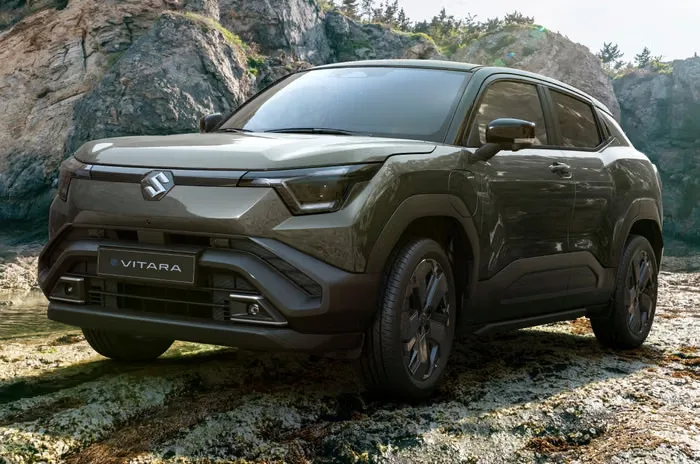
1. Maruti Suzuki e Vitara: India’s Most Awaited EV

Expected Launch: March 2025
Expected Price: ₹20-30 lakh
Range: 500+ km (MIDC)

Maruti Suzuki is finally entering the EV game, and they’re doing it with serious intent. Built on the brand-new Heartect-e platform, the e Vitara isn’t just Maruti’s first electric SUV—it’s their boldest technological leap in decades.

The e Vitara comes with two battery options: a smaller 49 kWh pack delivering 144 hp and a larger 61 kWh variant producing 174 hp. Adventure seekers can opt for the all-wheel-drive version, which adds a 65 hp rear motor for a combined output of 184 hp and 300 Nm torque.

Inside, expect dual integrated screens, wireless charging, a panoramic glass roof, 360-degree camera, and advanced driver assistance systems (ADAS). Production has already begun at Maruti’s Gujarat facility, signaling the company’s commitment to volume manufacturing and competitive pricing.

Why it matters: Maruti’s unmatched dealership network and service reputation could finally make EVs accessible to India’s middle class.

2. Hyundai Creta EV: The Family Favorite Goes Electric

Expected Launch: January 2025
Expected Price: ₹25-35 lakh
Range: 400-500 km

The Creta has dominated India’s compact SUV segment for years. Now, it’s getting an electric heart without losing its practical soul. The Creta EV retains the familiar design language with EV-specific tweaks like a closed-off grille and redesigned bumpers.

Hyundai is equipping the Creta EV with dual 10.25-inch screens, ventilated front seats, dual-zone climate control, and wireless charging—features buyers already love in the ICE version. The EV adds Level 2 ADAS and over-the-air updates, bringing connected car technology into the mainstream.

Built on Hyundai’s proven E-GMP platform, the Creta EV will offer multiple battery configurations to suit different buyer needs and budgets. The Korean automaker’s reputation for reliability combined with the Creta’s proven track record makes this one of 2025’s safest EV bets.

Why it matters: It transforms India’s best-selling SUV into an electric option without compromising the practicality that made it popular.

Upcoming Electric Cars
Upcoming Electric Cars India 2025

3. Tata Harrier EV: Power Meets Heritage

Expected Launch: March 2025
Expected Price: ₹21.49 lakh (base variant)
Range: 500 km (MIDC)

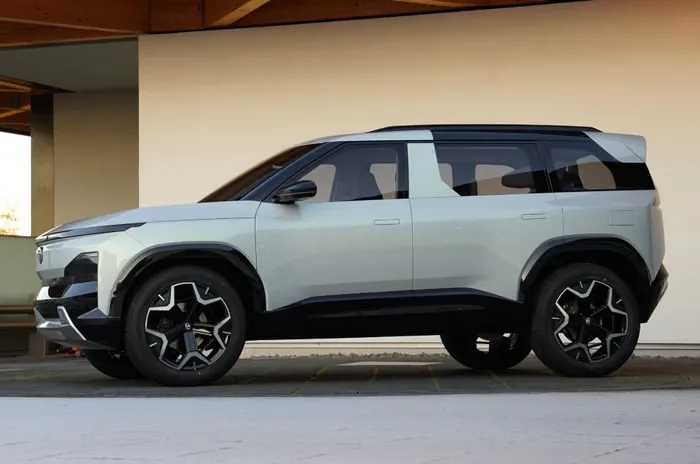
Tata Motors is electrifying its flagship SUV, and they’re not holding back. The Harrier EV will be Tata’s first all-wheel-drive electric vehicle, featuring dual motors—one on each axle—for enhanced performance and capability.

Built on Tata’s Acti.EV architecture (their Gen2 platform), the Harrier EV likely packs a 60 kWh battery. Visual changes include a closed grille, redesigned bumpers, and new alloy wheels, while the interior borrows elements from both the diesel Harrier and the Curvv EV.

What sets it apart? The Harrier EV offers vehicle-to-load (V2L) and vehicle-to-vehicle (V2V) charging capabilities, essentially turning your SUV into a mobile power station. Perfect for camping trips or emergency backup power.

Why it matters: It’s the first affordable electric SUV with serious off-road credentials and dual-motor AWD in India.

Upcoming Electric Cars
Upcoming Electric Cars India 2025

4. Kia Carens EV: India’s First Electric MPV

Expected Launch: Mid-2025
Expected Price: ₹20-25 lakh (estimated)
Range: 400-500 km

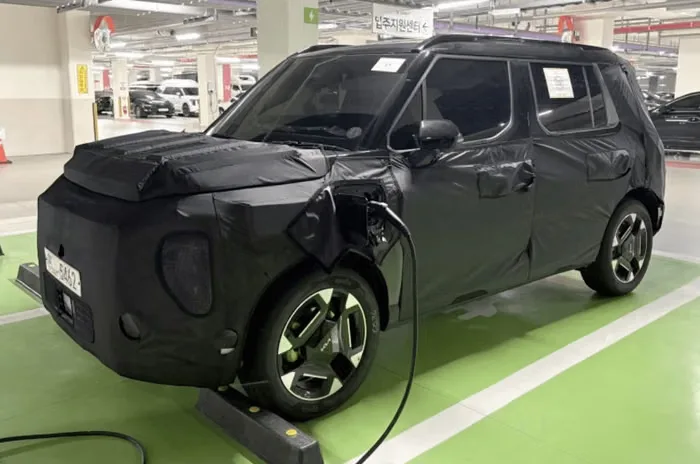
While everyone’s launching electric SUVs, Kia is taking a different route—literally. The Carens EV will be India’s first mass-market electric MPV, bringing zero-emission family transportation to the mainstream.

Based on the refreshed Carens facelift, the EV variant is expected to share its battery pack and motor setup with the Hyundai Creta EV, given both brands’ technology-sharing strategy under the Hyundai Motor Group umbrella. This means proven technology adapted for a roomier, more family-focused package.

The three-row layout offers genuine seating for six or seven, making it ideal for large families who’ve been waiting for an electric option that doesn’t compromise on space. With Kia’s reputation for loaded feature lists, expect modern infotainment, connectivity, and safety tech.

Why it matters: It fills a unique gap—electric mobility for families who need three rows without stepping into premium territory.

image 211 5 Most Anticipated Upcoming Electric Cars India 2025
Upcoming Electric Cars India 2025

5. Toyota Urban Cruiser EV: Premium Reliability

Expected Launch: Mid-2025
Expected Price: ₹22-32 lakh (estimated)
Range: 500+ km

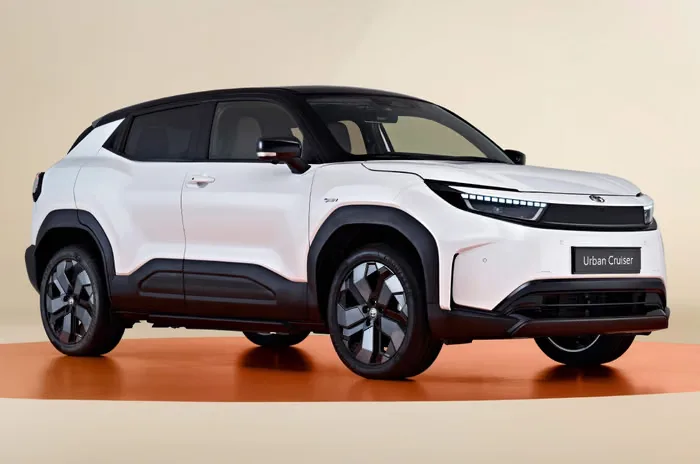
Toyota’s electric debut for India is essentially a badge-engineered Maruti e Vitara with Toyota’s premium positioning. While sharing the platform, batteries (49 kWh and 61 kWh options), and powertrains with its Suzuki sibling, the Urban Cruiser EV features distinct styling—particularly at the front and rear—and Toyota’s refined interior treatment.

The collaboration leverages Maruti’s manufacturing efficiency with Toyota’s quality reputation. Both vehicles will roll off the production line at Maruti’s Gujarat plant, but Toyota will position theirs slightly upmarket with enhanced materials and potentially additional features.

For buyers who value Toyota’s legendary reliability and resale value, this offers peace of mind in the relatively new EV segment.

Why it matters: It brings Toyota’s trust factor to India’s EV market for the first time at a semi-affordable price point.

Quick Comparison: Find Your Perfect EV

ModelExpected LaunchPrice RangeKey USP
Maruti e VitaraMarch 2025₹20-30 lakhWidest service network, AWD option
Hyundai Creta EVJanuary 2025₹25-35 lakhProven platform, feature-rich
Tata Harrier EVMarch 2025₹21-31 lakhAWD, V2L/V2V capability
Kia Carens EVMid-2025₹20-25 lakhIndia’s first electric MPV
Toyota Urban Cruiser EVMid-2025₹22-32 lakhToyota reliability, premium positioning

What Makes 2025 Different?

This isn’t just another year of EV announcements that never materialize. Production has already begun for several models. Government initiatives supporting EV infrastructure continue expanding. Most importantly, these aren’t experimental premium vehicles—they’re practical, affordable options from brands Indians already trust.

The charging infrastructure is rapidly improving too. With networks like Tata Power, Fortum, and others expanding coverage, range anxiety is becoming less of a concern for urban and highway driving.

The Bottom Line

India’s EV market is transitioning from early adopter phase to mainstream acceptance. These five vehicles represent that shift—combining competitive pricing, credible range, and features that match or exceed their petrol-diesel counterparts.

Whether you’re drawn to Maruti’s accessibility, Hyundai’s refinement, Tata’s innovation, Kia’s unique approach, or Toyota’s reliability, 2025 finally offers electric options that don’t require compromise. The only question left is: which one matches your driving style?

The electric future isn’t coming to India—it’s already here, and it’s more exciting than ever.