Home Blog Page 10

5 Game-Changing Innovations in India’s EV Charging Revolution

0
5 Game-Changing Innovations

India’s EV charging infrastructure is leaping from chaotic to cutting-edge—and these five breakthroughs are making it happen.

5 Game-Changing Innovations, Remember when finding a working EV charger in India felt like a treasure hunt? Those frustrating days are rapidly ending. As India races toward its ambitious goal of 30% EV adoption by 2030, the charging ecosystem has transformed from isolated charging points into an intelligent, interconnected network that’s setting global standards.

5 Game-Changing Innovations

Here are the 5 Game-Changing Innovations how India powers its electric future.

1. Lightning-Fast Charging: Minutes, Not Hours

The Problem: Range anxiety has been the silent killer of EV adoption. Who wants to wait hours for a charge on a highway trip?

The Solution: High-power fast charging technology is slashing charging times from hours to mere minutes, making long-distance highway travel genuinely practical for EV drivers.

Innovation HighlightDetails
Exicom Harmony Direct 2.0Up to 400 kW charging power
Key FeaturePredictive maintenance with modular design
CapabilitySimultaneous fast charging of multiple vehicles
ImpactSupports both urban and highway charging sites

Multiple Indian and global manufacturers are now developing modular, battery-backed fast chargers that prioritize grid resilience alongside lightning-speed performance. This isn’t just convenience—it’s the foundation for mass EV adoption across India’s vast landscape.

2. Grid-Resilient Charging: Solar Meets Smart Storage

India’s grid can be unpredictable. Smart innovators are solving this with hybrid solutions that don’t just rely on grid power.

Breakthrough Example: India’s first solar-powered EV charging hub near Bengaluru Airport features a 45 kWp rooftop solar array integrated with a 100 kWh battery system, enabling 24/7 charging across 23 points while reducing pressure on the local grid.

The genius? These stations harvest maximum solar energy during daylight and deploy stored power during nighttime or peak demand periods. It’s sustainability meeting practicality.

Meanwhile, Fortum’s Charge & Drive India piloted a load balancing project in New Delhi that intelligently modulates EV charging demand to match available supply from local utilities. Think of it as a smart traffic controller for electricity flow.

3. Remote Monitoring: Eyes Everywhere, Always

Gone are the days of arriving at a charger only to discover it’s been broken for weeks.

Major players like ChargeZone and Bolt.Earth have deployed cloud-based dashboards and IoT-enabled technology, allowing operators to monitor charger status, energy consumption, and uptime from anywhere in real-time.
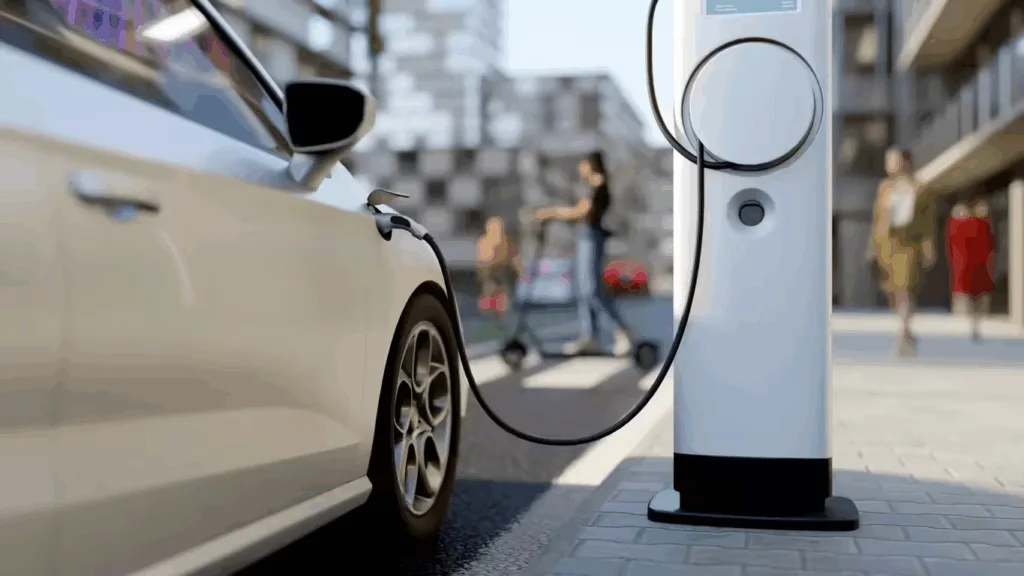
image 315 5 Game-Changing Innovations in India's EV Charging Revolution
5 Game-Changing Innovations

Real-World Benefits:

  • Proactive fault detection before users are affected
  • Predictive maintenance reducing unexpected downtime
  • Remote troubleshooting slashing operational costs
  • Data-driven insights optimizing network performance

Remote monitoring has become the backbone of reliable, efficient, and customer-friendly EV infrastructure—ensuring you’ll actually find a working charger when you need one.

4. Interoperability: One App to Rule Them All

The Old Nightmare: Different apps for different networks. Incompatible connectors. Payment chaos. Frustration everywhere.

The New Reality: Platforms like Tata Power EZ Charge, ChargeZone, Glida, and Bolt.Earth are adopting open standards such as OCPP and ISO 15118 to enable seamless communication across charging networks.

This standardization across hardware, communication protocols, and payment systems is transforming India’s fragmented charging landscape into a unified national grid. No more juggling five different apps or wondering if your connector will fit.

5. Connected User Experience: Smart Apps for Smart Drivers

The best technology is invisible—it just works.

JSW MG Motor India’s eHub app exemplifies this user-centric revolution by integrating station discovery, live updates, navigation, and payments into a single platform, providing access to over 12,500 fast chargers through partnerships with 33 operators.

What Makes These Apps Game-Changing:

  • Real-time charger availability and functionality verification
  • Intelligent route planning with charging stops
  • Seamless digital payments (no more carrying multiple cards)
  • Live navigation to the nearest available charger

Since launch, the eHub app has crossed 100,000 downloads—testament to growing demand for integrated charging solutions among Indian EV owners.
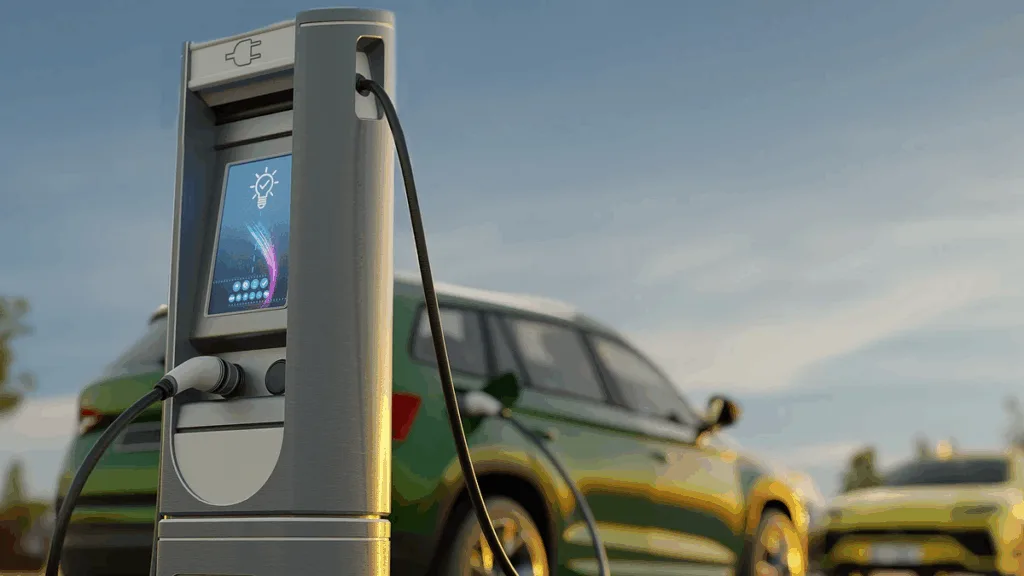
image 313 5 Game-Changing Innovations in India's EV Charging Revolution

The Road Ahead: From Catching Up to Setting Standards

These innovations represent a significant leap in how India is building its EV future, balancing speed, reliability, intelligence, and user experience.

India isn’t just playing catch-up anymore. With these five technological pillars—fast charging, grid resilience, remote monitoring, interoperability, and connected experiences—the country is building a charging ecosystem that rivals the world’s best.

The message for EV skeptics? Range anxiety, charging uncertainty, and infrastructure gaps are rapidly becoming yesterday’s problems. India’s charging revolution is here, and it’s electric in every sense of the word.
Xiaomi EV Hits 400,000 Goal After Breaking Even—Fastest Ever

0
Xiaomi

In just 19 months, a smartphone maker turned into an automotive powerhouse. Here’s how Xiaomi is rewriting the rules of the EV game.

When Xiaomi rolled out its first electric car in March 2024, skeptics wondered if another tech company could survive the brutal EV battlefield. Fast forward to November 2025, and the answer is thunderously clear: Xiaomi now expects to deliver more than 400,000 cars this year, shattering its previous target and achieving profitability faster than any competitor.

Xiaomi

The Numbers That Shocked the Industry

MilestoneAchievementTimeline
Original 2025 Target350,000 unitsSet in early 2025
New Target400,000+ unitsAnnounced Nov 20, 2025
Production Milestone500,000th vehicleNovember 2025
Profitability$98.4M profit in Q3First quarterly profit
Time to 500k Production19 monthsFastest in China

On November 20, 2025, CEO Lei Jun celebrated as Xiaomi’s 500,000th vehicle rolled off the production line—making them one of the fastest automakers in China to reach this milestone. Just days earlier, the company was expecting to hit 350,000 deliveries. Now they’re confidently projecting 400,000+ by year’s end.

From Smartphones to Speed Demons

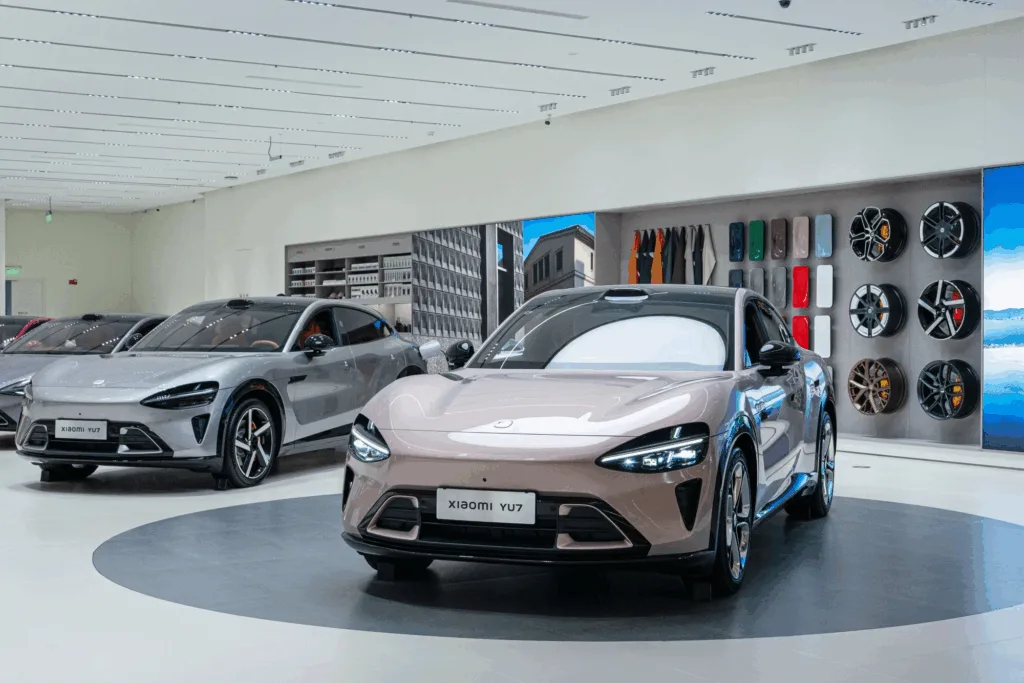
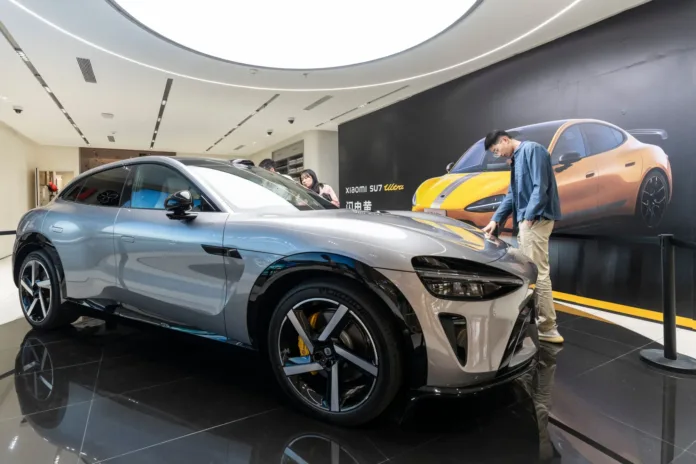
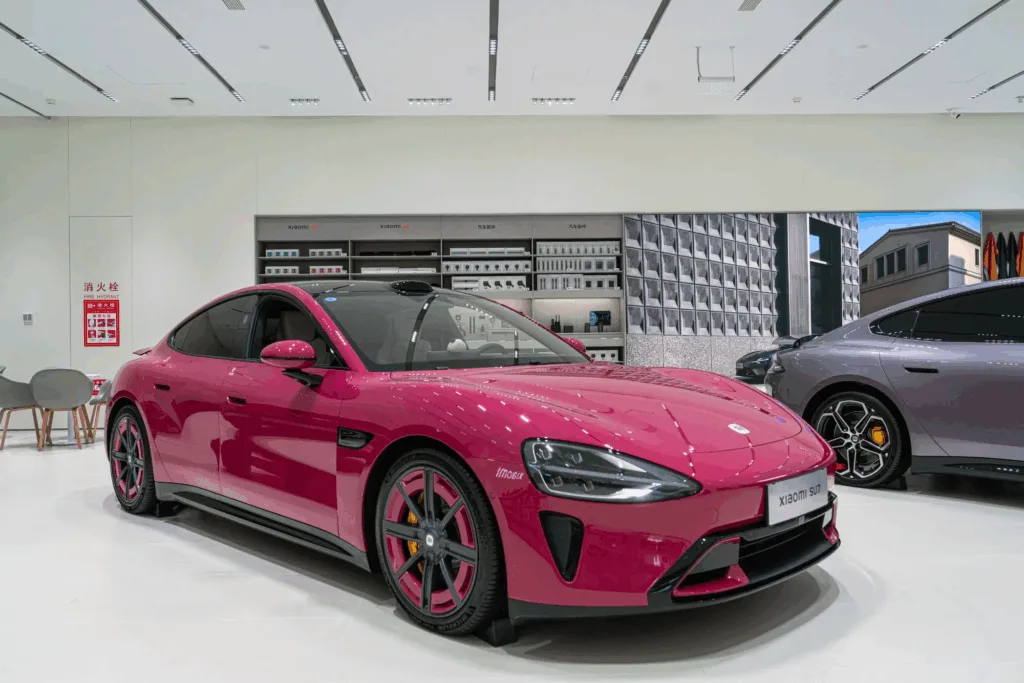
Xiaomi formally entered the automotive world on March 30, 2021. Less than three years later, they launched the SU7 electric sedan—a direct Tesla Model 3 competitor priced thousands less. The market response? 50,000 orders in the first 27 minutes.

But impressive pre-orders are one thing. Profitability is another beast entirely. Xiaomi’s innovative businesses, including EVs and AI, achieved net income of ₹700 million ($98.4 million) in Q3 2025—their first quarterly profit. The EV business contributed nearly 98% of that revenue.

What makes this remarkable? Most EV startups hemorrhage money for years. Xiaomi reached 500,000 vehicles produced just one year and seven months after its first vehicle rolled off the production line, achieving profitability faster than established players like NIO and XPeng.

The Secret Sauce: Smart Pricing and Stellar Margins

While competitors struggle with thin margins, Xiaomi’s second-quarter gross margin hit 26.4%—surpassing even Tesla’s 18%. Their strategy? Competitive pricing without sacrificing quality.

Current Lineup:

  • SU7 Sedan: ₹215,900 – ₹299,900 ($29,800 – $41,500)
  • SU7 Ultra: ₹529,900 ($73,200) – High-performance beast with 1,548 horsepower
  • YU7 SUV: ₹253,500 – ₹329,900 ($35,000 – $45,600) – Launched June 2025

The YU7 SUV has been a game-changer. When it launched in June, 200,000 orders poured in within three minutes. That’s not hype—that’s genuine market demand meeting exceptional product-market fit.

Production at Breakneck Speed

Last month, Xiaomi EV deliveries hit a record 48,654 units, marking the second consecutive month exceeding 40,000 units. The momentum is staggering:

  • Q3 2025: 108,796 vehicles delivered (173% year-over-year growth)
  • October 2024: First month breaking 40,000 units
  • Monthly production: Now approaching 50,000 units

To meet demand, Xiaomi is expanding aggressively. They’ve acquired land for a third factory and are ramping up their Beijing plant’s second phase. Current bottlenecks? Disappearing fast.

image 310 Xiaomi EV Hits 400,000 Goal After Breaking Even—Fastest Ever

Why This Matters Beyond China

Lei Jun has stated his ambitious vision: in the era of intelligent electric mobility, only five global automakers are likely to survive—and Xiaomi aims to become one of them within 15 to 20 years.

Bold words? Perhaps. But when you break even in under two years while competitors burn through billions, you’ve earned the right to dream big.

The ripple effects:

  • For consumers: More affordable, high-quality EVs entering markets
  • For investors: Proof that tech companies can crack the automotive code
  • For competitors: A wake-up call that profitability timelines can be compressed

The Road Ahead

With production scaling, new models launching, and profitability secured, Xiaomi is poised for explosive 2026 growth. Internal targets suggest 400,000-500,000 units next year, potentially exceeding 800,000 by 2027.

Not bad for a company that was making smartphones just four years ago.

Xiaomi formally announced its entry into the automotive sector on March 30, 2021. Today, they’re outpacing legacy startups and forcing the entire EV industry to rethink what’s possible when tech expertise meets automotive ambition.

The message is clear: In the EV race, speed wins—and Xiaomi is just getting started.

Delhi EV Double-Decker Bus Goes Tourist-Only, Not City Routes

0
Delhi EV Double-Decker Bus

After 35 years of absence, double-decker buses are making their comeback to Delhi’s streets—but there’s a catch. The city’s only electric double-decker won’t be your daily commute option. Instead, it’s heading straight for the tourist circuit, and the reason why reveals fascinating challenges about modernizing India’s capital.

Delhi EV Double-Decker Bus

Why Not City Streets? The Infrastructure Reality

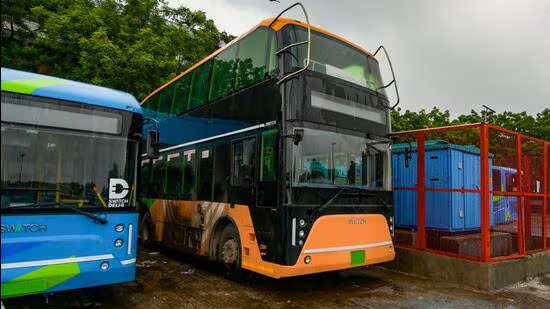
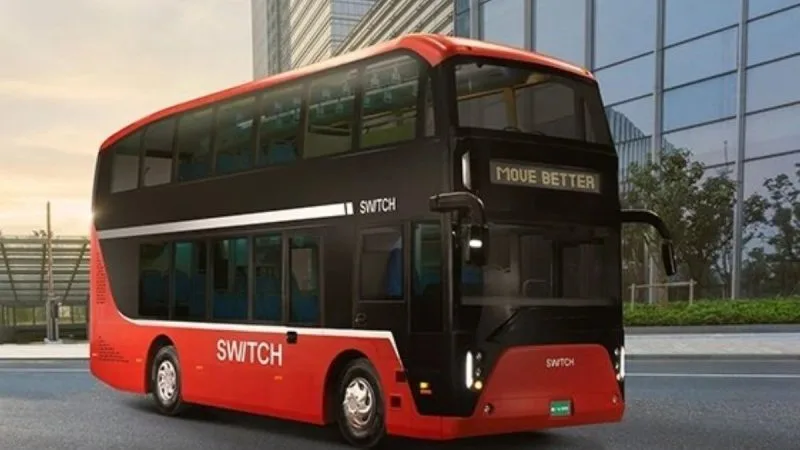
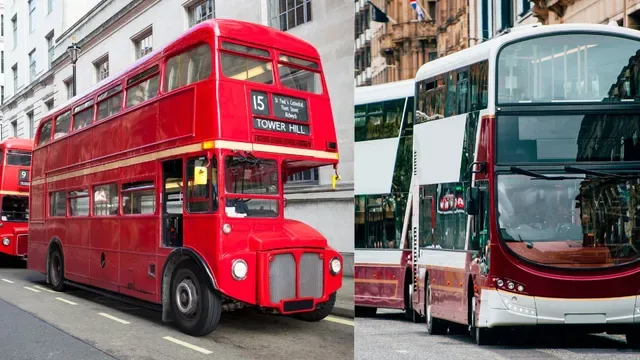
Delhi Transport Corporation (DTC) has handed over its sole electric double-decker bus to the Tourism Department, citing logistical challenges that prevent its use on regular city routes.

Think of it like trying to fit a giraffe through doorways designed for humans. The numbers tell the story:

Double-Decker vs. Regular Bus Comparison:

FeatureEV Double-DeckerStandard DEVi Bus
Height4.75 meters~3 meters
Length9.8 meters9 meters
Capacity63 passengers~25 passengers
Daily Trips1-2 (tourist routes)Multiple (city routes)

Officials are carefully mapping routes, measuring tree canopies, and checking overbridge clearances and overhead wires. Delhi’s infrastructure simply wasn’t built for these towering vehicles. Narrow lanes, low-hanging branches, height-restricted bridges, and electric wires create an obstacle course that makes daily operations impractical.

The Tourist Solution: Delhi Darshan Revival

Here’s where it gets interesting. The tourism circuit offers a more feasible environment for the double-decker, as the bus will make only one or two trips per day along designated tourist paths, avoiding heavy urban traffic challenges.

The Delhi Darshan service will showcase iconic landmarks:

  • Red Fort
  • Humayun’s Tomb
  • Qutub Minar
  • Chandni Chowk
  • Connaught Place
  • India Gate

These routes avoid internal roads, making them perfect for the bus’s size limitations while offering tourists that coveted upper-deck view of Delhi’s heritage.

A Walk Down Memory Lane

For Delhiites over 40, double-deckers carry nostalgia. From the 1970s to the late 1980s, double-decker buses operated on select routes like Sarojini Nagar to Karol Bagh and Jama Masjid to Qutub Road under the name ‘Suvidha’. Children fought for upper-deck seats, where breezes and panoramic views made every journey an adventure.

They were phased out in 1989 as the city transitioned to the CNG fleet, and as private vehicles like the Maruti 800 became more affordable. Previous revival attempts during the 2010 Commonwealth Games and 2022 G20 Summit failed to materialize—until now.

The Electric Advantage

This isn’t just nostalgia—it’s sustainable tourism. The new double-decker is fully electric, offering:

  • Zero tailpipe emissions
  • Air-conditioning throughout
  • Modern safety features
  • CCTV monitoring
  • Multilingual audio guides
image 307 Delhi EV Double-Decker Bus Goes Tourist-Only, Not City Routes

Tickets are expected to be priced at INR 500 per adult and INR 300 for children aged six to twelve, while children under six travel free. Each stop allows at least an hour for exploration, making it a genuine sightseeing experience rather than just transport.

What’s Next?

Delhi plans to induct over 8,000 electric buses by 2025, creating a cleaner, greener public transport system. Currently, over 3,500 electric buses already operate in Delhi, with that number expected to cross 6,000 by year’s end.

If the tourist circuit proves successful, theme-based routes might follow—heritage circuits, market tours, food trails, and cultural expeditions. But regular city service for double-deckers? That would require massive infrastructure upgrades: raising bridges, trimming trees, reconfiguring wires, and widening narrow lanes.

The Verdict

Delhi’s electric double-decker represents smart compromise. Rather than forcing an oversized vehicle into undersized infrastructure, the city is leveraging its unique appeal where it works best—tourism.

This marks the return of double-decker buses to Delhi after decades, now as a tourist attraction rather than part of the city’s standard transport fleet.

For tourists, it’s a win—an iconic, eco-friendly way to see Delhi’s landmarks. For daily commuters hoping to relive childhood memories on their morning commute? The upper deck will have to wait for another day, or perhaps another 35 years.

Sometimes, the best way forward is knowing when to adapt rather than replicate the past.

Solid-State Battery Cars Arrive in 2026: EV Game-Changer

0
Solid-State Battery

The Solid-State Battery revolution that promised 800-mile ranges and 10-minute charging is finally moving from lab prototypes to your driveway—and it’s happening faster than anyone expected.

For over a decade, solid-state batteries have been the “next big thing” in electric vehicles—always just a few years away. But 2025 changed everything. Major automakers are now road-testing prototypes, building production lines, and setting firm launch dates. The future of EVs isn’t coming anymore. It’s arrived.

Solid-State Battery

What Makes Solid-State Batteries Revolutionary?

Think of today’s lithium-ion batteries as using a liquid highway for electricity to flow. Solid-state batteries replace that flammable liquid with a solid material—creating a safer, more efficient, and dramatically more powerful energy storage system.

The Game-Changing Benefits:

AdvantageImpact
Extended Range620-800 miles per charge (vs. 300-400 today)
Faster Charging10-18 minutes to 80% charge
Superior SafetyNon-flammable solid electrolyte reduces fire risk
Extreme Weather PerformanceRetains 72%+ capacity at -22°F (vs. 60% for liquid)
Lighter WeightHigher energy density up to 450 Wh/kg

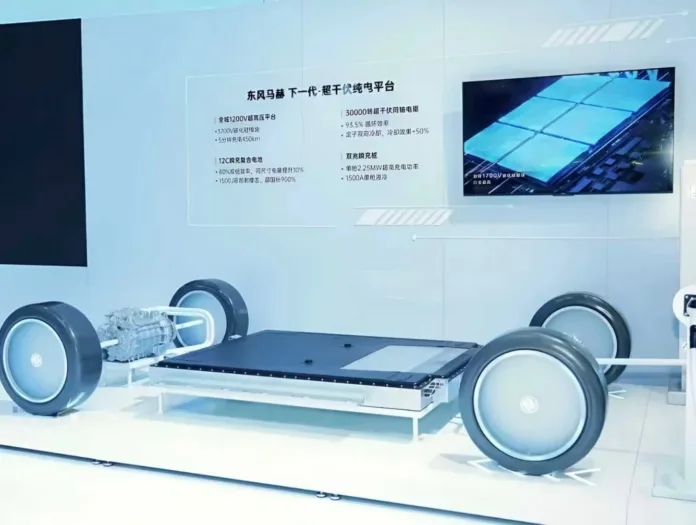
Chinese automaker Dongfeng recently announced its solid-state EVs will arrive in September 2026 with batteries featuring 350 Wh/kg energy density, capable of reaching 621 miles on a full charge—nearly double what most EVs achieve today.

Who’s Racing to Market First?

Dongfeng: The Surprise Frontrunner

Dongfeng Motor Corporation has a 0.2GWh pilot production line already established and operational, positioning them to deploy solid-state battery EVs by September 2026. Their battery uses a multi-component layout with a high-capacity ternary cathode, silicon-carbon anode, and oxide polymer composite solid electrolyte.

The Chinese automaker tested their battery in extreme conditions: at temperatures as low as -22°F, it retained more than 72% of its capacity compared to 60% for liquid-state batteries, and functioned safely up to 266°F.

Mercedes-Benz: Luxury Meets Innovation

Mercedes-Benz began road testing solid-state battery vehicles in February 2025, partnering with Factorial Energy to develop lithium-metal batteries. The results? Spectacular. A prototype EQS sedan drove 749 miles on a single charge—enough to travel from Germany to Sweden with 85 miles remaining.

The German automaker expects their solid-state technology to increase energy density up to 450 Wh/kg at the cell level, enabling 25% longer range while reducing battery weight.

Toyota: Patent Powerhouse

Toyota holds approximately 1,700 patents related to solid-state battery technology, with over 1,500 active patents—more than any competitor. The Japanese automaker announced it developed a solid-state battery capable of charging from 10% to 80% in just 10 minutes while delivering 620 miles of range, with mass production expected in 2027 or 2028.

Stellantis & Dodge

Stellantis plans to test Factorial Energy’s solid-state batteries in a fleet of Dodge Charger Daytona EVs in 2026, with batteries capable of charging from 15% to 90% in just 18 minutes.

Volkswagen’s Motorcycle Gambit

Volkswagen and QuantumScape unveiled a solid-state battery in a prototype Ducati V21L race bike at IAA Mobility 2025, delivering 844 watt-hours per liter and charging from 10% to 80% in just over 12 minutes.

image 305 Solid-State Battery Cars Arrive in 2026: EV Game-Changer

Timeline: When Can You Buy One?

YearMilestone
2025Road testing phase (Mercedes, BMW, Nissan)
2026First production models (Dongfeng, Stellantis demos)
2027-2028Mass production begins (Toyota, Samsung SDI)
2029Wide availability (Nissan, cost targeting $75/kWh)
2030Projected 40% of EV batteries worldwide

The Challenge: Making Them Affordable

Here’s the reality check: solid-state batteries currently cost up to 2.8 times more than legacy liquid-electrolyte lithium-ion packs, primarily due to expensive sulfide materials and low production yields.

But history suggests this will change rapidly. Lithium-ion battery prices plummeted from $7,500 per kWh in 1991 to around $115 per kWh by 2025. Nissan aims to reduce solid-state battery costs to $75 per kWh by 2028—low enough to make EVs cheaper than gasoline vehicles.

Why China Might Not Dominate This Time

QuantumScape CEO Siva Sivaram noted that eliminating graphite anodes in solid-state batteries counters one of China’s strengths in EV batteries, potentially freeing manufacturers from China’s control of the graphite supply chain.

This could reshape the global EV battery landscape, giving Western and Japanese manufacturers a competitive edge.

What This Means for You

Should you wait to buy an EV? That depends on your timeline:

  • Need a car in 2025? Current EVs are excellent, with prices dropping and charging networks expanding.
  • Can wait until late 2026? You might access the first solid-state models from Dongfeng or demonstration Stellantis vehicles.
  • Looking at 2027-2028? This is the sweet spot for mass-market solid-state EVs with mature technology.

The solid-state revolution solves the three biggest EV concerns: range anxiety, charging time, and safety. An 800-mile range with 10-minute charging makes EVs objectively better than gasoline cars for most drivers.

The age of compromise is ending. The age of superior electric vehicles is beginning.

Electreon Acquires Induct EV for Wireless EV Charging Future

0
Electreon Acquires Induct EV for Wireless EV Charging Future

Imagine charging your electric vehicle without ever plugging in a cable—while driving or parked. That future just moved closer as Electreon, an Israeli wireless charging pioneer, signed a deal to acquire American competitor InductEV’s assets, creating what could become the wireless charging powerhouse the EV industry has been waiting for.

Electreon Acquires Induct EV for Wireless EV Charging Future

The Big Picture: Two Technologies, One Vision

This isn’t just another corporate merger. It’s the joining of two complementary technologies that could solve one of electric vehicles’ biggest headaches: charging infrastructure.

What Each Company Brings:

CompanySpecialtyGeographic ReachPatent Portfolio
ElectreonDynamic wireless charging (while driving)30 projects across 9 countries~200 patents
InductEVUltra-fast static charging (while parked)North America & Europe~200 patents
CombinedComplete wireless solutionGlobal presence400+ patents

Think of it like this: Electreon builds invisible charging lanes embedded in roads that power vehicles as they drive. InductEV creates high-power charging pads for buses and trucks when they’re stopped. Together? Complete wireless freedom.

Why This Deal Matters

The electric vehicle revolution has a dirty secret: we’re recreating gas station problems with charging stations. Range anxiety, charging times, and infrastructure costs are holding back mass adoption. Wireless charging eliminates all three.

Oren Ezer, Electreon’s CEO, stated they’re working to create “a truly global powerhouse for wireless EV charging,” and the numbers back up that ambition. Electreon has shown impressive revenue growth of 145.52% over the last twelve months, proving the market’s hungry for this technology.

Following the Money Trail

Here’s what makes this deal financially interesting:

  • Valuation: Electreon is currently valued at $18.18 million
  • Financial Health: The company maintains a strong current ratio of 1.74, meaning liquid assets exceed short-term obligations
  • Profitability: Impressive gross profit margins of 51.57%, though it remains unprofitable with negative EBITDA

Translation? They’re burning cash to grow fast, but they’re doing it smartly with healthy margins that show the business model works.

Electreon Acquires Induct EV for Wireless EV Charging Future

Real-World Impact: Who Benefits?

Heavy-Duty Fleets: Electric buses and delivery trucks are InductEV’s bread and butter. These vehicles follow predictable routes—perfect for wireless charging infrastructure.

Municipal Transportation: Cities worldwide are electrifying bus fleets. Wireless charging means buses can top up at every stop without drivers exiting vehicles.

Private Vehicles: Electreon’s dynamic charging turns highways into power sources, potentially eliminating range anxiety entirely.

The Roadblocks Ahead

Let’s be realistic. This deal still needs to clear several hurdles:

  • Due diligence completion
  • Final agreement negotiations
  • Regulatory approvals
  • Undisclosed financial terms need finalization

But if it goes through, the combined entity inherits vehicle manufacturer partnerships from both companies, giving them direct access to automakers designing tomorrow’s EVs.

What This Means for You

Whether you’re an EV owner, investor, or just someone watching the automotive revolution unfold, this merger signals wireless charging is moving from science fiction to infrastructure reality.

John F. Rizzo, InductEV’s CEO, emphasized the combination would “deliver even greater value to our North American and European customers.”

The Bottom Line:

While traditional charging stations are still installing cables, Electreon and InductEV are betting the future is wireless. With 400 patents, global deployments, and complementary technologies, they might just be right. The question isn’t if wireless charging will dominate—it’s whether this merger creates the company that makes it happen.

Servotech Wins ₹16.31 Cr Solar Project from Indian Railways

0
Servotech Wins ₹16.31 Cr Solar Project from Indian Railways

India’s railway infrastructure is going green, and Servotech Renewable is leading the charge. The renewable energy pioneer just secured a massive ₹16.31 crore solar project from Railway Energy Management Company Limited (REMCL), marking another milestone in the nation’s clean energy journey.

image 297 Servotech Wins ₹16.31 Cr Solar Project from Indian Railways

What’s Inside This Game-Changing Deal?

Servotech Renewable Power System Ltd., a name synonymous with innovation in solar solutions, will transform the Dedicated Freight Corridor Corporation of India Limited (DFCCIL) complex in Noida into a solar-powered facility. This isn’t just about installing panels—it’s about reimagining how India’s logistics backbone operates.

The project encompasses both ground-mounted and rooftop solar installations, designed to power one of India’s most critical freight infrastructure hubs. What makes this deal even more impressive? Servotech will handle everything from design to commissioning, plus provide 10 years of comprehensive maintenance—ensuring these systems deliver reliable clean energy for the long haul.

Project Overview at a Glance

AspectDetails
Contract Value₹16.31 Crore
ClientRailway Energy Management Company Ltd (REMCL)
LocationDFCCIL Complex, Noida
ScopeDesign, Engineering, Supply, Installation, Testing & Commissioning
Installation TypeGround-mounted + Rooftop Solar
Maintenance10 years O&M included
ImpactReduced carbon footprint, optimized energy costs

Why This Matters for India’s Green Future

Railway infrastructure consumes enormous amounts of energy. By integrating solar power into facilities like DFCCIL, India takes concrete steps toward reducing its dependence on conventional power sources. This project directly supports the nation’s decarbonization goals while slashing operational energy costs.

Sarika Bhatia, Whole-Time Director at Servotech, captured the significance perfectly: “Infrastructure like DFCCIL forms the backbone of India’s logistics and freight movement, and integrating solar energy into such high-impact facilities is a major step toward national decarbonization goals.”

image 298 Servotech Wins ₹16.31 Cr Solar Project from Indian Railways

Servotech’s Growing Footprint

This win strengthens Servotech’s position in the railway and logistics infrastructure sector. With over two decades of experience in electronics and renewable energy, the company has evolved from a solar solutions provider to a comprehensive clean energy partner.

Beyond solar, Servotech is also making waves in EV charging infrastructure, offering AC and DC chargers compatible with various electric vehicles. This diversification positions them uniquely to support India’s dual transition toward solar energy and electric mobility.

The Bottom Line

The REMCL project represents more than a business win—it’s a blueprint for how India can integrate renewable energy into critical infrastructure. As railways embrace solar power, they set an example for other sectors to follow.

With consistent power generation guaranteed through long-term maintenance, this project proves that sustainability and reliability can go hand in hand. For investors, industry watchers, and environmental advocates alike, Servotech’s latest achievement signals that India’s green transition is accelerating—one solar panel at a time.

Trading on NSE as SERVOTECH, the company continues to demonstrate why innovation, quality, and strong partnerships are essential ingredients for India’s renewable energy success story.

Servotech Bags ₹73.70 Cr Rooftop Solar Project in Andhra Pradesh

0
Servotech

A groundbreaking initiative is bringing free solar power to nearly 6,000 tribal and underserved families in Andhra Pradesh—and it’s changing lives one rooftop at a time.

On November 19, 2025, Servotech Renewable Power System Ltd. secured a transformative ₹73.70 crore contract from the New & Renewable Energy Development Corporation of Andhra Pradesh (NREDCAP). This isn’t just another business deal—it’s a lifeline for thousands of families who’ve long dreamed of reliable, affordable electricity.

Servotech

The Mission: Solar Power for Every Home

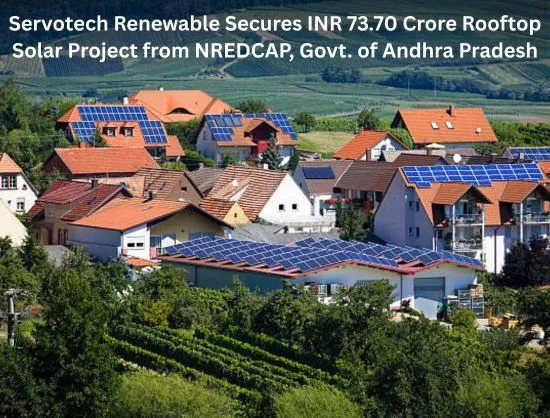
Under the PM Surya Ghar: Muft Bijli Yojana (Free Electricity Scheme), Servotech will install grid-connected rooftop solar systems across the Kavali division. The beneficiaries? 5,886 households from Scheduled Caste and Scheduled Tribe communities—families who’ve historically faced energy poverty and sky-high electricity bills.

Imagine a mother who can finally keep her child’s medicines refrigerated. A student who can study after sunset without straining their eyes. A small business owner who can run equipment without worrying about power cuts. This is the real impact of solar energy reaching the last mile.

Project Breakdown: What’s Being Built

ComponentDetails
Project Value₹73.70 Crore
Beneficiaries5,886 SC/ST households
LocationKavali Division, Andhra Pradesh
ModelUtility-Led Aggregation (CAPEX)
ServicesDesign, Engineering, Supply, Installation, Testing, Commissioning + 5 years O&M
ProgramPM Surya Ghar: Muft Bijli Yojana

Why This Matters

Sarika Bhatia, Whole-Time Director at Servotech Renewable, captured the essence beautifully: “This order reflects our commitment to advancing inclusive clean energy growth.” But let’s break down what that actually means:

For Families: Dramatic reduction in monthly electricity bills—sometimes even eliminating them entirely. Many households will generate surplus power they can sell back to the grid.

For the Environment: Thousands of tons of carbon emissions prevented annually, contributing to India’s climate goals while keeping local air cleaner.

For the Economy: Job creation during installation and maintenance phases, plus long-term savings that families can invest in education, healthcare, and small businesses.

The Servotech Advantage

With over 20 years of experience in the electronics and clean energy space, Servotech brings technical expertise that matters. Their track record includes:

  • Comprehensive engineering capabilities across solar and EV charging infrastructure
  • Proven execution of large-scale distributed solar projects
  • Pan-India presence ensuring quality installation and maintenance
  • Five-year maintenance commitment—ensuring these systems keep running long after installation
Servotech Bags ₹73.70

What Happens Next?

The implementation will roll out in phases across Kavali division. Each household will receive a customized rooftop solar system designed for their specific energy needs. Professional installers will ensure everything meets safety standards, and the five-year maintenance contract means families won’t be left stranded if something goes wrong.

This is grid-connected technology, meaning excess power flows back into the local grid—creating a win-win where households become mini power stations supporting their communities.

The Bigger Picture

This project is part of India’s ambitious renewable energy push. The PM Surya Ghar scheme aims to light up millions of homes with solar power, reducing dependence on fossil fuels while making energy accessible to all economic strata.

For Andhra Pradesh, this represents meaningful progress toward its renewable energy targets. For India, it’s another step toward energy security and climate resilience.

The sun rises for everyone—now, its power will too.

Stellantis Takes Swipe at BYD Over EV Sales in Germany

0
Stellantis

The electric vehicle battlefield in Europe just got more interesting. Stellantis, the automotive giant behind brands like Jeep and Peugeot, is making bold claims about beating Chinese competitor BYD in Germany’s EV market through its partnership with Leapmotor.

Stellantis

The Power Move: Leapmotor’s Rapid Rise

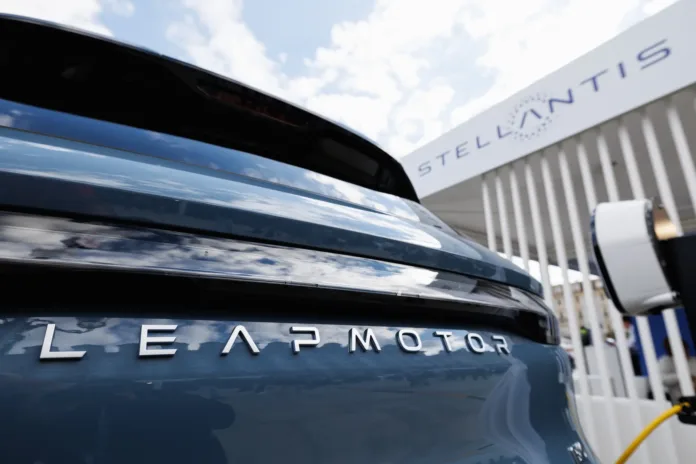
Here’s what’s catching everyone’s attention: Leapmotor, Stellantis’ Chinese partner, outsold BYD on electric vehicles in Germany last month, according to Florian Huettl, Stellantis’ top executive in the country.

The strategy behind this success? Pure speed and smart infrastructure. Stellantis integrated Leapmotor into its existing dealer network with full backing from Stellantis infrastructure including warranties and financial services. That means instant credibility for a brand most Europeans had never heard of.

The Numbers Behind the Story:

BrandGerman DealersKey Achievement
Leapmotor~120 dealershipsOutsold BYD in EVs (October)
Stellantis brands1,000+ dealershipsFull network support
BYDLimited networkStill leading year-to-date

But Wait—Who’s Really Winning?

Before we crown a champion, let’s pump the brakes. BYD is still well ahead of Leapmotor on overall sales in Germany and in EV sales through October this year, according to German transport authority data. This was just one month where Leapmotor edged ahead.

Think of it like a marathon runner winning a single mile—impressive, but the race isn’t over.

Why This Battle Matters

This rivalry runs deeper than sales charts. BYD has hired several former Stellantis executives, including former UK boss Maria Grazia Davino and Italy sales VP Alessandro Grosso. Talk about knowing your enemy from the inside.

image 293 Stellantis Takes Swipe at BYD Over EV Sales in Germany

The stakes? Meeting stringent EU emissions targets. Leapmotor sales are helping Stellantis meet European Union targets on reducing CO2 fleet emissions, which is critical as traditional automakers scramble to avoid massive penalties.

The Chinese Invasion Continues

Both companies are part of a larger trend. Chinese automakers combined registered more than 24,100 units of BEVs in Europe in November 2024, placing them just behind Tesla. Leapmotor itself saw explosive growth of 296% during this period.

What Happens Next?

BYD isn’t backing down. The company plans to reach six times its previous year’s German sales, according to regional director Davino. Meanwhile, Stellantis is racing to expand Leapmotor’s footprint before competitors catch up.

For European car buyers, this competition means one thing: better prices, more choices, and aggressive innovation as legacy automakers fight to protect their home turf from Chinese disruption.

The Bottom Line:

Stellantis landed a symbolic punch by beating BYD for one month in Germany’s EV segment. But with BYD’s deeper pockets, aggressive expansion plans, and poached Stellantis talent, this fight is just getting started. The real winners? European consumers watching two giants duke it out with increasingly affordable electric vehicles.

Chandigarh Most EV-Friendly, Arunachal Least: Study Reveals

0
Chandigarh

Imagine driving your electric car and finding a charging station every few kilometers—no range anxiety, no panic. That’s the reality in Chandigarh today. But travel to Arunachal Pradesh, and you’ll face a completely different story.

A groundbreaking study has exposed the stark divide in India’s electric vehicle landscape, revealing which states are racing ahead toward a zero-emission future and which ones are being left behind in the dust.

image 288 Chandigarh Most EV-Friendly, Arunachal Least: Study Reveals

The Champion: Chandigarh Leads with Flying Colors

The 2024 HERE-SBD EV Index crowned Chandigarh as India’s most EV-friendly territory with an impressive score of 81.9, thanks to exceptional charger availability and a high share of battery electric vehicles in its fleet.

What makes Chandigarh’s achievement remarkable? The union territory has 148 public EV chargers serving just 179 battery electric vehicles—nearly one charger per vehicle. This is infrastructure done right.

Chandigarh’s success stems from its comprehensive Zero Emission Vehicle Deployment Plan, which has encouraged both EV purchases and charging network development. The city didn’t just talk about going green; it built the roads to get there.

The Top and Bottom Performers

Here’s how India’s states and union territories stack up in EV readiness:

RankingState/UTKey StrengthScore/Status
Top 5
1ChandigarhBest charging infrastructure81.9/100
2GoaRobust adoption policiesStrong
3Delhi1 charger per 12.5 km roadStrong
4KarnatakaRising charger availabilityImproving
5Tamil NaduComprehensive policyGood
Bottom 5
LastArunachal PradeshMinimal infrastructureWeakest
-4AssamLimited charging networkPoor
-3BiharLow EV penetrationPoor
-2JharkhandInfrastructure gapsPoor
-1SikkimAdoption challengesPoor

What the Index Measured

The study evaluated states based on four critical metrics, each carrying 25 points for a total score of 100:

  1. Charger Availability: Number of public EV chargers per kilometer of road
  2. Charging Speed: Average power capacity of public chargers
  3. EV Fleet Share: Proportion of electric vehicles compared to traditional vehicles
  4. Charger-to-Vehicle Ratio: Likelihood of finding an available charger

The Policy Divide: Comprehensive vs. Incomplete

Beyond infrastructure, another study by Climate Trends examined the comprehensiveness of state EV policies across 21 parameters.

Maharashtra, Haryana, Delhi, and Uttar Pradesh emerged as states with the most comprehensive EV policies, covering at least 12 of 21 parameters.

Meanwhile, Arunachal Pradesh’s policy was deemed least comprehensive, addressing only three of 21 specified parameters. Manipur and Himachal Pradesh followed with policies covering just five and six parameters respectively.

Where Incentives Matter Most

Delhi, Odisha, Bihar, Chandigarh, and Andaman & Nicobar offer the strongest demand-side incentives for consumers, including road tax and registration fee exemptions, upfront subsidies, and charging tariff benefits.

These financial incentives make the difference between someone considering an EV and actually buying one. When the government reduces the price gap between electric and traditional vehicles, adoption accelerates.

image 290 Chandigarh Most EV-Friendly, Arunachal Least: Study Reveals

The Infrastructure Challenge

The study highlighted a troubling reality: infrastructure distribution remains highly uneven. Despite having high average charger power capacity, Manipur has only one recorded public charger—a perfect example of how raw numbers don’t tell the complete story.

Delhi has made significant progress, ensuring one charger per 12.5 kilometers of road, which helps alleviate range anxiety among potential EV buyers.

Why Some States Lag Behind

The bottom-ranked states face multiple challenges:

  • Limited financial resources for infrastructure investment
  • Lower population density making charger deployment less economical
  • Difficult terrain in mountainous regions
  • Lack of comprehensive policy frameworks
  • Limited consumer awareness about EV benefits

Arunachal Pradesh stands as the only state without set goals for EV sales, manufacturing, or charging infrastructure—a policy vacuum that explains its last-place ranking.

What This Means for India’s EV Future

The disparities revealed by these studies aren’t just statistics—they represent real barriers for millions of Indians who want to embrace electric mobility but lack the infrastructure or policy support to do so.

For potential EV buyers, the message is clear: where you live dramatically affects your electric vehicle experience. In Chandigarh, going electric is seamless. In Arunachal Pradesh, it remains a distant dream.

For policymakers, the report serves as both a mirror and a roadmap. States leading the charge demonstrate that comprehensive policies combined with infrastructure investment create successful EV ecosystems. Those lagging behind need urgent interventions—strategic investments, clearer policies, and commitment to sustainable transportation.

As India accelerates toward its environmental goals, bridging this EV divide isn’t just desirable—it’s essential. The transition to electric mobility cannot succeed if it only happens in select cities while entire regions remain excluded.

The race to electrify India’s roads has begun. Some states are sprinting ahead. Others haven’t even left the starting line.

Multibagger EV Stock Mercury EV Tech Surges on Dalal Street

0
Multibagger

Multibagger, Imagine turning ₹10,000 into nearly ₹30 lakhs in just five years. Sounds too good to be true? Well, that’s exactly what happened to investors who believed in Mercury EV Tech—a small Indian electric vehicle company that quietly became one of the stock market’s biggest success stories.

While the broader market faced turbulence, Mercury EV Tech shares caught the bulls’ attention again, proving that sometimes the best stories come from the most unexpected corners of Dalal Street.

Multibagger

The Remarkable Journey of a True Multibagger

Mercury EV Tech has delivered a staggering 27,064% return over five years, with its share price skyrocketing from just ₹0.34 to ₹92.36. To put this in perspective, a modest investment of ₹10,000 would have grown to approximately ₹27 lakhs—a life-changing return by any standard.

But the journey hasn’t been smooth. The stock recently rebounded after five consecutive days of decline, jumping over 9% amid a broader market rally. This volatility is typical for smallcap stocks, especially in the rapidly evolving EV sector.

What’s Driving the Current Rally?

Several factors are fueling renewed investor interest in Mercury EV Tech:

Recent Business Performance

The company’s Q2 FY26 results showed impressive growth, with net sales reaching ₹34.01 crore (up 51% compared to Q1) and net profit climbing to ₹1.72 crore (up 35% quarter-on-quarter). These numbers reflect strengthening operational momentum and growing market traction.

Strategic Expansion

The company isn’t just growing on paper. Mercury EV Tech recently opened a new showroom in Porbandar, Gujarat, as part of its wider plan to penetrate tier-2 and tier-3 cities—markets where EV adoption is accelerating faster than many expected.

Government Approvals

In April 2024, Mercury EV Tech became the first company to receive approval from the Delhi government for a specific seven-seater passenger e-rickshaw design, along with approval for an e-cart loader. These exclusive approvals give the company a competitive edge in key urban markets.

image 286 Multibagger EV Stock Mercury EV Tech Surges on Dalal Street

Understanding the Numbers

Here’s a snapshot of Mercury EV Tech’s performance across different timeframes:

PeriodReturnKey Milestone
1 Year121%Strong recovery post-correction
3 Years750%Consistent growth trajectory
5 Years27,064%True multibagger status
Market Cap₹980 CrGrowing mid-cap presence

Technical Indicators

The stock’s 14-day Relative Strength Index (RSI) stands at 36.98, suggesting the stock is neither overbought nor oversold. For traders, this neutral zone often indicates potential for movement in either direction depending on market sentiment.

What Makes Mercury EV Tech Different?

Founded in 1986, Mercury EV Tech isn’t a newcomer riding the EV wave. The company manufactures a diverse range of electric vehicles including scooters, cars, buses, vintage cars, and specialized vehicles for hospitality and industrial use.

Their product lineup includes uniquely named models like Mushak Mini Truck, DODO E Passenger, Kala Ghoda, and Butterfly EV—catering to segments often overlooked by larger EV manufacturers.

The Reality Check

While the returns are extraordinary, investors should understand the risks. The stock trades with high volatility, has experienced significant corrections, and operates in a highly competitive and rapidly changing industry. Foreign Institutional Investors (FIIs) have shown fresh interest, purchasing over 36 lakh shares in FY25, indicating professional money is paying attention—but past performance never guarantees future returns.

The company also faces challenges typical of small-cap EV manufacturers: debt concerns, low return ratios, and the need for continuous capital for expansion and technology development.

What This Means for Investors

Mercury EV Tech represents the high-risk, high-reward nature of smallcap investing in emerging sectors. The company’s journey from a penny stock to a multibagger has created wealth for early believers, but the path has been anything but linear.

For those tracking EV stocks or looking at smallcap opportunities, Mercury EV Tech offers a fascinating case study in how patience, timing, and belief in India’s EV revolution can potentially pay off—though always with substantial risk attached.

As India accelerates toward its electric mobility goals and tier-2 and tier-3 cities embrace EVs, companies like Mercury EV Tech sit at an interesting crossroads—positioned between explosive growth potential and the inherent volatility of being a small player in a big game.

The recent rally reminds us that in the world of multibagger stocks, the story is never truly over. It’s simply waiting for its next chapter.