Home Blog Page 11

41% of EV Drivers Avoid Tesla Over Politics: What’s Behind It?

0
Tesla

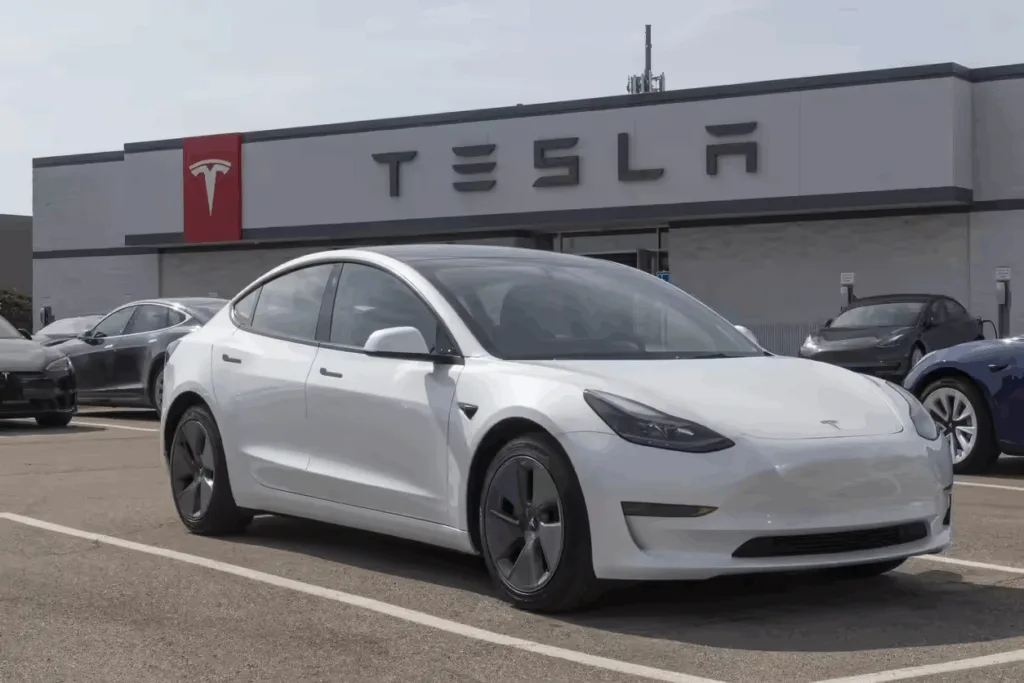
Picture this: You’re standing in a showroom, ready to go electric. The Tesla gleams under the lights, a technological marvel. But something stops you—not the price tag, not the features—but the politics behind the brand.

You’re not alone. A groundbreaking new survey reveals that politics has become a powerful force in the electric vehicle market, and Tesla is feeling the heat.

Tesla

The Numbers That Shocked the Industry

A global survey of over 26,000 EV owners found that 41% would avoid Tesla for political reasons, with avoidance rates highest in the US, Germany, Australia, and New Zealand. The research, conducted by the Global EV Alliance between September and October 2025, painted a surprising picture of how personal values now drive purchase decisions.

But Tesla isn’t the only target. Overall, 53% of respondents would avoid certain brands or countries of origin for political reasons, with 12% avoiding Chinese-made EVs.

Where Politics Matters Most

The impact varies dramatically depending on where you live. In Norway, which is leading the world in the adoption of electric vehicles, 43 percent of respondents said they would avoid a Tesla. Meanwhile, in India the figure was just two percent.

Here’s how different regions responded:

Region/Country% Avoiding TeslaKey Factor
USA & Germany~50%High political awareness
Norway43%Strong EV adoption culture
India2%Limited choices, affordability focus
Lithuania43% (Chinese EVs)Geopolitical concerns

The Affordability Factor

Why such stark differences? Ellen Hiep, a member of the Global EV Alliance steering committee, noted that Chinese models, which are less expensive, are much more common in developing countries than higher-end brands like Tesla.

The reality is simple: When you have choices, principles matter. When options are limited, practicality wins. In markets like Europe and North America where buyers can choose from multiple brands, political considerations carry weight. In developing markets where affordable options are scarce, getting behind the wheel of any electric vehicle is the priority.
image 283 41% of EV Drivers Avoid Tesla Over Politics: What's Behind It?

What’s Driving the Boycott?

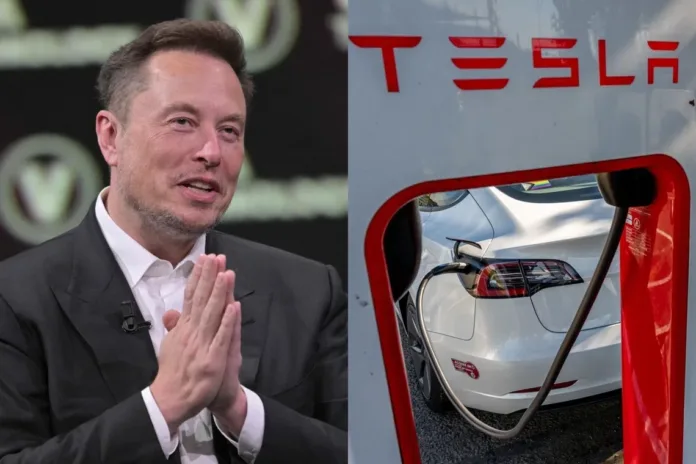
Elon Musk’s recent political involvement has stirred considerable controversy. The Tesla CEO attracted public criticism for his support of far-right movements in Europe, and his close association with political figures has made some buyers uncomfortable with supporting the brand.

The survey even captured reactions to Chinese manufacturing, though preferences varied significantly by country and market availability.

The Business Impact

Tesla’s stock fell nearly 2% after the poll results hit headlines, showing that consumer sentiment can quickly translate into market consequences. Yet the company continues performing strongly in some metrics, having recently delivered record vehicle numbers.

The question facing the industry isn’t whether politics influences purchases—clearly it does—but how brands will navigate an increasingly values-conscious marketplace.

What This Means for You

If you’re shopping for an EV, this survey tells you something important: You’re part of a growing movement where the car you choose reflects more than transportation needs. It’s about alignment with your values.

For manufacturers, the message is equally clear. Brand reputation extends far beyond product quality. In today’s connected world, a CEO’s actions, company policies, and political associations matter as much as range per charge or acceleration times.

The electric vehicle revolution isn’t just about technology anymore. It’s become deeply personal, shaped by the complex intersection of innovation, values, and the choices we make about the kind of future we want to drive toward.
India EV Adoption Outpaces Charging Infrastructure Crisis

0
EV Adoption

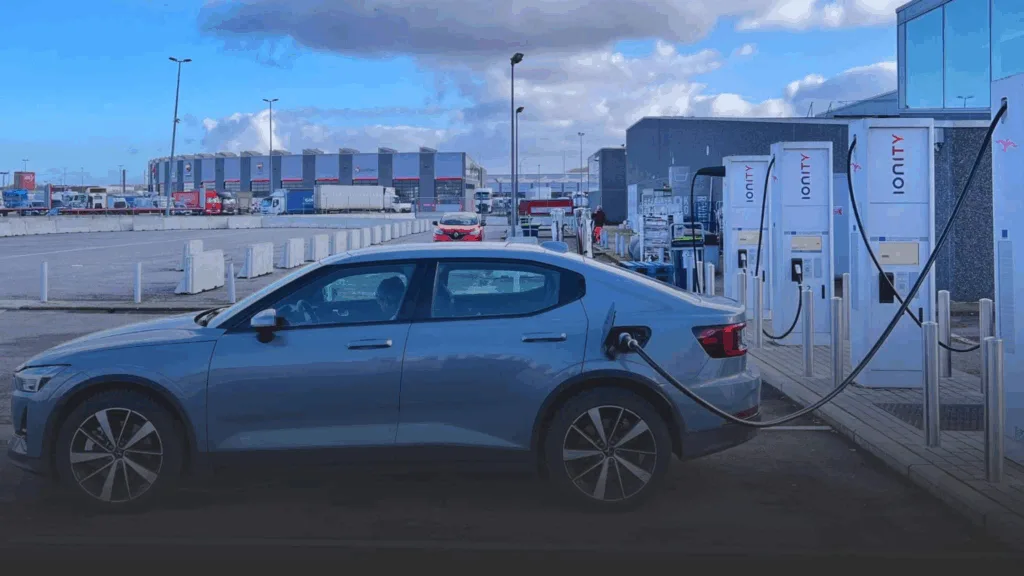
Picture a highway filled with EV Adoption—but drivers anxiously searching for the next available charger. Welcome to India’s EV paradox: booming adoption, lagging infrastructure.

image 279 India EV Adoption Outpaces Charging Infrastructure Crisis
EV Adoption

The Growing Gap Nobody’s Addressing

The 2025 HERE-SBD EV Index reveals a stark reality: India’s ratio of electric vehicles to public chargers has jumped from 12:1 in 2024 to 20:1 in 2025—nearly doubling in just one year. Translation? For every charging point added, two new EVs hit the roads.

This isn’t just statistics. It’s the daily frustration of millions considering the switch to electric.

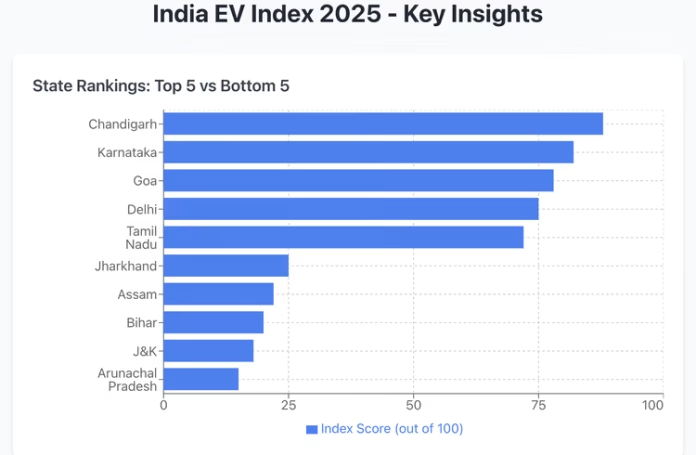
State-by-State: Who’s Leading, Who’s Lagging?

State/UTScore (out of 100)Key StrengthNotable Feature
Chandigarh87.90Overall leaderConsistent top performer
Karnataka2nd placeInfrastructure density5,880+ charging stations
Goa3rd placeEV fleet share0.91% of vehicles are EVs
DelhiHigh rankingCharger density1 charger per 9 km of road

Chandigarh retained its top position with a score of 87.90 out of 100, followed by Karnataka in second place and Goa in third. But even these leaders face challenges keeping pace with surging demand.

What’s Holding India Back?

The perceived lack of charging infrastructure emerged as the top barrier to adoption, cited by 47 percent of respondents. When nearly half your potential customers fear getting stranded, you’ve got a serious problem.

And here’s the kicker: India added 6,800 new public charge points between 2024 and 2025, but the average charger power remained flat at 33 kilowatts. We’re not just building too few chargers—we’re building too many slow ones.

The Numbers Don’t Lie

Consider this reality check:

  • 20 EVs per public charger nationally (2025)
  • 6,800 new charging points added annually
  • 33 kW average charging power (unchanged)
  • 47% of consumers cite infrastructure as the #1 barrier

Compare that to developed markets maintaining 6-20 EVs per charger, and India’s infrastructure crisis becomes crystal clear.

The Youth Are Betting on Electric

Here’s where optimism breaks through: Indian EV owners have an average age of 35 years, significantly younger than their counterparts in the United States and European Union, where the average is 46 years.

Even more telling? Nearly half of Indian respondents expect more than 50 percent of vehicles sold in 2030 to be electric. The demand is real—the infrastructure just needs to catch up.

image 280 India EV Adoption Outpaces Charging Infrastructure Crisis
EV Adoption

The Policy Shift: FAME II Ends, PM E-DRIVE Begins

The policy landscape shifted following the conclusion of the FAME II programme in September 2024. The PM E-DRIVE scheme now focuses primarily on electrifying two-wheelers, three-wheelers, and commercial vehicles.

This strategic pivot recognizes where India’s real EV revolution is happening: not in luxury sedans, but in the delivery vehicles, auto-rickshaws, and commuter bikes that move millions daily.

Why the Mismatch Matters

The evaluation criteria tell the complete story. The index evaluated regions based on four metrics: charger availability per road length, average power capacity of chargers, EV fleet share, and the ratio of registered EVs to public chargers.

India is winning on EV fleet growth but struggling on infrastructure deployment and charging speed—a dangerous imbalance that could stall adoption momentum.

The Path Forward: Three Critical Needs

1. Speed Matters
With charging power stagnant at 33 kW, we need rapid deployment of 50+ kW fast chargers that can juice up vehicles in minutes, not hours.

2. Strategic Placement
More public charging stations were identified as the most desired improvement by 36 percent of those surveyed. But quantity means nothing if chargers aren’t where drivers need them.

3. Rural Expansion
While urban centers capture headlines, the real opportunity—and challenge—lies in tier-2 and tier-3 cities where EV adoption is accelerating but infrastructure remains scarce.

The Opportunity Hidden in Crisis

Here’s what most analyses miss: this infrastructure gap represents India’s biggest cleantech investment opportunity. Robert Fisher, Senior Consulting Manager at SBD Automotive, noted that India must navigate the distinct requirements of its diverse mobility landscape, as the needs of two- and three-wheeler drivers differ greatly from those of car owners and public transport operators.

This isn’t a one-size-fits-all problem—it’s a multi-layered opportunity for innovative solutions tailored to India’s unique mobility ecosystem.

What This Means for You

If you’re considering an EV: The infrastructure will catch up, but timing matters. Early adopters in tier-1 cities with home charging face minimal risk. Those in smaller cities should wait for local infrastructure maturity.

If you’re an investor: The charging infrastructure sector is screaming for capital. With 20:1 vehicle-to-charger ratios, the market is undersupplied and primed for growth.

If you’re a policymaker: Speed approvals, streamline land acquisition, and mandate minimum charging power standards. The private sector will invest—but only with regulatory clarity.

The Bottom Line

India’s EV adoption isn’t slowing down—it’s accelerating despite infrastructure constraints, not because of them. That speaks volumes about consumer readiness and market demand.

But here’s the hard truth: you can’t sustain rapid EV growth indefinitely on lagging infrastructure. At some point, the 20:1 ratio becomes 30:1, then 40:1, and adoption stalls as range anxiety wins.

The window to bridge this gap is now. The demand exists. The young demographic is ready. The policy support is emerging.

What’s missing? The political will to treat charging infrastructure as critical national infrastructure—not an afterthought to vehicle incentives, but the foundation upon which India’s electric future will either thrive or stall.

The race is on. And right now, India’s EVs are outrunning their own support system.

Tsuyo ₹250 Crore EV Powertrain Plant in Karnataka Unveiled

0
Tsuyo

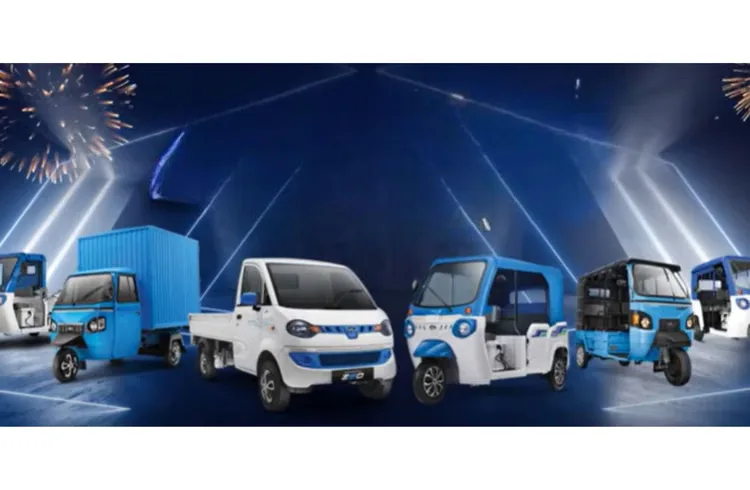
Imagine India’s electric vehicle Tsuyo ambitions getting a massive power boost—literally. That’s exactly what’s happening in Karnataka, where a homegrown startup is about to change the game for commercial EVs.

Tsuyo EV

The Big Announcement That’s Turning Heads

At the Bengaluru Tech Summit 2025, Tsuyo Manufacturing signed a Letter of Intent with Karnataka’s government to establish a cutting-edge EV powertrain manufacturing plant and dedicated testing track in Dharwad. This isn’t just another factory—it’s a ₹250 crore investment that’s set to revolutionize India’s commercial electric vehicle sector.

Why Dharwad? Why Now?

Karnataka’s IT and Biotechnology Minister Priyank Kharge emphasized that this fits perfectly into the state’s Local Economy Accelerator Program (LEAP), which aims to decentralize growth and promote advanced manufacturing in tier-2 and tier-3 cities. While everyone’s eyes are on Bengaluru, Dharwad is quietly positioning itself as India’s next manufacturing powerhouse.

What Makes This Plant Special?

Component TypePower RangeApplications
Electric Motors30 kW – 350 kWHeavy-duty commercial vehicles
Motor TypesIPMSM, AC Induction, SRM, SynRM, Axial FluxDiverse EV platforms
Integrated Systems2-in-1 & 3-in-1 PowertrainsElectric buses, trucks, mining equipment
Manufacturing Capacity0.5 kW – 600 kWFrom light to ultra-heavy vehicles

The facility will manufacture multiple categories of electric motors including IPMSM, AC induction motors, SRM, SynRM, and axial flux motors, along with e-drives, e-axles, and automatic transmissions—everything needed to electrify India’s toughest commercial vehicles.

The Numbers Tell a Powerful Story

Here’s what’s truly impressive: Tsuyo already supplies major players like Mahindra and Tata, and has delivered over 1.5 lakh units since its founding in 2020. That’s not a startup finding its feet—that’s a company scaling rapidly.

The Karnataka facility is expected to generate 700 jobs, injecting economic vitality into Dharwad’s growing industrial ecosystem.

Powering India’s Heavy Haulers

While most EV discussions center on cars and two-wheelers, Tsuyo is tackling the harder problem: electrifying the workhorses of India’s economy. The plant will focus on heavy-duty applications such as electric buses, trucks, mining vehicles, and construction equipment.

Think about it—these are the vehicles that consume the most fuel, produce the most emissions, and have the longest operational hours. Electrifying them isn’t just good for the environment; it’s transformational for operating costs.

image 277 Tsuyo ₹250 Crore EV Powertrain Plant in Karnataka Unveiled

The PLI Advantage

Here’s the business genius behind this move: By providing advanced powertrain solutions locally, manufacturers can leverage Production Linked Incentive (PLI) benefits while supporting India’s goal of self-reliance in the EV industry, as Tsuyo CEO Vijay Kumar noted.

This means Indian commercial vehicle manufacturers can now access world-class powertrain technology without importing components, qualifying for government incentives that make EVs more economically viable.

What’s Under the Hood?

Beyond manufacturing, the plant will include a dedicated testing track—a critical piece of infrastructure that allows real-world validation before products hit the market. This comprehensive approach—manufacturing, testing, and validation all in one location—makes it one of India’s most comprehensive ecosystems for commercial EV powertrains.

The Bigger Picture

Tsuyo recently secured ₹40 crore in pre-Series A funding led by Avaana Capital, and is eyeing expansion into Southeast Asia, Japan, Korea, and Europe. The Karnataka plant isn’t just about domestic production—it’s positioning India as a global hub for commercial EV technology.

With ISO 9001, ISO 14001, and IATF 16949 certifications, Tsuyo is building credibility that matches international standards.

The Road Ahead

As India pushes toward electrification, the missing piece has always been robust, affordable powertrains for commercial vehicles. Tsuyo’s Karnataka facility fills that gap precisely when the market needs it most.

This isn’t about replacing a few passenger cars—it’s about electrifying entire fleets of buses, delivery trucks, and construction equipment. It’s about proving that India can manufacture the high-power systems needed for serious commercial applications.

And with Dharwad emerging as a manufacturing destination under Karnataka’s LEAP program, we’re witnessing the decentralization of India’s EV revolution—spreading opportunities beyond metro cities into communities ready to build the future.

The question isn’t whether commercial vehicle electrification will happen. The question is: will India lead it or follow? With investments like Tsuyo’s ₹250 crore plant, the answer is becoming crystal clear.

China 18.5M EV Charging Points: Leading the Global Race

0
China

Picture this: a network so vast that it could power nearly every electric vehicle in North America several times over. That’s the reality China has built, and the numbers are staggering.

China

The Infrastructure Revolution Nobody’s Talking About

China’s National Energy Administration just dropped some jaw-dropping figures that should make every country rethink their EV strategy. As of October 2025, China has deployed 18.645 million EV charging points across the nation—a massive 54% jump from last year.

But here’s where it gets interesting. This isn’t just about quantity; it’s about creating an ecosystem where range anxiety becomes a relic of the past.

Breaking Down the Numbers

Charging TypeNumber of PointsYear-Over-Year Growth
Public Charging4.533 million+39.5%
Private Charging14.112 million+59.4%
Total Network18.645 million+54%

The total registered power capacity? A mind-blowing 124 million kilovolt-amperes—enough to charge millions of vehicles simultaneously.

What This Means for EV Drivers

Here’s the real story behind the statistics: China currently has approximately 36.9 million new energy vehicles on its roads (including both pure electric and plug-in hybrids). Do the math, and you get:

  • 2 vehicles per charging point overall
  • 8 vehicles per public charging station

Compare that to many Western nations struggling to maintain even 10-15 cars per public charger, and you’ll understand why China’s EV adoption rate continues to accelerate.

The Secret Sauce: Private Charging Dominance

Notice something fascinating in the data? Private charging infrastructure is growing faster than public stations—a 59.4% increase versus 39.5%. This tells us something crucial: Chinese EV owners are installing home chargers at unprecedented rates, creating a sustainable foundation for long-term adoption.

This isn’t just about building stations—it’s about building confidence.

Why This Matters Globally

China’s charging infrastructure isn’t just a domestic achievement; it’s a blueprint for the world. When one nation proves that supporting tens of millions of EVs is logistically feasible, it demolishes the “infrastructure isn’t ready” argument that often stalls EV adoption elsewhere.

The implications ripple outward:

  • Automakers see proof that large-scale EV production is viable
  • Governments gain a roadmap for infrastructure investment
  • Consumers watch range anxiety evaporate in real-time
image 275 China 18.5M EV Charging Points: Leading the Global Race

The Race Nobody Saw Coming

While debates rage in other countries about whether to build more chargers, China simply built them. The 54% year-over-year growth isn’t slowing—it’s accelerating alongside EV sales that continue breaking records month after month.

Battery electric vehicles now comprise 69.2% of China’s new energy vehicle fleet, and with nearly 19 million charging points powering them, the infrastructure has caught up with—and perhaps surpassed—demand.

What’s Next?

As China barrels toward an all-electric future, the question isn’t whether other nations can match this infrastructure. The question is: how quickly can they catch up?

With private charging leading the growth and public networks expanding strategically, China has created a self-reinforcing cycle where infrastructure enables adoption, which drives more infrastructure investment, which encourages even more EV purchases.

The global EV revolution isn’t coming—it’s already here. And it’s being powered by 18.5 million charging points and counting.

Stellantis Adopts Tesla NACS: The Holdout Finally Surrenders

0
Stellantis

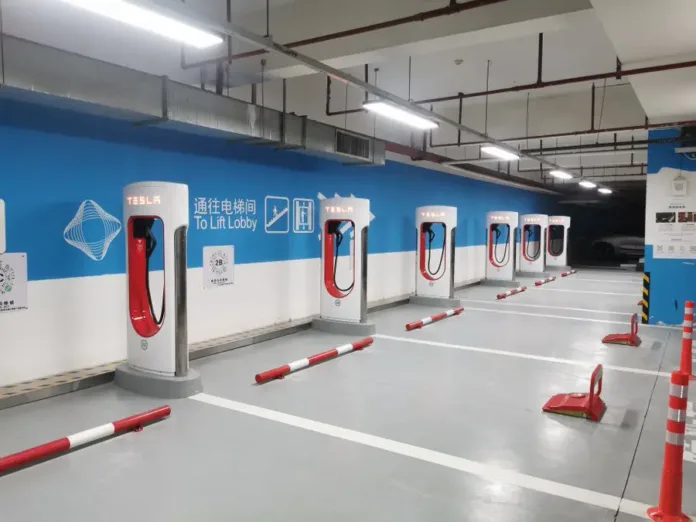
The charging war is officially over. Stellantis, the last major global automaker holding out, has finally announced it will adopt Tesla’s North American Charging Standard (NACS) for its electric vehicles. If you drive a Jeep, Dodge, Chrysler, Ram, Alfa Romeo, or Fiat EV, your charging world just expanded dramatically.

Stellantis

Why This Matters: 28,000 New Charging Stations

Stellantis EVs will gain access to over 28,000 Tesla Supercharging stalls across the United States, Canada, Mexico, Japan, and South Korea. That’s not just more plugs—it’s access to the most reliable fast-charging network on the planet.

For perspective: Tesla’s Supercharger network has 60 percent more stalls than all CCS1-equipped networks combined. This is like suddenly getting VIP access to the country club you’ve been watching through the fence.

What This Means for Stellantis Brands:

TimelineVehicles AffectedAccess Method
Early 2026Jeep Wagoneer S, Dodge Charger DaytonaNACS-to-CCS adapter required
2026+Jeep Recon and future BEVsNative NACS port built-in
2027Japan & South Korea modelsNative NACS port

The Reluctant Convert

Stellantis’s late adoption might have an explanation—the carmaker has been reluctant to go all-in with electrification, delaying new EV models and canceling others. While competitors rushed to sign Tesla deals in 2023, Stellantis sat on the sidelines evaluating options.

Even Faraday Future, a company that has delivered just 16 vehicles in its entire history, announced its NACS transition before Stellantis. Talk about fashionably late to the party.

Beyond North America: Going Global

Here’s where it gets interesting. Stellantis announced the international expansion of SAE J3400 use in Japan and South Korea, challenging global charging norms outside North America for the first time.

Why Japan and Korea? Both markets have messy charging landscapes with CHAdeMO and various CCS flavors competing. Tesla highlighted how the transition benefits these regions by eliminating connector-side locking found in CHAdeMO and CCS1, improving ease of use and reliability.

The Industry Domino Effect

Ford Motor Company became the first major automaker to announce NACS adoption in May 2023, triggering an industry-wide avalanche. GM, Mercedes, Hyundai-Kia, BMW, Volkswagen, and even cautious Toyota followed suit. By February 2024, virtually every major Western automaker had committed—except Stellantis.

Why Everyone Switched:

  1. Network size: Tesla’s charging infrastructure dwarfs competitors
  2. Reliability: Superchargers consistently work (a rarity in EV charging)
  3. Design: NACS connector is smaller, lighter, and easier to handle than CCS
  4. Federal support: The U.S. government endorsed NACS in December 2023
Stellantis

What Happens to Current Stellantis EV Owners?

If you already own a Jeep Wagoneer S or Dodge Charger Daytona with the old CCS1 port, don’t worry. Stellantis’ existing EVs will require a NACS-to-CCS1 adapter to access Superchargers. Details on adapter availability and whether they’ll be free (like Ford offered) haven’t been announced yet.

The Hidden Winner: IONNA Network

Stellantis isn’t just relying on Tesla. The company is also a founding member of IONNA, a new rapidly growing charging network created by multiple automakers. IONNA stations will feature both NACS and CCS connectors, providing another charging option as the network expands across North America.

The Bigger Picture

NACS uses a single compact connector for both AC and DC charging, sharing common pins for both modes, unlike other systems that require different or larger connectors for DC fast charging. This simplicity is why it’s winning.

With Stellantis’s announcement, Tesla’s proprietary connector from 2012 has become the de facto North American standard in just over two years—one of the fastest technology transitions in automotive history.

The Bottom Line:

Stellantis may have been the last holdout, but it’s joining a winning team. For customers, this means fewer charging headaches, more road trip confidence, and access to the infrastructure that actually works. Sometimes being late to the party is better than not showing up at all—especially when the party has 28,000 chargers waiting for you.

MG Windsor EV Crosses 50,000 Sales in Record Time

0
MG Windsor EV

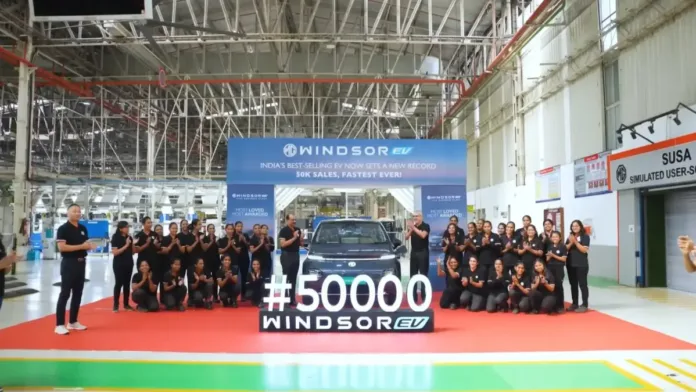
India’s electric vehicle revolution just hit a new gear. The MG Windsor EV has sold over 50,000 units in less than 400 days, making it the fastest electric car in India to reach this incredible milestone. That’s roughly five Windsor EVs finding new homes every single hour!

When JSW MG Motor India launched the MG Windsor EV in September 2024, they had a simple mission: create an electric car that didn’t compromise on style, practicality, or value. Mission accomplished.

MG Windsor EV
MG Windsor

Breaking Records at Lightning Speed

The Windsor achieved its final 4,300+ sales in just the first 19 days of November 2025, demonstrating the car’s consistently strong demand. This isn’t just a flash in the pan—the electric crossover has been averaging over 3,800 units per month throughout its first year, often crossing the 4,000-unit mark.

Managing Director Anurag Mehrotra described the achievement as “a landmark moment in India’s EV journey” that shows customers are embracing the electric transition “with enthusiasm”.

The MG Windsor isn’t just another electric car—it’s designed to be India’s first intelligent CUV (Crossover Utility Vehicle), blending sedan spaciousness with SUV versatility. Here’s what’s capturing buyers’ attention:

Design That Turns Heads The AeroGlide design language features a distinctive protruding fascia with connected LED DRLs, LED headlights, and an illuminated MG logo. Sitting on 18-inch alloy wheels with flush door handles, this electric crossover looks futuristic without being intimidating.

Comfort That Redefines Luxury The signature Aero Lounge seats recline to 135 degrees, transforming your drive into a first-class experience. Add a panoramic glass roof, 256-color ambient lighting, and a 9-speaker Infinity sound system, and you’ve got a cabin that rivals premium sedans.

Technology That Connects A massive 15.6-inch touchscreen dominates the dashboard, complemented by an 8.8-inch digital driver’s display. Wireless phone charging and automatic climate control with rear AC vents ensure modern convenience.

Power and Range Options

Battery PackRangePower Output
38 kWh332 km134 BHP, 200 Nm
52.9 kWh449 km136 BHP, 200 Nm

The Windsor EV is available with two battery options, offering up to 449 km of range on a single charge. DC fast charging can juice up the battery from 20% to 80% in about 50 minutes, making range anxiety a thing of the past.

MG Windsor EV
MG Windsor

Affordable Innovation with BaaS

One of Windsor’s game-changing features is the Battery-as-a-Service model. Starting at just ₹9.99 lakh plus ₹3.9 per kilometer for battery rental, the Windsor makes electric vehicle ownership accessible to a broader audience. Traditional purchase options range from ₹13.99 lakh to ₹18.39 lakh.

Special Edition Celebrates Success

MG recently launched the MG Windsor EV Inspire Edition, limited to just 300 units and priced at ₹16.65 lakh. Unveiled by Union Minister Nitin Gadkari, this special edition celebrates the electric crossover’s remarkable journey.

The Bottom Line

The MG Windsor EV’s record-breaking success proves that Indian buyers are ready for electric mobility—when it’s done right. With practical range options, innovative financing through BaaS, premium features, and compelling design, the Windsor has cracked the code for mainstream EV adoption.

This isn’t just a sales milestone. It’s a signal that India’s electric future is accelerating faster than anyone expected. As the Windsor continues averaging 5 sales every hour, one thing is crystal clear: the electric revolution in India is no longer coming—it’s already here.

Polestar Integrates Google Gemini AI: Revolution on Wheels

0
Polestar

The future of driving just got a major upgrade. Polestar announced it’s bringing Google Gemini, the cutting-edge AI voice assistant, to its entire vehicle lineup starting in 2026. This isn’t just another tech update—it’s a complete reimagining of how you’ll talk to your car.

Forget robotic commands and frustrating “I didn’t understand that” responses. Gemini replaces Google Assistant with generative AI capabilities that enable natural conversation flow with follow-up questions. Think of it as having a brilliant co-pilot who actually understands context and nuance.

Polestar

Live Demo at Slush Conference

Polestar is showcasing this groundbreaking technology at Slush 2025 in Helsinki on November 19-20, giving tech enthusiasts a hands-on preview inside the stunning Polestar 5. This isn’t vaporware—it’s happening right now.

What Makes Gemini Different?

Traditional voice assistants are like talking to a help desk with a limited script. Gemini changes everything. Here’s what sets it apart:

Natural Conversations Instead of memorizing specific commands, you can speak naturally. The Gemini Live feature activates through the simple prompt “Hey Google, let’s talk” and opens up a world of possibilities—from brainstorming ideas during your commute to preparing for important meetings.

Context-Aware Intelligence Gemini remembers previous conversations within your session. Ask about nearby restaurants, then follow up with questions about specific menu items or reviews—no need to restart the conversation each time.

Multilingual Magic Need to send a message in Spanish to a friend? Just tell Gemini once, and it’ll automatically handle translations going forward. It works across over 40 languages, making international communication seamless.

Rollout Timeline and Availability

FeatureTimelineRequirements
Initial Launch2026Google Account, 18+ years
Language SupportUS English firstAdditional languages later
Vehicle CoveragePolestar 2 onwardsVia software update
CostIncludedSubscription details TBA

Gemini will start rolling out to Polestar users in 2026, with initial availability limited to US English. The technology requires a Google Account and users must be 18 or older, with feature availability depending on market and configuration.

Real-World Use Cases

The Commuter’s Dream Running late for work? Ask Gemini to send a message explaining your delay, check traffic conditions, and queue up your favorite podcast—all in one natural conversation.

The Road Trip Companion Hungry on a long drive? Simply say, “Find good taco places along the way,” then ask about their ratings, hours, or whether they have outdoor seating. Gemini connects with Google Maps to give you contextual answers.

image 268 Polestar Integrates Google Gemini AI: Revolution on Wheels

The Professional’s Assistant Preparing for a crucial meeting? Use Gemini Live to practice your pitch, refine your strategy, or even find that important email buried in your Gmail inbox—all hands-free and eyes-on-road.

What Industry Leaders Are Saying

Sid Odedra, Head of UI/UX at Polestar, described the integration as demonstrating continued evolution of the digital experience in Polestar vehicles. The company’s ongoing collaboration with Google shows a commitment to keeping their vehicles at the cutting edge of automotive technology.

Haris Ramic, Director of Product Management at Google, noted the companies’ ongoing collaboration on connected vehicle technology, signaling that this is just the beginning of deeper AI integration in cars.

Beyond Voice: The Bigger Picture

This announcement is part of a broader shift in the automotive industry. With over 50 models now featuring Google built-in, we’re witnessing a fundamental transformation in how cars function—from mechanical machines to intelligent, connected devices.

Polestar’s partnership with Google goes beyond voice assistants. They’re already pioneers in integrating Android Automotive OS, creating a foundation for features like digital car keys that let you lock, unlock, and start your vehicle with just your smartphone.

The Bottom Line

The Polestar-Google Gemini integration represents more than just a feature update—it’s a glimpse into the future of mobility. As electric vehicles become increasingly software-driven, AI assistants like Gemini will become as essential as steering wheels and brakes.

Starting in 2026, Polestar drivers won’t just own electric cars—they’ll have intelligent companions that understand, learn, and adapt to their needs. The question isn’t whether AI will transform driving; it’s whether you’re ready for the ride.

Jeep Recon EV Launched: The Electric Off-Roader Is Here

0

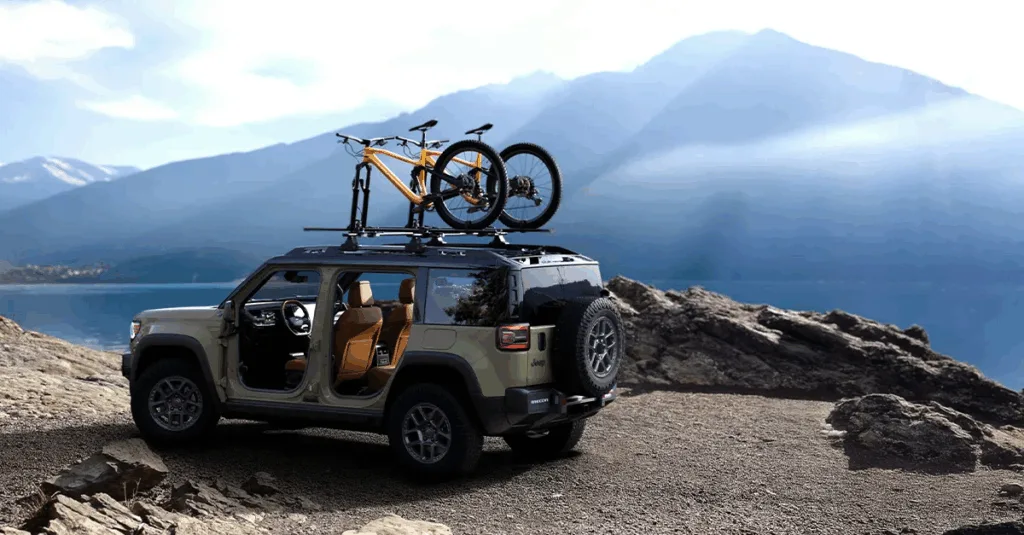
Imagine conquering rocky trails with zero emissions and 650 horsepower under your feet. Jeep just made that dream a reality with the Recon—a fully-electric SUV that refuses to compromise between eco-consciousness and adventure. This isn’t just another crossover going electric; it’s Jeep proving that sustainable doesn’t mean soft.

The Recon bridges two worlds that rarely meet: electric vehicle enthusiasts and hardcore off-roaders. While it won’t reach Indian shores anytime soon, this groundbreaking vehicle deserves your attention for reimagining what an electric 4×4 can be.

Jeep Recon
Jeep Recon EV Launched: The Electric Off-Roader Is Here

Jeep Recon: Classic Jeep DNA, Zero Emissions

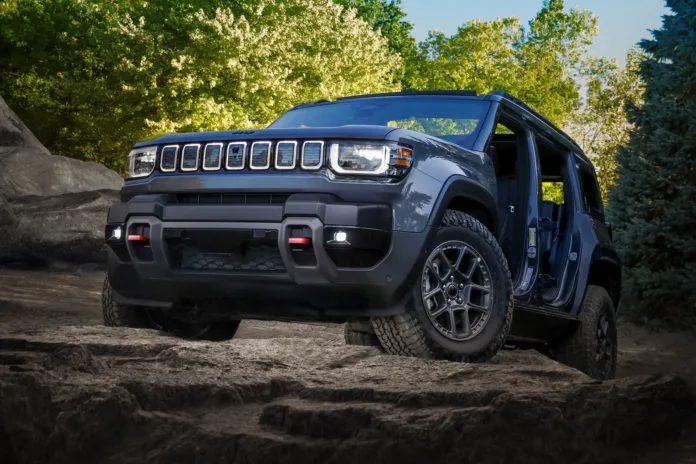
Step back and admire the Recon, and you’ll see unmistakably Jeep design language. The iconic seven-slat grille commands attention at the front, flanked by rectangular headlamps sporting U-shaped DRL signatures. The boxy proportions and retro-inspired touches make it look like it rolled straight out of Jeep’s legendary past—except this one runs on electrons.

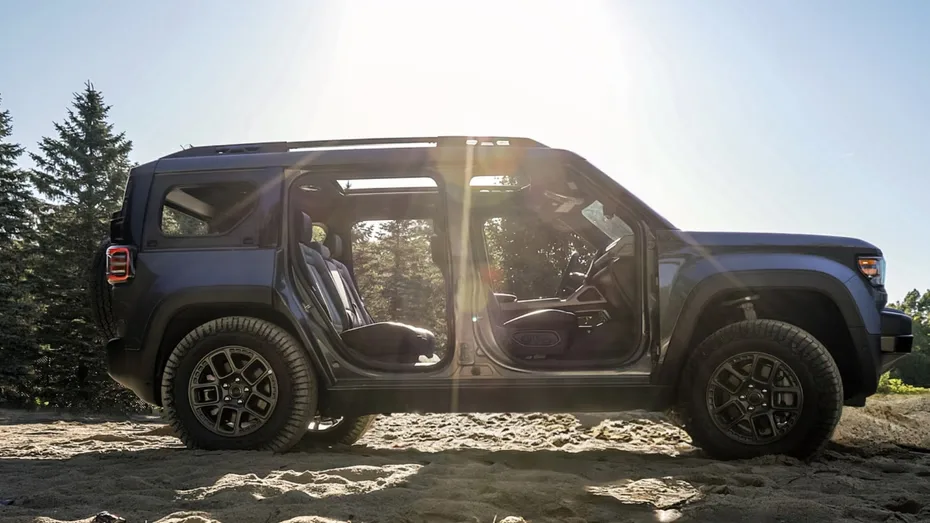
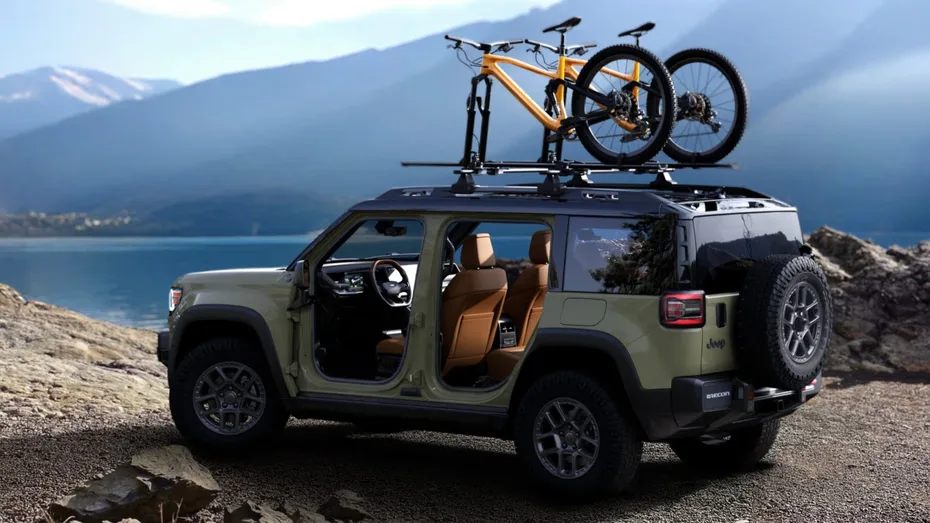
What truly sets the Recon apart? Removable doors and an electrically retractable soft-top roof. It’s the kind of open-air freedom Wrangler fans worship, now available in an EV package. The tailgate-mounted spare wheel completes the authentic Jeep aesthetic.

Specifications at a Glance

FeatureSpecification
Dimensions4,211 mm (L) × 1,900 mm (W)
Battery Capacity100.5 kWh
Range402 km per charge
Power Output650 PS
Torque840 Nm
DrivetrainAll-wheel drive
Fast Charging160 kW DC (400V)
Ground Clearance232 mm

Off-Road Credentials That Impress

Don’t let the electric powertrain fool you—this Jeep means serious business on the trails. With approach, departure, and rampover angles measuring 33.8, 33.1, and 23.3 degrees respectively, combined with 232mm ground clearance, the Recon has proper off-roading chops.

The massive 840 Nm of torque arrives instantly—a massive advantage over traditional combustion engines where you wait for power to build. Climb steep inclines, navigate boulder-strewn paths, or ford shallow streams with electric precision.

Hill descent assist and rough road cruise control work alongside the electric motors to give you confidence on challenging terrain that would make most EVs turn back to the pavement.

Interior: Tough Meets Tech

Inside, the Recon balances ruggedness with sophistication. Exposed screws, a passenger-side grab handle, and scuff-resistant trim remind you this is a working vehicle, not a rolling smartphone. Yet the dual-tone tan-black theme feels premium.

The technology package impresses: a massive 14.5-inch touchscreen infotainment system dominates the center console, complemented by a 12.3-inch digital instrument cluster. Wireless Android Auto and Apple CarPlay, wireless charging, and multiple drive modes keep you connected without sacrificing capability.

image 265 Jeep Recon EV Launched: The Electric Off-Roader Is Here
Jeep Recon EV Launched: The Electric Off-Roader Is Here

Safety hasn’t been overlooked. Multiple airbags and a Level 2 ADAS suite ensure protection whether you’re navigating city traffic or remote wilderness.

The Power to Thrill

The 100.5 kWh battery pack delivers up to 402 km of range, producing 650 PS and 840 Nm driving all four wheels. That’s supercar-level power in an off-road package. The 160 kW DC fast charging capability means you won’t spend all day waiting for juice during long adventures.

The 400V architecture represents proven technology, prioritizing reliability over bleeding-edge 800V systems that are still maturing.

Pricing Reality Check

Here’s the catch: Jeep has no plans to bring the Recon to India anytime soon. US pricing starts at $65,000, translating to roughly Rs 57 lakh. If it eventually arrives in India, expect import duties to push pricing beyond Rs 80 lakh.

That positions it alongside the Land Rover Defender—a vehicle that’s seen strong reception in India’s premium SUV market.

The Verdict: A Bold Statement

The Jeep Recon represents more than just another electric vehicle launch. It’s proof that electrification doesn’t mean sacrificing adventure, capability, or the soul that makes a Jeep a Jeep. With removable doors, serious off-road angles, and enough torque to climb mountains, this electric 4×4 challenges every assumption about what EVs can’t do.

While Indian buyers will need to wait, the Recon signals where the industry is heading—toward a future where you can explore nature without harming it. The question isn’t whether electric off-roaders are viable anymore. The Recon just answered that with a resounding yes.

Trichy EV Boom Outpaces Charging Station Growth

0
Trichy

Trichy is experiencing an electric vehicle revolution, but there’s a catch—the charging infrastructure can’t keep up. While EVs are zooming off showroom floors at record speed, EV owners are finding themselves in a frustrating game of musical chairs when it comes to finding available charging points.

The city’s transformation into an EV-friendly destination faces a critical bottleneck: despite being one of Tamil Nadu’s priority cities for EV infrastructure development, Trichy currently has only around 25 public charging stations serving a rapidly growing fleet of electric vehicles.

Trichy

The Numbers Tell the Story

Trichy currently has approximately 25 EV charging stations, a number that seems impressive until you consider the surge in electric vehicle adoption across the city. Trichy is among six priority cities identified by the Tamil Nadu government for building robust EV charging networks, alongside Chennai, Coimbatore, Salem, Madurai, and Tirunelveli.

Tamil Nadu leads India’s EV manufacturing sector, accounting for 46% of the country’s total electric vehicle production. This manufacturing prowess has naturally sparked local interest in EV adoption, but the supporting infrastructure hasn’t scaled proportionally.

Tamil Nadu’s Ambitious Vision

TargetTimelineDetails
EV Charging StationsBy 20252,500 stations statewide
Investment GoalBy 2025Rs 50,000 crore ($6 billion)
Job CreationBy 2025150,000 new positions
EVs RegisteredAs of 2021Over 50,000 vehicles

Tamil Nadu plans to install 2,500 EV charging stations by 2025, with charging stations mandated at 25-kilometer intervals on both sides of National and State Highways. The state aims to create a comprehensive grid with charging infrastructure in commercial buildings, hotels, shopping malls, and apartments.

The Real-World Experience

What does this shortage mean for Trichy’s EV owners? Picture this: You’ve planned to charge your vehicle at 7 PM, booked your slot through an app, and arrive on time—only to find another car still plugged in. You wait. You call customer support. The other driver needs to be contacted and convinced to move their vehicle. Ten minutes pass before you can finally start your charging session.

This scenario isn’t hypothetical—it’s the reality shared by EV owners navigating charging stations like the one at Courtyard by Marriott in Trichy, where slots are precious and delays are common.

Most electric cars can charge in about one hour when plugged into a 50kW DC fast charger, but that’s assuming you can access one without waiting.

Why the Gap Exists

The infrastructure gap stems from multiple factors. While Tamil Nadu’s Industries Minister TRB Rajaa has emphasized concentrating heavily on charging infrastructure, translating policy into physical charging stations takes time, investment, and coordination.

The government is willing to help companies establish infrastructure and share costs in certain zones. One innovative approach involves installing charging stations near electricity sub-stations to solve part of the problem, ensuring adequate power supply without requiring extensive new electrical infrastructure.

The Chennai-Trichy E-Highway Initiative

There’s hope on the horizon. The National Highways for Electric Vehicles program conducted its Tech Trial Run-III from Chennai to Trichy, flagged off on World EV Day, September 9, 2024. This 332-kilometer pilot corridor is part of India’s broader plan to create 5,500 kilometers of e-highways.

These initiatives demonstrate government commitment, but execution must accelerate to match EV adoption rates.

image 263 Trichy EV Boom Outpaces Charging Station Growth

What Major Players Are Doing

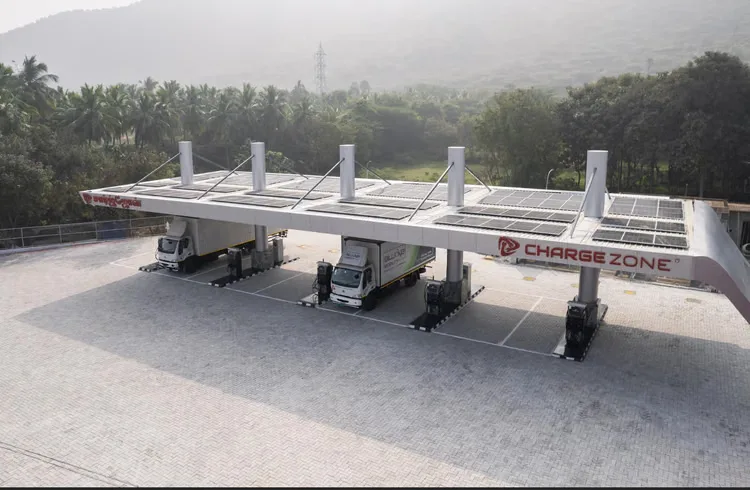
Companies like Tata Power, Charge Zone, Zeon Charging, and Plugzmart are establishing footholds in Trichy. Charging costs in Tamil Nadu’s public fast charging stations range between Rs 50 to Rs 350, depending on vehicle type and units consumed.

However, the number of operators and their charging points remain insufficient for the growing demand.

The Road Ahead

For Trichy to truly embrace electric mobility, several things must happen quickly:

Aggressive Infrastructure Deployment The city needs to at least triple its current charging infrastructure within the next year to keep pace with EV sales growth.

Strategic Location Planning Charging stations should be prioritized in high-traffic areas—shopping districts, business centers, residential complexes, and along major roads connecting Trichy to neighboring cities.

Private Sector Participation Provisions for charging stations in commercial buildings, hotels, malls, and apartments need enforcement and incentives to encourage private investment.

User Education EV owners need better tools to locate available charging stations and understand pricing, helping them plan journeys with confidence.

The Bottom Line

Trichy stands at a crossroads. The city’s embrace of electric vehicles demonstrates environmental consciousness and technological progressiveness. But without matching infrastructure development, early adopters face unnecessary inconvenience, potentially discouraging others from making the switch.

The minister has acknowledged that charging infrastructure will help solve the mental block of those wanting to purchase EVs—and he’s absolutely right. Range anxiety isn’t just about battery capacity; it’s about knowing you can charge when and where you need to.

The EV boom in Trichy is real and accelerating. Now it’s time for the infrastructure to catch up.

Volkswagen Slashes India EV Costs, Hunts for Partner

0
Volkswagen

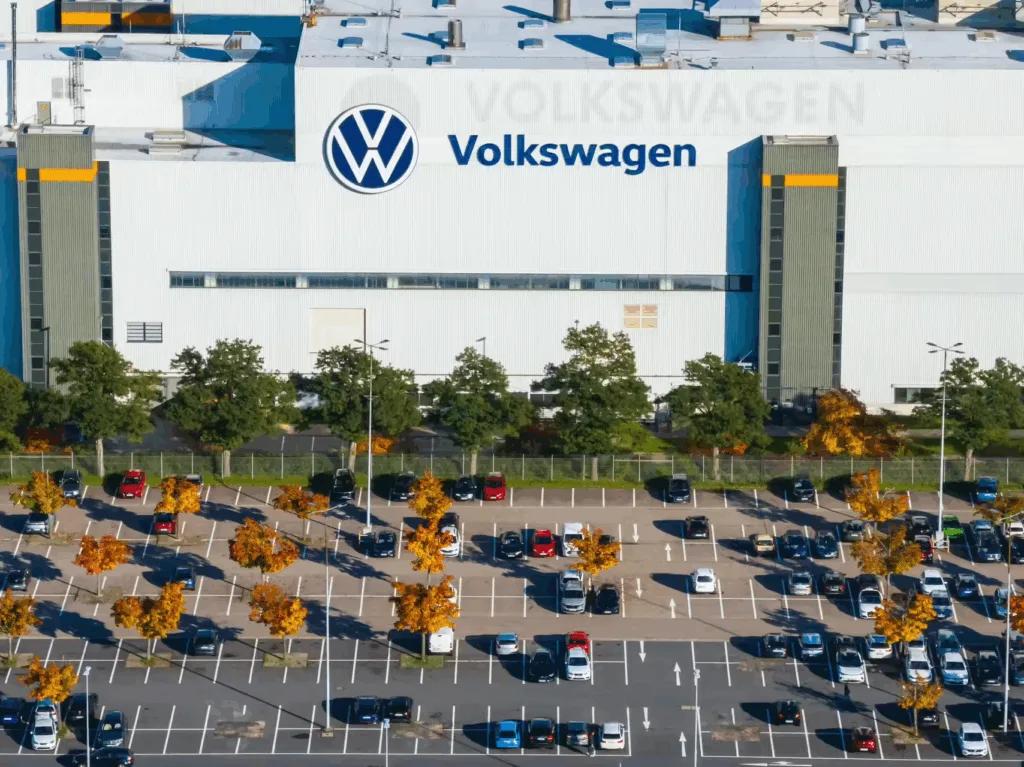
Picture this: Europe’s automotive powerhouse, Volkswagen, has been grinding gears in India for nearly two decades. Yet after all these years, they’re still stuck in the slow lane with a mere 2% market share. Now, as the electric vehicle revolution accelerates, VW is making a bold pivot that could change everything—or signal retreat.

Volkswagen

The $300 Million Reality Check

Volkswagen has slashed its India EV development budget by a third, bringing it down to approximately $700 million from the original $1 billion plan. That’s not just belt-tightening—it’s a complete strategic overhaul.

Why the dramatic cut? Simple economics. Volkswagen isn’t willing to pour billions into a market where it’s barely made a dent. While homegrown heroes like Maruti Suzuki, Mahindra, and Tata Motors dominate with affordable, fuel-efficient vehicles perfectly tuned to Indian wallets, VW’s premium positioning has left it sidelined.

Key PlayersMarket Position
Maruti SuzukiMarket Leader
Hyundai MotorStrong Contender
Mahindra & MahindraDomestic Giant
Tata MotorsEV Pioneer
Volkswagen + Skoda~2% Combined Share

The Partner Hunt: Who Will Join Forces?

Here’s where the story gets interesting. Volkswagen’s subsidiary, Skoda Auto Volkswagen India, is actively negotiating with multiple potential partners, including Indian contract manufacturers. The company has learned a hard lesson: going solo in India’s cutthroat market is a losing game.

The Contenders:

After partnership talks with Mahindra & Mahindra collapsed last year, VW is casting a wider net. The company has approached JSW Group, the local partner of China’s SAIC Motor, exploring possibilities that could leverage existing automotive infrastructure.

Racing Against the Clock

Time isn’t on VW’s side. India’s stricter carbon emission norms kick in from 2027, while Volkswagen’s EV debut likely won’t arrive until 2028. That’s a razor-thin margin in automotive terms.

To bridge this gap, VW is weighing a pragmatic short-term solution: importing EVs from Europe if an EU-India trade deal materializes. It’s not ideal, but it keeps them in the game while the India-specific platform takes shape.

Volkswagen

What This Means for Indian Buyers

For consumers eagerly awaiting affordable VW electric vehicles, this news is bittersweet. The cost cuts and partner hunt suggest:

  1. Lower prices possible: A local partner means shared costs and potentially more competitive pricing
  2. Delayed timeline: Don’t expect VW EVs before 2028
  3. Adapted products: Any partnership will likely produce vehicles specifically designed for Indian conditions and budgets

The Bigger Picture

Volkswagen’s struggles mirror a larger trend: European automakers have long struggled to make profits in India’s price-sensitive market. Success in India requires understanding that consumers here prioritize value, efficiency, and affordability over brand prestige.

The company’s revised strategy isn’t about giving up—it’s about getting smart. By seeking a partner who understands local dynamics, sharing development risks, and right-sizing investments, VW hopes to finally crack the code that’s eluded them for 20 years.

The Bottom Line

Volkswagen‘s India EV gamble is now a calculated partnership play. With $700 million on the table and 2027 emission norms looming, finding the right ally isn’t just important—it’s existential. For a company that once dreamed of dominating India’s roads, this humbler, collaborative approach might finally be the ticket to relevance in the world’s fastest-growing automotive market.

The question isn’t whether VW can build great electric vehicles—they’ve proven that globally. The real test is whether they can build the right EVs for India, at the right price, with the right partner. The clock is ticking, and India’s EV revolution won’t wait.