Home Blog Page 9

India EV PLI Scheme: Only 6 of 46 Models Qualify—Here’s Why

0
Tata Harrier EV Base Adventure: ₹21.49L Electric Beast Unveiled!

India’s electric vehicle dream just hit a harsh reality check. Out of 46 EV models submitted for the government’s Production-Linked Incentive (PLI) scheme, only six have qualified.

That’s a shocking 13% success rate, and it exposes a brutal truth: India’s EV industry is still heavily dependent on imported components, particularly from China. While the government pushes ambitious electrification targets, the domestic supply chain simply isn’t ready to support them.

The Devastating Numbers

The PLI scheme requires at least 50% of a vehicle’s components to be manufactured and sourced locally—a threshold that proved insurmountable for 87% of applicants.

CategoryCountPercentage
Total EV Models Submitted46100%
Models Qualified613%
Models Rejected4087%
Qualifying CompaniesModelsStatus
Tata Motors5 modelsApproved
Mahindra1 modelApproved
All Others (Hyundai, Kia, MG, BMW, Audi, Mercedes-Benz, etc.)0 modelsRejected
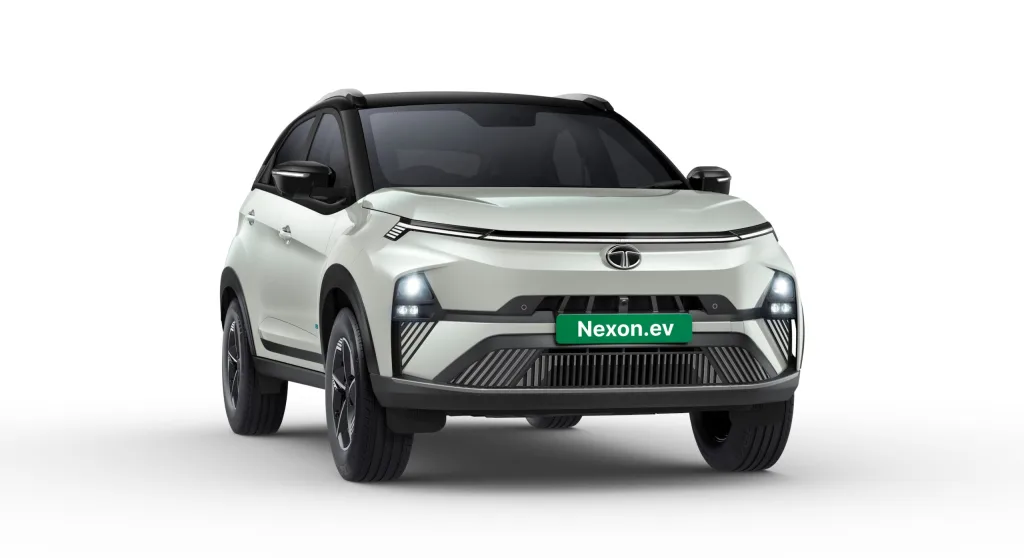
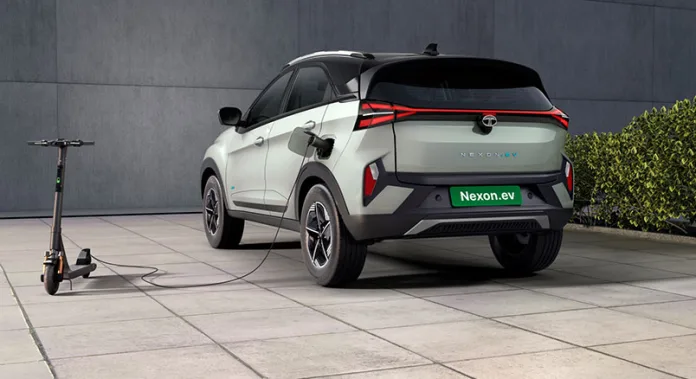
Tata Nexon

The Winners: Tata and Mahindra Dominate

Only five models from Tata Motors and one from Mahindra made the cut:

Tata Motors (5 Models):

  • Tata Nexon EV
  • Tata Tiago EV
  • Tata Tigor EV
  • Tata Punch EV
  • Tata Harrier EV

Mahindra (1 Model):

  • Mahindra XEV 9E

The Shocking Failures

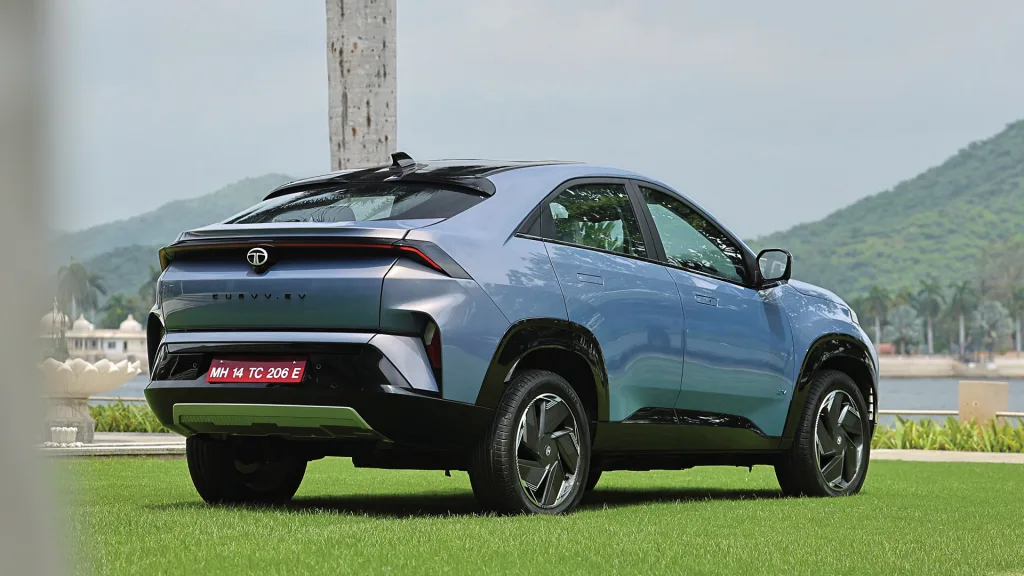
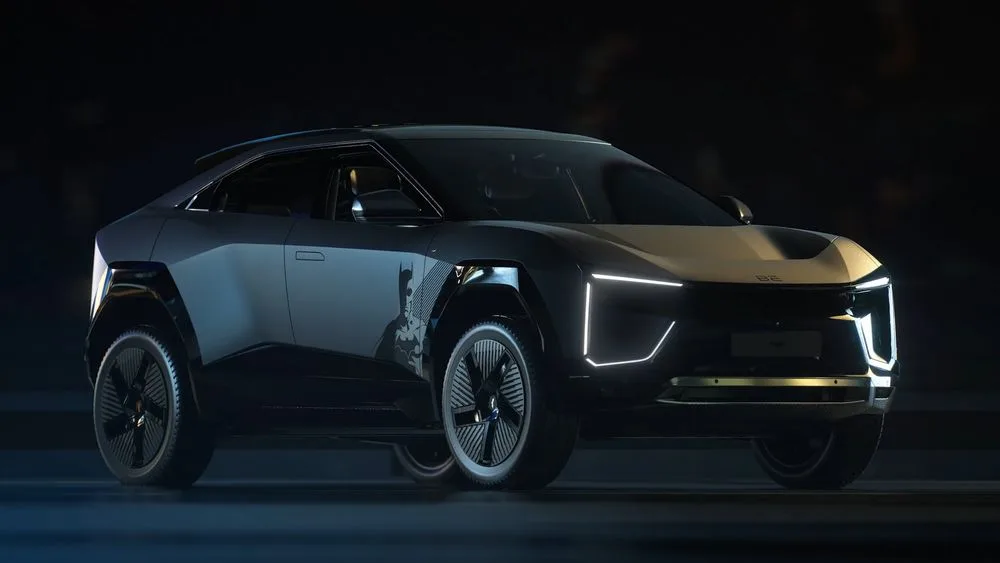
Here’s what makes this even more startling: even newer models from Tata and Mahindra—like the Tata Curvv EV and Mahindra BE 6—failed to qualify due to insufficient local content.

Major Brands That Didn’t Make the Cut:

  • Hyundai (including the popular Ioniq 5)
  • Kia (EV6 and EV9)
  • JSW MG Motor (ZS EV, Comet EV, Windsor EV)
  • Mercedes-Benz (EQS, EQB)
  • BMW (iX, i4, i7)
  • Audi (e-tron range)
  • Citroën (eC3)
  • VinFast
  • Volvo
  • Tesla (if they had applied)
Conclusion: Is the 2025 Kia EV6 Right for You?

What’s Actually Imported?

India’s EV manufacturers are heavily reliant on imports for critical components, predominantly sourced from China and Taiwan:

ComponentImport DependencyPrimary Source
Lithium-ion Battery CellsVery HighChina, Taiwan
Rare Earth MagnetsVery HighChina
DC MotorsHighChina, Taiwan
Laminated StatorsHighChina
Semiconductor ChipsVery HighTaiwan, China
Printed Circuit BoardsHighChina, Taiwan

These aren’t minor parts—these are the heart, brain, and muscles of every electric vehicle. Without local production of these components, India’s “Make in India” EV dream remains just that: a dream.

Why Is Localization So Difficult?

The chicken-and-egg problem is killing India’s EV supply chain:

1. Market Size Too Small

Limited EV sales make it difficult to persuade supply chain partners to invest in local production facilities in India. Why would a battery cell manufacturer invest hundreds of crores to set up a factory when the market only supports a few thousand units?

2. Early Stage Ecosystem

The local supply ecosystem for EVs simply isn’t as developed as it is for traditional internal combustion engine vehicles. ICE vehicles have had decades to build their supply networks—EVs are starting from scratch.

3. High Investment Requirements

Setting up lithium-ion battery cell manufacturing requires billions in capital investment, specialized technology, and expertise that India is still developing.

4. Geopolitical Vulnerabilities

Heavy reliance on imports raises concerns about supply chain vulnerabilities, especially in light of geopolitical tensions with China.
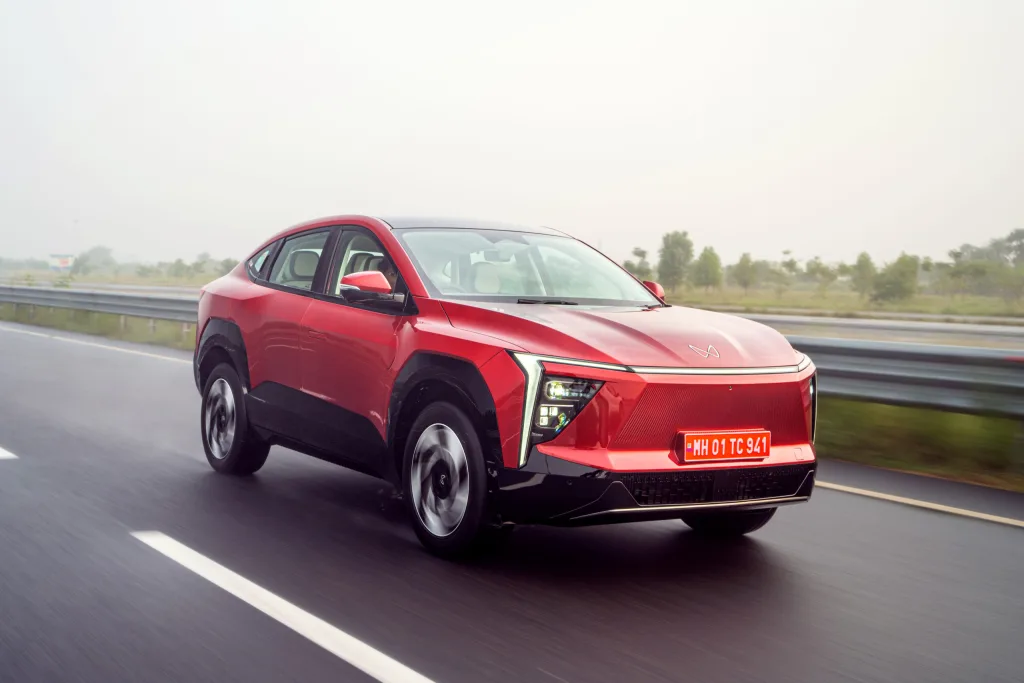
XEV 9e

What the PLI Scheme Actually Demands

The Production-Linked Incentive scheme isn’t just about paperwork—it has teeth:

RequirementSpecification
Minimum Domestic Value Addition (DVA)50% of components
Battery ManufacturingMust be substantially local
Critical ComponentsMajority should be Indian-made
Investment ThresholdMinimum ₹4,150 crore for new entrants
Timeline25% DVA by Year 3, 50% DVA by Year 5

These aren’t suggestions—they’re mandatory thresholds. And 87% of EV models couldn’t meet them.

Why Tata Succeeded Where Others Failed

Tata Motors has been systematically building its EV supply chain for years:

Tata’s Strategic Advantages:

  • Early mover advantage in EV space since 2020
  • Vertical integration with battery pack assembly in-house
  • Scale to justify supplier investments in localization
  • Government partnership through various PSU tie-ups
  • JLR expertise leveraging parent company technology

Mahindra’s single qualifying model—the XEV 9E—represents their newer electric platform built with localization in mind from day one.

The Cost of Import Dependency

This isn’t just about pride—it’s about economics and national security:

Economic Impact:

  • Higher vehicle costs due to import duties
  • Foreign exchange outflow
  • Limited profit margins for manufacturers
  • Vulnerable to currency fluctuations

Strategic Risks:

  • Supply chain disruptions during geopolitical conflicts
  • Dependence on a single country (China) for critical tech
  • Inability to control pricing or availability
  • National security concerns around semiconductor dependence

What Needs to Happen Next

The government and industry stakeholders must collaborate to enhance the local supply ecosystem through investing in research and development, fostering partnerships with local suppliers, and creating a conducive environment for manufacturing.

Short-Term Solutions (1-2 Years)

  • Joint ventures between Indian and global component manufacturers
  • Import duty rationalization on critical components during transition
  • Skill development programs for battery technology and semiconductor manufacturing
  • R&D incentives for indigenous technology development

Long-Term Strategy (3-5 Years)

  • Battery cell manufacturing at gigafactory scale
  • Rare earth mining and processing capabilities
  • Semiconductor fabrication plants specifically for automotive chips
  • Complete EV ecosystem from raw materials to finished vehicles
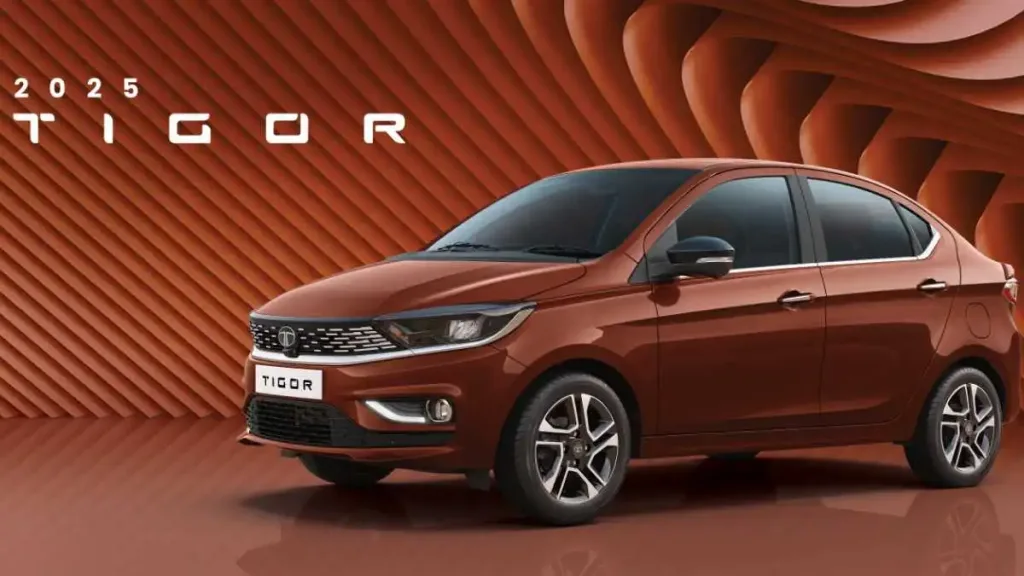
Does it Make Sense to Buy a Tata Tigor EV in 2025? Complete Buying Guide

The Silver Lining

India’s local EV battery ecosystem is developing. Multiple companies are aiming to produce and package their own lithium-ion cells, and localization will likely increase over time.

Positive Developments:

  • PLI scheme for Advanced Chemistry Cell (ACC) batteries with ₹18,100 crore outlay
  • PM E-DRIVE scheme with ₹10,900 crore for EV adoption
  • Growing investment in charging infrastructure
  • State-level EV policies providing additional incentives

What This Means for Buyers

If you’re planning to buy an EV:

  • Tata models will likely be cheaper due to PLI benefits
  • Mahindra XEV 9E qualifies for incentives
  • Hyundai, Kia, MG models may remain expensive
  • Luxury EVs (BMW, Audi, Mercedes) will stay premium-priced
  • Resale value might favor locally-manufactured models

The Bottom Line

The 6-out-of-46 statistic isn’t a failure of the PLI scheme—it’s a mirror showing India’s EV industry exactly where it stands. The scheme is working as intended: exposing the gaps, forcing hard conversations, and incentivizing genuine localization rather than assembly-only operations.

Tata Motors and Mahindra aren’t succeeding because they’re lucky—they’re winning because they invested early, built deep supply chains, and committed to true “Make in India” manufacturing.

For India to achieve its ambitious EV targets—30% electric vehicle penetration by 2030—the other 40 rejected models need to get serious about localization. That means:

  • Building battery cell factories, not just pack assembly units
  • Developing Indian semiconductor capabilities
  • Creating rare earth processing infrastructure
  • Training thousands of engineers in electric powertrain technology

The PLI scheme just drew a line in the sand. On one side: companies genuinely committed to building India’s EV ecosystem. On the other: brands content to assemble imported components and call it “Made in India.”

The choice for manufacturers is clear: localize comprehensively or lose out on billions in incentives. For India’s electric future, there’s no middle ground.
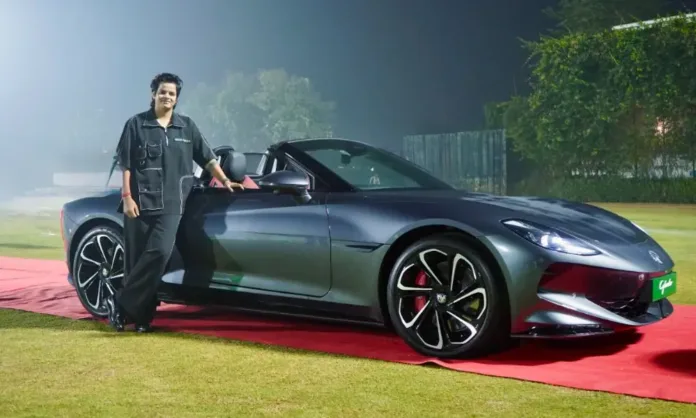
Shafali Verma MG Cyberster: Cricket Star’s ₹75L EV Dream

0
Shafali Verma MG Cyberster

Shafali Verma MG Cyberster: At just 21 years old, Indian cricket sensation Shafali Verma has already broken records on the field—now she’s breaking necks off it.

The fearless opening batter just took delivery of India’s most electrifying sports car: the MG Cyberster, a jaw-dropping electric convertible that costs ₹74.99 lakh and screams from 0-100 kmph in just 3.2 seconds. The delivery video capturing her pure joy has gone viral, and it’s easy to see why—this isn’t just a car purchase, it’s a statement.

When Cricket’s Youngest Record-Breaker Meets India’s Fastest EV

Shafali Verma isn’t your average cricket star. She’s the youngest player—male or female—to ever score a fifty in an ODI World Cup, breaking Virendra Sehwag’s record when she was just a teenager. That same fearless energy that makes her one of the most exciting openers in world cricket now translates into her wheels.

The MG Cyberster isn’t subtle, and neither is Shafali’s batting. It’s the perfect match: a two-seater electric roadster with scissor doors, a convertible roof, and enough power to embarrass supercars at traffic lights.

The MG Cyberster: India’s First Electric Sports Car

Launched in July 2025, the MG Cyberster represents a paradigm shift in India’s automotive landscape. This isn’t an electric family sedan or a practical SUV—this is pure, unapologetic performance wrapped in drop-dead gorgeous styling.

SpecificationMG Cyberster
Price₹74.99 lakh (ex-showroom)
TypeElectric Convertible Roadster
Power510 bhp (dual-motor AWD)
Torque725 Nm
0-100 kmph3.2 seconds
Top Speed200 kmph
Battery77 kWh
Range (ARAI)580 km
Fast Charging10-80% in 40 minutes (144kW)
DoorsElectrically operated scissor doors

Performance That Matches Her Fearless Style

The Cyberster’s dual-motor all-wheel-drive setup unleashes a combined 510 bhp and 725 Nm of torque. That translates to rocket-ship acceleration: 0-100 kmph in 3.2 seconds with a top speed of 200 kmph.

This isn’t just quick by electric standards—it’s legitimately supercar fast. For context, that’s quicker than many Porsches, BMWs, and Audis costing twice as much.

Why This Car Suits Shafali Perfectly

The Parallels Are Striking:

  • Fearless Performance: Shafali’s aggressive batting mirrors the Cyberster’s explosive acceleration
  • Breaking Conventions: She shattered age records; the car breaks EV stereotypes
  • Style & Substance: Her dynamic personality matches the car’s bold design
  • Youth & Energy: At 21, she represents India’s new generation of achievers who want it all

The electrically operated scissor doors alone are worth the price of admission—imagine pulling up to practice with those wings opening skyward.

Design: A Rolling Masterpiece

The MG Cyberster isn’t just fast—it’s a showstopper from every angle.

Exterior Highlights:

  • Convertible soft-top roof for open-air thrills
  • Sweeping bonnet with aerodynamic sculpting
  • Flowing roofline reminiscent of classic roadsters
  • Electrically operated scissor doors that defy gravity
  • Aero-efficient design balancing beauty and performance
  • Classic roadster silhouette updated for the electric age

This is automotive art that happens to go incredibly fast while producing zero emissions.

Technology & Features Worth ₹75 Lakh

Feature CategoryWhat You Get
Displays4 screens for complete digital control
AudioPremium Bose sound system
ComfortPower-adjustable seats
Safety4 airbags + ADAS suite
Range580 km ARAI-certified
Charging144kW DC fast charging

The four screens create a cockpit that feels more spaceship than sports car. The Bose sound system ensures your favorite tracks sound as good as the electric motors whirring behind you.

Advanced Driver Assistance Systems (ADAS) mean this performance beast also protects you with features like adaptive cruise control, lane-keeping assist, and collision warning systems.

The 580 KM Range Reality Check

With a 77 kWh battery pack, the Cyberster delivers an ARAI-certified 580 km range. In real-world spirited driving—because let’s be honest, nobody buys this car to drive gently—expect closer to 400-450 km.

But here’s the clever part: DC fast charging at 144 kW means you go from 10% to 80% in just 40 minutes. That’s a coffee break that adds 400+ km of range.

Exclusive MG Select Network

The Cyberster isn’t sold at regular MG showrooms. It’s exclusively available through MG Select—a premium retail network designed for high-end customers who demand white-glove service.

This exclusivity matches the car’s aspirational positioning. You can’t just walk into any MG dealership and buy a Cyberster; you need to visit the select few locations that cater to India’s luxury EV buyers.

What This Says About Indian Women’s Cricket

Shafali Verma buying a ₹75 lakh sports car at age 21 tells a bigger story than automotive preference. It signals that Indian women’s cricket has arrived—not just in terms of performance, but in commercial success and cultural impact.

The New Reality:

  • Top female cricketers earning substantial incomes
  • Brand endorsements translating to real wealth
  • Young athletes making luxury purchases typically reserved for senior male cricketers
  • Women’s sports gaining parity in public consciousness

Ten years ago, this would have been unthinkable. Today, it’s inspiring.

Should You Buy the MG Cyberster?

You Should Buy If…Think Twice If…
You want India’s most unique EVYou need rear seats or practicality
Performance matters more than practicality₹75 lakh feels steep for an MG
You love turning heads everywhereYou prefer subtle, understated cars
You appreciate automotive artFast charging infrastructure worries you
Open-air driving excites youYou live in extremely hot/rainy climates

The Bottom Line

Shafali Verma’s choice of the MG Cyberster is more than a celebrity car purchase—it’s a cultural moment. It shows that India’s electric revolution isn’t just about sensible sedans and practical SUVs. There’s room for dream machines that make your heart race while producing zero emissions.

At ₹74.99 lakh, the Cyberster isn’t cheap. But you’re not buying transportation—you’re buying 510 bhp of electric adrenaline wrapped in scissor-door drama, all while doing your bit for the planet.

For someone who’s spent her career taking risks and smashing boundaries, the fastest MG ever made seems like the perfect ride.

If you’re inspired by Shafali’s choice and have ₹75 lakh burning a hole in your pocket, visit an MG Select showroom. Just be prepared for every traffic light to turn into a photoshoot—because the Cyberster doesn’t do subtle.

And neither does India’s most exciting young cricketer.

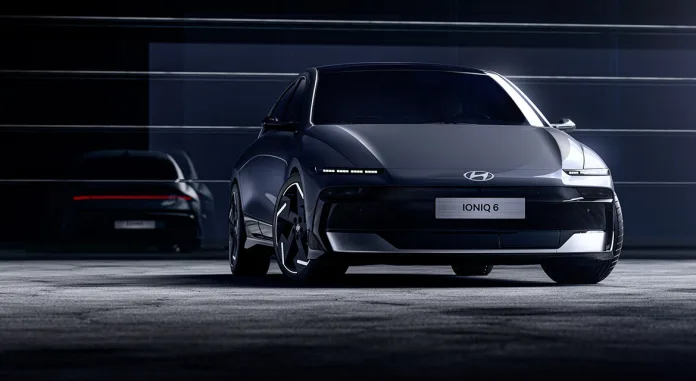
Hyundai IONIQ 6 N: 641 HP Electric Beast Hits America in 2026

0
Redefining the Hyundai Electric Sedan: IONIQ 6 Design Evolution

The electric performance game just changed forever. Hyundai dropped a bombshell at AutoMobility LA with the North American debut of the IONIQ 6 N—a high-performance EV that promises to blur the line between daily driver and track weapon. Coming to the U.S. in limited quantities in 2026, this electrified monster is Hyundai’s boldest statement yet that EVs can deliver genuine driving thrills.

Power That Commands Respect

Forget everything you thought you knew about sensible electric sedans. The IONIQ 6 N unleashes a staggering 641 horsepower and 568 lb-ft of torque when N Grin Boost engages. The result? A rocket-ship launch from 0-60 mph in just 3.2 seconds, with a top speed of 160 mph.

This isn’t just straight-line brutality. Hyundai’s integrated power-electronics system combines a high-efficiency front motor with a traction-focused rear motor, creating an all-wheel-drive symphony that adapts instantaneously to your driving style.

Performance SpecsIONIQ 6 N
Standard Power601 HP
Boost Power (N Grin Boost)641 HP
Torque568 lb-ft
0-60 mph3.2 seconds
Top Speed160 mph
Battery Capacity84.0 kWh
Fast Charging (10-80%)18 minutes
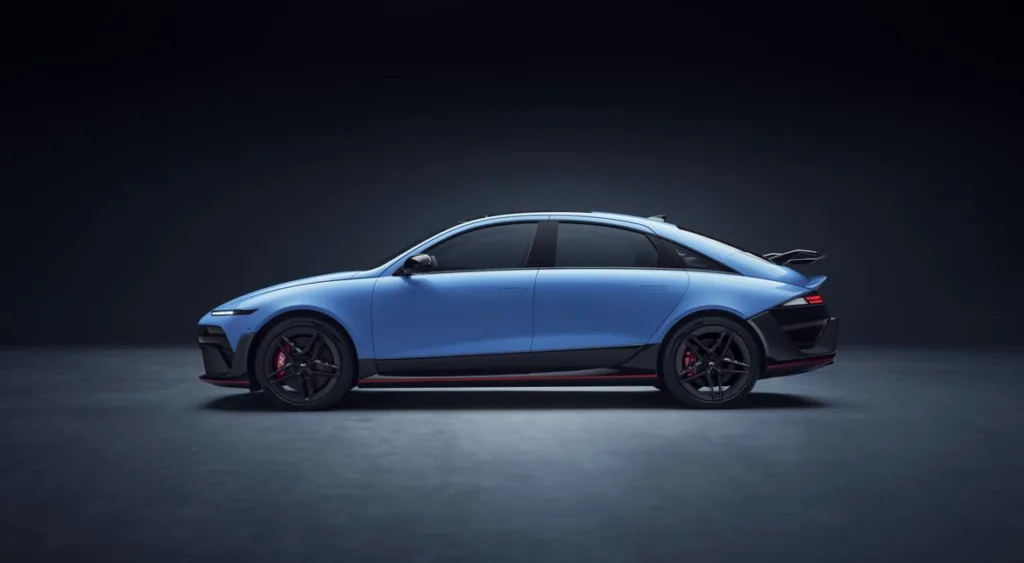
Hyundai IONIQ 6 N

Three Pillars of Performance

Hyundai N built the IONIQ 6 N around three core principles that transform this EV into something special:

1. Corner Rascal: Dancing Through Curves

The redesigned suspension geometry drops the roll center lower than ever, delivering razor-sharp handling without sacrificing comfort. Stroke-sensing Electronically Controlled Suspension dampers read the road in real-time, adjusting damping forces to keep you planted through sweeping corners or rough city streets.

An electronic limited-slip differential actively manages torque between wheels, maximizing traction when you need it most. The motorsport-inspired swan-neck rear wing generates genuine downforce while maintaining an impressive 0.27 drag coefficient—proof that aerodynamics and aesthetics can coexist.

2. Racetrack Capability: Built for the Circuit

This is where the IONIQ 6 N truly shines. The N Battery system features advanced thermal management that preconditions itself for drag racing, sprint laps, or endurance sessions. Battery conditioning time? Dramatically reduced thanks to an upgraded coolant heater.

The innovative N e-Shift system simulates close-ratio gear changes inspired by motorsport, adding visceral feedback that most EVs lack. Pair this with N Drift Optimizer—offering customizable drift initiation, angle, and wheel spin—and you have an EV that actually wants to play.

The N Track Manager transforms your smartphone into a racing telemetry system, complete with ghost-car visuals, lap-time analysis, and custom track creation. It’s like having a professional racing coach in your passenger seat.

3. Everyday Sportscar: Daily-Drivable Madness

Here’s the magic: despite all this performance, the IONIQ 6 N remains civilized for daily commutes. The balanced suspension provides genuine comfort on highways, while Hyundai’s SmartSense suite includes Forward Collision-Avoidance Assist, Blind Spot Collision-Avoidance Assist, and Highway Driving Assist 2.

The 400V-800V multi-charging architecture means you can grab an 80% charge in just 18 minutes at an ultra-fast charger—perfect for those spontaneous weekend track days.

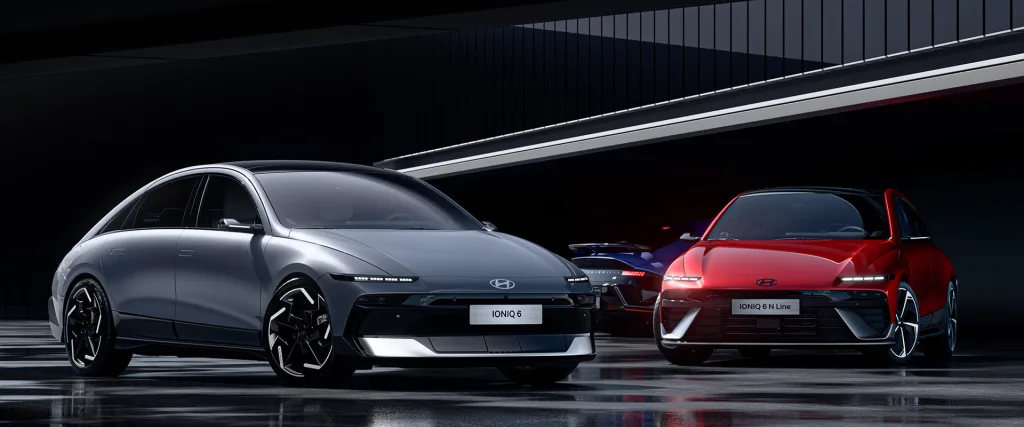
Say Hello to the Hyundai Ioniq 6 and N Line – With a Tease of the High-Performance N

Sound of Speed (Even Without an Engine)

Electric cars are silent, right? Not this one. The N Active Sound + system uses a performance-enhanced Acoustic Design Processor to create three distinct audio experiences:

  • Ignition: Raw motorsport aggression
  • Evolution: Heritage-inspired EV tones
  • Lightspeed: Futuristic sci-fi sounds

Combined with the N Ambient Shift Light—interior lighting that pulses with each “gear change”—the cockpit becomes a sensory playground that engages every part of your driving brain.

Design That Means Business

The IONIQ 6 N doesn’t whisper—it shouts. Performance Blue Pearl paint, widened fenders, and standard 20-inch forged wheels announce this car’s intentions before you even start it. Additional colors include Serenity White Pearl, Nocturne Grey Matte, and Onyx Black Pearl.

Inside, Alcantara suede-insert bucket seats with Performance Blue accents grip you tight during hard cornering. The N steering wheel features dedicated N1/N2 buttons for instant mode switching, while metal pedals ensure precision control. Even a knee support pad is included to help you brace during aggressive cornering.

The Braking and Charging Reality

SystemSpecification
Front BrakesFour-piston caliper, 15.7-inch rotor
Rear BrakesSingle-piston caliper, 14.2-inch rotor
Regenerative BrakingUp to 0.6G deceleration
Charging Architecture400V-800V multi-charging
Fast Charging Time10-80% in ~18 minutes

What This Means for EV Enthusiasts

The IONIQ 6 N represents a philosophical shift. Hyundai isn’t asking you to compromise performance for sustainability—they’re offering both in a single, track-capable package. With N Performance Parts also launching for the IONIQ 5 N and Elantra N, Hyundai is building an entire ecosystem for driving enthusiasts who want to go electric without losing their passion.

Limited availability means this won’t be for everyone. But for those lucky enough to secure one in 2026, the IONIQ 6 N promises to rewrite the rulebook on what a high-performance electric sedan can deliver.

The future of driving thrills is electric, turbocharged with technology, and wrapped in a sleek sedan body. Hyundai just proved that saving the planet doesn’t mean sacrificing your love for driving—it means amplifying it.

VinFast Q3 2025: $910M Loss Despite 149% Sales Growth

0
VinFast Opens India's Largest EV Showroom in Chennai, Signals Major Expansion Push

Vietnam’s electric vehicle champion VinFast just posted a shocking $910 million quarterly loss—nearly double last year’s figure—despite delivering a record 38,200 vehicles and achieving 149% year-over-year sales growth.

It’s the brutal paradox of modern EV startups: sell more cars, lose more money. For VinFast, owned by Vietnam’s richest man Pham Nhat Vuong, the question isn’t whether they can sell cars. It’s whether they can survive long enough to make selling them profitable.

The Numbers That Tell a Harsh Story

VinFast’s Q3 2025 financial results reveal a company caught in the classic startup trap: explosive growth funded by catastrophic losses.

Financial MetricQ3 2025Q3 2024Change
Net Loss$910 million~$500 million+82%
Vehicles Delivered38,200
Year-to-Date Deliveries (2025)110,000 EVs44,000 (2024)+149%
2024 Full Year Loss$3 billion+
Global Showrooms~400Worldwide
Home Market ShareMarket LeaderVietnam #1

The math is devastating: VinFast is losing approximately $23,821 per vehicle sold in Q3 2025. That’s not a typo—they’re hemorrhaging nearly $24,000 on every EV they deliver.

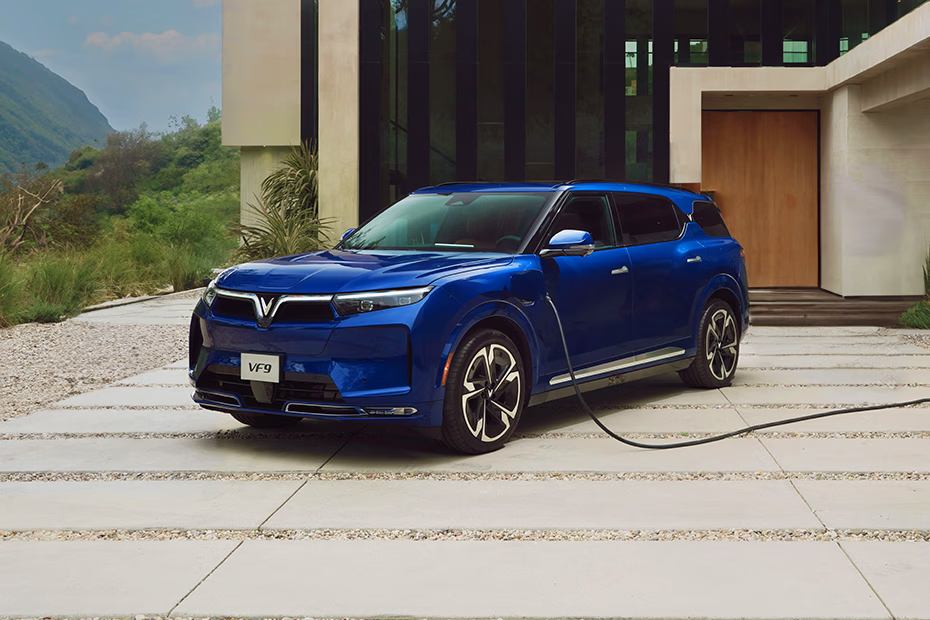
VinFast VF 9 EV: The New Rival to the Kia EV9?

The Tale of Two Realities

Reality #1: Sales Success
VinFast delivered nearly 38,200 vehicles in Q3 2025, bringing total deliveries to 110,000 EVs—up 149% year-over-year. In Vietnam’s domestic market, VinFast has become the dominant player, outselling international brands and establishing itself as a household name in a country of 100 million people.

Reality #2: Financial Catastrophe
The company reported a Q3 net loss of 24 trillion Vietnamese dong ($910 million), almost double the 13.2 trillion dong loss from the same period last year. Last year’s full losses exceeded $3 billion despite tripling vehicle deliveries.

Who’s Bankrolling This Burning Ship?

VinFast is part of the Vingroup conglomerate, one of Vietnam’s most powerful business empires with interests spanning real estate, infrastructure, tech, education, and healthcare. The company is owned by Pham Nhat Vuong, Vietnam’s richest man, who has repeatedly demonstrated his willingness to bet his fortune on VinFast’s success.

The Billionaire’s Gamble

Funding SourceDetails
FounderPham Nhat Vuong (Vietnam’s richest man)
Parent CompanyVingroup conglomerate
Nasdaq ListingListed in 2023 for capital access
Recent Funding$3.5 billion injection expected by end of 2026
Personal CommitmentPham willing to bet “all his money” on growth

In previous interviews, Vuong stated he was prepared to invest everything into VinFast’s global expansion. That commitment is being tested every quarter as losses mount.

The Global Expansion Strategy

With almost 400 showrooms globally, VinFast is trying to crack markets in Asia, the Middle East, Europe, the United States, and Canada. This aggressive international expansion is a primary driver of the massive losses.

Target Markets Breakdown

RegionStatusChallenge
VietnamMarket LeaderProfitability still elusive despite dominance
North AmericaGrowing networkHigh infrastructure costs, fierce competition
EuropeExpandingRegulatory complexity, established brands
IndonesiaAssembly plant operationalNew market uncertainty
IndiaFactory opening in 2025Intense price competition
PhilippinesMarket entry phaseLimited EV infrastructure
Middle EastExploration stageUnproven demand

Each new market requires massive upfront investment in showrooms, service centers, charging infrastructure, regulatory compliance, and marketing—all while VinFast is still struggling to achieve profitability in its home market.

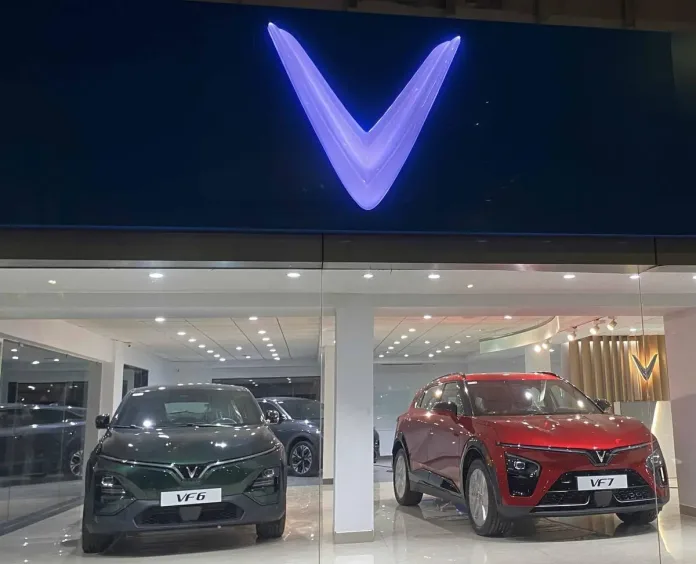
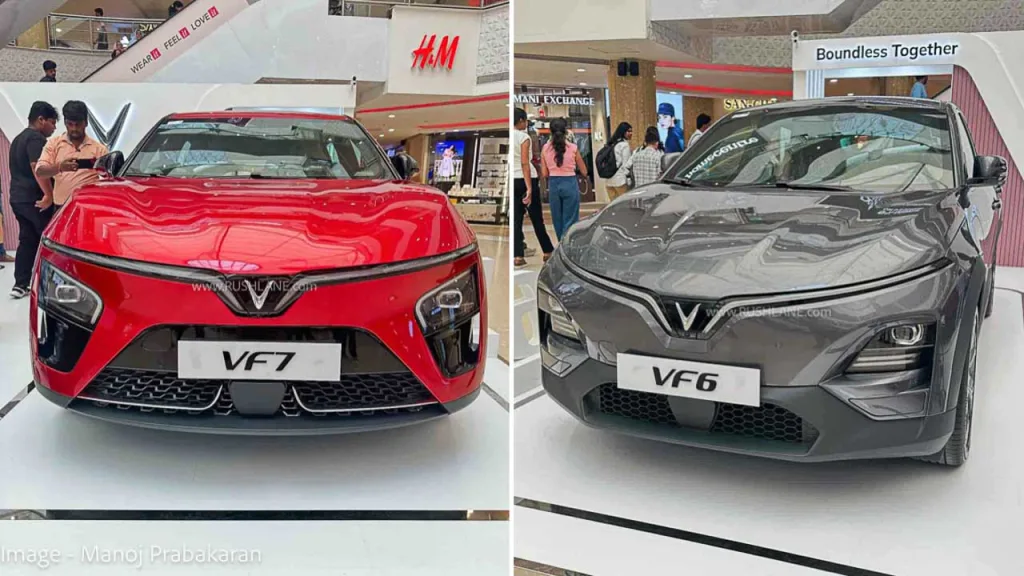
VinFast VF6 & VF7 Make Chennai Debut: Vietnam's Tesla Challenger Arrives in India

Why Is VinFast Losing So Much Money?

The losses stem from multiple compounding factors that plague every EV startup attempting to challenge Tesla:

1. Manufacturing Economics

Building EVs at scale requires enormous fixed costs. Without economies of scale, each vehicle carries a disproportionate burden of factory overhead, R&D, and tooling investments.

2. Global Expansion Burn

Opening 400 showrooms worldwide isn’t cheap. Each location requires real estate, inventory, trained staff, and marketing—often in markets where VinFast has zero brand recognition.

3. Pricing Pressure

To compete with established brands like Tesla, BYD, Hyundai, and traditional automakers, VinFast must price aggressively. This means selling vehicles below cost to gain market share.

4. Technology Investment

Developing competitive EV platforms, battery technology, autonomous driving features, and connected car software requires constant R&D spending.

5. Currency and Import Costs

While manufacturing in Vietnam, many critical components (battery cells, semiconductors, motors) still require imports, exposing VinFast to currency fluctuations and supply chain costs.

The Chairwoman’s Spin: “Growing Strength”

VinFast chairwoman Thuy Le attributed increasing sales revenues to the “growing strength” and “effectiveness” of the company’s regional expansion strategy. While technically true that revenues are rising, this messaging carefully avoids the uncomfortable reality that losses are rising even faster.

It’s the classic startup narrative: “Look at our growth!” while quietly hoping investors won’t ask about the path to profitability.

The Vietnam EV Ecosystem Advantage

VinFast does have some unique advantages that foreign competitors can’t easily replicate:

Domestic Market Dominance:

  • VinFast’s e-scooters, e-cars, and e-buses are ubiquitous in Vietnam
  • Government support for local champion
  • Major municipalities including Hanoi and Ho Chi Minh City are working on plans to make EVs mandatory in certain areas to reduce air pollution
  • Strong national pride in homegrown brand

If Vietnamese cities follow through on EV mandates, VinFast is perfectly positioned to benefit as the dominant local player.

Can VinFast Survive?

The $3.5 billion funding commitment from Vingroup and founder Pham Nhat Vuong provides a lifeline, but it’s not infinite. At current burn rates, here’s the sobering reality:

ScenarioCalculationResult
Current Quarterly Burn$910 millionUnsustainable
Annual Burn Rate~$3.6 billion/yearExceeds committed funding
Units to Break EvenEstimated 200,000+ annuallyFar from current 110,000
Market Cap PressureNasdaq-listedShareholder scrutiny
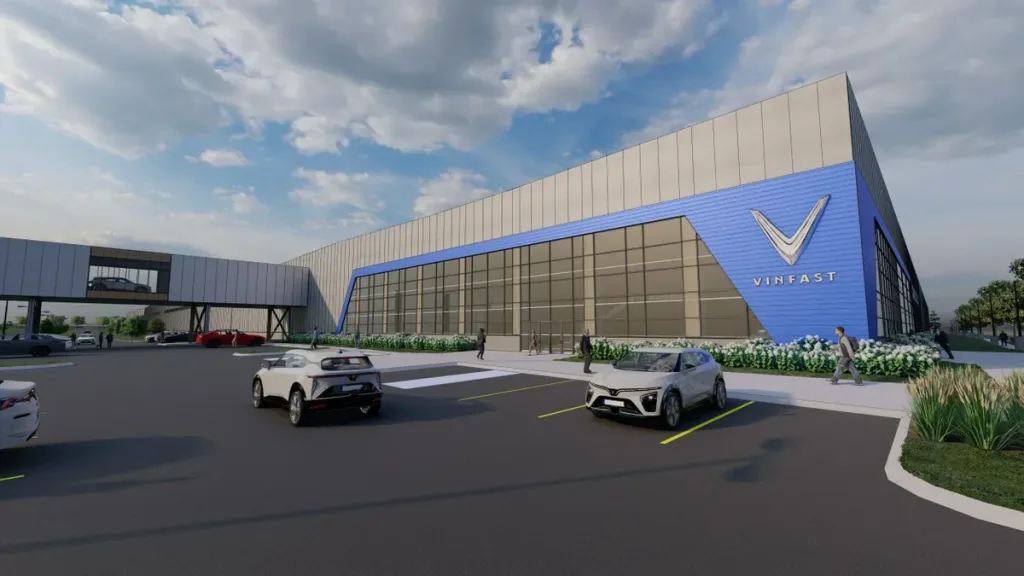
Vinfast factory 02

Three Possible Futures

Path 1: The Tesla Dream
VinFast achieves scale, secures additional funding, reaches profitability by 2027-2028. This requires flawless execution, favorable market conditions, and continued billionaire backing.

Path 2: Strategic Partnership
VinFast partners with or gets acquired by a larger automaker (Chinese, European, or American) who sees value in Vietnam manufacturing base and Southeast Asian market access.

Path 3: Controlled Retreat
VinFast scales back international ambitions, focuses exclusively on profitable Vietnam operations, abandons dreams of becoming a global Tesla competitor.

What This Means for the EV Industry

VinFast’s struggles illuminate a fundamental truth: building a successful EV company from scratch is brutally expensive and extraordinarily risky.

Lessons Being Learned:

  • Brand recognition matters more than technology specs
  • Distribution networks take years and billions to establish
  • Profitability requires either massive scale or premium pricing
  • Even billionaire backing isn’t guaranteed success
  • Domestic market strength doesn’t guarantee global success

Compare VinFast’s trajectory to other EV startups:

  • Rivian: Still losing money despite Amazon partnership
  • Lucid: Struggling with production and demand
  • Fisker: Recently went bankrupt
  • Nio: Chinese backing but still unprofitable
  • Tesla: Took 18 years to achieve consistent profitability

The EV graveyard is littered with well-funded startups that couldn’t bridge the gap between early sales and sustainable profitability.

The Bottom Line

VinFast’s 149% sales growth is genuinely impressive. Becoming Vietnam’s #1 automotive brand is a remarkable achievement. Building 400 global showrooms in just a few years demonstrates serious commitment.

But none of that matters if the money runs out.

At $910 million in quarterly losses—$24,000 lost per vehicle sold—VinFast is in a race against its own burn rate. The $3.5 billion funding commitment buys time, but it doesn’t buy profitability.

For Pham Nhat Vuong, Vietnam’s richest man, VinFast represents the ultimate gamble: can sheer willpower, deep pockets, and national pride overcome the brutal economics of building a global EV brand from scratch?

The next 12-18 months will be decisive. Either VinFast figures out how to dramatically reduce losses while maintaining growth, or even Vietnam’s richest man will discover that some dreams are simply too expensive to sustain.

The EV revolution is happening—but for VinFast, the question is whether they’ll be leading it or becoming a cautionary tale about the cost of ambition.

Porsche Cayenne Electric India: 850kW Beast at ₹1.76 Crore

0
Porsche Cayenne Electric India: 850kW Beast at ₹1.76 Crore

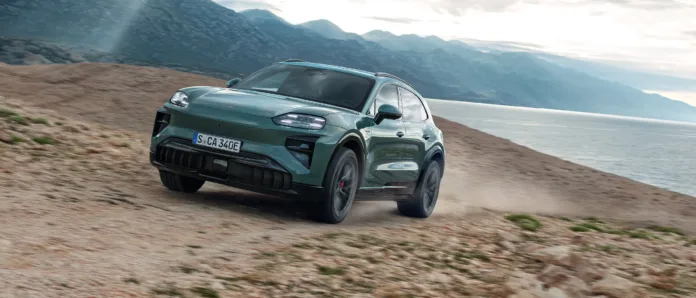
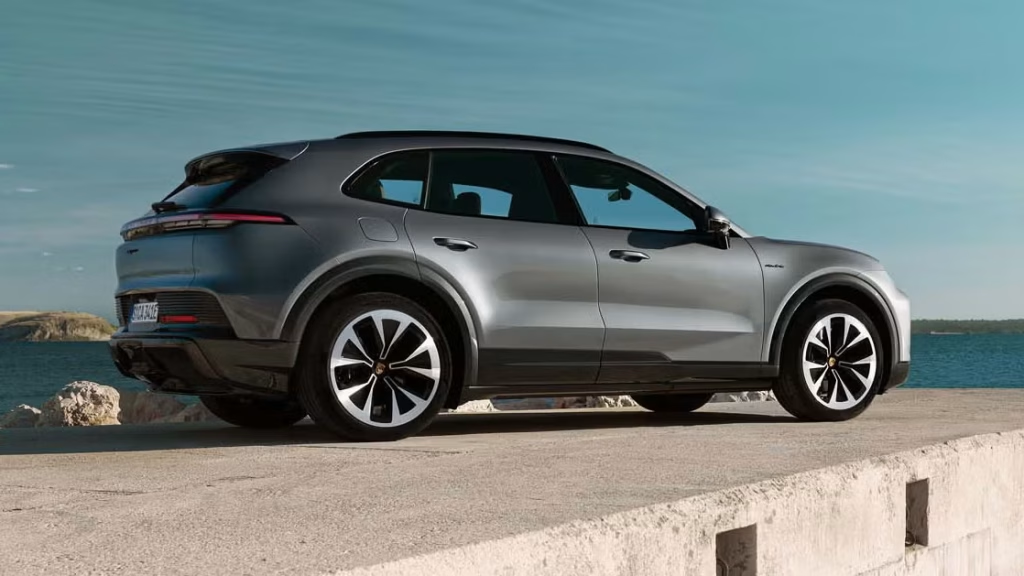
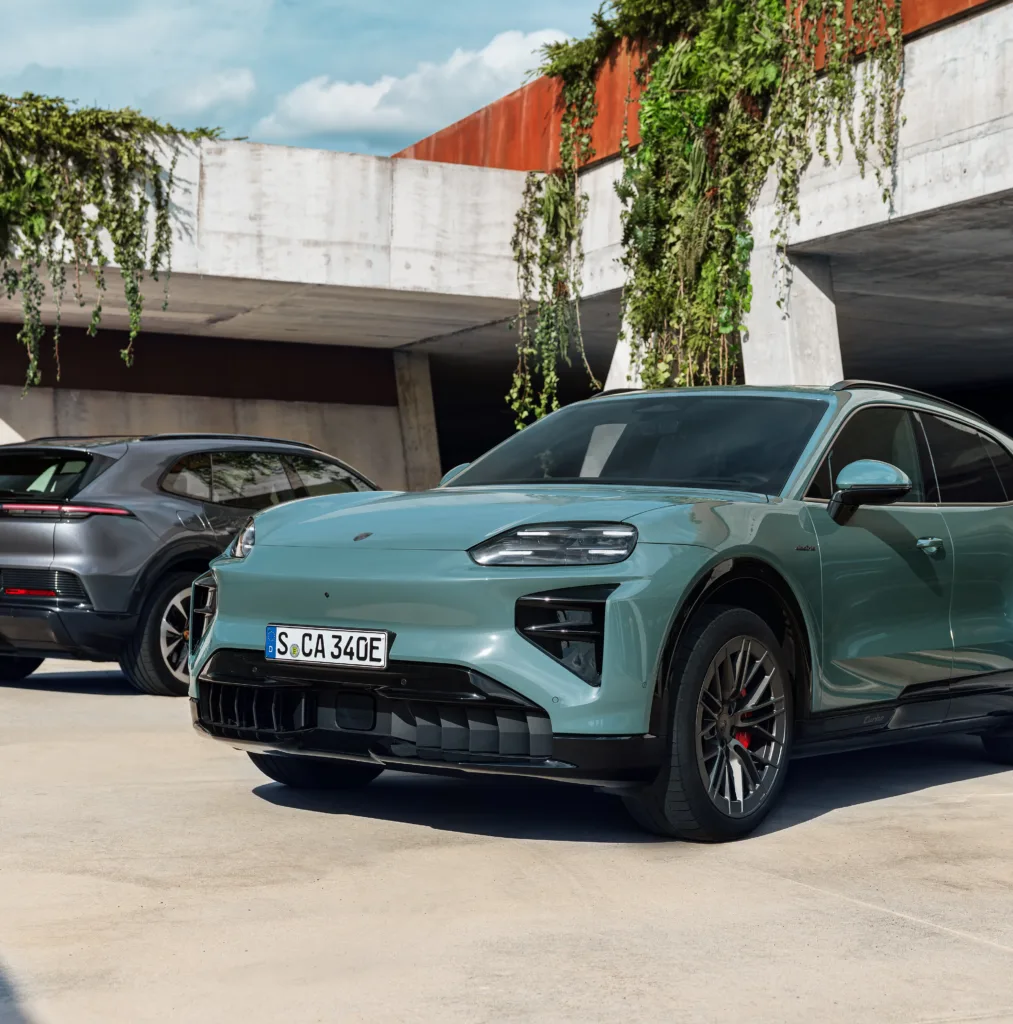
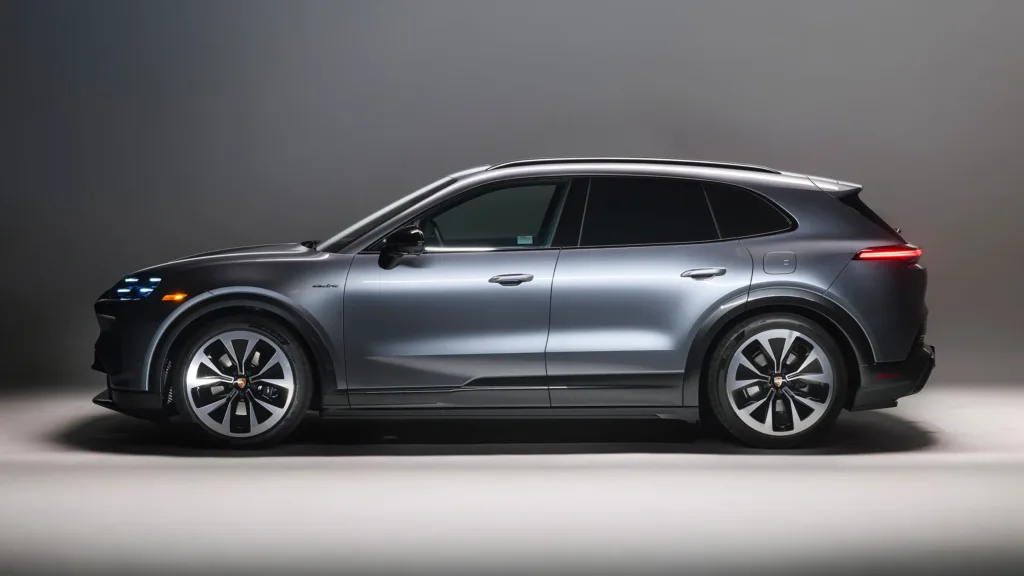
Porsche just electrified the Indian luxury SUV market. The legendary German automaker has unveiled the India-spec Cayenne Electric and Cayenne Turbo Electric, bringing jaw-dropping performance, futuristic technology, and wireless charging to discerning buyers. With order books already open, these electric powerhouses promise to redefine what a luxury electric SUV can deliver.

Two Flavors of Electric Excellence

Porsche isn’t playing it safe with a single variant. They’re offering Indian customers two distinct experiences, each engineered to dominate both city streets and mountain passes.

ModelCayenne ElectricCayenne Turbo Electric
Price₹1.76 crore₹2.25 crore
Power (Standard)300kW630kW
Power (Launch Control)325kW850kW
Torque835Nm1,500Nm
0-100 kmph4.8 seconds2.8 seconds
Top Speed260 kmph230 kmph
WLTP Range642km623km
 Porsche Cayenne Electric India: 850kW Beast at ₹1.76 Crore

Mind-Bending Performance Numbers

Let’s talk about the Cayenne Turbo Electric for a moment. With up to 850kW of power and a staggering 1,500Nm of torque, this luxury SUV demolishes the 0-100 kmph sprint in just 2.8 seconds. That’s supercar territory from a vehicle that can comfortably seat five and haul luggage for a weekend getaway.

The standard Cayenne Electric is no slouch either. At 4.8 seconds to 100 kmph, it’s quicker than most sports sedans on the road today. Both models feature electronic Porsche Traction Management with all-wheel drive, ensuring that all this power translates into confident, composed driving dynamics.

Here’s something remarkable: Porsche claims their recuperative braking system can handle 97% of braking duties using just the electric motors. That means 600kW of regenerative power flowing back into the battery with every deceleration—efficiency meets performance.

Charging That Actually Makes Sense

Range anxiety? Porsche has that covered with a massive 113kWh battery pack. But here’s where things get really interesting.

Lightning-Fast DC Charging

Built on an 800V architecture, the Cayenne Electric supports DC fast charging up to 400kW. The results are stunning:

  • 10-80% charge: Just 16 minutes
  • 10-minute charge: Adds 315-325km of range

That’s barely enough time to grab a coffee before you’re back on the road with hundreds of kilometers added.

Wireless Charging Innovation

Yes, you read that right. The Cayenne Electric supports wireless induction charging up to 11kW. Simply park over a dedicated floor plate, and your Porsche charges itself—no cables, no plugging in. It’s the kind of convenience that makes you wonder how you ever lived without it.

Porsche Cayenne Electric India: 850kW Beast at ₹1.76 Crore

Design That Commands Attention

The Cayenne Electric stretches 4,985mm in length—55mm longer than its combustion sibling. The 3,023mm wheelbase is a massive 130mm longer, translating to more interior space and a smoother ride.

Exterior Highlights:

  • Matrix LED headlights with animated graphics
  • Aero-optimized wheels
  • Illuminated Porsche logo
  • 3D-designed side skirts in Volcanic Grey Metallic (standard) or high-gloss black (Turbo)
  • Active air flaps and air curtains for enhanced aerodynamics
  • Turbonite-colored contrasting elements on the Turbo

Storage won’t be an issue with 781 liters of boot space plus a practical 90-liter frunk—perfect for charging cables or weekend bags.

Technology That Feels Like Tomorrow

Step inside, and you’re greeted by a cockpit that rivals the bridge of a starship.

Digital Intelligence

  • 14-inch touchscreen: Your command center
  • 14.9-inch passenger display (optional): Entertainment for your co-pilot
  • AR Head-Up Display: Critical info projected where you need it
  • AI-enabled Voice Pilot: Natural conversation with your car
  • Digital Key: Share access with up to seven users via smartphone or smartwatch

Mood Modes

Porsche’s Mood Modes are preset environments that adjust seat position, ambient lighting, climate control, instrument cluster themes, and audio settings. One touch transforms your cabin from energizing morning commute mode to relaxing evening cruise.

Porsche Cayenne Electric India: 850kW Beast at ₹1.76 Crore

The Porsche EV Strategy in India

With 36% of Porsche’s global portfolio now electric, the brand is serious about electrification. The Cayenne Electric models will be sold alongside their combustion counterparts, giving customers genuine choice without compromise.

The optional Off-road Package even allows buyers to customize the approach angle—proof that Porsche engineered the Cayenne Electric to be as capable off-pavement as it is on the highway.

Should You Order One?

Who It’s ForWhy It Works
Performance EnthusiastsSupercar acceleration in SUV practicality
Tech-Forward BuyersWireless charging, AI voice control, digital keys
Long-Distance Travelers642km range + 16-minute rapid charging
Luxury SeekersPorsche pedigree meets cutting-edge electric innovation

The Bottom Line

The Porsche Cayenne Electric isn’t just another electric SUV—it’s a statement that luxury and sustainability can coexist without compromise. With blistering performance, innovative wireless charging, and over 640km of real-world range, Porsche has created an electric SUV that doesn’t ask you to sacrifice anything.

Order books are open. For ₹1.76 crore (standard) or ₹2.25 crore (Turbo), you’re not just buying an electric vehicle—you’re investing in the future of automotive excellence, wrapped in legendary Porsche engineering.

The electric revolution just got a whole lot more exciting.

Royal Enfield Flying Flea S6: Electric Scrambler at ₹2.3L

0
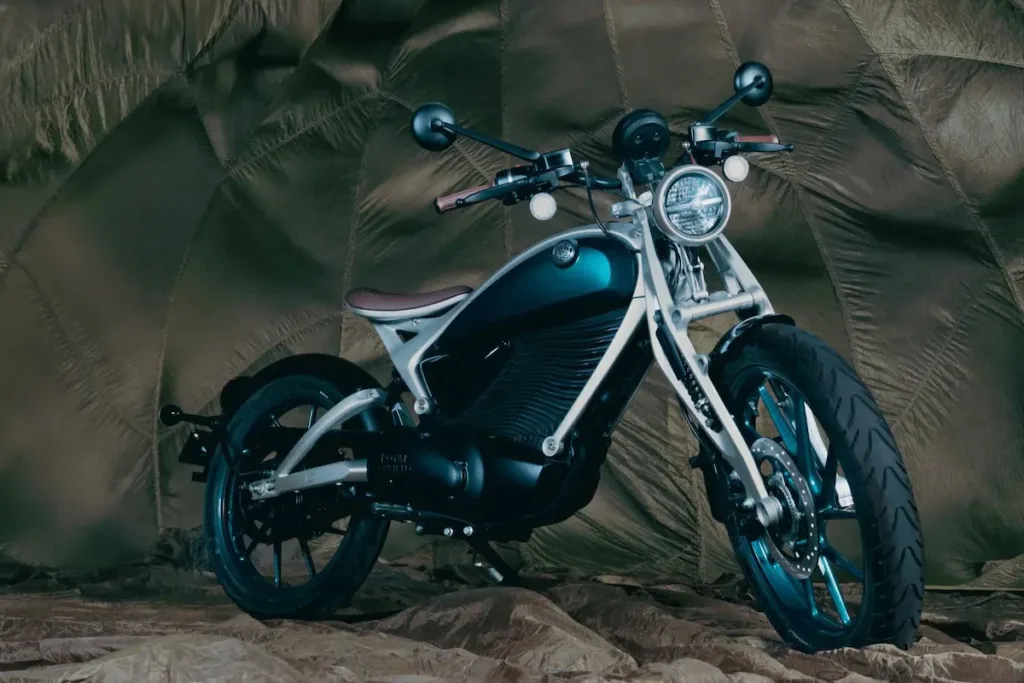
Flying Flea S6 Scrambler

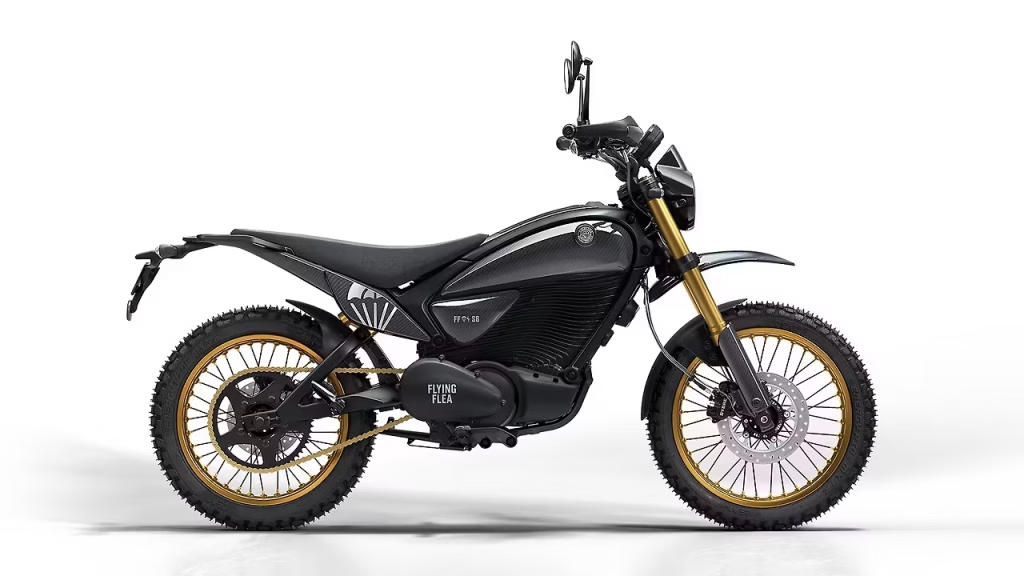
Royal Enfield just dropped a bombshell at Motoverse 2025 in Goa that has the motorcycle world buzzing. The Flying Flea S6—a retro-futuristic electric scrambler that blends World War II heritage with cutting-edge technology—made its India debut, and it’s unlike anything the Chennai-based manufacturer has ever built.

Expected to launch by late 2026 at approximately ₹2.30 lakh, this isn’t just another electric bike. It’s Royal Enfield’s bold statement that heritage and electricity can coexist beautifully.

What Makes the Flying Flea S6 Special?

This is Royal Enfield’s second electric offering under the Flying Flea sub-brand, following the urban-focused C6. But while the C6 was designed for city commutes, the S6 has scrambler DNA running through its magnesium veins.

SpecificationFlying Flea S6
TypeElectric Scrambler
Expected LaunchLate 2026 / Early 2027
Expected Price₹2.30 lakh (ex-showroom)
Expected Range~150-170 km per charge
Front Wheel19-inch aluminum spoke
Rear Wheel18-inch aluminum spoke
SuspensionUSD forks (front), Monoshock (rear)
Display3.5-inch round touchscreen TFT
ProcessorQualcomm Snapdragon QWM2290
Flying Flea S6

Design: Where Heritage Meets Future

The Flying Flea name traces back to Royal Enfield’s iconic World War II motorcycle that was literally dropped from aircraft via parachute. The S6 pays homage to this legend while looking firmly toward the future.

Visual Standouts:

  • Round LED headlight with classic proportions
  • Teardrop-shaped tank housing the battery pack
  • Gold-finished USD front forks screaming premium quality
  • Finned magnesium battery casing for passive air cooling and weight reduction
  • Forward-facing sharp fins suggesting speed and modern tech
  • Smoother rear lines echoing Royal Enfield’s heritage

The battery casing deserves special mention. Instead of hiding the electric components, Royal Enfield made them the star of the design. The prominent cooling fins aren’t just functional—they’re a visual signature that announces “this is an EV, and we’re proud of it.”

Performance Built for Adventure

The S6 uses a frame-mounted motor with chain drive (unlike the C6’s belt drive) and a massive rear sprocket engineered for high initial torque—essential for off-road adventures and trail riding.

Six Riding Modes for Every Terrain

Riding ModePurpose
Off-Road ModeSwitchable dual-channel ABS for loose surfaces
Custom ModePersonalized settings tailored to your style
Forward CrawlUltra-slow speed control for technical sections
Reverse CrawlNavigate tight spots with ease
Standard ModesMultiple presets for road riding
Traction ControlAdjustable for various grip conditions

The off-road mode is particularly clever—it allows riders to disable the dual-channel ABS completely when tackling loose gravel, sand, or trails where locked wheels can actually help with control.

Technology That Actually Makes Sense

Royal Enfield didn’t just slap a motor on a classic frame and call it electric. The Flying Flea S6 is a properly smart motorcycle.

The Brain of the Beast

Powered by a Qualcomm Snapdragon QWM2290 processor, the S6 handles:

  • 4G connectivity for real-time updates
  • Wi-Fi and Bluetooth for seamless pairing
  • Smartphone and smartwatch connectivity for vehicle statistics
  • Voice assist for hands-free operation
  • Over-the-air (OTA) updates to improve the bike continuously

The Circular Touchscreen Revolution

Instead of copying everyone else with rectangular tablet-style displays, Royal Enfield stuck with a 3.5-inch round touchscreen. It’s a brilliant move—paying tribute to the original Flying Flea’s analog gauges while delivering modern functionality like navigation, ride stats, diagnostics, and system alerts.

The interface runs on Royal Enfield’s in-house developed operating system, ensuring the experience feels authentically Royal Enfield rather than generic tech bolted on.

Flying Flea S6

Safety and Control Features

FeatureBenefit
Lean-Angle Sensing ABSAdjusts braking based on bike’s lean angle
Switchable Dual-Channel ABSTurn off for off-road freedom
Traction ControlPrevents wheel spin on slippery surfaces
Keyless EntryWalk up and ride—no fumbling for keys
Voice AssistControl functions without taking hands off bars

Suspension and Wheels Built to Explore

The S6 features long-travel suspension with USD (upside-down) forks up front and a monoshock at the rear. This setup provides generous ground clearance for tackling broken roads, potholes, and mild trails.

The staggered wheel setup—19-inch front and 18-inch rear—wrapped in dual-sport block-pattern tires is perfect for handling everything from city streets to weekend trail adventures. These are proper aluminum spoke wheels, not cheap alloys, emphasizing the bike’s capability credentials.

The Flying Flea Tech Centre Experience

Buyers get access to the Flying Flea Tech Centre—a dedicated button on the right switchgear that likely opens a menu of advanced settings and diagnostics. It’s Royal Enfield’s way of saying this isn’t just a motorcycle; it’s a connected experience.

The tech development is split between India and the UK, combining Royal Enfield’s deep engineering knowledge with global electric expertise.

The Long, Enduro-Style Seat

Comfort matters, especially on a scrambler that invites weekend adventures. The enduro-style seat stretches along the top tube, making it easier for riders of different heights to find their sweet spot—whether sitting for highway cruising or standing for trail riding.

What About Charging and Range?

Royal Enfield hasn’t revealed battery capacity or official range figures yet. Based on the S6’s urban-plus positioning and lightweight design, experts estimate:

  • Range: 150-170 km per charge (sufficient for city use plus weekend excursions)
  • Battery: Likely 4-5 kWh capacity
  • Charging: Standard home charging expected; fast charging details pending

Who Is This Bike For?

The Flying Flea S6 targets a specific breed of rider:

✓ Urban professionals who want weekend adventure capability
✓ Tech enthusiasts who appreciate smart connectivity
✓ Heritage lovers who respect Royal Enfield’s legacy
✓ Early EV adopters seeking premium electric options
✓ Riders wanting something unique in India’s electric two-wheeler space

At the expected ₹2.30 lakh price point, the S6 will be positioned as a premium niche product—not competing with budget electric scooters but offering a genuine motorcycle experience that happens to be electric.

The Bottom Line

The Royal Enfield Flying Flea S6 isn’t trying to be the cheapest electric two-wheeler or the longest-range commuter. It’s carving out a completely new category: the retro electric scrambler that can handle both your daily commute and your weekend escape into the hills.

With its magnesium-cased battery, gold USD forks, round touchscreen, and genuine scrambler capabilities, the S6 proves that Royal Enfield understands how to electrify their legacy without losing their soul.

Order books aren’t open yet, but when the S6 launches in late 2026, expect serious interest from riders who’ve been waiting for an electric motorcycle that doesn’t compromise on character, capability, or cool factor.

This isn’t just Royal Enfield going electric. It’s Royal Enfield showing everyone else how it’s done.

BMW India Eyes 30% EV Share Before 2030: A Green Revolution

0
BMW EV sales are accelerating, defying the broader auto slowdown. Discover what’s driving demand and how BMW is shaping India’s premium EV market.

The luxury automobile landscape in India is witnessing an electric transformation, and BMW India is leading the charge with unwavering confidence. While competitors stumble, BMW’s President and CEO Hardeep Singh Brar remains steadfast on an ambitious goal: achieving 30% electric vehicle sales share before 2030—potentially even by 2027.

The Electric Momentum Is Real

Picture this: a 246% year-on-year growth in just nine months. That’s not a typo. Between January and September 2025, BMW Group India delivered 2,509 electric vehicles, catapulting their EV portfolio to 21% of total sales. The iX1 compact SUV has become their electric poster child, followed closely by the luxurious i7 sedan.

“We have done well in the electric segment, and we would like to build on that further,” Brar confidently stated. “At this rate, we may do 30 per cent even before 2030.”

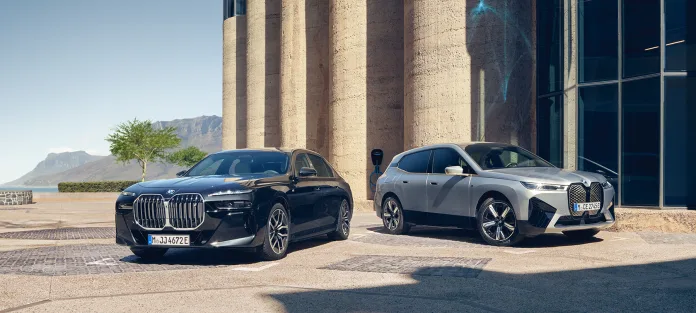
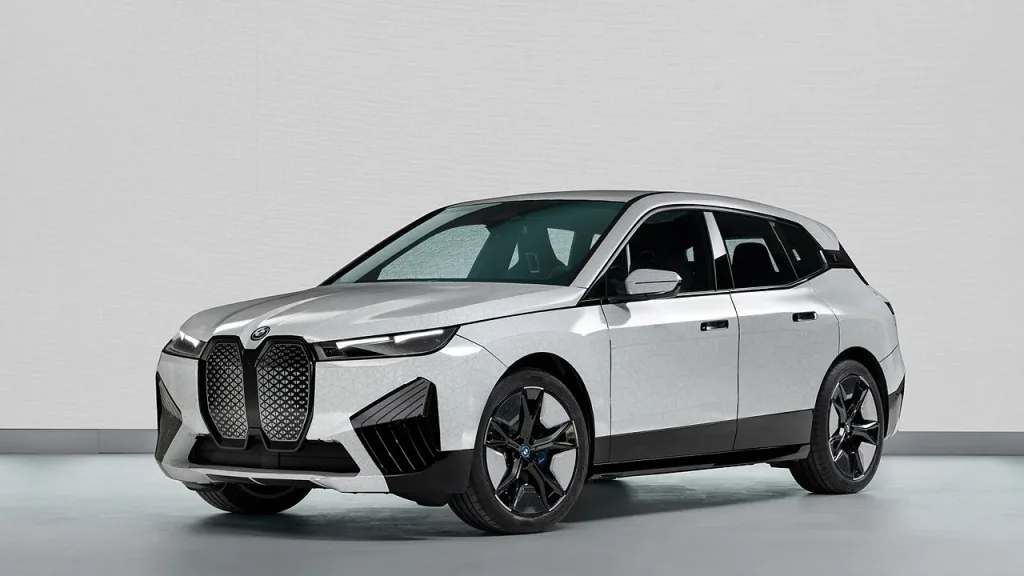
BMW EV lineup 2025: From the sleek BMW i4 to the commanding BMW iX, BMW's electric revolution is redefining luxury and performance.

Why BMW Is Winning the Luxury EV Race

Record-Breaking Performance

BMW Group India isn’t just talking the talk—they’re driving the results:

Performance MetricAchievementGrowth
Q3 2025 Sales4,204 units21% YoY
Jan-Sep 2025 Total11,978 units13% YoY
EV Deliveries (9 months)2,509 units246% YoY
Current EV Share21%Target: 30%

Breaking the Luxury Barrier

What makes BMW’s strategy fascinating is their customer insight. Brar identifies a cultural shift happening in India: the guilt around luxury purchases is fading. “There are customers who feel guilty about indulging themselves, but that mindset is slowly changing,” he explained. “People feel that if I am working hard and earning well, why should I not indulge?”

This demographic—aged 25 to 45 with a propensity to spend—is BMW’s sweet spot. They’re not just buying cars; they’re investing in sustainable luxury.

BMW India Eyes 30% EV Share: The Strategy Behind the Success

Expanding Beyond Metro Cities

BMW isn’t content with just dominating Delhi and Mumbai. “We have to grow the network, because Tier 2, 3 is growing well, we need to get into those towns,” Brar revealed. This expansion strategy targets India’s emerging affluent class in smaller cities.

Making Luxury Affordable

Here’s where BMW gets clever: they’re working on finance initiatives to bridge the affordability gap. The message? “Owning a luxury car is not expensive. It is as affordable as mass premium.”

Local Manufacturing Edge

BMW has begun assembling the iX1 Long Wheelbase at its Chennai plant, making India the first right-hand-drive market globally to receive a locally assembled iX1. This localization strategy reduces costs and demonstrates long-term commitment to the Indian market.

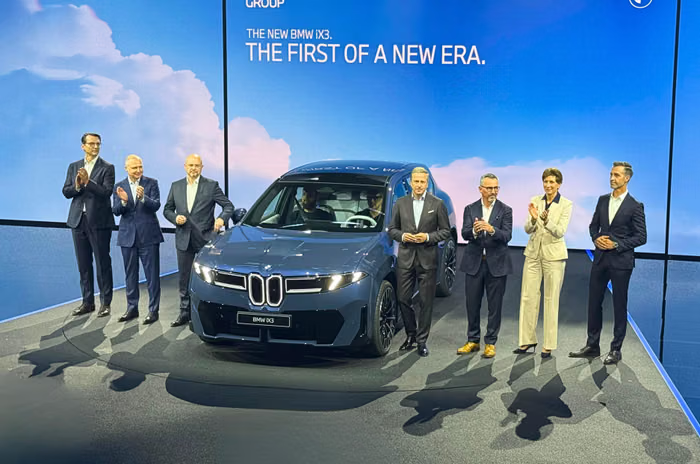
20250905033217 bmw ix3 stage

The Complete Electric Portfolio

BMW’s EV lineup in India reads like a luxury wish list:

  • i7 – The flagship luxury sedan
  • iX – The premium electric SUV
  • i5 – The executive electric sedan
  • i4 – The sports sedan goes electric
  • iX1 LWB – The compact SUV bestseller
  • MINI Countryman E – Electric meets quirky British charm

Plus two electric scooters: the BMW CE 04 and CE 02.

What This Means for India’s EV Future

BMW’s confidence signals a broader transformation. They’ve surpassed 5,000 cumulative EV deliveries since entering the electric market in 2022. Their charging infrastructure now includes 51 DC fast chargers across dealerships, with plans for 250 destination chargers.

The data is telling: BMW’s 2,000+ EVs have collectively traveled over 6.4 million kilometers and been charged 68,000 times. Range anxiety? Largely unfounded, says BMW, with users averaging just four to five charges monthly.

BMW India

The Bottom Line

BMW India’s electric ambition isn’t just about hitting targets—it’s about reshaping perceptions. In a country where luxury car sales remain minuscule compared to overall passenger vehicle sales, BMW is betting that electric vehicles will be the catalyst for explosive growth.

With the Indian luxury car market needing 13-14% annual growth to reach 100,000 units, BMW’s electric strategy might just be the accelerator this segment needs. As infrastructure improves and consumer preferences shift toward sustainable mobility, BMW’s 30% target isn’t just achievable—it might be conservative.

The future of luxury in India is electric, and BMW is firmly in the driver’s seat.

Mercedes EV Chief Joins Uber: Why Andrew Cornelia Made the Move

0
Mercedes EV Chief Joins Uber: Why Andrew Cornelia Made the Move

When a high-powered executive leaves luxury automaker Mercedes-Benz to join a ride-sharing company, the automotive world pays attention. Andrew Cornelia’s decision to become Uber’s Global Head of Electrification & Sustainability isn’t just a career move—it’s a signal that the future of transportation is being written in real-time, on city streets, not just showrooms.

From Charging Stations to City Streets

Andrew Cornelia, CEO of Mercedes-Benz High-Power Charging North America since 2023, will join Uber in December 2025 as the company’s Global Head of Electrification & Sustainability. He’s leaving behind an impressive legacy: nearly 500 ultrafast chargers deployed across North America in just two years.

But why trade the prestige of Mercedes for the gig economy giant?

The Numbers That Changed Everything

The answer lies in a striking statistic. Rideshare drivers on Uber are going electric five times faster than the general population across the US, Canada, and Europe. That’s not gradual adoption—that’s a revolution happening in plain sight.

For Cornelia, the math is simple and compelling. High-mileage driving makes EVs not only cleaner, but fundamentally more cost-effective. When you’re putting 200+ miles on your car daily, fuel savings become game-changing income.

Andrew Cornelia’s Career Journey

RoleCompanyDurationAchievement
Strategic Finance LeadTesla~5 yearsShaped global Supercharger network
VP Corporate StrategyVolta Charging2+ yearsGrew business 5x, raised $700M
CEOMercedes-Benz HPC NA2023-2025Deployed 500 chargers across NA
Global HeadUber (Starting Dec 2025)UpcomingLeading zero-emissions by 2040

Why Uber Needs Him Now

Uber isn’t dabbling in electrification—it’s betting the company on it. Uber aims to have all its rides be zero-emissions by 2040. That’s an audacious goal requiring someone who understands both the technology and the economics at scale.

Cornelia brings battle-tested credentials. Before Mercedes, he spent nearly five years at Tesla helping build the Supercharger network—arguably the gold standard in EV charging. At Volta Charging, he pioneered innovative business models that redefined how charging stations operate.

The Real Challenge: Making EVs Work for Gig Workers

Here’s where it gets interesting. Uber operates with millions of independent contractor drivers worldwide. Unlike fleet operators who can mandate vehicle choices, Uber must make EVs the obvious economic choice.

In October, Uber announced it would give drivers $4,000 to switch to EVs—new or used—in New York City, California, Colorado and Massachusetts. They’ve also partnered with charging networks to secure better access and rates for drivers.

Cornelia’s mission? Remove every remaining barrier. As he explains it, “Two of the most important forces reshaping how people and goods move are electrification and autonomy—not just as technologies, but as core drivers of growth, scale and stronger economics”.

Uber’s Electrification Strategy at a Glance

InitiativeDetails
Driver Incentives$4,000 bonuses for EV adoption in select markets
Charging PartnershipsNetwork access with preferential rates
Battery MatchingTrip assignments based on current range
Autonomous VehiclesPartnerships with Waymo, Nuro, NVIDIA
2040 Goal100% zero-emission rides globally

Beyond Just Cars

Cornelia’s role extends beyond ride-sharing. Uber’s global operations span rides, delivery and freight services, with millions of drivers and couriers worldwide. That includes everything from meal deliveries to autonomous robotaxis.

The company recently unveiled partnerships with NVIDIA and Stellantis to deploy 5,000 autonomous vehicles. They’re also expanding “battery matching” technology that ensures drivers only receive trip requests their current charge can complete—eliminating range anxiety one ride at a time.

What This Means for the Industry

Cornelia’s move signals a fundamental shift. The future of EVs won’t be won in dealerships with $100,000 luxury sedans. It’ll be won in the daily grind of professional drivers calculating cost-per-mile and waiting times at chargers.

His experience building Mercedes’ premium charging network—complete with covered stalls, 400-kilowatt chargers, restrooms, and snacks—taught him what quality looks like. Now he’ll apply those lessons at a company moving millions of people daily.

The Bottom Line

“I’m grateful to join such an exceptional team and help build the next era of mobility,” Cornelia shared when announcing his move. It’s not just corporate-speak. For an executive who’s spent over a decade in electric mobility, Uber represents the ultimate testing ground.

The platform’s scale presents both an opportunity for rapid EV deployment and significant infrastructure challenges around charging access and vehicle costs. Success requires partnerships with charging networks, vehicle manufacturers, and municipal governments.

If anyone can navigate these challenges, it’s someone who’s already built charging empires at Tesla and Mercedes. The question isn’t whether Cornelia is the right person for the job—it’s whether the industry can keep pace with his vision.

As millions of Uber drivers consider their next vehicle purchase, one thing is clear: the road to an electric future just got a proven navigator.

India’s EV Sales Surge 68%: Tata Motors Leads the Race

0
Tata Motors EV Plans 2025: New Launches, Cost Cuts & Market Growth

India’s EV revolution is accelerating faster than anyone predicted. As we watched the October sales numbers roll in, one thing became crystal clear: we’re witnessing a transformation that will redefine how Indians drive.

The Numbers Tell an Electric Story

Remember when electric cars felt like a distant dream? Not anymore. Between April and October 2025, India registered 119,332 electric cars—already surpassing last year’s entire annual sales of 117,072 units. That’s not just growth; it’s an automotive awakening.

The market share jumped from 2.1% to 4.6% in just one year. Every 20th car sold in India today runs on electricity. Your neighbor’s new car? There’s a good chance it’s an EV.

Tata Motors will increase EV prices starting April 2025. Learn why costs are rising, what models are affected, and how it impacts potential buyers.

Tata Motors: The Undisputed Champion

Tata Motors commands 38.56% of India’s EV market from April to October 2025, selling 7,118 units in October alone. Their secret? A car for every pocket.

From the affordable Tiago EV to the premium Harrier EV, Tata’s portfolio speaks to India’s diversity. Their sales climbed steadily—4,436 units in April to 7,239 in October—proving consistency wins races.

Top 3 EV Manufacturers in India (October 2025)

ManufacturerUnits SoldMarket ShareYear-on-Year Growth
Tata Motors7,11840%Consistent leader
MG Motor India4,49725%+61%
Mahindra & Mahindra3,86722%+303%

The Competition Heats Up

JSW MG Motor India grabbed second place with 4,497 units in October, growing 61% year-on-year. Their Windsor EV and innovative Battery-as-a-Service model are turning heads and opening wallets.

But the real surprise? Mahindra skyrocketed 303% from last October, delivering 3,867 units. Their BE 6 and XEV 9e aren’t just cars—they’re statements on wheels.

Mahindra BE 6 Batman Edition Makes History: 999 Units Sold Out in Record 135 Seconds

Why October Was Electric

October 2025 shattered records with 17,874 EVs delivered nationwide—a 56% jump from last year. What sparked this surge?

Festive fever met affordability. Recent GST changes narrowed the price gap between electric and petrol vehicles. Suddenly, going electric wasn’t just eco-friendly; it was economically smart. Diwali gifts came with battery packs this year.

The Dark Horses Rising

Keep your eyes on these players:

  • Kia: 655 units (up 1,293% from 47 units last year)
  • BYD India: 560 units
  • Hyundai: 437 units

Small numbers today, but explosive growth rates tomorrow.

What 2025 Holds

Industry experts predict India will sell 170,000 to 180,000 electric vehicles by year-end. That’s another record in the making.

As someone who’s watched India’s automotive journey for years, this feels different. We’re not just buying cars; we’re buying into a cleaner, quieter future. The charging infrastructure is expanding, prices are dropping, and range anxiety is becoming yesterday’s worry.

The Road Ahead

India’s EV story is still being written, and Tata Motors holds the pen—for now. But with challengers like MG and Mahindra gaining momentum, the next chapter promises fierce competition and better choices for consumers.

The question isn’t whether India will go electric anymore. It’s how fast we’ll get there. And if these numbers are any indication, buckle up—it’s going to be a thrilling ride.

Are you ready to make the switch to electric? The roads of India certainly are.

Ultraviolette FY25: ₹32 Cr Revenue, ₹116 Cr Loss Reality

0
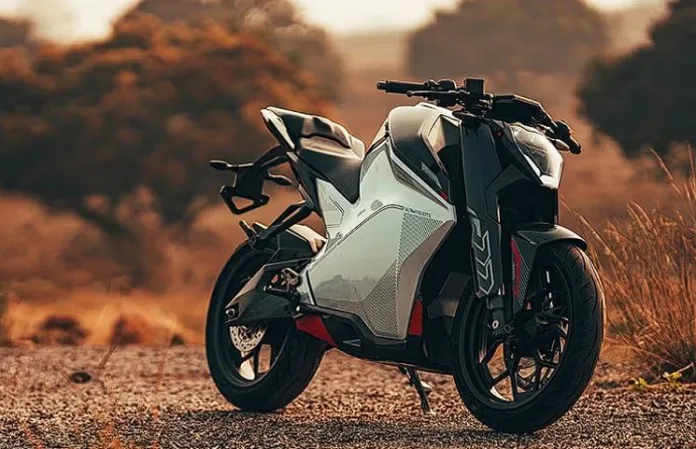
Ultraviolette's Electric Dream

The numbers are in, and they tell a sobering story about India’s electric two-wheeler dream. Ultraviolette Automotive, the Zoho-backed EV startup building premium electric motorcycles, doubled its revenue to ₹32.3 crore in FY25—but burned through ₹116 crore in losses.

With only 547 bikes sold across the entire fiscal year, the question isn’t whether Ultraviolette makes great products. It’s whether they can survive long enough to matter.

Ultraviolette FY25: The Numbers That Tell the Real Story

Ultraviolette’s FY25 financial statements reveal a company caught in the classic startup paradox: growing fast while bleeding faster.

Financial MetricFY25FY24Change
Revenue from Operations₹32.3 Cr₹15 Cr+115%
Total Expenses₹189 Cr₹107 Cr+77%
Net Loss₹116 Cr₹61.6 Cr+88%
Units Sold547 bikes
Cost per ₹1 Revenue₹5.85₹7.13Improved
Cash & Bank Balance₹46 Cr

Revenue grew 115%, which sounds impressive until you realize expenses grew 77% and losses surged 88%. The math is brutal: for every rupee Ultraviolette earned in FY25, they spent ₹5.85—an improvement from ₹7.13 the previous year, but still unsustainable.

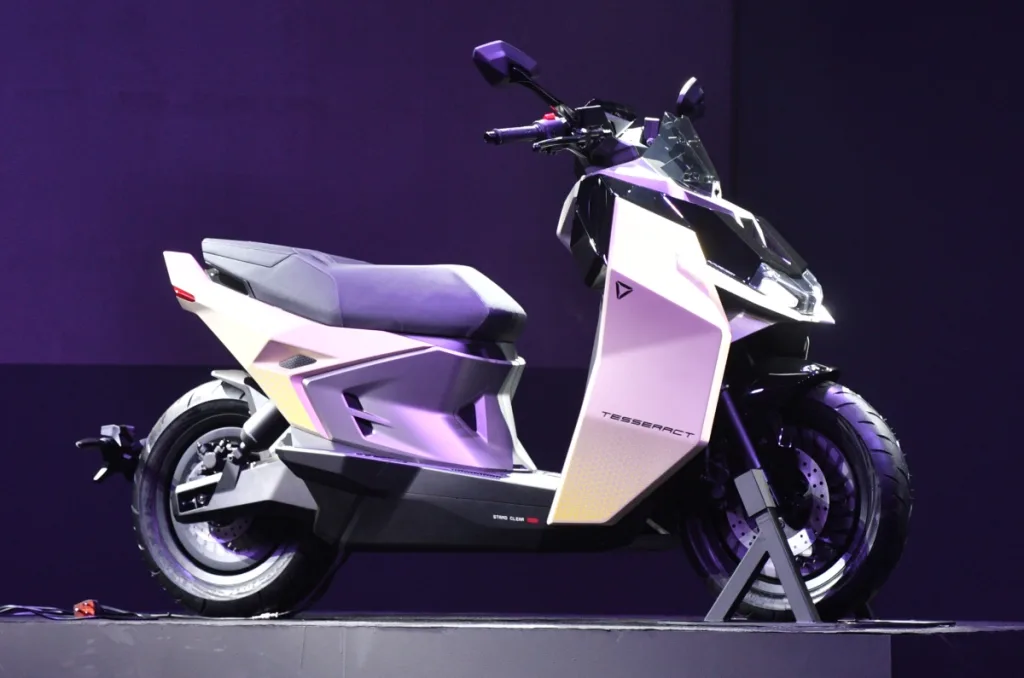
Why Pre-Book the Ultraviolette Tesseract? 5 Compelling Reasons

Where the Money Goes

Here’s the fascinating—and concerning—breakdown of Ultraviolette’s cost structure:

The Expense Pyramid

Expense CategoryFY25 Amount% of TotalKey Insight
Employee Benefits₹59 Cr31%Largest expense (+28% YoY)
Material Costs₹33 Cr17%2.2X jump from FY24
Advertising₹29 Cr15%4.8X surge—brand building push
Depreciation₹27.5 Cr15%Manufacturing infrastructure
R&D Expenses₹7.6 Cr4%Innovation investment
IT Expenses₹7 Cr4%Tech infrastructure

The takeaway? Ultraviolette is spending big on talent (₹59 crore on employees) and marketing (₹29 crore on advertising—nearly 5X the previous year). They’re betting that premium branding and engineering excellence will eventually crack the Indian market.

But here’s the problem: material costs more than doubled to ₹33 crore, eating up any economies of scale from increased production.

The Premium Two-Wheeler Paradox

Founded in 2015 by Narayan Subramaniam and Niraj Rajmohan, Ultraviolette builds performance-oriented electric motorcycles that look stunning and promise thrilling rides. With $100 million raised from investors including TVS Motor Company and Mudhal Partners, they have the financial backing to pursue their vision.

Yet they’ve sold just 547 vehicles across an entire fiscal year.

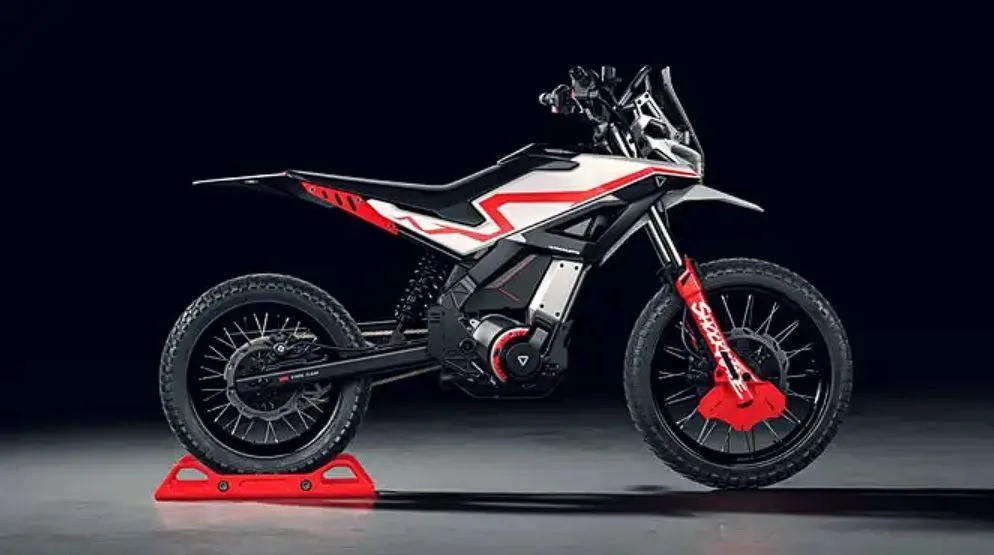
Ultraviolette Shockwave

Why Premium EVs Struggle in India

The Indian buyer—at every price point—remains fiercely practical. Aspirational products need more than sleek designs and impressive specs. They need:

✓ Viral brand moments – Think Royal Enfield’s heritage campaigns or Ather’s tech-savvy positioning
✓ Celebrity endorsements – Strong personalities that embody the brand
✓ After-sales confidence – Service networks Indians can trust
✓ Resale value assurance – The ability to recover investment

Ultraviolette hasn’t cracked this code yet. Their 4.8X surge in advertising spending shows they’re trying, but in India’s cutthroat EV market, trying isn’t enough.

The Cash Runway Question

With ₹46 crore in cash and ₹170 crore in current assets, Ultraviolette has runway—but it’s shrinking fast. At a ₹116 crore annual burn rate, they have roughly 4-5 months of cash before needing another funding round.

The Profitability Math

Let’s do some sobering arithmetic:

  • Current revenue per unit: Approximately ₹59 lakh (₹32.3 crore ÷ 547 bikes)
  • Current loss per unit: Approximately ₹21 lakh per bike sold
  • Break-even requirement: Reduce costs by 78% OR increase volumes 5X while holding costs flat

Neither scenario seems realistic in the near term.

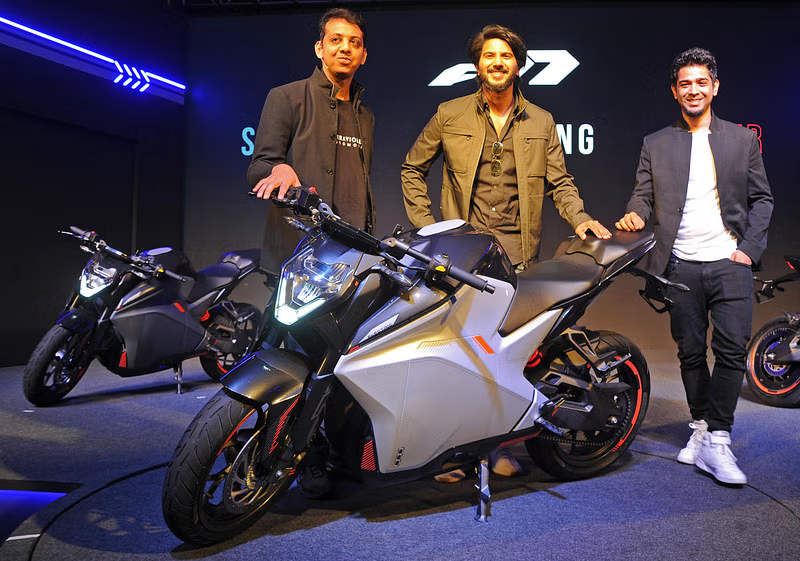
Ultraviolette Aims for 1,000 Electric Bike Sales

The Investor Dilemma

The co-founders own just 29% of the company—meaning investors control the majority. TVS Motor Company and other backers clearly see something worth pursuing, but they face a critical decision:

Option A: Double Down
Invest another ₹200-300 crore to fund aggressive marketing, expand service networks, and achieve the scale needed for unit economics to improve.

Option B: Strategic Pivot
Shift to a B2B model, licensing technology to larger manufacturers rather than competing in the brutal retail market.

Option C: Managed Exit
Find an acquisition partner who can leverage Ultraviolette’s technology within an existing distribution network.

What Success Would Look Like

For Ultraviolette to survive, they need to:

  1. 10X unit sales to 5,000+ bikes annually within 18 months
  2. Cut cost per bike by 40% through manufacturing efficiencies
  3. Create a viral brand moment that makes Ultraviolette synonymous with premium electric performance
  4. Build service confidence with 50+ service centers in Tier 1 and Tier 2 cities

The ROCE of -40.88% and EBITDA margin of -396.75% tell the real story: this is a company building for the future, not the present.

The Bottom Line

Ultraviolette Automotive isn’t failing—they’re attempting one of the hardest challenges in business: creating a premium aspirational brand in a price-sensitive market. Their bikes are engineering marvels. Their team is talented (hence the ₹59 crore employee bill). Their vision is clear.

But vision needs velocity. With only 547 bikes sold in FY25 and losses exceeding ₹116 crore, Ultraviolette is in a race against their own burn rate.

The next 12 months will determine whether India’s premium electric motorcycle dream becomes reality—or another cautionary tale about ambition meeting market reality. For investors who’ve poured $100 million into this vision, it’s time to go all-in or gracefully exit.

The middle ground? That’s where startups go to die.