

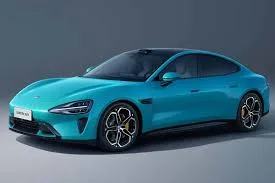

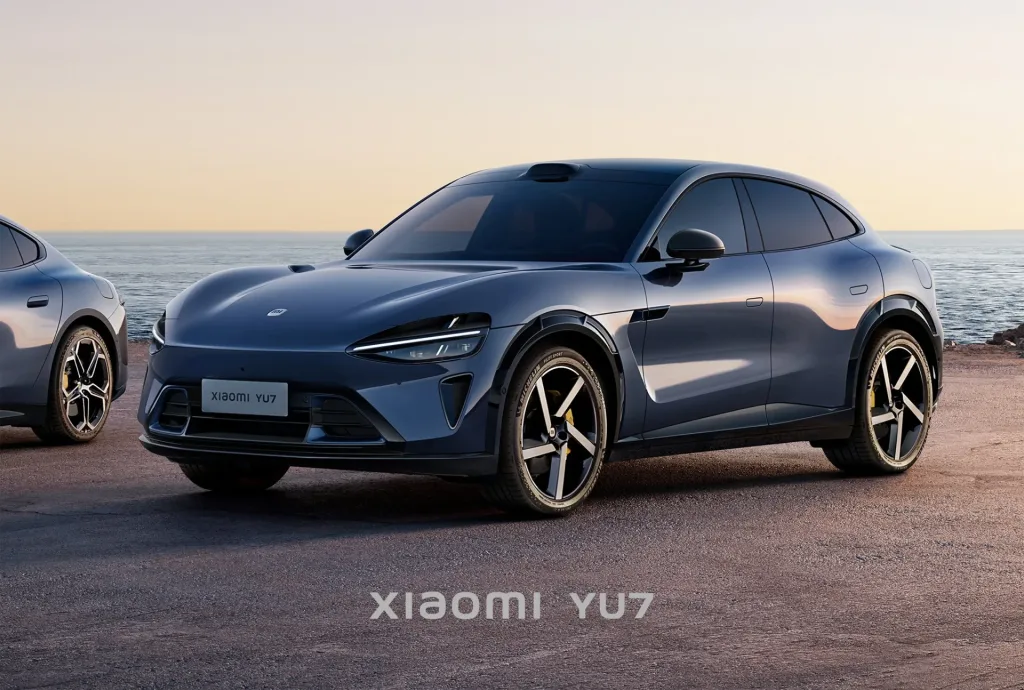
The electric vehicle landscape just witnessed a historic moment that perfectly encapsulates the tale of two tech giants’ automotive ambitions. While Apple abandoned its decade-long, $10 billion electric vehicle project in early 2024, Chinese smartphone manufacturer Xiaomi has emerged as the unlikely champion of the EV revolution, securing an astounding 289,000 orders for its YU7 SUV in just 60 minutes.
This remarkable achievement isn’t just a number—it’s a testament to how determination, strategic pricing, and understanding consumer needs can triumph over even the most well-funded corporate initiatives. Lei Jun, Xiaomi’s founder and chairman, couldn’t resist highlighting this stark contrast during the YU7’s launch event in Beijing, pointedly referencing Apple’s costly retreat from the automotive sector.
Table of Contents
The Numbers That Changed Everything
The scale of Xiaomi’s success is breathtaking. The consumer electronics giant broke records by securing more than 289,000 reservations with RMB 5,000 ($698) refundable deposits for its first sports utility vehicle in just one hour after its launch. To put this in perspective, Chinese smartphone giant Xiaomi has received more than 200,000 pre-orders for its new YU7 electric SUV in just three minutes of launch, with orders continuing to flood in throughout the first hour.
This wasn’t a case of inflated reservations or marketing gimmicks. It’s also important to note that these orders represent a genuine show of interest. This is not a Cybertruck situation where Tesla claimed to have massive pre-orders without substantial deposits. Xiaomi’s customers put down real money, demonstrating genuine commitment to purchase.
Why Xiaomi Succeeded Where Apple Failed
The contrast between Xiaomi’s triumph and Apple’s retreat reveals fundamental differences in approach and execution:
Strategic Pricing Strategy The starting price for the Xiaomi YU7 is RMB 253,500 ($35,360), lower than the Tesla Model Y’s RMB 263,500. This competitive pricing strategy, combined with premium features, positions Xiaomi as a value-driven alternative to established players like Tesla.
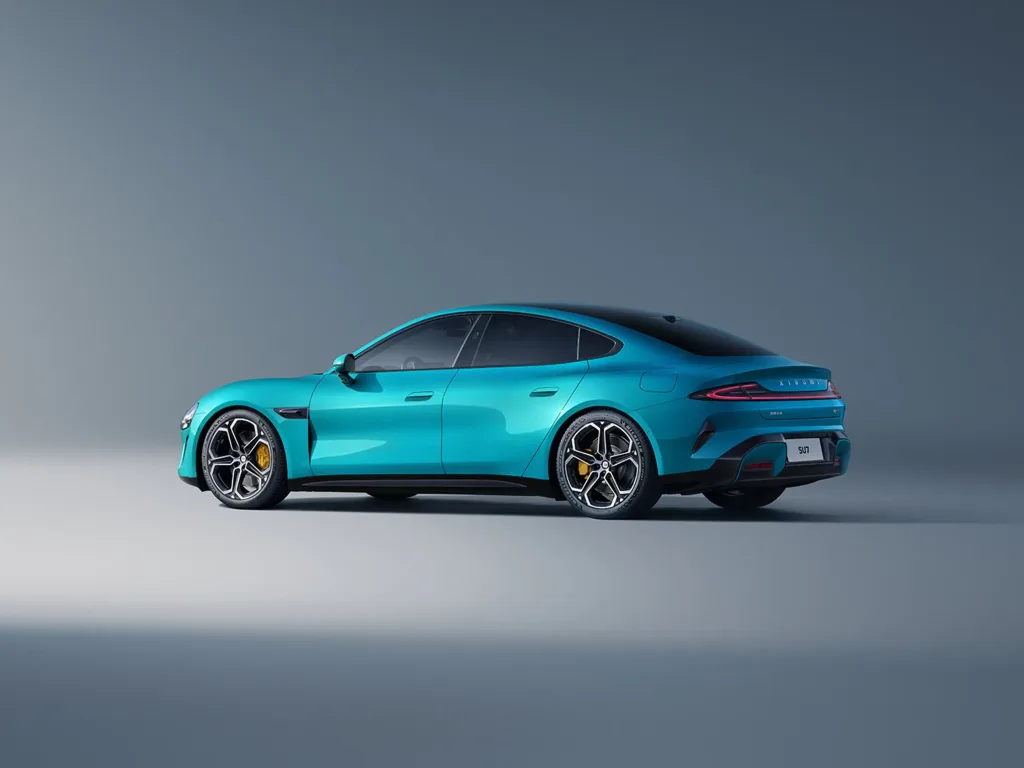
Market Understanding While Apple spent billions developing technology in isolation, Xiaomi leveraged its existing ecosystem and manufacturing expertise. The starting prices for the SU7 sedan, at 215,900 yuan ($30,100), and its SUV, at 253,500 yuan, make them competitive against premium offerings while maintaining quality.
Production Capability Xiaomi has set a delivery target of 350,000 units in 2025, up from its previous goal of 300,000, buoyed by demand for the newly launched YU7 and a ramp up in production. This demonstrates the company’s confidence in scaling operations—something Apple never achieved.
The YU7: A Tesla Model Y Killer
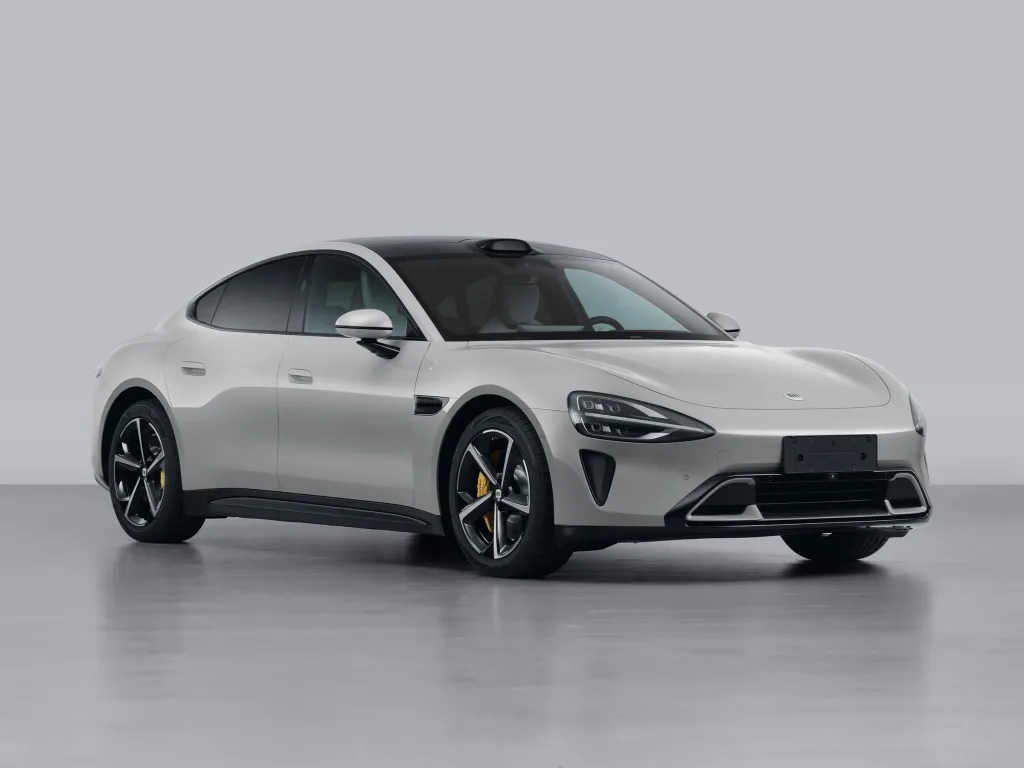
The Xiaomi YU7 isn’t just another electric SUV; it’s a carefully engineered challenger to Tesla’s dominance. The car has outsold Tesla’s Model 3 in China on a monthly basis since December and has even earned a rave review from Ford CEO Jim Farley. This endorsement from a major automotive industry leader validates Xiaomi’s engineering prowess.
The vehicle’s specifications and pricing strategy directly target Tesla’s Model Y, offering comparable features at a more accessible price point. The YU7 is only its second model and priced from 253,500 yuan ($35,360), it undercuts Tesla’s Model Y by nearly 4%, making it an attractive alternative for cost-conscious consumers seeking premium electric vehicle features.
Market Impact and Future Implications
The success of Xiaomi’s EV venture has sent shockwaves through the automotive industry. The smartphone-turned-EV maker secured 240,000 orders within 18 hours of the YU7’s launch on June 26, 2025, overwhelming its production capacity and creating delivery challenges that, paradoxically, demonstrate the strength of consumer demand.
This overwhelming response has created some unexpected consequences. China’s electric vehicle (EV) market is electrified by Xiaomi’s YU7 SUV, but delivery waits of up to 60 weeks have sparked backlash among eager buyers. However, these lengthy wait times haven’t dampened enthusiasm for the brand.
Delivery Challenges: A Good Problem to Have
The massive order volume has created logistical challenges that many companies would envy. In a mere 60 minutes, the YU7 was essentially sold out until 2027, creating an unprecedented situation where success has temporarily outpaced production capacity.
Xiaomi’s YU7 launch ignited a buying frenzy and resale market chaos, prompting official warnings against unauthorized order transfers. This secondary market activity demonstrates the genuine value consumers place on securing a YU7, further validating Xiaomi’s market positioning.
The Broader Tech-to-Auto Transition
Xiaomi’s success story offers valuable insights for other technology companies considering automotive ventures. Lei Jun, founder and chairman of Xiaomi Corp., the only tech company to have successfully diversified into carmaking, couldn’t resist highlighting this achievement, positioning Xiaomi as a pioneer in successful tech-to-automotive transitions.
The company’s approach differs markedly from Apple’s strategy. While Apple focused on revolutionary technology and premium positioning, Xiaomi emphasized practical innovation, competitive pricing, and leveraging existing manufacturing and supply chain expertise.
Financial Performance and Market Position
Despite the overwhelming success in orders, Xiaomi’s EV venture faces the typical challenges of automotive manufacturing. The hype was such that the entire production planned for 2025 sold out in just three days, with over 10,000 units sold and nearly 19,000 reservations registered, demonstrating sustained demand beyond the initial launch excitement.
The company’s realistic approach to profitability sets it apart from many EV startups. While initial losses are expected in automotive ventures, Xiaomi’s diversified revenue streams from smartphones, consumer electronics, and services provide financial stability during the EV division’s growth phase.
Key Takeaways
The Xiaomi EV success story demonstrates that in the rapidly evolving electric vehicle market, understanding consumer needs, competitive pricing, and execution capability matter more than massive R&D budgets. While Apple’s $10 billion investment yielded no tangible results, Xiaomi’s focused approach has created a genuine Tesla competitor that resonates with consumers.
The 289,000 orders in 60 minutes represent more than just impressive numbers—they signify a shift in the automotive landscape where technology companies can successfully challenge traditional automakers and established EV leaders. Xiaomi’s achievement proves that with the right strategy, even smartphone manufacturers can become automotive powerhouses.
As the EV market continues to evolve, Xiaomi’s success story will likely inspire other technology companies to reconsider their automotive ambitions, while serving as a case study in how to successfully transition from consumer electronics to automotive manufacturing.
Also read- Mahindra Drops a Bombshell: 79 kWh Battery Option for BE 6 & XEV 9e Pack Two

