



After facing significant software challenges that delayed vehicle launches, Swedish automaker Volvo Cars is now offering its advanced electric vehicle technology to competitors—a surprising reversal that could reshape the automotive industry.
Table of Contents
From Problems to Partnerships
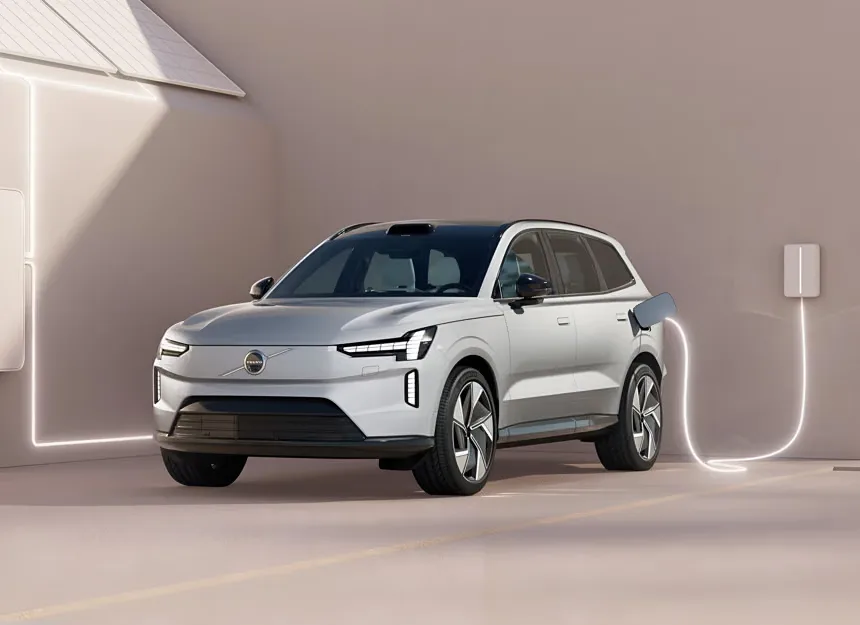
Volvo is actively seeking partnerships for its centralized software stack designed to power all future electric models, signaling the company has successfully overcome the coding difficulties that previously plagued its flagship EX90 SUV and caused recalls of the EX30.
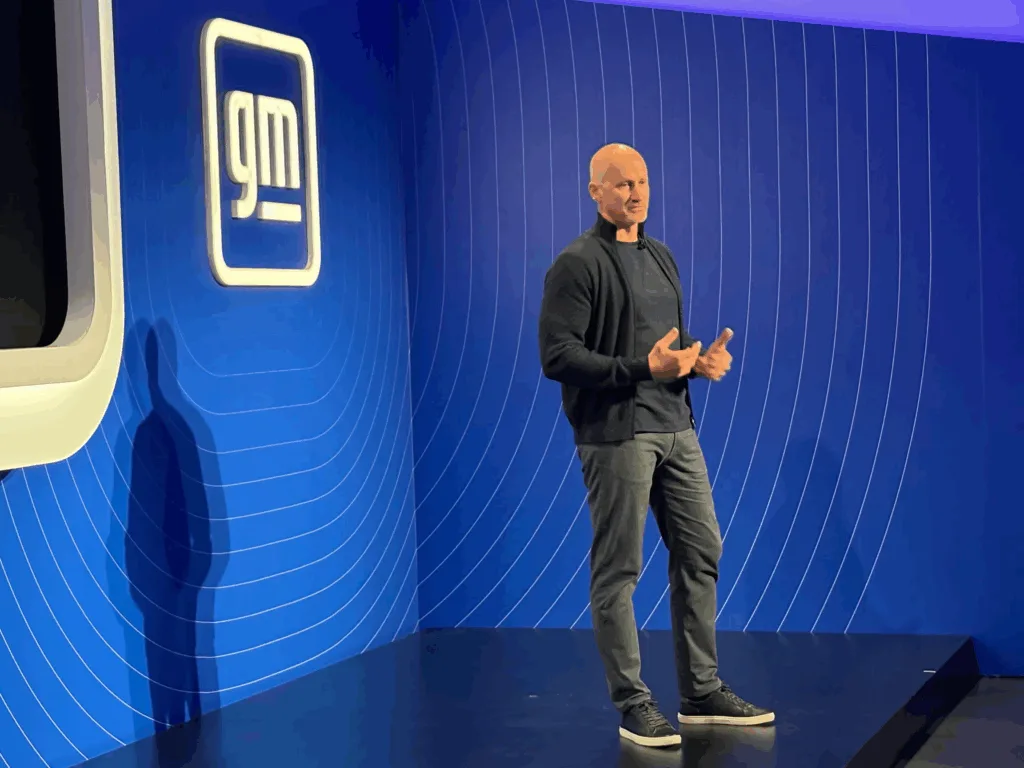
The manufacturer’s Chief Engineering & Technology Officer, Anders Bell, confirmed the company is open to licensing agreements for their “Superset” system—a sophisticated software platform that operates through a handful of high-performance computers rather than dozens of separate control units.
The Software Journey
Volvo’s path to this breakthrough wasn’t smooth. The company faced multiple setbacks, including a June recall of its EX30 electric SUV due to software glitches that caused infotainment screens to black out and emergency braking systems to activate unexpectedly. The EX90’s launch was also delayed, with vehicles initially shipping without up to 10 key features, including critical advanced driver-assistance systems.
These challenges mirror industry-wide struggles. Volkswagen’s software subsidiary Cariad encountered similar issues with the ID.3 model, while the ambitious E3 2.0 platform faced a complete overhaul—demonstrating how traditional automakers are grappling with the shift to software-defined vehicles.
A Strategic Pivot
The decision to license technology represents more than crisis management—it’s a strategic business move. Automakers who successfully develop in-house centralized software can tap into new revenue streams by offering their solutions to competitors facing similar development hurdles. This approach could help Volvo recoup significant research and development costs while positioning itself as a technology leader beyond just vehicle manufacturing.
For the Indian EV market, which is experiencing rapid growth, Volvo’s software-sharing strategy could have interesting implications. As domestic manufacturers accelerate their electric vehicle development, access to proven software platforms might help overcome common technical barriers and speed up deployment timelines.
Looking Ahead
Despite early stumbles, Volvo’s transparency about its challenges and willingness to collaborate signals maturity in the rapidly evolving EV landscape. The company reported a 62% year-on-year increase in electric vehicle sales through mid-2024, demonstrating that software issues haven’t derailed consumer confidence in the brand.
As the automotive industry continues its digital transformation, Volvo’s experience offers valuable lessons: software development is complex and costly, but overcoming these challenges can create opportunities beyond traditional vehicle sales. The question now is which competitors will take advantage of Volvo’s offer—and whether this signals a new era of collaboration in an increasingly competitive EV market.

