

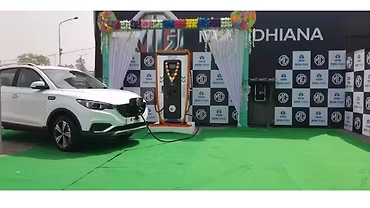

Ludhiana MC announces 100 new EV charging stations via PPP model. Zero municipal cost, strategic placement, and e-bus depots reshape Punjab’s EV future. Ludhiana’s streets are buzzing with a new kind of energy—electric. As e-rickshaws zip through markets and electric scooters crowd parking lots, the Ludhiana Municipal Corporation has finally heard the city’s charging cry. The civic body just announced an ambitious plan to install 100 new EV charging stations across the industrial city, marking Punjab’s boldest push toward electric mobility infrastructure.
Table of Contents
From Zero to Hero: Addressing the Infrastructure Gap
Here’s the uncomfortable truth: Ludhiana had just one public charging station at Zone D office in Sarabha Nagar—and officials removed it due to poor usage. That single failed attempt highlighted a classic chicken-and-egg problem. Without convenient charging infrastructure, residents hesitated to buy EVs. Without EV adoption, charging stations seemed pointless.
Now, the game’s changing. MC Commissioner Aaditya Dachalwal confirmed the proposal is ready for Finance and Contract Committee approval. Under the public-private partnership model, a selected firm will shoulder all installation and maintenance costs, ensuring zero financial burden on the municipal corporation. This smart financing strategy mirrors successful infrastructure developments across India’s expanding EV charging network, which recently crossed 29,000 stations nationwide.
Strategic Placement for Maximum Impact
The selected private partner won’t just randomly plant charging stations. They’ll conduct comprehensive surveys to identify high-traffic corridors and busy commercial zones. Prime locations include Sarabha Nagar Market, BRS Nagar Market, Model Town Market, and the multi-storey parking facility near Mata Rani Chowk—areas where EV owners naturally congregate.
This strategic approach addresses what urban planners call “charging deserts”—neighborhoods where EV owners face anxiety about running out of power. As India works toward its ambitious PM e-Drive initiative targets, cities like Ludhiana are proving that local action drives national transformation.
Why This Matters Beyond Ludhiana
Resident Gulshan Kumar of Civil City captured the sentiment perfectly: rising fuel prices are pushing middle-class families toward electric alternatives. “If charging stations are available and people can power their vehicles whenever required, it will be a helpful option even if they have to pay for it,” he told reporters.
This practical perspective reveals an important shift. Indian consumers aren’t demanding free charging—they’re demanding accessible charging. The willingness to pay signals market maturity, something that bodes well for private operators investing in the infrastructure.
Ludhiana’s model could become a blueprint for tier-2 cities struggling with similar infrastructure gaps. While metros like Bangalore and Delhi enjoy robust charging networks, mid-sized industrial cities have lagged behind. This public-private partnership approach—zero municipal investment, commercially viable operations—offers a replicable formula.
E-Bus Depots: The Missing Piece
Beyond private vehicles, Ludhiana’s electric transformation includes public transport. The existing bus depot on Hambran Road will soon be vacated for reconstruction into a modern e-bus facility. Senior officials have cleared work orders for contractors, with the six-month project expected to accommodate the city’s growing electric bus fleet.
This dual approach—private vehicle charging infrastructure plus public transport electrification—creates an ecosystem effect. As residents witness reliable e-buses operating daily, confidence in electric mobility grows. Combined with expanding EV options from manufacturers like Tata, Mahindra, and MG, Ludhiana stands poised for genuine transportation transformation.
As Punjab’s industrial heartland goes electric, other cities are watching closely. The question isn’t whether electric mobility will dominate—it’s how quickly cities can build the infrastructure to support it.

