

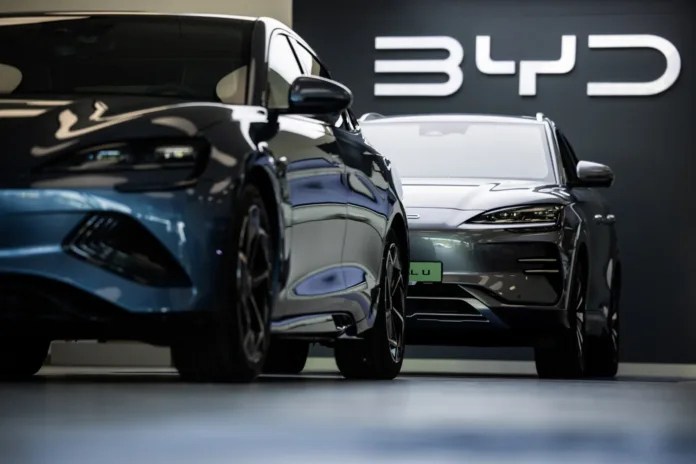

China EV market faces 2026 challenges with BYD declining, Xiaomi rising, and profits squeezed. Five trends shaping global electric mobility. China’s electric vehicle landscape is entering uncharted territory. While smartphone giant Xiaomi continues its meteoric transformation into an automotive powerhouse, even industry titan BYD has stumbled—recording sales declines for the first time in years. As 2026 approaches, the world’s largest EV market faces pivotal shifts that will ripple across the global automotive industry.
Table of Contents
The Great Slowdown Looms
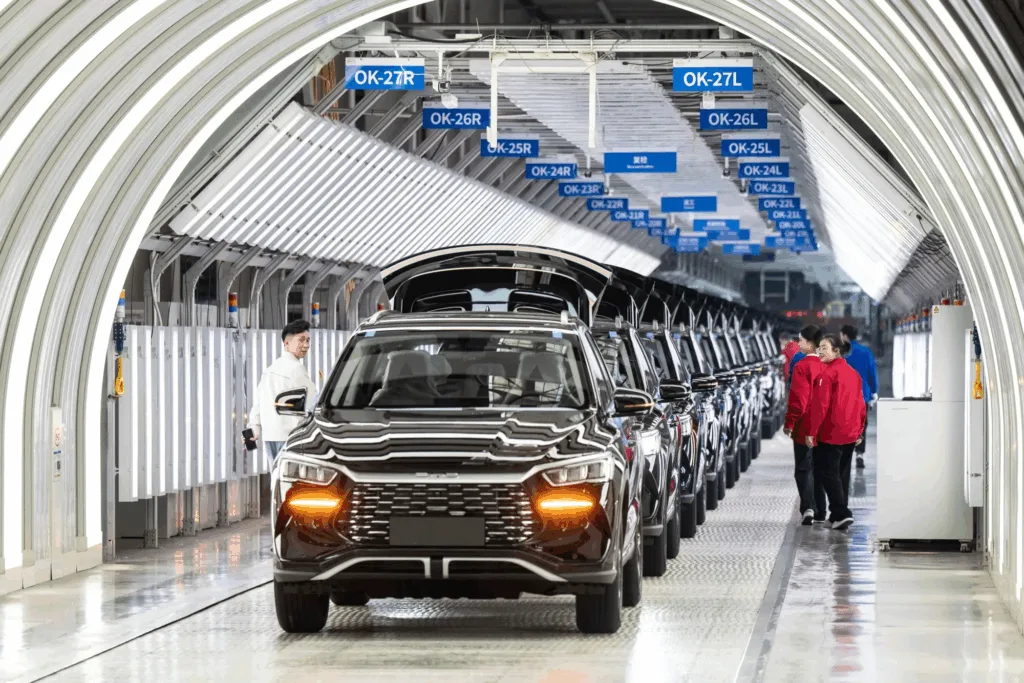
The party might be ending for Chinese EV makers. After nearly two years of aggressive government trade-in and scrappage policies that supercharged EV adoption, demand is expected to soften significantly in early 2026. According to fund manager Bing Yuan at Edmond de Rothschild Asset Management, manufacturers should brace for a challenging first quarter as policy support wanes.
The numbers tell a sobering story. BYD, despite maintaining its crown with 15.4% global BEV market share, experienced year-on-year sales declines in its home market. The company that once symbolized unstoppable Chinese EV dominance now faces pressure from nimble competitors like Xiaomi and Leapmotor, who are chipping away at its market dominance with tech-savvy offerings.
Profit Margins Under Siege
Here’s the uncomfortable truth: fierce price wars combined with rising battery costs are squeezing profit margins across the board. Geely Automobile recently launched rebates up to 15,000 yuan ($2,119) to offset scaling back of tax breaks—a move quickly mimicked by Li Auto and Xiaomi. These discounts, while necessary to maintain market share, hammer earnings.
Indian automakers watching this space should take notes. The competitive dynamics mirror challenges Mahindra’s electric SUVs and Tata’s EV lineup will inevitably face as India’s EV penetration accelerates. The Chinese experience demonstrates that early-mover advantages disappear quickly in hyper-competitive markets.
Export Expansion Becomes Survival Strategy
When domestic sales stagnate, smart manufacturers look abroad. BYD’s overseas sales more than doubled year-over-year in Q3, fueled by European and Latin American demand. Geely anticipates its international sales volume surging up to 80% in 2026. This export pivot isn’t just growth strategy—it’s survival mechanism.
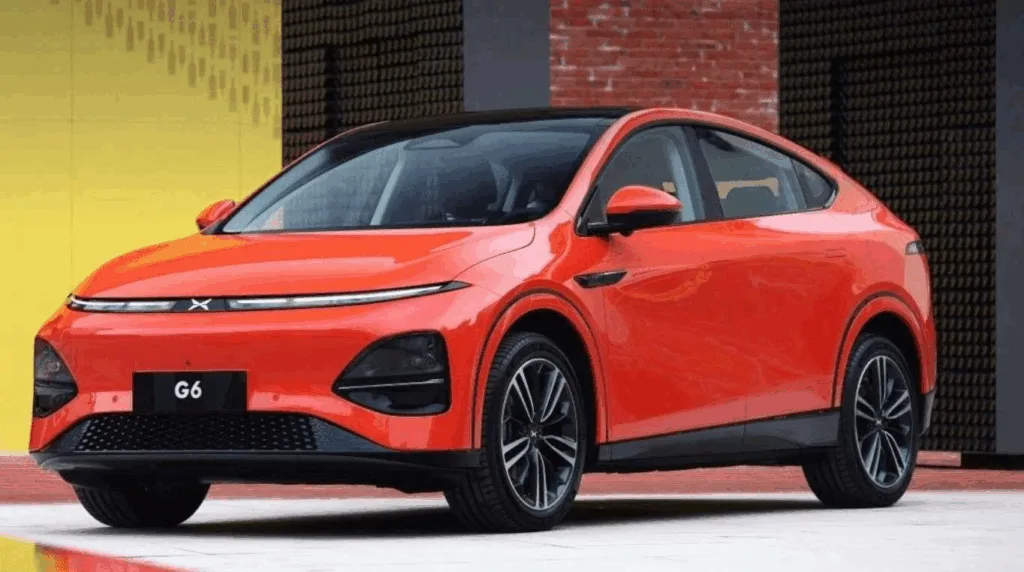
China shipped 5.5 million vehicles in 2024, cementing its position as the world’s largest automotive exporter. Projections suggest this figure will exceed 7 million by end of 2025, with EVs accounting for 40-50% of exports. However, rising tariffs in Mexico and the EU threaten to disrupt these ambitious plans.
Technology Over Price Wars
The battleground is shifting. Success in 2026 won’t belong to whoever builds the cheapest car, but whoever delivers the most compelling user experience. Xiaomi exemplifies this shift—its vehicles aren’t mere transportation; they’re “smart devices on wheels” leveraging the company’s ecosystem of 500 million global users.
This resonates with Indian consumers who increasingly prioritize connectivity and software features. The success of vehicles using India’s INGLO platform demonstrates similar preferences, where advanced battery tech meets cutting-edge software integration.
Policy Uncertainty Clouds Outlook
Starting January 2026, Chinese companies need export licenses to ship finished vehicles abroad—a government move to manage excess capacity and prevent dumping accusations. Additionally, domestic EV tax exemptions that previously boosted purchases are phasing out, creating uncertainty that makes investors nervous.
For India, currently enjoying stable 5% GST rates on EVs, China’s experience underscores how critical consistent policy support remains for nascent EV markets.
As China’s EV market matures through these growing pains, manufacturers worldwide are watching closely. The lessons learned in Shanghai and Shenzhen today will shape electric mobility strategies in Mumbai and Bangalore tomorrow.

