

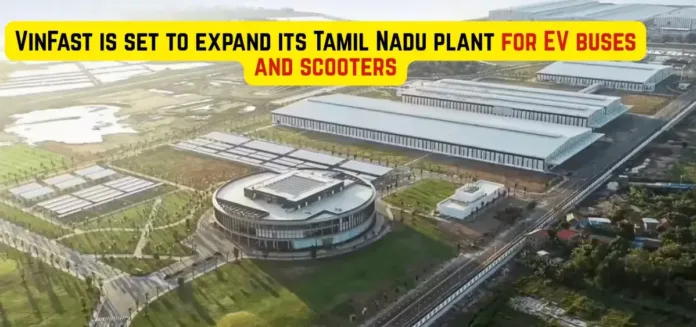

Vietnamese automaker VinFast is expanding its Indian facility to manufacture electric buses and scooters, signaling serious commitment to India.
When VinFast first announced Indian operations, skeptics questioned whether another foreign EV brand could succeed where others struggled. The company’s decision to expand its Tamil Nadu manufacturing facility for electric buses and scooters provides a resounding answer: VinFast isn’t testing waters—it’s diving deep into India’s electric mobility revolution.
Table of Contents
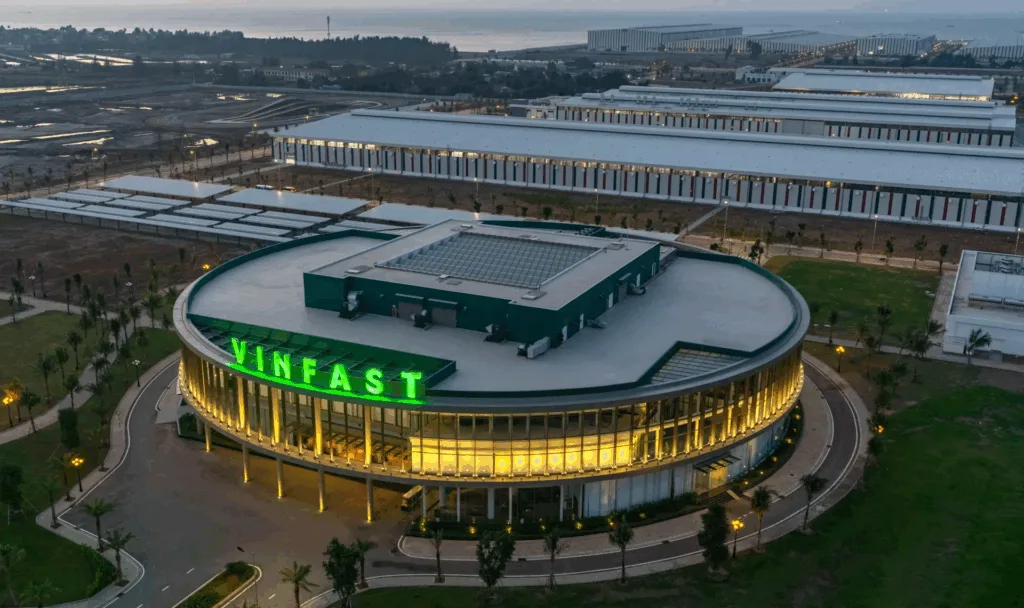
Strategic Manufacturing Play
Tamil Nadu has emerged as India’s automotive manufacturing hub, offering robust infrastructure, skilled workforce, and supportive state policies. VinFast’s expansion leverages these advantages while positioning itself to serve both domestic and export markets from a single strategic location.
Manufacturing electric buses and scooters alongside passenger vehicles demonstrates VinFast’s comprehensive approach to Indian mobility. Rather than focusing solely on premium car segments, the company is targeting multiple price points and use cases, from urban commuters on scooters to public transport operators needing electric buses.
The Bus Opportunity
India’s electric bus market represents enormous potential. Cities nationwide are transitioning public transport fleets to electric, driven by pollution concerns and government incentives for clean mobility. State transport corporations planning to electrify thousands of buses need reliable domestic suppliers who can deliver at scale.
It’s entry intensifies competition with established players like Tata Motors, BYD, and JBM Auto, potentially accelerating innovation while moderating prices. For Indian cities struggling with air quality, more suppliers mean faster fleet electrification and cleaner urban air.
Two-Wheeler Focus
Electric scooters have gained significant traction in India, with companies like Ola Electric, Ather, and TVS establishing strong market presence. VinFast’s entry into this competitive segment suggests confidence in their technology and pricing strategy.
The Indian two-wheeler EV market offers massive volume potential but demands affordability, reliability, and extensive service networks. VinFast must navigate these requirements while differentiating itself from entrenched domestic competitors who understand Indian consumer preferences intimately.
Make in India Benefits
Local manufacturing provides VinFast crucial advantages: reduced import duties, faster delivery times, customization for Indian conditions, and alignment with government’s Make in India initiatives. These benefits could translate to competitive pricing that makes VinFast offerings accessible to broader customer segments.
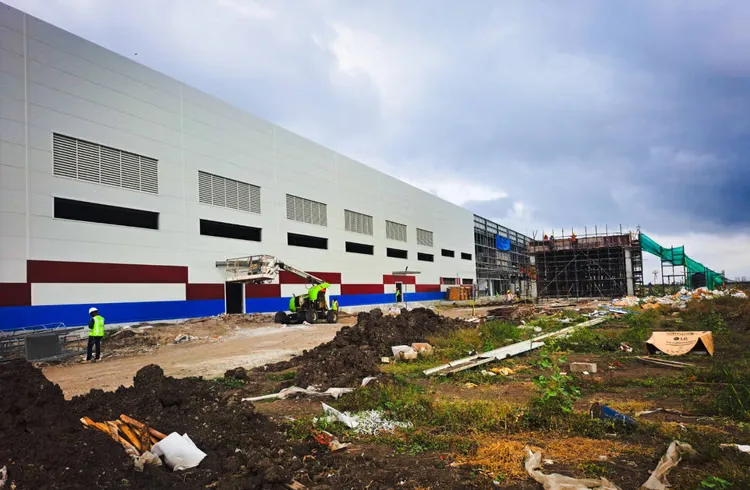
The expansion also creates employment opportunities in Tamil Nadu’s automotive corridor, contributing to regional economic development while building VinFast’s operational capabilities in India.
The Road Ahead
VinFast’s expansion represents a significant vote of confidence in India’s electric future. As manufacturing scales up, the company will test whether Vietnamese automotive engineering can win Indian hearts and wallets in one of the world’s most competitive and price-sensitive markets.
For India’s EV ecosystem, more manufacturers mean greater choice, innovation, and competition—ultimately accelerating the transition to clean transportation.

