

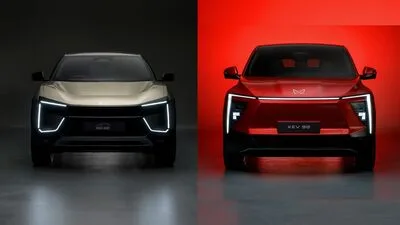

Mahindra’s BE 6 and XEV 9e could soon offer 600km range. This mid-cycle upgrade might just redefine what Indians expect from electric SUVs.
Range anxiety has long been the Achilles’ heel of electric vehicles in India. But Mahindra appears ready to deliver a knockout punch to this concern. Reports suggest the BE 6 and XEV 9e may receive substantial battery upgrades, pushing their capabilities to an impressive 600 kilometers on a single charge.
Table of Contents
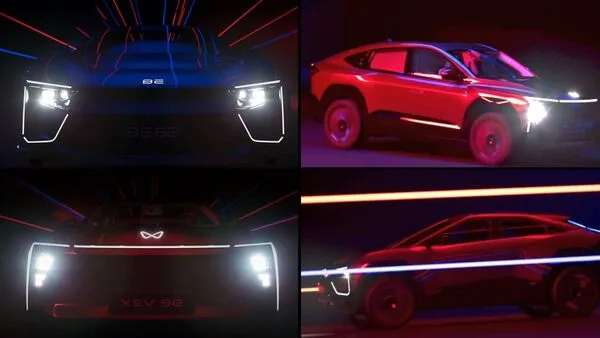
Why This Matters
Six hundred kilometers changes everything. That’s Delhi to Jaipur with charge to spare. Mumbai to Goa without range anxiety. Bangalore to Chennai becoming genuinely feasible. For Indian buyers accustomed to planning road trips around fuel stations, a 600km electric range transforms EVs from city-confined vehicles into legitimate long-distance travelers.
This upgrade positions Mahindra aggressively against competitors in India’s burgeoning electric SUV segment. While brands like Tata and MG have established strong footholds, superior range could become Mahindra’s trump card, especially among buyers who prioritize versatility and weekend getaways.
The Technical Leap
Achieving 600km range requires more than simply cramming larger batteries into existing platforms. It demands sophisticated battery management systems, improved aerodynamics, and efficient powertrains. If Mahindra delivers this upgrade without compromising interior space or adding excessive weight, it demonstrates genuine engineering prowess.
The timing aligns with global battery technology advancements. Cell chemistry improvements and manufacturing efficiencies are making higher-capacity batteries more accessible and affordable, allowing manufacturers to offer enhanced specifications without proportional price increases.
Market Impact
Current BE 6 and XEV 9e buyers might experience mixed emotions—excitement about the technology’s evolution tempered by the timing of their purchase. However, mid-cycle upgrades are standard automotive practice, and early adopters understand they’re investing in emerging technology.
For prospective buyers, the enhanced range makes Mahindra’s electric offerings significantly more compelling. Combined with the expanding charging infrastructure across India, these upgraded EVs could eliminate most practical objections to electric vehicle ownership.
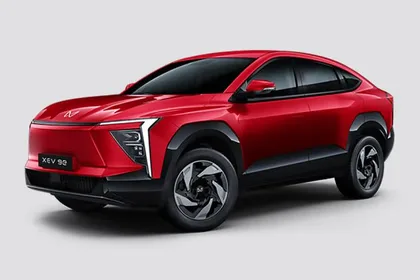
Competition Response
Mahindra’s move will pressure competitors to respond. Tata, Hyundai, and MG must now either match these specifications or differentiate through pricing, features, or brand appeal. This competitive dynamic benefits consumers, accelerating innovation and keeping prices competitive.
The Road Ahead
If these upgrades materialize as reported, Mahindra reinforces its commitment to electric mobility leadership in India. The company isn’t content with initial offerings—it’s actively pushing boundaries and responding to customer feedback.
For India’s electric vehicle revolution, the message is clear: range limitations are temporary challenges, not permanent barriers. As technology evolves and manufacturers compete aggressively, today’s impressive specifications become tomorrow’s baseline expectations.

