

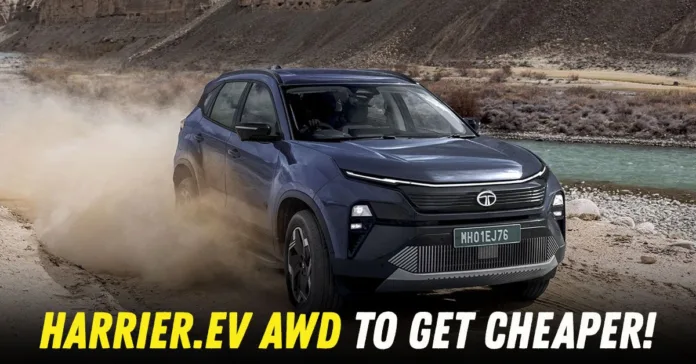

The electric Tata Harrier revolution just crowned a new champion. Tata’s premium Harrier EV has dethroned its own stablemate, the Nexon EV, marking a seismic shift in India’s EV landscape.
When Tata Motors launched the Harrier EV, skeptics wondered if India was ready for a premium electric SUV. The November sales figures have delivered a resounding answer: Indians are hungry for larger, feature-packed EVs that don’t compromise on presence or performance.
Table of Contents
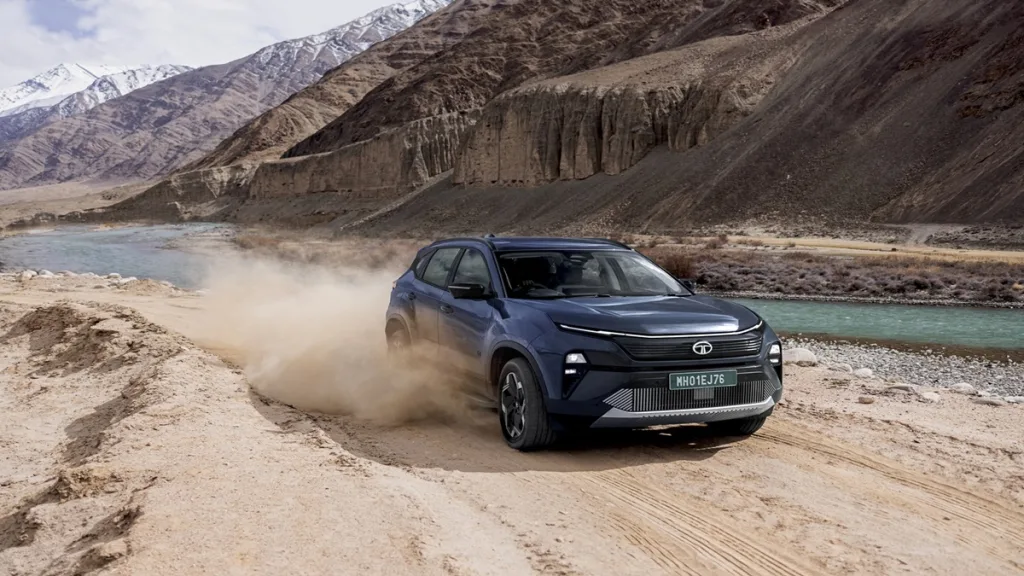
The Numbers Tell the Story
The Harrier EV’s sales surge represents more than just impressive numbers—it signals evolving consumer preferences. Where the Nexon EV once dominated as India’s affordable electric darling, buyers are now gravitating toward vehicles that blend electric efficiency with commanding road presence.
Industry experts point to several factors driving this shift. The Harrier EV’s spacious cabin, advanced technology features, and impressive range credentials have struck a chord with families and professionals alike. It’s not merely transportation; it’s a statement about sustainable luxury being accessible.
Beyond the Showroom Success
This sales milestone reflects broader transformations in India’s automotive sector. As charging infrastructure expands across India, range anxiety diminishes, making premium EVs increasingly practical for daily use. The Harrier EV benefits from Tata’s established dealership network and the company’s reputation for building robust vehicles tailored to Indian conditions.
The timing couldn’t be better. With government incentives supporting EV adoption and increasing environmental consciousness, buyers are viewing electric vehicles not as experiments but as smart investments. The Harrier EV’s success demonstrates that Indians will pay premium prices for quality electric mobility.
What This Means for Competition
Tata Harrier EV internal competition—Harrier outselling Nexon—might seem unusual, but it reveals sophisticated market segmentation. The Nexon EV remains popular among first-time EV buyers and urban commuters, while the Harrier EV attracts those upgrading from conventional SUVs or seeking family-friendly electric options.
This success will undoubtedly pressure competitors like Mahindra, MG, and Hyundai to accelerate their premium EV launches. The message is clear: India’s EV market is maturing rapidly, and consumers are ready for diverse electric offerings across price segments.
The Harrier EV’s sales triumph isn’t just Tata’s victory—it’s validation that India’s electric future includes premium segments, proving sustainable mobility can coexist with aspirational automotive desires.

