

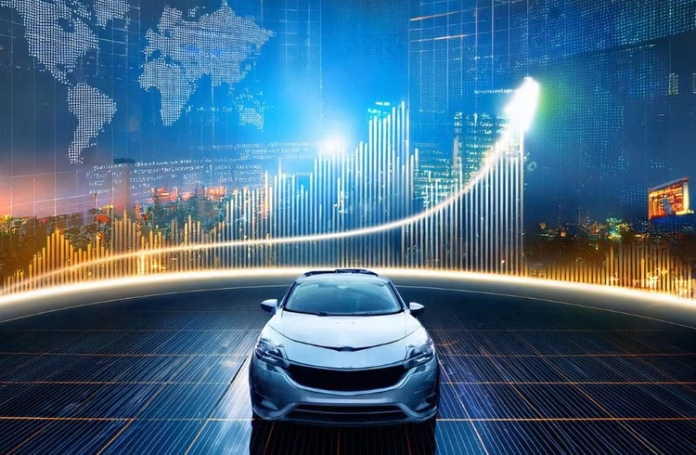

India’s EV market to hit ₹20 lakh crore by 2030 creating 5 crore jobs, says Nitin Gadkari. Battery costs drop 66% fueling explosive growth. Union Minister Nitin Gadkari declared India’s EV market has potential to reach ₹20 lakh crore by 2030, creating five crore new jobs, signaling unprecedented economic transformation through sustainable mobility.
The numbers paint an explosive growth trajectory. Currently, 57 lakh EVs are registered in India, with EV car sales increasing 20.8% compared to petrol-diesel’s 4.2%. Two-wheelers lead adoption with 33% growth, while three-wheelers surge 18%—dramatically outpacing conventional vehicles across all segments.
Table of Contents
EV Market Battery Revolution Fuels Growth
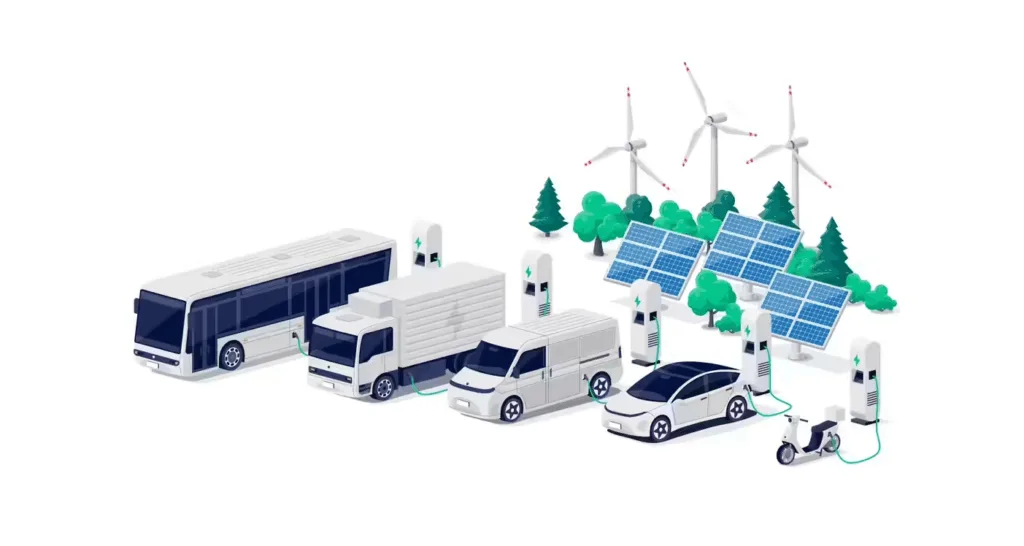
Technology advances underpin market optimism. Lithium-ion battery costs plummeted from USD 150 per kilowatt-hour to USD 55 per kilowatt-hour, transforming EV economics fundamentally. This three-fold reduction eliminates traditional price barriers deterring mass adoption.
Domestic resources strengthen India’s position. Jammu and Kashmir’s 6 million tonnes of lithium reserves represent six percent of global total, positioning India strategically for battery self-sufficiency. The Mining Ministry actively develops extraction frameworks supporting Atmanirbhar Bharat ambitions.
Employment Explosion Expected
The economic ripples extend far beyond manufacturing. The entire EV ecosystem will create approximately five crore jobs by 2030, with EV finance market reaching ₹4 lakh crore. This encompasses manufacturing, charging infrastructure, battery production, and ancillary services.
Gadkari’s vision addresses critical national challenges. India imports fossil fuels worth ₹22 lakh crore annually, creating economic burden and pollution. Electric mobility directly tackles both issues while supporting renewable energy integration—currently 44% of India’s power basket.
Infrastructure Gaps Remain
Despite promising trajectories, challenges persist. India needs one lakh electric buses but current capacity stands at 50,000. Gadkari urged manufacturers expanding production capacity without quality compromises.
The charging infrastructure continues expanding, with 16,000 operational stations and 2,800 under development. However, meeting 2030 targets requires accelerated deployment matching vehicle adoption rates.
Startup Ecosystem Thrives
Entrepreneurial energy transforms the sector. Over 400 startups have emerged in the electric two-wheeler market, increasing 21% from 2024. This innovation explosion drives competition, improves technology, and expands consumer choices across price points.
Manufacturers across segments aggressively expand electric portfolios. Tata, Mahindra, and emerging players race launching affordable EVs targeting mass market penetration, while government policies maintain favorable taxation supporting adoption momentum.
Global Implications
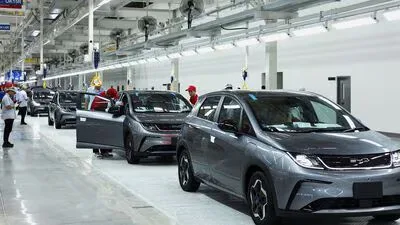
India’s automotive sector achieved remarkable milestones. Industry size expanded from ₹7 lakh crore in 2014 to ₹22 lakh crore currently, surpassing Japan as world’s third-largest. Electric mobility acceleration could propel India challenging China’s dominance through technological excellence and manufacturing scale.
FAQs:
What is the projected value of India’s EV market by 2030?
Union Minister Nitin Gadkari projects India’s electric vehicle market will reach ₹20 lakh crore by 2030, creating five crore jobs across the entire EV ecosystem.
How many electric vehicles are currently registered in India?
Currently, 57 lakh electric vehicles are registered across India, with EV sales growing significantly faster than conventional petrol-diesel vehicles in 2024-25.
Why are lithium reserves in J&K important for India’s EV sector?
Jammu and Kashmir holds 6 million tonnes of lithium reserves—six percent of global reserves—critical for domestic battery manufacturing and reducing import dependency.

