

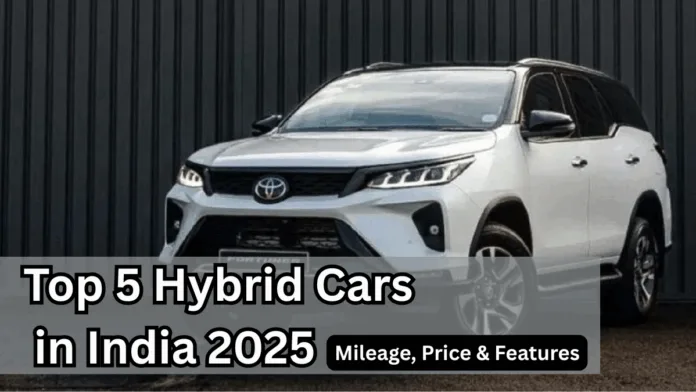

Picture of Top 5 Hybrid Cars India: You pull into a petrol pump, and the attendant fills your tank. The display reads ₹2,500. You wince, remembering this used to cost ₹1,800 just two years ago. Now imagine cutting that fuel bill nearly in half without sacrificing performance or dealing with charging anxiety. Welcome to the hybrid revolution sweeping India in 2025—where you get the best of both worlds.
Table of Contents
Why Hybrids Are India’s Sweet Spot Right Now
Before diving into the top 5, let’s address the elephant in the room: Why choose hybrid over pure electric or traditional petrol?
The Hybrid Advantage in India:
| Factor | Pure Petrol/Diesel | Pure EV | Hybrid |
|---|---|---|---|
| Fuel Efficiency | 15-20 km/l | N/A (electricity) | 25-28 km/l |
| Range | 600-700 km | 300-500 km | 900+ km |
| Refueling Time | 5 minutes | 45-60 minutes | 5 minutes |
| Infrastructure | 80,000+ pumps | ~16,000 chargers | Uses existing pumps |
| Purchase Price | Baseline | Premium (+₹4-8L) | Moderate (+₹2-4L) |
| Maintenance | Moderate | Lower (fewer parts) | Moderate |
| Tax | Standard GST | 5% GST | 43% GST (ouch!) |
Despite the punishing 43% GST on hybrids, they’re outselling EVs in India because practicality trumps ideology when you’re spending ₹15-25 lakh.
The Top 5 Hybrid Cars to Buy in India (2025)
Based on sales data, mileage, features, reliability, and real-world ownership experiences, here are the definitive top 5 hybrids for Indian buyers in 2025.
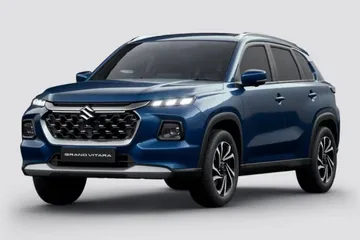
1. Maruti Suzuki Grand Vitara Hybrid – The People’s Champion
Price Range: ₹10.77 lakh – ₹19.72 lakh (ex-showroom)
Why It Wins: India’s most popular hybrid isn’t just about Maruti’s legendary service network—it’s about Toyota’s proven hybrid technology packaged in a mid-size SUV that Indians actually want to buy.
Complete Specifications:
| Specification | Details |
|---|---|
| Engine | 1.5L petrol + electric motor |
| Power Output | 114 bhp (combined) |
| Fuel Economy | 27.97 km/l (ARAI claimed) |
| Transmission | e-CVT automatic |
| Seating Capacity | 5 passengers |
| Boot Space | 373 liters |
| Drive Modes | Eco, Normal, Power, EV |
| Key Features | Heads-up display, 360-degree camera, wireless charging, panoramic sunroof |
Real-World Insight:
The Grand Vitara’s strong hybrid system can run on pure electric mode for short city distances, regenerates energy during braking, and seamlessly switches between petrol and electric power. Owners report real-world mileage of 23-25 km/l in mixed driving—a 50% improvement over traditional petrol SUVs.
Who Should Buy: Families wanting space, features, and fuel efficiency with Maruti’s pan-India service network backing them. If you need affordable hybrid with proven reliability, this is it.
2. Toyota Urban Cruiser Hyryder – Grand Vitara’s Premium Twin
Price Range: ₹10.95 lakh – ₹19.76 lakh (ex-showroom)
Why It Ranks #2: It’s mechanically identical to the Grand Vitara but wears a Toyota badge—which matters to buyers who associate Toyota with hybrid expertise (Prius, Camry heritage).
Complete Specifications:
| Specification | Details |
|---|---|
| Engine | 1.5L petrol + electric motor (same as Grand Vitara) |
| Power Output | 114 bhp (combined) |
| Fuel Economy | 27.97 km/l (ARAI claimed) |
| Transmission | e-CVT automatic |
| Seating Capacity | 5 passengers |
| Boot Space | 373 liters |
| Drive Modes | Eco, Normal, Power, EV |
| Key Features | Dual-tone cabin, 360-degree camera, ventilated seats, wireless charging |
Real-World Insight:
The Hyryder shares the same 1.5-litre Atkinson cycle engine and parallel hybrid system with the Grand Vitara. The main differences? Slightly different styling, Toyota’s badge premium (₹18,000-50,000 more), and red interior stitching that some buyers find more upscale.
Who Should Buy: Buyers who prioritize Toyota’s hybrid heritage and are willing to pay a slight premium for the badge. Also ideal if your local Maruti dealer has long waiting periods but Toyota has stock.
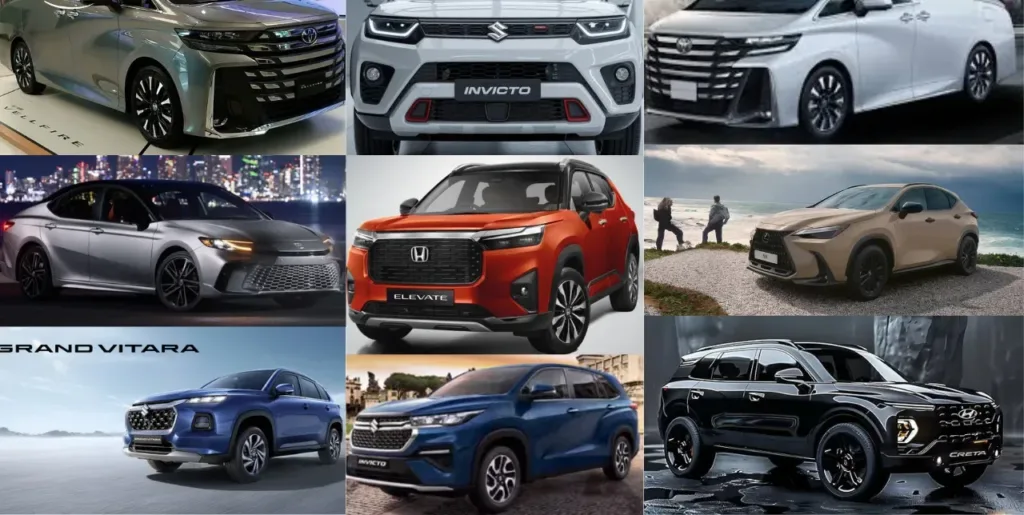
3. Honda City Hybrid (e:HEV) – The Sedan Connoisseur’s Choice
Price Range: ₹18.66 lakh – ₹21.99 lakh (ex-showroom)
Why It’s Special: Honda’s e:HEV system is arguably the most sophisticated hybrid technology available in India, offering a uniquely refined driving experience in a premium sedan package.
Complete Specifications:
| Specification | Details |
|---|---|
| Engine | 1.5L Atkinson cycle petrol + 2 electric motors |
| Power Output | 126 bhp (combined) |
| Fuel Economy | 26.5 km/l (ARAI claimed) |
| Transmission | e-CVT automatic |
| Seating Capacity | 5 passengers |
| Boot Space | 506 liters (class-leading) |
| Drive Modes | EV Drive, Hybrid Drive, Engine Drive (seamless switching) |
| Key Features | ADAS Level 2, Lane Keep Assist, Adaptive Cruise Control, 8 airbags |
Real-World Insight:
The City Hybrid’s dual-motor system is a technical marvel. Unlike conventional hybrids where the engine often drives the wheels, Honda’s system primarily uses electric motors for propulsion, with the petrol engine acting as a generator. This creates an EV-like driving experience with instant torque and whisper-quiet operation—until highway speeds when the engine directly drives the wheels for efficiency.
Owners report 21-24 km/l in real-world conditions, making this the most fuel-efficient sedan under ₹25 lakh.
Who Should Buy: Executives and professionals who want sedan elegance, premium features, advanced safety (ADAS), and don’t need SUV styling. Perfect for chauffeur-driven buyers prioritizing rear-seat comfort.
4. Maruti Suzuki Victoris Hybrid – The Newest Contender
Price Range: ₹10.50 lakh – ₹16.38 lakh (ex-showroom)
Why It’s Noteworthy: Launched in late 2024, the Victoris brings Grand Vitara’s hybrid technology to a more compact footprint with aggressive styling and a competitive price.
Complete Specifications:
| Specification | Details |
|---|---|
| Engine | 1.5L NA petrol + mild hybrid (primary option) |
| Power Output | 103 bhp |
| Fuel Economy | 25.51 km/l (strong hybrid variant) |
| Transmission | 5-speed manual / 6-speed automatic |
| Seating Capacity | 5 passengers |
| Boot Space | 412 liters |
| Safety | 5-star Bharat NCAP rating |
| Key Features | 10.25-inch touchscreen, 360-degree camera, wireless charging, sunroof |
Real-World Insight:
The Victoris is essentially the Grand Vitara’s younger sibling—sharing the same hybrid powertrain but in a slightly smaller, more affordable package. It slots between the Brezza and Grand Vitara in Maruti’s lineup, targeting buyers who want hybrid efficiency without stretching to ₹19 lakh.
The 5-star Bharat NCAP safety rating gives it credibility beyond just fuel economy, addressing concerns that Maruti sacrifices safety for affordability.
Who Should Buy: Budget-conscious buyers wanting hybrid technology without premium pricing. Ideal for young professionals or first-time hybrid buyers who want proven Maruti reliability.
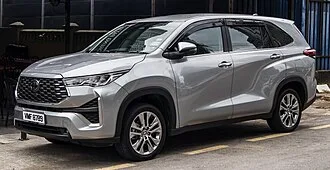
5. Toyota Innova Hycross – The Family Hauler’s Dream
Price Range: ₹18.16 lakh – ₹30.98 lakh (ex-showroom)
Why It’s Here: India’s favorite MPV went hybrid in 2023, and it’s transformed long-distance family travel. This isn’t just a hybrid—it’s a lifestyle upgrade.
Complete Specifications:
| Specification | Details |
|---|---|
| Engine | 2.0L petrol + electric motor |
| Power Output | 184 bhp (combined) |
| Fuel Economy | 21.1 km/l (ARAI claimed) |
| Transmission | e-CVT automatic |
| Seating Capacity | 7-8 passengers (multiple configurations) |
| Boot Space | 239 liters (third row up) |
| Drive Modes | Eco, Normal, Power |
| Key Features | Panoramic sunroof, ottoman rear seats (top variant), dual-zone climate, 9-inch touchscreen |
Real-World Insight:
The Innova Hycross delivers what seemed impossible: a large, 7/8-seater MPV returning 21 km/l. Previous-generation Innova diesel models struggled to achieve 14 km/l in real-world conditions. The hybrid system’s regenerative braking is particularly effective in city traffic—exactly where MPVs spend most of their time.
The top-spec ZX(O) variant with captain seats in the second row and ottoman function creates a business-class experience that justifies the ₹30+ lakh price tag.
Who Should Buy: Large families, tour operators, luxury chauffeur services, and buyers who need 7/8 seats but refuse to compromise on fuel efficiency. This is the hybrid for people who said “EVs can’t work for my needs.”
Honorable Mentions: Premium Picks
If your budget exceeds ₹40 lakh, these premium hybrids deserve consideration:
Toyota Camry Hybrid (₹41.54 lakh – ₹44.42 lakh)
- Executive sedan with 25.02 km/l claimed mileage
- 2.5L petrol + electric motor producing 218 bhp
- Perfect for corporate buyers wanting luxury with efficiency
Toyota Vellfire (₹1.23 crore – ₹1.34 crore)
- Ultra-luxury MPV with sliding doors and lounge-like interiors
- 2.5L petrol hybrid producing 250 bhp combined
- For ultra-rich buyers who want both opulence and green credentials
The Comparison Chart: All 5 at a Glance
| Model | Price Range | Mileage | Body Type | Best For |
|---|---|---|---|---|
| Grand Vitara Hybrid | ₹10.77-19.72L | 27.97 km/l | Mid-size SUV | Mass appeal, reliability |
| Hyryder | ₹10.95-19.76L | 27.97 km/l | Mid-size SUV | Toyota badge loyalty |
| City Hybrid | ₹18.66-21.99L | 26.5 km/l | Premium sedan | Executive buyers, ADAS |
| Victoris Hybrid | ₹10.50-16.38L | 25.51 km/l | Compact SUV | Budget hybrid entry |
| Innova Hycross | ₹18.16-30.98L | 21.1 km/l | MPV (7/8 seats) | Large families, tours |
Hybrid vs Mild Hybrid: Know the Difference
Not all “hybrids” are created equal. Understanding the distinction saves you from marketing confusion:
Mild Hybrid (MHEV):
- Small 48V battery assists the engine
- Cannot run on electric power alone
- Improves efficiency by 5-10%
- Examples: Maruti Ertiga Smart Hybrid, Ciaz
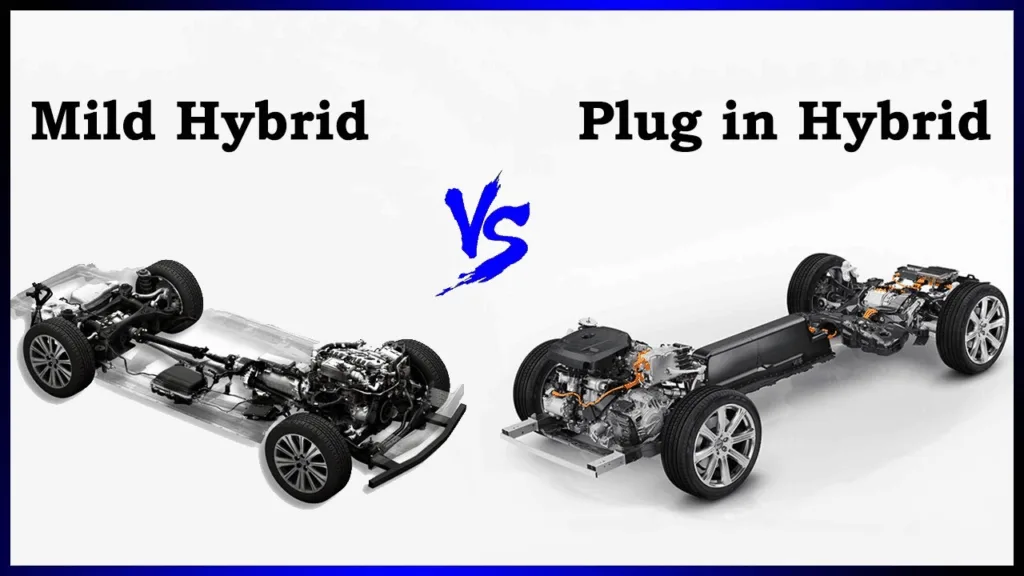
Strong/Full Hybrid (HEV):
- Large battery and electric motor
- Can run in pure EV mode for short distances
- Improves efficiency by 40-50%
- Examples: All 5 cars listed above
Tip: Always ask if the car can drive in pure electric mode. If yes, it’s a strong hybrid. If no, it’s mild hybrid—which is still better than nothing but won’t deliver 27 km/l.
Running Cost Reality Check
Let’s do the math on actual savings over 5 years:
Scenario: 15,000 km annual driving (moderate usage)
| Factor | Traditional Petrol SUV | Hybrid SUV |
|---|---|---|
| Fuel Efficiency | 15 km/l | 27 km/l |
| Annual Fuel Needed | 1,000 liters | 556 liters |
| Fuel Cost (₹105/L avg) | ₹1,05,000 | ₹58,380 |
| Annual Savings | – | ₹46,620 |
| 5-Year Savings | – | ₹2,33,100 |
Even after accounting for the ₹2-3 lakh hybrid premium, you recover the extra cost in 5-6 years—and every kilometer after that is pure savings. If petrol prices rise to ₹120-130/L (entirely possible), payback accelerates dramatically.
Common Hybrid Myths Debunked
Myth 1: “Hybrid batteries die after 3-4 years and cost ₹5+ lakh to replace”
Reality: Toyota and Maruti offer 8-year/1.6-lakh-km battery warranty. Real-world data from international markets shows hybrid batteries routinely lasting 10-15 years. Replacement costs have also dropped to ₹1.5-2 lakh, not ₹5 lakh.
Myth 2: “Hybrids are just marketing gimmicks with minimal real savings”
Reality: Owners consistently report 50-80% improvement in fuel economy compared to conventional vehicles. The 27 km/l claim isn’t fiction—it’s achievable in city driving where regenerative braking works best.
Myth 3: “Maintenance is complicated and expensive”
Reality: Hybrids have fewer wearing parts (less brake wear due to regeneration, no clutch in e-CVT). Service costs are comparable to regular vehicles, and Toyota/Maruti’s extensive networks make repairs accessible.
Who Should Avoid Hybrids?
Honesty matters. Hybrids aren’t ideal for:
Highway-Heavy Drivers: If 80%+ of your driving is highway cruising above 80 km/h, diesels still offer better efficiency. Hybrids shine in city traffic where regenerative braking maximizes gains.
Budget-Constrained Buyers: If ₹2-3 lakh premium strains your budget, stick with base petrol/CNG models. The savings take years to materialize.
Performance Enthusiasts: Hybrids prioritize efficiency over acceleration. If you need 0-100 in under 7 seconds, look elsewhere.
Off-Road Adventurers: None of these hybrids offer 4WD. If you need serious off-road capability, traditional diesel SUVs remain superior.
The Bottom Line: India’s Hybrid Moment
2025 marks the tipping point where hybrids transition from early-adopter curiosity to mainstream practicality. With 22 hybrid models now available in India and more launching monthly, buyers have genuine choice.
The top 5 listed here represent the sweet spot: proven technology, accessible pricing, strong service networks, and real-world fuel savings that actually materialize. They bridge the gap between polluting ICE cars and infrastructure-challenged pure EVs—offering the best compromise for India’s current reality.

