

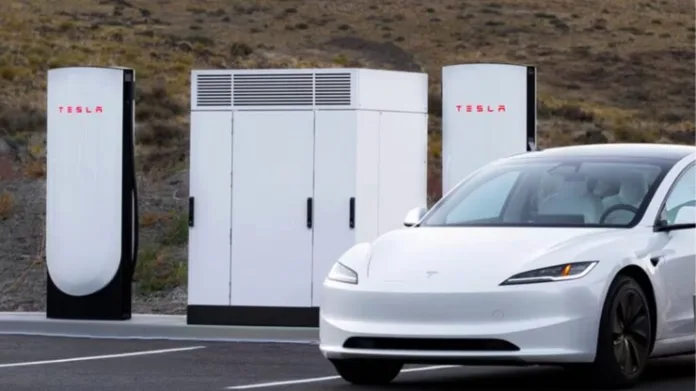

Picture this: You’re cruising through Mumbai’s bustling streets in your sleek Tesla Model Y, and your battery indicator starts flashing. Where do you charge? This question has kept many potential EV buyers awake at night. But Tesla is about to change that narrative completely.
Table of Contents
The Big Reveal: Tesla’s Infrastructure Master Plan
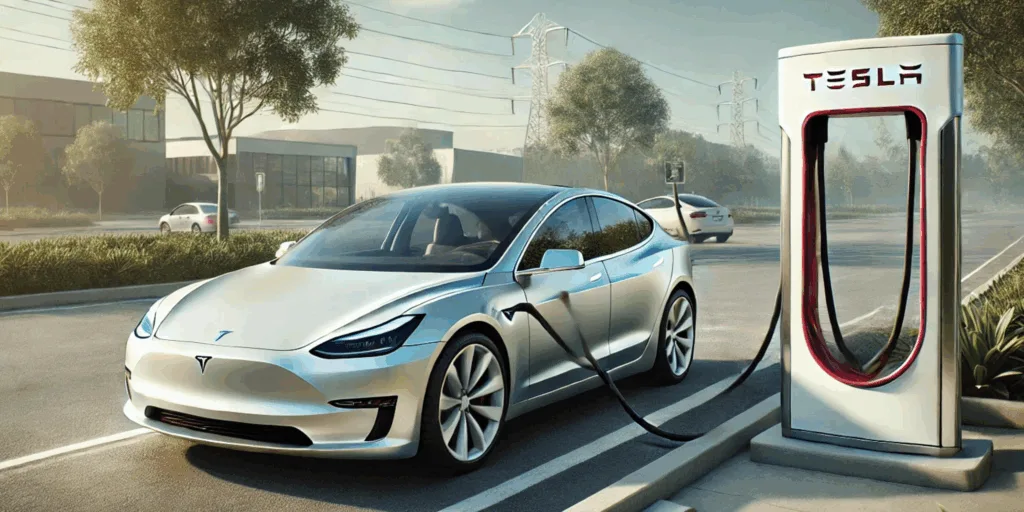
Elon Musk’s electric vehicle empire isn’t just bringing cars to India—they’re building an entire ecosystem. Tesla India General Manager Sharad Agarwal revealed that the company plans to develop charging infrastructure covering all major cities, strategically placing stations where customers live, work, and play.
Think about your daily routine. Morning coffee at your favorite café, lunch meetings at business districts, weekend getaways at hill stations—Tesla’s planning to be there at every stop. That’s not just convenient; it’s revolutionary.
What’s Already Here?
Tesla has hit the ground running with impressive speed:
Current Charging Network:
| Location | Type | Capacity |
|---|---|---|
| Mumbai (BKC) | V4 Superchargers | 4 units |
| Delhi | V4 Superchargers | Available |
| Gurugram | V4 Superchargers | Coming Soon |
| Hotels & Malls | Destination Chargers | 10 units |
With the Gurugram station set to become operational soon, Tesla will run four charging stations across India, equipped with 16 superchargers and 10 destination chargers.
The Speed That Matters
Here’s where Tesla leaves the competition in the dust. Their V4 Superchargers aren’t your average charging points—they’re technological marvels. A Tesla Model Y can gain up to 260–267 km of range in just 15 minutes. That’s barely enough time to grab a quick snack!
Charging Costs Breakdown:
- Supercharging: ₹24 per kWh (approximately ₹1,800–₹2,000 for full charge)
- Home Charging: Starting at ₹22,500 for installation
- Cost Advantage: One-tenth the price of petrol
Why India Needs This (Desperately)
Let’s talk about the elephant in the room—India’s air quality crisis. Delhi and Mumbai regularly top global pollution charts, and it’s not getting better. The company has delivered more than 8 million cars worldwide, which has helped reduce carbon emissions by 32 million tonnes.
Every Tesla on Indian roads represents cleaner air for our children, reduced healthcare costs, and a step toward energy independence.
The Numbers Game: India’s EV Challenge
India’s charging infrastructure has grown dramatically—from 1,800 stations in February 2022 to over 16,000 by March 2024. Impressive growth, right? But here’s the catch: the ratio of EVs to public chargers remains high, with about 135 vehicles per charger, compared to the global average of 6 to 20 EVs per charger.
Tesla’s entry could be the catalyst that changes everything.
The Customer-First Approach
What sets Tesla apart is their philosophy. Tesla builds infrastructure around customer lifestyles—where they eat, where they work, where they go for staycations. This isn’t just about installing charging boxes; it’s about reimagining the entire ownership experience.
Tesla’s Three-Tier Charging Strategy:
- Home Charging: Convenient overnight charging at your residence
- Destination Charging: Longer charging sessions at hotels, malls, restaurants
- Supercharging: Quick top-ups during road trips or urgent needs
Government Support: The Wind Beneath Tesla’s Wings
The company is receiving overwhelming support from government to build infrastructure, with policies like PM E-DRIVE allocating ₹10,900 crore toward EV infrastructure and subsidies. This public-private partnership is exactly what India needs to accelerate the electric revolution.
The Road Ahead
Tesla’s currently importing Model Y vehicles, with prices starting at ₹59.89 lakh for the standard version and ₹67.89 lakh for the long-range variant. While premium pricing might seem steep, the math tells a different story. Buyers can recover nearly one-third of the vehicle’s cost in four to five years through lower fuel and maintenance expenses.
As Tesla expands to tier-1 and tier-2 cities, we’re looking at a transformation in how Indians perceive electric vehicles—from experimental luxury to practical necessity.
The Bottom Line
Tesla’s robust EV charging infrastructure isn’t just about plugging in cars—it’s about plugging India into a sustainable future. With strategic locations, lightning-fast charging speeds, and government backing, Tesla is setting new standards that will benefit the entire EV industry.

