

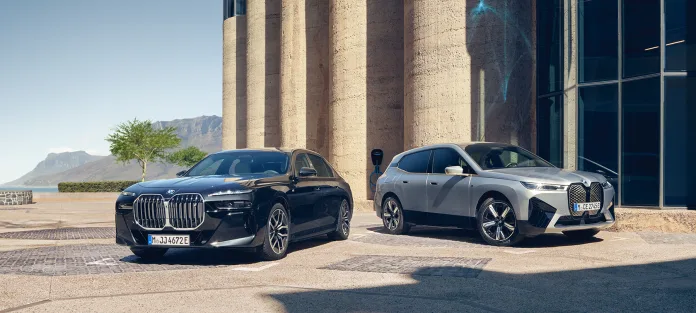

The luxury automobile landscape in India is witnessing an electric transformation, and BMW India is leading the charge with unwavering confidence. While competitors stumble, BMW’s President and CEO Hardeep Singh Brar remains steadfast on an ambitious goal: achieving 30% electric vehicle sales share before 2030—potentially even by 2027.
Table of Contents
The Electric Momentum Is Real
Picture this: a 246% year-on-year growth in just nine months. That’s not a typo. Between January and September 2025, BMW Group India delivered 2,509 electric vehicles, catapulting their EV portfolio to 21% of total sales. The iX1 compact SUV has become their electric poster child, followed closely by the luxurious i7 sedan.
“We have done well in the electric segment, and we would like to build on that further,” Brar confidently stated. “At this rate, we may do 30 per cent even before 2030.”
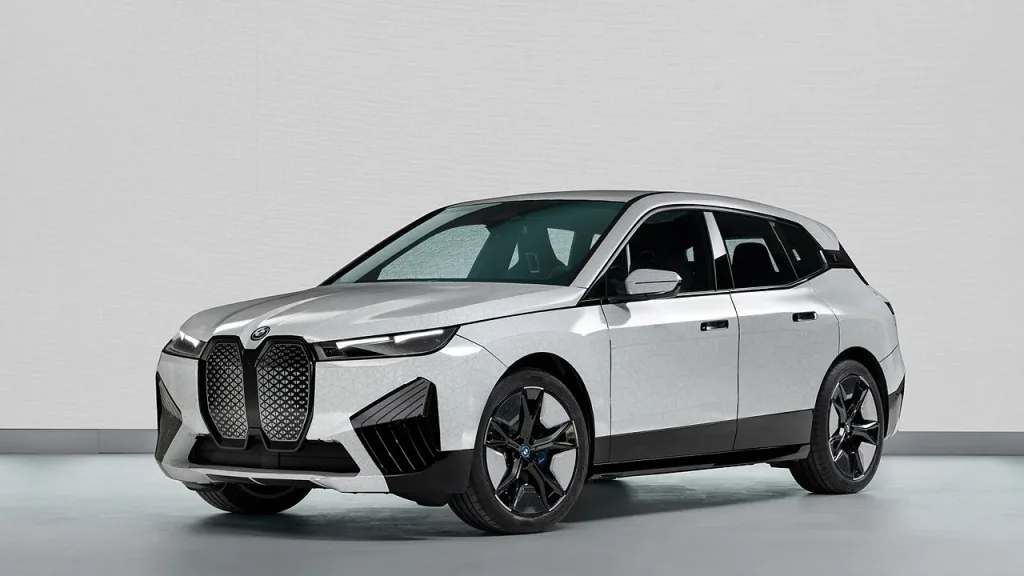
Why BMW Is Winning the Luxury EV Race
Record-Breaking Performance
BMW Group India isn’t just talking the talk—they’re driving the results:
| Performance Metric | Achievement | Growth |
|---|---|---|
| Q3 2025 Sales | 4,204 units | 21% YoY |
| Jan-Sep 2025 Total | 11,978 units | 13% YoY |
| EV Deliveries (9 months) | 2,509 units | 246% YoY |
| Current EV Share | 21% | Target: 30% |
Breaking the Luxury Barrier
What makes BMW’s strategy fascinating is their customer insight. Brar identifies a cultural shift happening in India: the guilt around luxury purchases is fading. “There are customers who feel guilty about indulging themselves, but that mindset is slowly changing,” he explained. “People feel that if I am working hard and earning well, why should I not indulge?”
This demographic—aged 25 to 45 with a propensity to spend—is BMW’s sweet spot. They’re not just buying cars; they’re investing in sustainable luxury.
BMW India Eyes 30% EV Share: The Strategy Behind the Success
Expanding Beyond Metro Cities
BMW isn’t content with just dominating Delhi and Mumbai. “We have to grow the network, because Tier 2, 3 is growing well, we need to get into those towns,” Brar revealed. This expansion strategy targets India’s emerging affluent class in smaller cities.
Making Luxury Affordable
Here’s where BMW gets clever: they’re working on finance initiatives to bridge the affordability gap. The message? “Owning a luxury car is not expensive. It is as affordable as mass premium.”
Local Manufacturing Edge
BMW has begun assembling the iX1 Long Wheelbase at its Chennai plant, making India the first right-hand-drive market globally to receive a locally assembled iX1. This localization strategy reduces costs and demonstrates long-term commitment to the Indian market.
The Complete Electric Portfolio
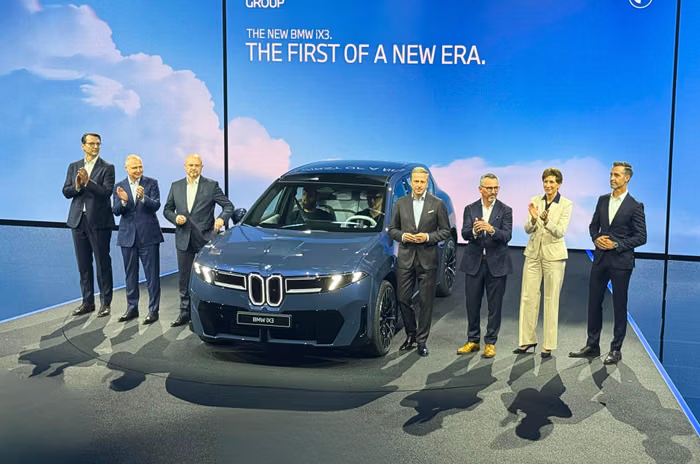
BMW’s EV lineup in India reads like a luxury wish list:
- i7 – The flagship luxury sedan
- iX – The premium electric SUV
- i5 – The executive electric sedan
- i4 – The sports sedan goes electric
- iX1 LWB – The compact SUV bestseller
- MINI Countryman E – Electric meets quirky British charm
Plus two electric scooters: the BMW CE 04 and CE 02.
What This Means for India’s EV Future
BMW’s confidence signals a broader transformation. They’ve surpassed 5,000 cumulative EV deliveries since entering the electric market in 2022. Their charging infrastructure now includes 51 DC fast chargers across dealerships, with plans for 250 destination chargers.
The data is telling: BMW’s 2,000+ EVs have collectively traveled over 6.4 million kilometers and been charged 68,000 times. Range anxiety? Largely unfounded, says BMW, with users averaging just four to five charges monthly.

The Bottom Line
BMW India’s electric ambition isn’t just about hitting targets—it’s about reshaping perceptions. In a country where luxury car sales remain minuscule compared to overall passenger vehicle sales, BMW is betting that electric vehicles will be the catalyst for explosive growth.
With the Indian luxury car market needing 13-14% annual growth to reach 100,000 units, BMW’s electric strategy might just be the accelerator this segment needs. As infrastructure improves and consumer preferences shift toward sustainable mobility, BMW’s 30% target isn’t just achievable—it might be conservative.
The future of luxury in India is electric, and BMW is firmly in the driver’s seat.

