

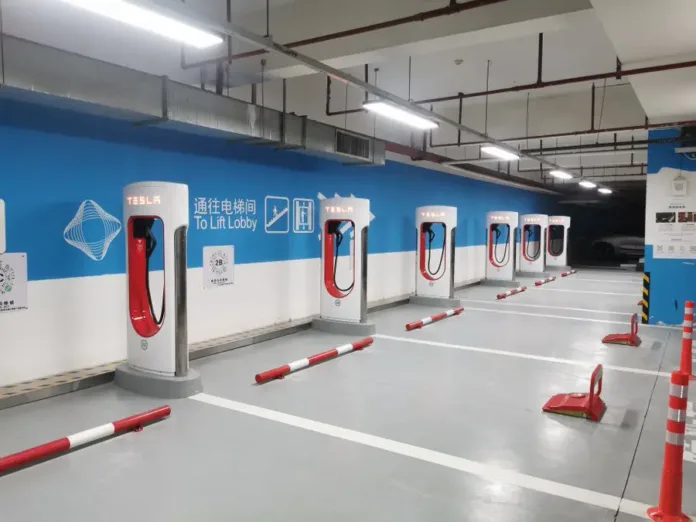

Picture this: a network so vast that it could power nearly every electric vehicle in North America several times over. That’s the reality China has built, and the numbers are staggering.
Table of Contents
The Infrastructure Revolution Nobody’s Talking About
China’s National Energy Administration just dropped some jaw-dropping figures that should make every country rethink their EV strategy. As of October 2025, China has deployed 18.645 million EV charging points across the nation—a massive 54% jump from last year.
But here’s where it gets interesting. This isn’t just about quantity; it’s about creating an ecosystem where range anxiety becomes a relic of the past.
Breaking Down the Numbers
| Charging Type | Number of Points | Year-Over-Year Growth |
|---|---|---|
| Public Charging | 4.533 million | +39.5% |
| Private Charging | 14.112 million | +59.4% |
| Total Network | 18.645 million | +54% |
The total registered power capacity? A mind-blowing 124 million kilovolt-amperes—enough to charge millions of vehicles simultaneously.
What This Means for EV Drivers
Here’s the real story behind the statistics: China currently has approximately 36.9 million new energy vehicles on its roads (including both pure electric and plug-in hybrids). Do the math, and you get:
- 2 vehicles per charging point overall
- 8 vehicles per public charging station
Compare that to many Western nations struggling to maintain even 10-15 cars per public charger, and you’ll understand why China’s EV adoption rate continues to accelerate.
The Secret Sauce: Private Charging Dominance
Notice something fascinating in the data? Private charging infrastructure is growing faster than public stations—a 59.4% increase versus 39.5%. This tells us something crucial: Chinese EV owners are installing home chargers at unprecedented rates, creating a sustainable foundation for long-term adoption.
This isn’t just about building stations—it’s about building confidence.
Why This Matters Globally
China’s charging infrastructure isn’t just a domestic achievement; it’s a blueprint for the world. When one nation proves that supporting tens of millions of EVs is logistically feasible, it demolishes the “infrastructure isn’t ready” argument that often stalls EV adoption elsewhere.
The implications ripple outward:
- Automakers see proof that large-scale EV production is viable
- Governments gain a roadmap for infrastructure investment
- Consumers watch range anxiety evaporate in real-time
The Race Nobody Saw Coming
While debates rage in other countries about whether to build more chargers, China simply built them. The 54% year-over-year growth isn’t slowing—it’s accelerating alongside EV sales that continue breaking records month after month.
Battery electric vehicles now comprise 69.2% of China’s new energy vehicle fleet, and with nearly 19 million charging points powering them, the infrastructure has caught up with—and perhaps surpassed—demand.
What’s Next?
As China barrels toward an all-electric future, the question isn’t whether other nations can match this infrastructure. The question is: how quickly can they catch up?
With private charging leading the growth and public networks expanding strategically, China has created a self-reinforcing cycle where infrastructure enables adoption, which drives more infrastructure investment, which encourages even more EV purchases.
The global EV revolution isn’t coming—it’s already here. And it’s being powered by 18.5 million charging points and counting.

