

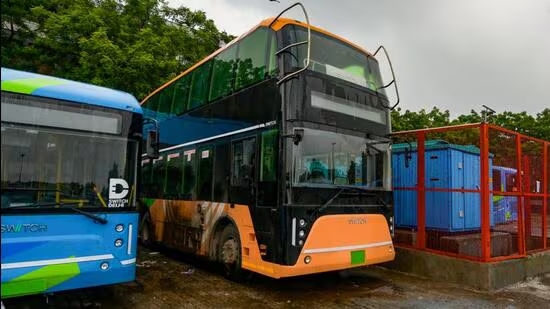

After 35 years of absence, double-decker buses are making their comeback to Delhi’s streets—but there’s a catch. The city’s only electric double-decker won’t be your daily commute option. Instead, it’s heading straight for the tourist circuit, and the reason why reveals fascinating challenges about modernizing India’s capital.
Table of Contents
Why Not City Streets? The Infrastructure Reality
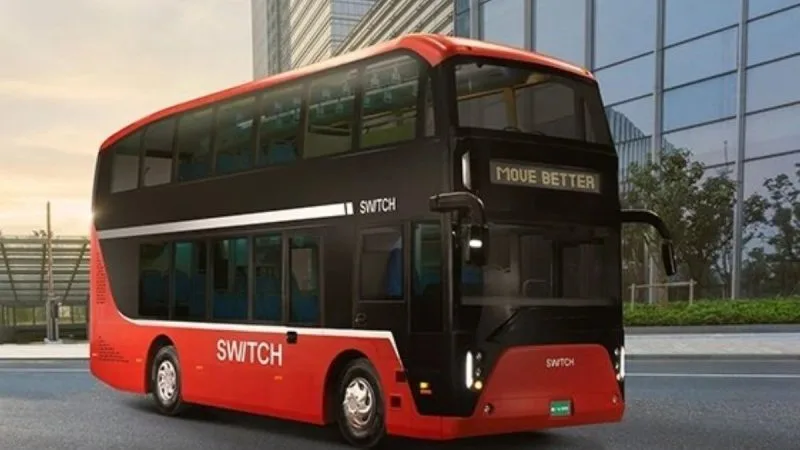
Delhi Transport Corporation (DTC) has handed over its sole electric double-decker bus to the Tourism Department, citing logistical challenges that prevent its use on regular city routes.
Think of it like trying to fit a giraffe through doorways designed for humans. The numbers tell the story:
Double-Decker vs. Regular Bus Comparison:
| Feature | EV Double-Decker | Standard DEVi Bus |
|---|---|---|
| Height | 4.75 meters | ~3 meters |
| Length | 9.8 meters | 9 meters |
| Capacity | 63 passengers | ~25 passengers |
| Daily Trips | 1-2 (tourist routes) | Multiple (city routes) |
Officials are carefully mapping routes, measuring tree canopies, and checking overbridge clearances and overhead wires. Delhi’s infrastructure simply wasn’t built for these towering vehicles. Narrow lanes, low-hanging branches, height-restricted bridges, and electric wires create an obstacle course that makes daily operations impractical.
The Tourist Solution: Delhi Darshan Revival
Here’s where it gets interesting. The tourism circuit offers a more feasible environment for the double-decker, as the bus will make only one or two trips per day along designated tourist paths, avoiding heavy urban traffic challenges.
The Delhi Darshan service will showcase iconic landmarks:
- Red Fort
- Humayun’s Tomb
- Qutub Minar
- Chandni Chowk
- Connaught Place
- India Gate
These routes avoid internal roads, making them perfect for the bus’s size limitations while offering tourists that coveted upper-deck view of Delhi’s heritage.
A Walk Down Memory Lane
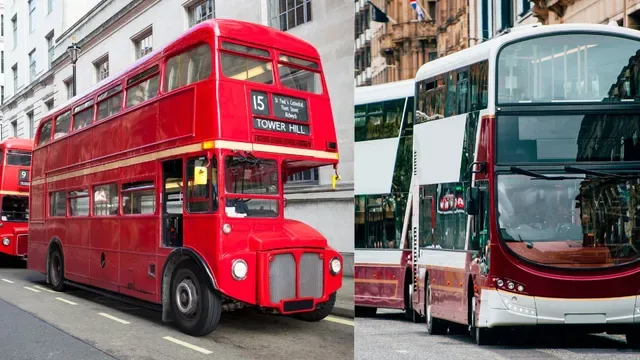
For Delhiites over 40, double-deckers carry nostalgia. From the 1970s to the late 1980s, double-decker buses operated on select routes like Sarojini Nagar to Karol Bagh and Jama Masjid to Qutub Road under the name ‘Suvidha’. Children fought for upper-deck seats, where breezes and panoramic views made every journey an adventure.
They were phased out in 1989 as the city transitioned to the CNG fleet, and as private vehicles like the Maruti 800 became more affordable. Previous revival attempts during the 2010 Commonwealth Games and 2022 G20 Summit failed to materialize—until now.
The Electric Advantage
This isn’t just nostalgia—it’s sustainable tourism. The new double-decker is fully electric, offering:
- Zero tailpipe emissions
- Air-conditioning throughout
- Modern safety features
- CCTV monitoring
- Multilingual audio guides
Tickets are expected to be priced at INR 500 per adult and INR 300 for children aged six to twelve, while children under six travel free. Each stop allows at least an hour for exploration, making it a genuine sightseeing experience rather than just transport.
What’s Next?
Delhi plans to induct over 8,000 electric buses by 2025, creating a cleaner, greener public transport system. Currently, over 3,500 electric buses already operate in Delhi, with that number expected to cross 6,000 by year’s end.
If the tourist circuit proves successful, theme-based routes might follow—heritage circuits, market tours, food trails, and cultural expeditions. But regular city service for double-deckers? That would require massive infrastructure upgrades: raising bridges, trimming trees, reconfiguring wires, and widening narrow lanes.
The Verdict
Delhi’s electric double-decker represents smart compromise. Rather than forcing an oversized vehicle into undersized infrastructure, the city is leveraging its unique appeal where it works best—tourism.
This marks the return of double-decker buses to Delhi after decades, now as a tourist attraction rather than part of the city’s standard transport fleet.
For tourists, it’s a win—an iconic, eco-friendly way to see Delhi’s landmarks. For daily commuters hoping to relive childhood memories on their morning commute? The upper deck will have to wait for another day, or perhaps another 35 years.
Sometimes, the best way forward is knowing when to adapt rather than replicate the past.

