

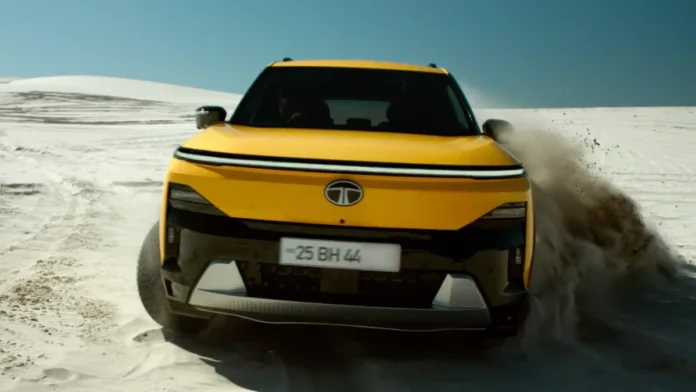

3 New Electric SUV, the year-end is about to get electrifying. Three brand-new electric SUVs are preparing to hit Indian roads before December closes, and they’re bringing serious firepower to challenge the current EV hierarchy.
Whether you’re eyeing Mahindra’s spacious 7-seater, Maruti’s first-ever electric attempt, or Tata’s comeback with the iconic Sierra nameplate, there’s something brewing for every budget and preference. Here’s everything you need to know about these game-changing launches.
Table of Contents
3 New Electric SUV: The Electric Trio Coming Your Way
| Model | Launch Date | Price Range | Battery Options | Expected Range |
|---|---|---|---|---|
| Mahindra XEV 9S | Nov 26, 2025 | ₹23-34 lakh | 59kWh / 79kWh | 450 km |
| Maruti e Vitara | Dec 2, 2025 | ₹18-24 lakh | 49kWh / 61kWh | 400-450 km |
| Tata Sierra EV | Late Dec 2025 / Jan 2026 | ₹19-25 lakh | 55kWh / 65kWh | 400-450 km |
Mahindra XEV 9S: The Flagship 7-Seater Beast
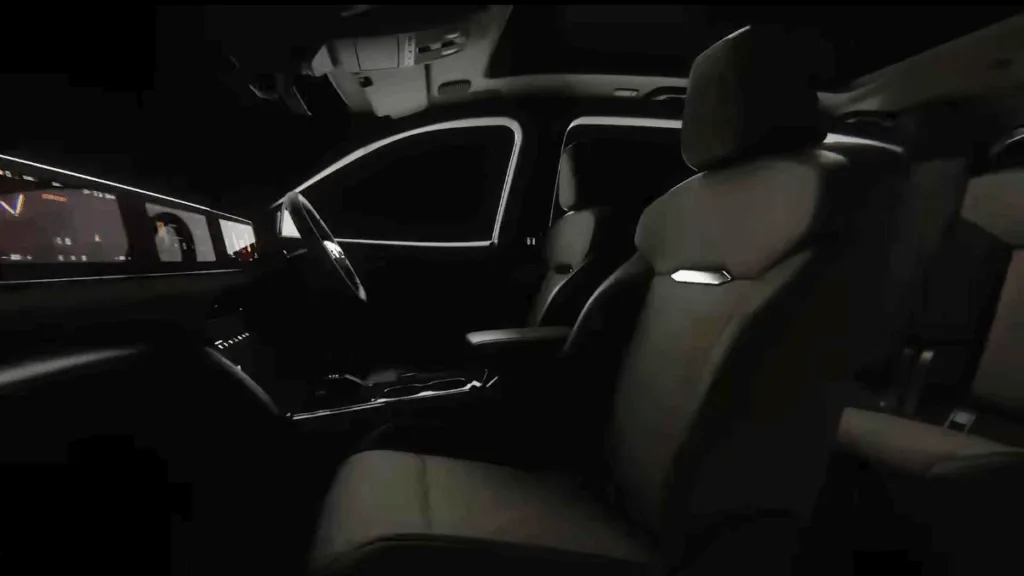
First up on November 26 is Mahindra’s most ambitious electric SUV yet. The XEV 9S isn’t just another addition—it’s their flagship, built to dominate the 7-seater electric space where competition barely exists.
Riding on Mahindra’s skateboard INGLO platform, this SUV screams premium from every angle. It sits above the sleek XEV 9e coupe in their lineup, commanding a ₹2-3 lakh premium for good reason.
What makes it special? The dual-motor AWD setup promises thrilling performance, while the 79kWh battery variant should deliver a realistic 450km range. For families tired of cramming into 5-seaters, this could be the electric answer they’ve been waiting for.
Positioned between ₹23-34 lakh, the XEV 9S aims straight at buyers who want space, luxury, and zero emissions without compromise.
Maruti e Vitara: The Affordable Game-Changer
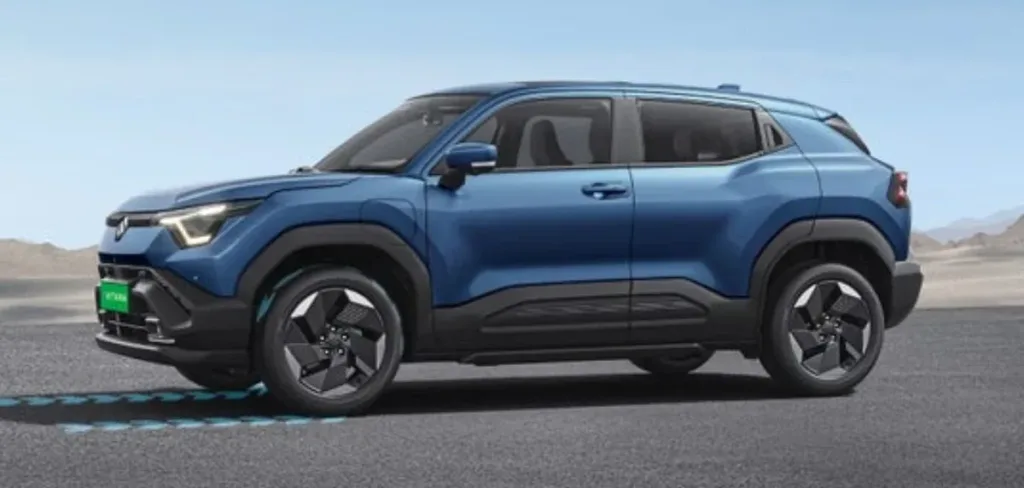
December 2 marks a historic moment: Maruti Suzuki finally enters the electric SUV arena. For a brand that’s dominated Indian roads for decades with petrol cars, the e Vitara represents a bold new chapter.
Priced between ₹18-24 lakh, this is Maruti’s smartest play yet—undercutting competitors while bringing their legendary reliability badge into the EV world.
The practical choice: Base variants pack a 49kWh battery for city warriors, while higher trims offer 61kWh for weekend explorers. All models come with a front-axle motor, though global versions flaunt dual-motor AWD (fingers crossed it comes to India later).
With 400-450km range promised, the e Vitara directly challenges the Hyundai Creta Electric and Mahindra BE 6. But here’s Maruti’s secret weapon: their massive service network. Range anxiety meets service confidence—a combination that could reshape buyer decisions.
Tata Sierra EV: Nostalgia Meets Innovation
The last entry is the most emotional one. Tata is resurrecting the legendary Sierra name, and the electric version is arriving late December or early January 2026.
Remember the original Sierra from the ’90s? That boxy, bold SUV that turned heads everywhere? The new one promises that same swagger, but running on Tata’s modern Acti.ev architecture—the same foundation powering the successful Curvv EV.
Battery flexibility matters: Expect a 55kWh option borrowed from the Curvv EV for the base model, with a beefier 65kWh pack from the Harrier EV for range enthusiasts. Top variants might even get dual-motor AWD for those who crave adventure.
Priced around ₹19-25 lakh, the Sierra EV slots perfectly between affordable and premium. It’s targeting the same crowd as Creta Electric and BE 6, but with something competitors don’t have: heritage.
Why This December Matters for EV Buyers
This isn’t just about three launches—it’s about momentum. India’s EV market has been dominated by Tata Motors for too long, with others struggling to catch up. Now, the floodgates are opening.
Competition breeds innovation. With Mahindra pushing luxury, Maruti democratizing EVs, and Tata playing the nostalgia card, buyers finally have real choices beyond the usual suspects.
Price wars are coming. When three strong players launch within weeks of each other, discounts and offers aren’t far behind. Early 2026 might be the best time to negotiate your EV deal.
Range anxiety is fading. All three promise 400-450km ranges—enough for most weekly routines without charging stress. Combine that with expanding charging infrastructure, and EVs are finally feeling practical for mainstream buyers.
The Bottom Line
December 2025 isn’t just closing the year—it’s opening a new chapter in India’s electric journey. Whether you need family space (XEV 9S), trusted value (e Vitara), or iconic style (Sierra EV), your perfect electric SUV is finally arriving.
The real question isn’t which one will succeed. It’s whether traditional automakers can keep up with this electric acceleration.
Your move, petrol lovers.

