

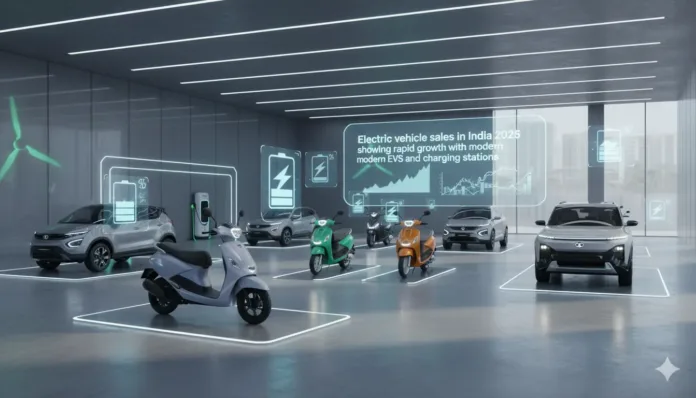

Trichy is experiencing an electric vehicle revolution, but there’s a catch—the charging infrastructure can’t keep up. While EVs are zooming off showroom floors at record speed, EV owners are finding themselves in a frustrating game of musical chairs when it comes to finding available charging points.
The city’s transformation into an EV-friendly destination faces a critical bottleneck: despite being one of Tamil Nadu’s priority cities for EV infrastructure development, Trichy currently has only around 25 public charging stations serving a rapidly growing fleet of electric vehicles.
Table of Contents
The Numbers Tell the Story
Trichy currently has approximately 25 EV charging stations, a number that seems impressive until you consider the surge in electric vehicle adoption across the city. Trichy is among six priority cities identified by the Tamil Nadu government for building robust EV charging networks, alongside Chennai, Coimbatore, Salem, Madurai, and Tirunelveli.
Tamil Nadu leads India’s EV manufacturing sector, accounting for 46% of the country’s total electric vehicle production. This manufacturing prowess has naturally sparked local interest in EV adoption, but the supporting infrastructure hasn’t scaled proportionally.
Tamil Nadu’s Ambitious Vision
| Target | Timeline | Details |
|---|---|---|
| EV Charging Stations | By 2025 | 2,500 stations statewide |
| Investment Goal | By 2025 | Rs 50,000 crore ($6 billion) |
| Job Creation | By 2025 | 150,000 new positions |
| EVs Registered | As of 2021 | Over 50,000 vehicles |
Tamil Nadu plans to install 2,500 EV charging stations by 2025, with charging stations mandated at 25-kilometer intervals on both sides of National and State Highways. The state aims to create a comprehensive grid with charging infrastructure in commercial buildings, hotels, shopping malls, and apartments.
The Real-World Experience
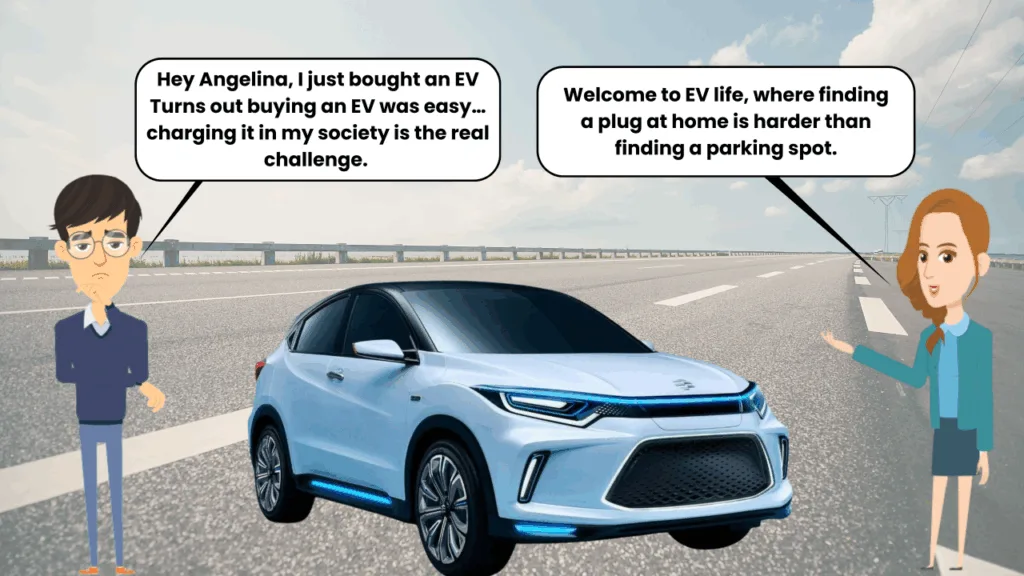
What does this shortage mean for Trichy’s EV owners? Picture this: You’ve planned to charge your vehicle at 7 PM, booked your slot through an app, and arrive on time—only to find another car still plugged in. You wait. You call customer support. The other driver needs to be contacted and convinced to move their vehicle. Ten minutes pass before you can finally start your charging session.
This scenario isn’t hypothetical—it’s the reality shared by EV owners navigating charging stations like the one at Courtyard by Marriott in Trichy, where slots are precious and delays are common.
Most electric cars can charge in about one hour when plugged into a 50kW DC fast charger, but that’s assuming you can access one without waiting.
Why the Gap Exists
The infrastructure gap stems from multiple factors. While Tamil Nadu’s Industries Minister TRB Rajaa has emphasized concentrating heavily on charging infrastructure, translating policy into physical charging stations takes time, investment, and coordination.
The government is willing to help companies establish infrastructure and share costs in certain zones. One innovative approach involves installing charging stations near electricity sub-stations to solve part of the problem, ensuring adequate power supply without requiring extensive new electrical infrastructure.
The Chennai-Trichy E-Highway Initiative
There’s hope on the horizon. The National Highways for Electric Vehicles program conducted its Tech Trial Run-III from Chennai to Trichy, flagged off on World EV Day, September 9, 2024. This 332-kilometer pilot corridor is part of India’s broader plan to create 5,500 kilometers of e-highways.
These initiatives demonstrate government commitment, but execution must accelerate to match EV adoption rates.
What Major Players Are Doing
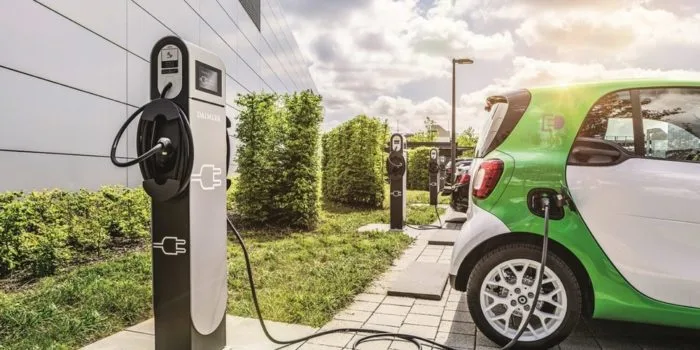
Companies like Tata Power, Charge Zone, Zeon Charging, and Plugzmart are establishing footholds in Trichy. Charging costs in Tamil Nadu’s public fast charging stations range between Rs 50 to Rs 350, depending on vehicle type and units consumed.
However, the number of operators and their charging points remain insufficient for the growing demand.
The Road Ahead
For Trichy to truly embrace electric mobility, several things must happen quickly:
Aggressive Infrastructure Deployment The city needs to at least triple its current charging infrastructure within the next year to keep pace with EV sales growth.
Strategic Location Planning Charging stations should be prioritized in high-traffic areas—shopping districts, business centers, residential complexes, and along major roads connecting Trichy to neighboring cities.
Private Sector Participation Provisions for charging stations in commercial buildings, hotels, malls, and apartments need enforcement and incentives to encourage private investment.
User Education EV owners need better tools to locate available charging stations and understand pricing, helping them plan journeys with confidence.
The Bottom Line
Trichy stands at a crossroads. The city’s embrace of electric vehicles demonstrates environmental consciousness and technological progressiveness. But without matching infrastructure development, early adopters face unnecessary inconvenience, potentially discouraging others from making the switch.
The minister has acknowledged that charging infrastructure will help solve the mental block of those wanting to purchase EVs—and he’s absolutely right. Range anxiety isn’t just about battery capacity; it’s about knowing you can charge when and where you need to.
The EV boom in Trichy is real and accelerating. Now it’s time for the infrastructure to catch up.

