

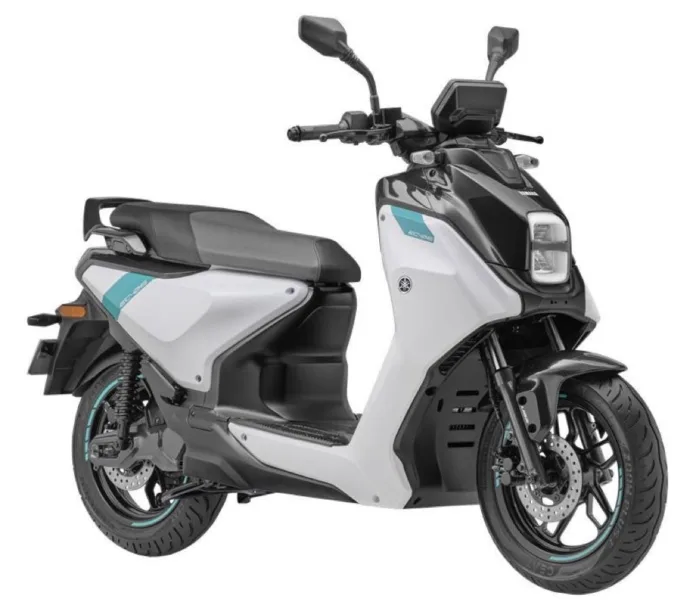

The last major holdout just made its move. Yamaha—the brand synonymous with YZF-R15s and FZ series bikes—finally unveiled its electric scooters for India. After watching rivals like Bajaj, Hero, Honda, TVS, and Suzuki stake their claims in India’s EV market, Yamaha isn’t playing catch-up. They’re going premium.
Table of Contents
Two Scooters, Two Strategies
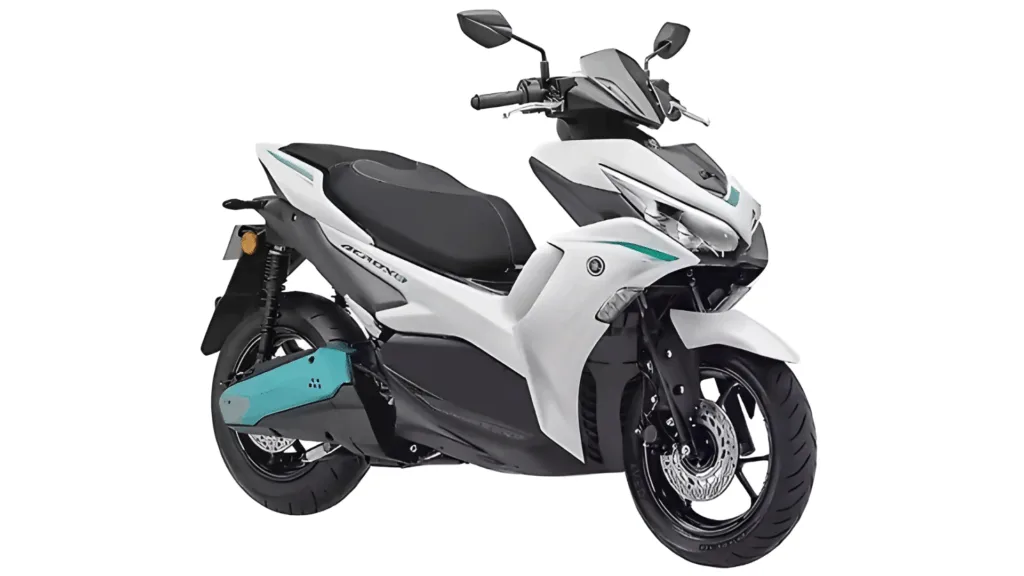
Yamaha announced two electric scooters: the AEROX-E Performance EV and the EC-06, both slated for early 2026 launch in India’s top four cities where EV adoption has gained traction. But here’s what makes this interesting—they’re targeting completely different riders.
AEROX-E: The Performance Beast
The AEROX-E is powered by a 9.4 kW peak power motor delivering 48 Nm of torque, equipped with dual detachable 3kWh batteries and a certified range of 106km. This isn’t a commuter scooter pretending to be sporty—it’s built from Yamaha’s Maxi Sports DNA.
The scooter features multiple riding modes—Eco, Standard, Power—plus a Boost function for rapid acceleration and quick pick-up. Think of it as the electric successor to the Aerox 155, which redefined India’s premium scooter segment.
EC-06: The Commuter’s Dream
The EC-06 targets everyday commuters with a 4.5kW motor and fixed 4kWh battery delivering a generous 160km certified range, putting it on par with the standard Ather. It offers 24.5L under-seat storage and can charge at home using a standard plug in around 9 hours.
Developed in collaboration with River Mobility, the EC-06 is based on the River Indie and will be manufactured locally at River’s production facility in Hoskote, Karnataka.
| Model | Motor Power | Battery | Range | Target Segment |
|---|---|---|---|---|
| AEROX-E | 9.4 kW (peak) | Dual 3kWh (detachable) | 106 km | Performance riders |
| EC-06 | 4.5 kW | 4kWh (fixed) | 160 km | Daily commuters |
| Ather 450X | 6.4 kW | 3.7 kWh | 146 km | Premium urban |
| Ola S1 Pro | 11 kW | 4 kWh | 181 km | Performance urban |
The Bigger Play: 10 Models by 2026
It plans to introduce ten new models, including electric scooters, in India by 2026, as part of their growth strategy focusing on premium segments. This isn’t just about EVs—it’s about capturing India’s growing middle-income class.
The company is expanding its premium segment with the XSR155, adding to the existing R15 and MT15 lineup. Alongside the electric push, Yamaha launched the FZ-RAVE in the deluxe segment and the neo-retro XSR155.
Premium Positioning: Smart or Late?
Eishin Chihana, Chairman of Yamaha Motor India Group, stated that the company’s electric roadmap focuses on “premium performance, advanced technology, and sustainability,” rather than competing in the budget EV space.
Translation: Yamaha won’t fight price wars. They’re betting Indian riders will pay more for Japanese engineering, proven reliability, and premium features.
But is this strategy too late? The electric two-wheeler market in India has slowed considerably compared to 2024, plagued by supply chain disruptions and the withdrawal of government subsidies that previously incentivised adoption.
It Motor India Group Chairman Itaru Otani acknowledged these headwinds but stressed that Yamaha is prioritising a “step-by-step process” to establish a firm footing in India, focusing on quality products and strong sales-and-service networks.
What Sets Yamaha Apart
Technology Integration: The AEROX-E features a smart key system and conveniently positioned external charging port, combining Yamaha’s design language with cutting-edge electric technology.
Home Charging Advantage: Both models support standard home charging, eliminating the anxiety around finding public chargers for daily use.
Manufacturing Leverage: Yamaha aims to utilise its 15 lakh-unit annual manufacturing capacity more effectively across its Indian facilities in Uttar Pradesh and Tamil Nadu.
Build Quality Promise: Yamaha’s reputation for reliability and after-sales service gives them credibility that many EV startups lack.
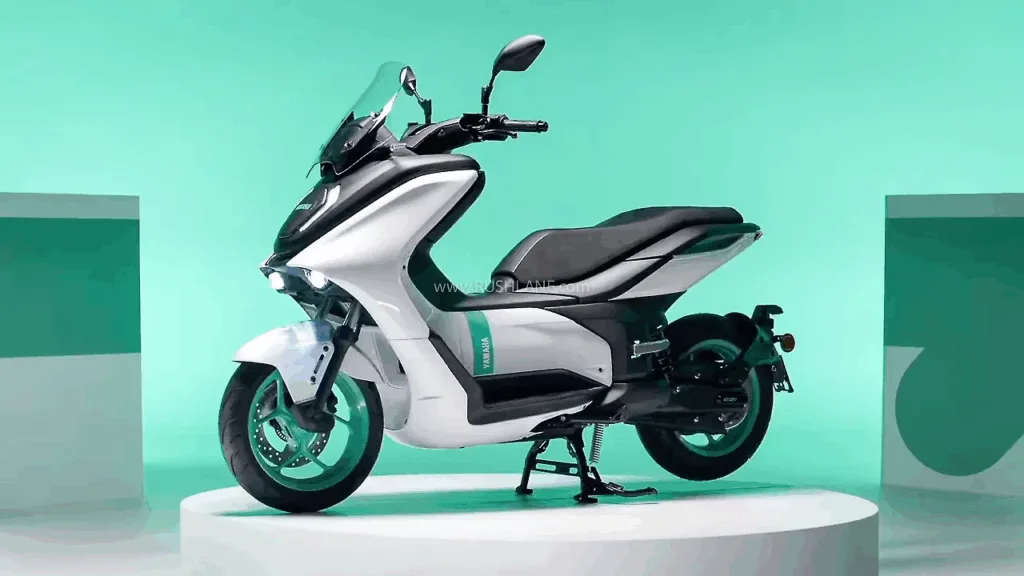
The India Strategy
Itaru Otani highlighted that India’s growing middle-income class is driving the two-wheeler market’s expansion, emphasising that India is crucial to Yamaha’s global growth strategy.
The phased rollout makes sense. Start in metro cities with charging infrastructure, build brand recognition, gather feedback, then expand nationwide. It’s conservative but calculated.
Pricing and market rollout details are expected in the first quarter of 2026, giving Yamaha time to gauge market response to competitor pricing and subsidy changes.
Can Yamaha Win the Premium EV Race?
Yamaha enters a market where Ather has built cult status, Ola has captured volume with aggressive pricing, and traditional rivals already have established EV portfolios. But they have advantages:
Brand Loyalty: Millions of Indians learned to ride on Yamaha bikes. That emotional connection matters.
Dealer Network: Yamaha’s extensive service network solves the biggest EV concern—what happens when it breaks?
Performance DNA: The AEROX-E channels genuine sports heritage, not marketing speak.
Manufacturing Scale: Local production keeps costs competitive while maintaining quality.
The question isn’t whether it can build good electric scooters—it’s whether they can convince petrol bike loyalists to make the switch at premium prices.
The Verdict
Yamaha’s 2026 EV launch represents calculated ambition. Under its “The Call of the Blue” campaign, Yamaha is targeting rapid electrification without compromising its premium identity.
They’re not chasing volume. They’re chasing value-conscious performance riders who want electric efficiency without sacrificing the riding experience.
If It can deliver on build quality, range promises, and after-sales support, the premium EV segment might finally have a Japanese rival worthy of the Ather vs. Ola debates.

