

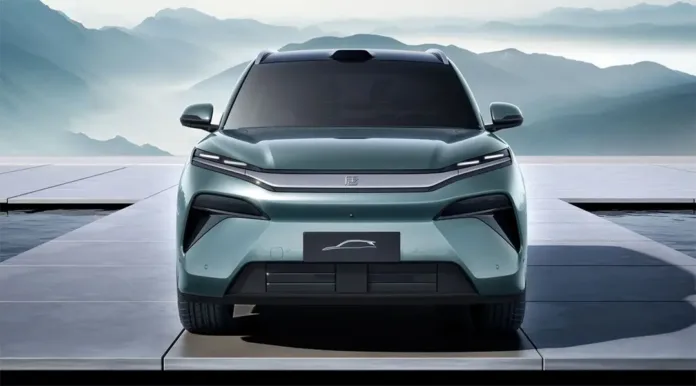

BYD EVs , the electric vehicle revolution just got real in Australia. For the first time, EVs aren’t just competing with petrol cars—they’re actually cheaper upfront. BYD has shattered the price barrier that’s kept many Australians stuck in gas-guzzlers, and the implications are massive.
Table of Contents
The Price Revolution Nobody Saw Coming
Picture this: You walk into a showroom in Sydney, and an electric car costs less than the Toyota Yaris you were eyeing. That’s not a dream anymore—it’s reality.
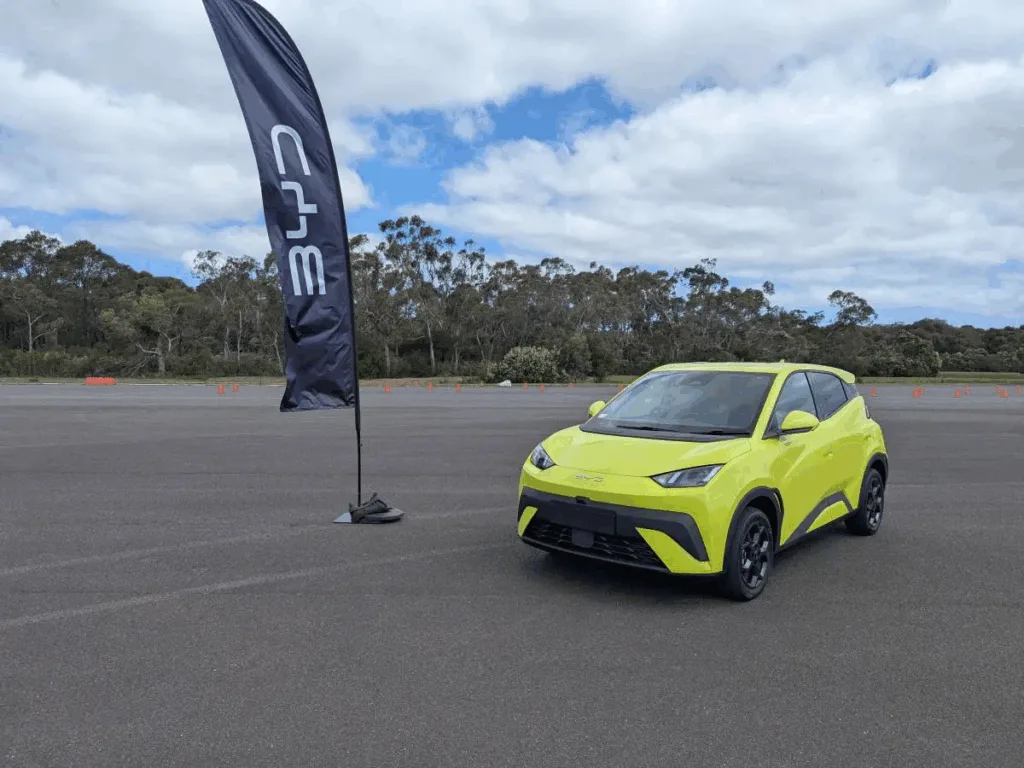
BYD recently dropped two absolute game-changers in the Australian market. The ATTO 1, their compact electric hatchback, starts at just $23,990 AUD ($15,661 USD). When you factor in all the on-road costs for Sydney, you’re looking at $26,532 AUD—dramatically undercutting the hybrid Toyota Yaris at $32,790 AUD and even the petrol-powered Mazda 2 at $28,990 AUD.
But here’s where it gets interesting.
Small SUV, Big Impact
The BYD ATTO 2, a small SUV that’s perfect for Australian families, lands at $31,990 AUD before fees. With everything included, Sydney buyers pay $34,772 AUD—less than the Toyota Yaris Cross hybrid ($35,741 AUD) and the Mazda CX-30 ($35,990 AUD).
Let that sink in. An electric SUV now costs less than comparable petrol models.
| Model | Type | Sydney Price (AUD) |
|---|---|---|
| BYD ATTO 1 | Electric | $26,532 |
| Toyota Yaris | Hybrid | $32,790 |
| Mazda 2 | Petrol | $28,990 |
| BYD ATTO 2 | Electric | $34,772 |
| Toyota Yaris Cross | Hybrid | $35,741 |
| Mazda CX-30 | Petrol | $35,990 |
Why This Changes Everything
For years, the conversation around EVs has been dominated by one objection: “They’re too expensive upfront.” That argument just evaporated.
The beauty of price parity isn’t just about numbers on a sticker. It’s about removing the mental barrier that’s prevented millions from making the switch. When electric costs the same (or less) than petrol upfront, and saves you money on fuel and maintenance, the decision becomes obvious.
Government subsidies? Nice to have, but no longer necessary. This is pure market competition at work.
Better Specs, Lower Price
Here’s the kicker: BYD’s vehicles aren’t just cheaper—they’re reportedly better equipped than their petrol competitors. You’re getting more car for less money. It’s the classic disruption playbook: offer superior value and watch the old guard scramble.
What Happens Next?
When one company breaks the price ceiling, others follow. BYD’s pricing strategy will likely roll out across their entire Australian lineup, forcing competitors to respond or lose market share.
The ripple effects are profound:
For consumers: You can now choose based on what you actually want, not what you can barely afford. Prefer the instant torque of electric? The silence? The lower running costs? You’re no longer paying a premium for those benefits.
For the market: Competition shifts from “how cheap can we go?” to “how good can we make it?” Expect rapid innovation in battery technology, charging speed, range, and features.
For Australia: We might see China-level EV adoption rates sooner than anyone predicted. In China, where price parity exists, EVs dominate new car sales. Australia could be next.
The Road Ahead
While these prices still exceed China’s domestic market, the gap is shrinking fast. BYD’s European version of the ATTO 1 suggests they’re finding a sweet spot between Chinese efficiency and Western market expectations.
The affordability barrier that held back EV adoption for over a decade? It’s crumbling before our eyes. And once it falls completely, there’s no going back.
For Australian car buyers, the question is no longer “Can I afford an EV?” It’s “Why would I buy anything else?”

