

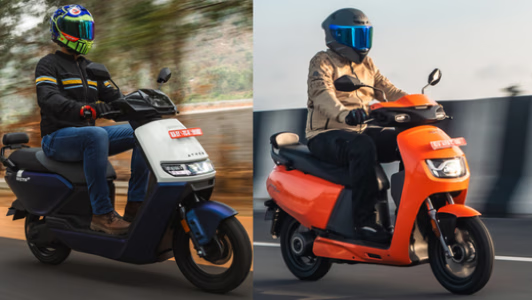

Ather Rizta , Here’s a question every family faces today: Should you stick with the tried-and-tested petrol scooter that’s been India’s household favorite for decades, or take the leap into the electric future? The battle between Ather Rizta at ₹1,34,632 and TVS Jupiter at ₹78,502 isn’t just about technology—it’s about choosing between tradition and transformation.
Table of Contents
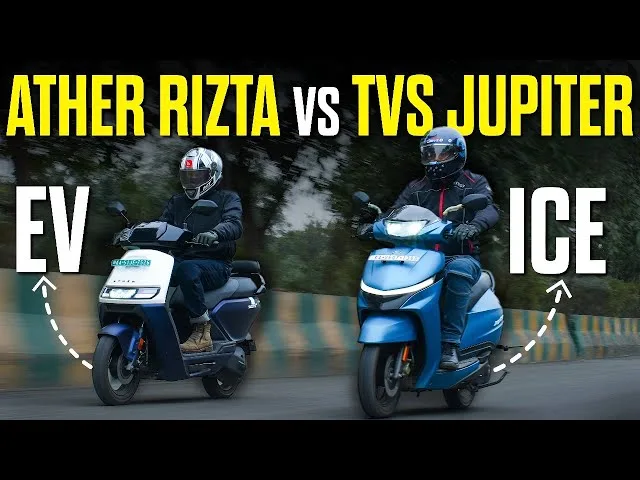
The Price Paradox: Cheaper Isn’t Always More Affordable
At first glance, the TVS Jupiter seems like the obvious winner with its wallet-friendly price tag. But here’s where things get interesting: on-road prices are much closer in certain states thanks to EV subsidies and reduced road tax charges, with certain higher-spec Jupiter models even costing more than the base Rizta.
Translation? Your decision shouldn’t be based solely on the showroom sticker price.
Head-to-Head: Electric vs Petrol Showdown
| Specification | Ather Rizta | TVS Jupiter 110/125 |
|---|---|---|
| Price (Ex-showroom) | ₹1,10,000 – ₹1,45,000 | ₹73,700 – ₹95,000 |
| Fuel Type | Electric | Petrol |
| Range/Mileage | 125-160 km per charge | 50+ km/liter |
| Power Output | 7.91 bhp | 7.8 bhp (110cc) / 8.15 bhp (125cc) |
| Torque | Instant electric torque | 10.5 Nm (125cc) |
| Boot Space | 34 liters | 33 liters |
| User Rating | 4.5/5 | 4.6/5 (110cc) / 4.3/5 (125cc) |
| Charging Time | 4-5 hours (home) | 2 minutes (fuel station) |
Real-World Performance: What Actually Matters
The Rizta provides smooth rides with lots of space for helmets and groceries, perfect for family use with two adults and backpacks, delivering around 130 km range per charge. The acceleration is instant—that classic electric torque that makes city riding effortless.
The TVS Jupiter, on the other hand, delivers consistent, predictable performance. Users who drove long distances from Delhi to Dehradun found it very comfortable with sufficient power to ride in hills. It’s not thrilling, but it’s reliable.
For city commuting: Ather Rizta wins with instant torque and silent operation.
For highway trips: TVS Jupiter takes the lead with unlimited range and quick refueling.
The Cost Reality Over 5 Years
Let’s do the math that dealerships won’t show you:
Ather Rizta (5-year ownership):
- Purchase price: ₹1,34,000
- Electricity cost (30 km/day): ₹18,000
- Maintenance: ₹10,000
- Total: ₹1,62,000
TVS Jupiter (5-year ownership):
- Purchase price: ₹78,500
- Petrol cost (30 km/day @ ₹100/liter): ₹1,10,000
- Maintenance: ₹25,000
- Total: ₹2,13,500
The Ather Rizta actually saves you ₹51,500 over five years despite the higher initial price. That’s not pocket change—that’s a vacation fund.
Features: Old School vs New School
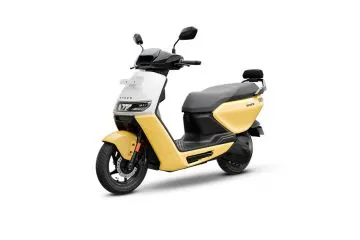
Ather Rizta’s Modern Arsenal:
- 7-inch touchscreen with navigation
- Magic Twist throttle for easy riding
- Ather Grid charging network across localities for fast charging
- Remote diagnostics and OTA updates
- Predictive maintenance alerts
TVS Jupiter’s Proven Practicality:
- Largest-in-segment underseat storage
- USB charging port
- External fuel filler cap
- LED headlamp with DRL
- Budget-friendly pricing with better storage in the segment
Service Network: The Elephant in the Room
80% of users chose TVS Jupiter 125 over Ather Rizta in a survey, and service accessibility is a major reason why. TVS has thousands of service centers across India, even in remote areas. Need a spare part in a small town? TVS has you covered.
Ather’s network is growing fast but still concentrated in major cities. If you live outside metro areas, this could be a dealbreaker.
Who Should Buy What?
Choose Ather Rizta if:
- Your daily running is not more than 30km and you have the option of charging at home
- You’re environmentally conscious
- Lower running costs matter more than upfront price
- You live in a city with good charging infrastructure
- Silent, smooth riding appeals to you
Choose TVS Jupiter if:
- You need long-range flexibility without planning
- Service accessibility is crucial
- You prefer proven, traditional technology
- Highway trips are frequent
- You’re skeptical about EV infrastructure
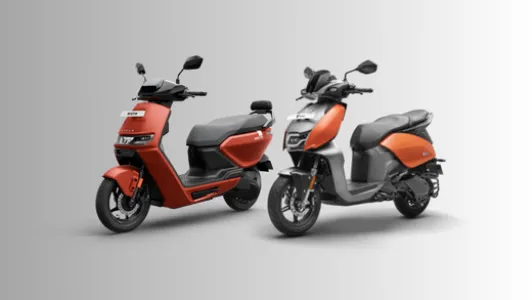
Real User Experiences Speak Volumes
One Rizta owner praised: “The ride is super smooth with lots of space for helmet and groceries. It easily fits two adults with backpacks and provides around 130 km range per charge. Excellent for daily commuting.”
A Jupiter user shared: “I’ve been riding this scooter for almost 9 years. I bought my first TVS Jupiter in 2016… I was so amazed with the performance and mileage that after 4-5 years I bought another TVS Jupiter.”
That’s loyalty money can’t buy.
The Honest Verdict
Users rate Rizta as the winner for mileage, comfort, maintenance, and features, while Jupiter performs better on the grounds of performance.
This isn’t about which scooter is objectively better—it’s about which fits YOUR lifestyle. The Ather Rizta is the future: cleaner, smarter, and cheaper to run. The TVS Jupiter is the present: proven, accessible, and worry-free.
If you’re ready to embrace electric mobility with proper home charging setup and city-centric usage, the Ather Rizta offers superior long-term value. But if reliability, service network, and range flexibility matter more, the TVS Jupiter remains the safe, sensible choice.
Both will get you from point A to B reliably. The question is: which journey do you want to be on?

