


David just showed up to fight Goliath. And he’s brought a factory. When Tesla finally arrived in India in July 2025 after years of anticipation, everyone assumed Elon Musk would waltz into dominance. After all, this is Tesla—the brand that made electric cars cool, desirable, and a status symbol worldwide.
But there’s a plot twist. A Vietnamese upstart called VinFast is not just competing with Tesla—it’s actually outselling the American giant during India’s crucial festive season. Welcome to the most unexpected battle in India’s electric revolution.
Table of Contents
The Numbers Tell a Surprising Story
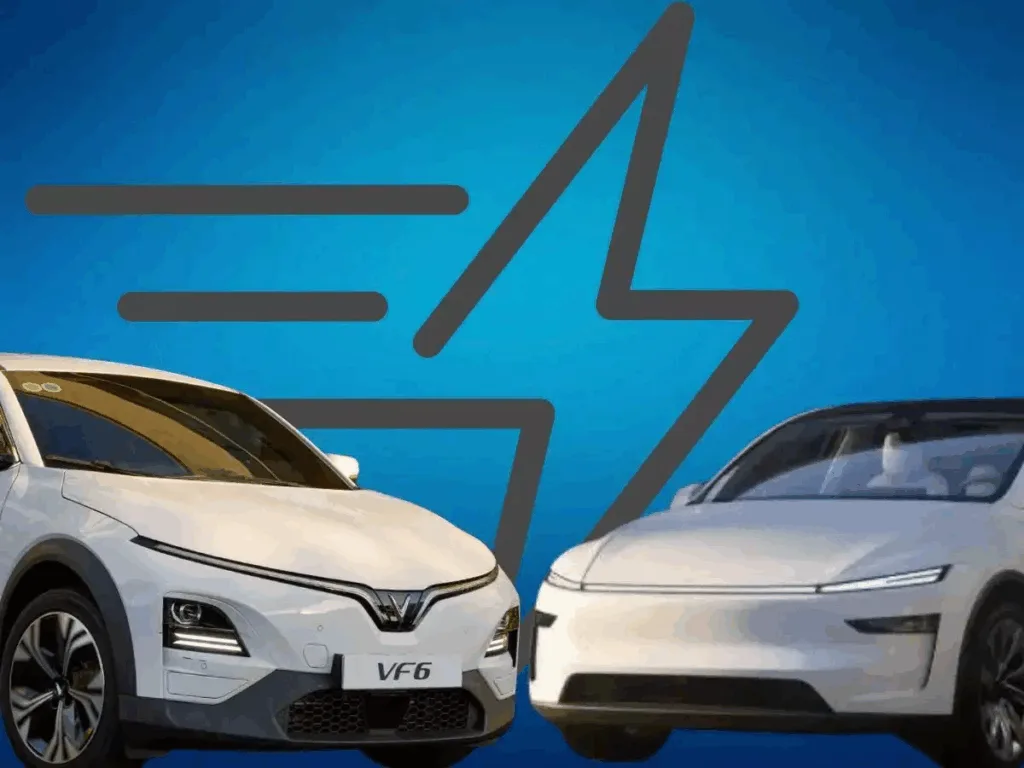
Let’s talk facts. During September-October 2025, VinFast sold 137 cars while Tesla managed 109—a narrow but symbolically massive victory for the Vietnamese automaker that most Indians had never heard of until this year.
| Metric | Tesla | VinFast |
|---|---|---|
| Sept-Oct 2025 Sales | 109 units | 137 units |
| September Sales | 61 units | 21 units |
| October Sales | 40 units | 131 units |
| Entry Date | July 2025 | August 2025 |
| Manufacturing | Imports | Local factory (Tamil Nadu) |
The momentum shift is dramatic. In September, Tesla led with 69 sales versus VinFast’s mere 6. But by October, VinFast exploded to 131 sales while Tesla dropped to 40.
What’s VinFast Doing Right?
Here’s where the story gets interesting. While Tesla is importing its Model Y and charging nearly $80,000 for what costs $45,000 in America, VinFast is playing an entirely different game.
Strategy #1: Build Where You Sell
VinFast opened a massive 160-hectare factory in Tamil Nadu in August 2025, capable of producing 150,000 cars annually. That’s not testing the waters—that’s a $500 million bet on India’s future.
Strategy #2: Price to Win
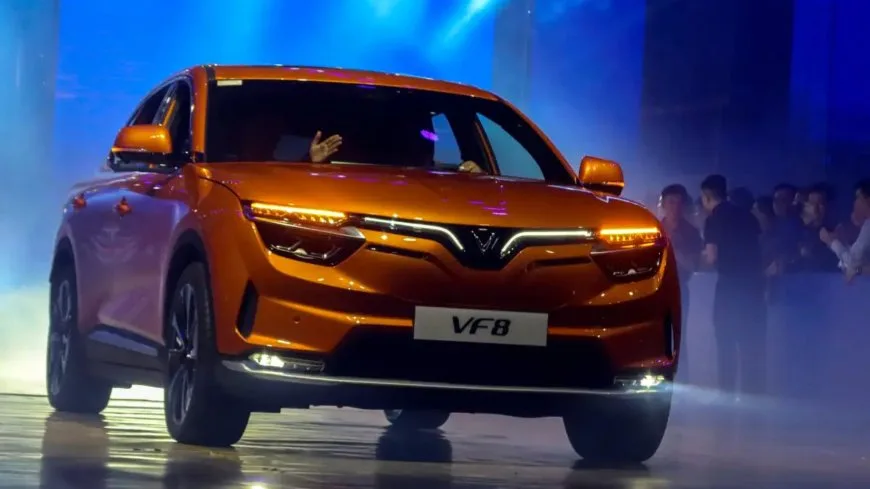
VinFast debuted in India with EVs that undercut both Tesla and BYD prices, making premium electric SUVs accessible to more Indian buyers. The VF6 and VF7 models offer the prestige without the eye-watering price tag.
Strategy #3: Go Everywhere
VinFast signed agreements with 13 dealer partners to establish 32 dealerships across 27 cities, covering not just metros but emerging EV markets like Shimla, Agra, Jhansi, and Gwalior. Tesla? Limited to a few select showrooms.
Tesla’s India Challenge
Don’t count Tesla out yet. The brand carries enormous cachet, and every Tesla on Indian roads turns heads. But Tesla is facing three brutal realities:
Reality #1: Import Duties Hurt
Every Tesla sold in India is imported, making it prohibitively expensive. Tesla’s Model Y costs nearly $80,000 in India compared to about $44,990 in the U.S.—nearly double the price for the same car.
Reality #2: Indian Buyers Are Smart Shoppers
For Indians, a car is often the second-largest purchase after a house. They seek flexibility, not restrictions. Tesla’s limited range, charging anxiety, and premium pricing clash with this mindset.
Reality #3: Local Players Dominate
Tata Motors still commands around 50% of India’s EV market. They understand Indian roads, Indian budgets, and Indian expectations in ways no foreign brand can match immediately.
Why This Battle Matters
India isn’t just another market—it’s the world’s third-largest automotive market and the fastest-growing EV battleground. With Chinese EVs facing resistance in the West, global automakers see India’s billion-plus population and evolving infrastructure as an untapped goldmine.
VinFast’s early success proves a crucial point: Brand heritage matters less than smart strategy. Building locally, pricing aggressively, and expanding distribution can beat even the most prestigious nameplate.
The Road Ahead
VinFast’s October surge suggests their factory investment is paying off faster than expected. Network expansion is driving volumes. Local manufacturing sidesteps import duties. The strategy is working.
But Tesla isn’t playing the volume game—yet. They’re establishing brand presence, building desire, and waiting for policy changes that might favor imports or incentivize local manufacturing.
What Experts Say
Industry analyst Ravi Bhatia warns that international players often “underestimate the strength of local OEMs” and that “the gap between the total addressable market and the actual serviceable market is what trips up these international players”.
He’s right. India looks like a billion-customer goldmine on paper. In reality, it’s complex, price-sensitive, and fiercely loyal to brands that understand local needs.
The Verdict
VinFast isn’t stealing Tesla’s thunder—they’re writing their own lightning story. By building local, pricing smart, and moving fast, they’ve grabbed early momentum in a market everyone assumed Tesla would dominate.
But it’s early days. Festival season sales don’t determine long-term winners. Tesla has brand power, technological leadership, and deep pockets. VinFast has ambition, local manufacturing, and affordable pricing.
India’s EV market is big enough for both. The real question isn’t who wins—it’s whether either can crack the code that Tata, Mahindra, and MG have already mastered: understanding that in India, value always trumps prestige.

