

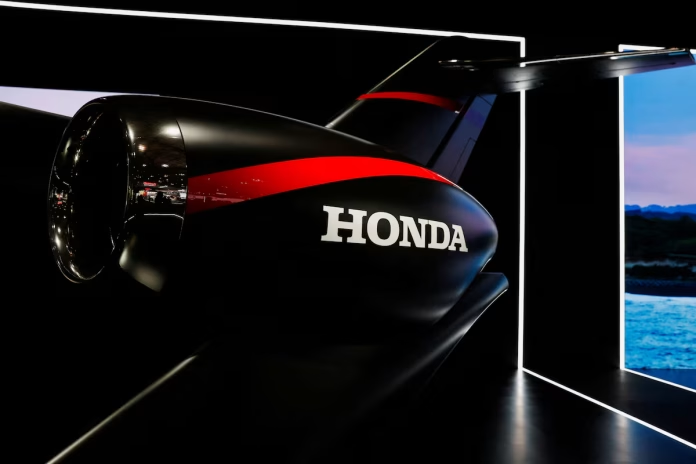

Picture this: Honda, the legendary Japanese automaker that once dominated Southeast Asia unchallenged, is now watching its empire crumble—not because of U.S. tariffs or chip shortages, but because of something far more dangerous. Chinese EV makers are quietly conquering the very markets Honda built.
Table of Contents
The Numbers Don’t Lie
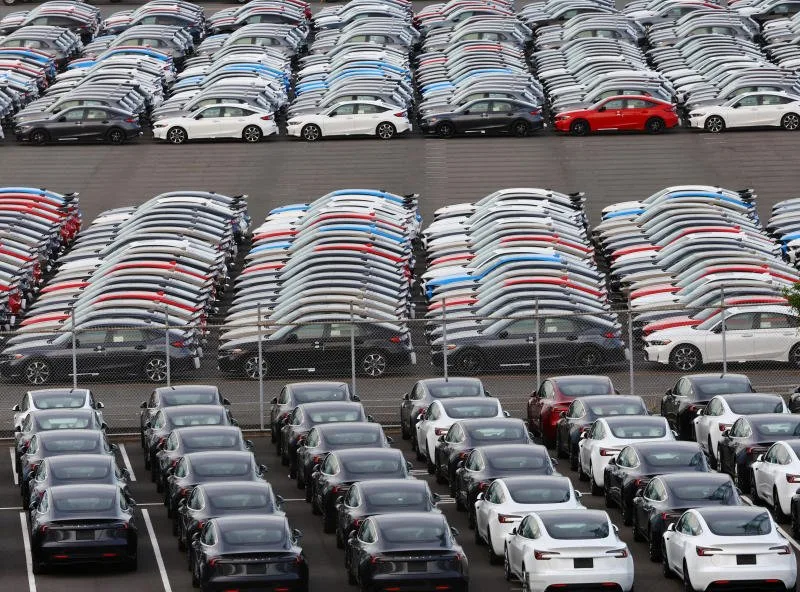
Honda just slashed its full-year profit outlook by one-fifth and cut its Asian sales target by over 10%—from 1.09 million to 925,000 vehicles. What was supposed to be a 5,000-unit decline has ballooned to 75,000 fewer cars. Yes, tariffs hurt. Yes, chip shortages sting. But the real dagger? BYD and other Chinese EV makers systematically dismantling Honda’s Southeast Asian stronghold.
The Southeast Asian Collapse
Honda’s once-impenetrable fortress is cracking. Here’s the carnage across key markets in just nine months:
| Market | Sales Decline | Impact |
|---|---|---|
| Indonesia | -30% | Catastrophic plunge |
| Malaysia | -18% | Steady erosion |
| Thailand | -12% | Losing ground fast |
| Overall Asia Target | -165,000 units | From 1.09M to 925K |
An industry source put it bluntly: “Southeast Asia is starting to be significantly impacted by Chinese players. The growth of Chinese EVs in Thailand over the past two years has been extraordinary.”
What Makes Chinese EV Makers So Dangerous?
While Honda debates mergers and counts tariff costs, Chinese manufacturers like BYD are fleeing a brutal price war at home by aggressively expanding overseas. They’re not just selling cars—they’re rewriting the rules with:
Price Disruption: EVs that undercut traditional vehicles by 30-40%
Speed to Market: New models launched in months, not years
Local Production: Setting up factories faster than Honda can plan them
Technology Edge: Battery innovation that leaves legacy automakers scrambling
Honda’s Innovation Drought
Here’s the killer: Honda has no new models planned for Southeast Asia from this fiscal year into next, except an overhaul of the City compact sedan. Imagine standing still while your competitors sprint past you with electric vehicles that cost less, perform better, and arrive faster.
That’s not strategy—that’s surrender.
The Tariff and Chip Crisis: Real but Manageable
Don’t misunderstand—the $2.6 billion tariff hit and chip shortages forcing factory shutdowns in Mexico, the U.S., and Canada are serious. Honda’s shares tumbled 4.7% after the announcement and are down 1.4% year-to-date while the Nikkei 225 surged 28%.
But these are temporary storms. The Chinese EV invasion? That’s climate change.
The Financial Devastation Breakdown
| Financial Impact | Amount | Source |
|---|---|---|
| U.S. Tariffs | ¥385B ($2.6B) | Better than ¥450B feared |
| Chip Shortage | ¥150B ($995M) | Production disruptions |
| EV One-Off Costs | ¥224B ($1.5B) | First half FY2025 |
| Operating Profit Cut | ¥550B vs ¥700B target | 21% reduction |
The U.S. still accounts for 42% of Honda’s global sales and grew 4% year-over-year—proving North America remains solid despite challenges. Southeast Asia, however, is hemorrhaging.
The India Pivot: Strategic Retreat or Smart Move?
Japanese automakers are now turning to India, a market that remains largely closed to Chinese EV makers. Honda announced it will make India a production and export base for its planned electric cars, while Toyota and Suzuki announced $11 billion in combined investments.
Is this genius or desperation? Perhaps both. India offers:
- Protection from Chinese competition
- Growing middle class
- Government EV incentives
- Manufacturing cost advantages
But here’s the catch: India won’t replace Southeast Asia’s volumes, and Chinese manufacturers won’t stay blocked forever.
The Merger That Never Was
Honda and Nissan explored a merger until talks collapsed in February. Industry analysts were brutal in their assessment: “A merger of Honda with Nissan or Mitsubishi would currently be an alliance of the weak.”
Three struggling companies don’t create one strong one—they create one large struggling company. Honda knows this, which is why they’re going it alone despite the headwinds.
BYD’s Thailand Domination: A Warning
Thailand perfectly illustrates the Chinese strategy. Two years ago, BYD was barely visible. Today? Their growth has been “extraordinary” according to industry insiders—code for “we’re watching market share evaporate in real-time.”
BYD didn’t just enter Thailand; they conquered it by:
- Building local production facilities
- Pricing aggressively below Honda equivalents
- Offering modern EV technology Honda can’t match
- Creating extensive charging networks
- Partnering with local dealers and financiers

What Honda Should Do (But Probably Won’t)
The prescription is clear:
- Accelerate EV launches in Southeast Asia immediately
- Price competitively even if margins suffer short-term
- Partner with battery suppliers to control costs
- Build local EV production in Indonesia, Thailand, Malaysia
- Leverage India as an EV manufacturing hub for export
But legacy automakers don’t pivot fast. That’s why Tesla ate their lunch in the West, and BYD is eating their dinner in the East.
The Uncomfortable Truth
Honda cut its annual profit outlook by one-fifth citing EV costs and chip shortages. Wall Street analysts expected an increase; Honda delivered a massive miss. Shares fell 1.4% this year while the benchmark Nikkei 225 rose nearly 28%.
Markets are pricing in a grim reality: Honda is losing the EV race not to Tesla, but to Chinese manufacturers most Americans have never heard of.
Looking Ahead: Can Honda Survive?
it won’t disappear. The U.S. market remains strong, and their brand equity is real. But their position as a dominant Asian automaker? That’s already gone.
The question isn’t whether Chinese EV makers will continue expanding—they will. The question is whether it can adapt fast enough to remain relevant in markets they once owned.
The Bottom Line
Tariffs and chips are headlines. Chinese EV makers are the story.
While it estimates a $2.6 billion tariff impact and deals with chip shortages, they’re losing entire markets to competitors who build better electric vehicles faster and cheaper. That’s not a temporary setback—it’s an existential crisis.
For Honda, the real battle isn’t in Washington or with semiconductor suppliers. It’s in Jakarta, Kuala Lumpur, and Bangkok—and right now, they’re losing.
The wake-up call? When the markets you built for decades fall to competitors in just two years, you don’t have a tariff problem. You have a strategy problem.
And strategy problems are much harder to fix than trade disputes.

