

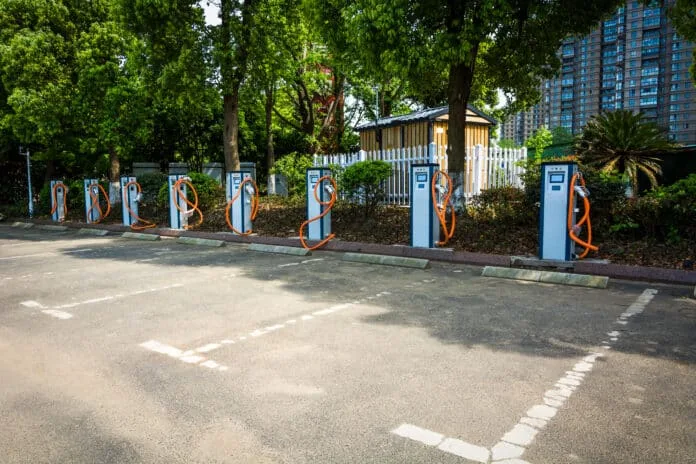

Delhi Transport Corporation (DTC) is accelerating its green transport revolution by expanding electric vehicle (EV) charging infrastructure specifically for heavy commercial vehicles. This ambitious move is a crucial part of Delhi government’s goal to make its entire public transport fleet electric within 18 months, marking a significant step toward sustainable urban mobility.
Table of Contents

Expanding EV Charging Network Across Key Depots
DTC is setting up charging facilities in nine major depots across the city, including Rohini Sector 37, Keshopur, Nangloi, Kalkaji, Sukhdev Vihar, Nand Nagri, Ghazipur, and Hasanpur. These new installations aim to support the growing fleet of electric buses and commercial vehicles by providing efficient, high-capacity charging solutions.
| Depot Location | Infrastructure Highlights |
|---|---|
| Rohini Sector 37 | Charging infrastructure installation in progress |
| Keshopur | Fast chargers and substations planned |
| Nangloi | Upgrading for large vehicle charging |
| Kalkaji | Heavy EV charging facilities |
| Sukhdev Vihar | Substation and charging unit setup |
| Nand Nagri | High-capacity chargers |
| Ghazipur | Charging infrastructure upgrade |
| Hasanpur | New substations and chargers |
Investment and Technical Details
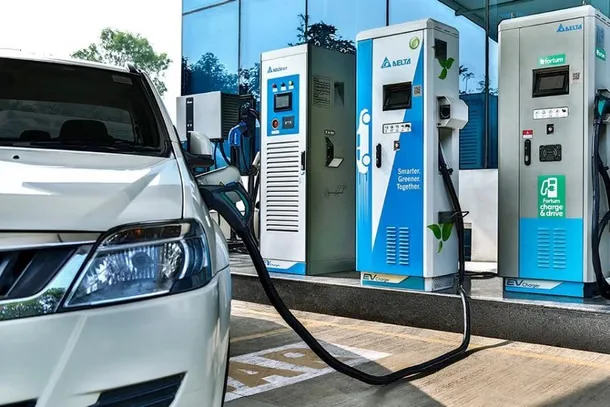
The project involves an investment of over Rs 31 crores, which covers the setup of 1600 KVA compact substations along with 240 KW chargers. These powerful chargers have the capacity to rapidly charge hundreds of electric buses and other heavy vehicles, ensuring minimum downtime and maximum efficiency.
The tendering process for construction and electrical works has been initiated, targeting contractors approved by government agencies. The works are expected to commence soon after bidding is completed.
Supporting Delhi’s Vision for Electric Public Transport
Chief Minister Rekha Gupta recently inaugurated six new switching substations at DTC depots, developed by BSES Rajdhani Power Limited (BRPL) and Tata Power Delhi Distribution Limited (TPDDL). These substations are designed to power approximately 1200 electric buses at locations like Peeragarhi, Ambedkar Nagar, Srinivaspuri, Okhla Central Workshop, and Narela.
Growth Trajectory of Delhi’s Electric Fleet
| Fleet Size | Timeline |
|---|---|
| 3,400 EV buses | Current (2025) |
| 6,000 EV buses | Expected in next months |
| 8,000 EV buses | Target by 2026 |
The expanded infrastructure is vital as Delhi targets 8,000 electric buses by 2026, reinforcing its commitment to cutting pollution and improving air quality. Currently, with 3,400 electric buses operating, the city is on track to nearly double this number shortly, further emphasizing the need for extensive charging infrastructure development.
Why This Matters
This initiative not only promotes environmental sustainability but also promises reduced operational costs and better air quality for Delhi residents. By focusing on heavy commercial vehicles, DTC ensures that the backbone of city transport transitions smoothly into a cleaner, electric future.
The expansion of EV charging infrastructure at multiple depots will help optimize bus routes, reduce battery downtime, and accelerate the adoption of electric public transport, positioning Delhi as a leader in urban sustainability in India.
With a well-planned infrastructure investment and clear targets, DTC is steering Delhi toward a cleaner, greener tomorrow — making it easier for commuters to embrace electric mobility. This bold step signals a future where the city’s air is cleaner, transport is smarter, and pollution is significantly reduced .

