

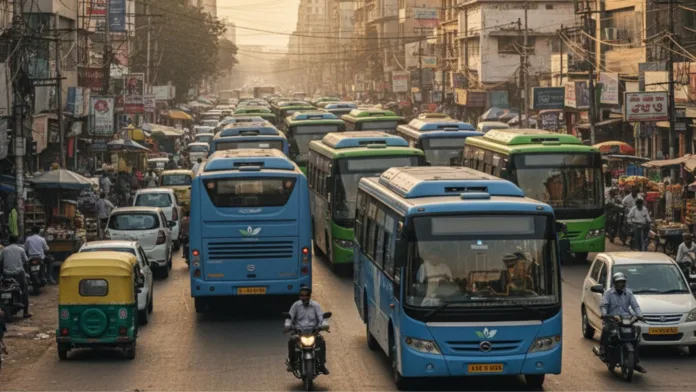

Imagine breathing cleaner air while commuting to work. That future is arriving faster than you think. India’s electric bus revolution is quietly transforming public transportation, and the numbers reveal a stunning trajectory that could redefine urban mobility across the nation.
Table of Contents
The Explosive Growth Nobody’s Talking About
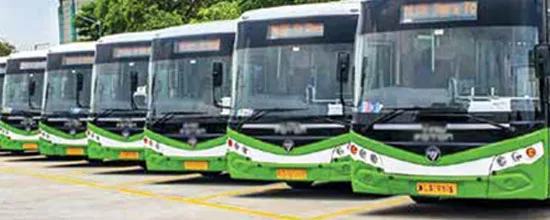
India’s electric bus sales are projected to skyrocket from just 3,644 units in FY24 to over 17,000 units by FY27—a staggering 3.6-fold increase. That’s not incremental growth; that’s a transportation revolution happening in real-time.
Here’s the transformation at a glance:
| Metric | FY24 (Current) | FY27 (Projected) | Growth |
|---|---|---|---|
| E-Bus Sales Volume | 3,644 units | 17,000+ units | 3.6x increase |
| Market Penetration | 4% | 15% | 11% jump |
| YoY Growth Rate | 81% | Projected sustained | Exponential |
| Market Share (Diesel/Petrol) | 90% | ~85% | Declining |
A decade ago, conventional diesel and petrol buses dominated with 97-98% market share. Today, that’s dropped to 90% in FY24—and the slide is accelerating.
Why Electric Buses Are Winning the Economic Battle
Let’s talk money, because that’s what’s truly driving this transformation. The total cost of ownership for air-conditioned electric buses is 15-20% lower than diesel buses over a 12-year period.
Think about that: despite higher sticker prices, e-buses save substantial money through:
- Lower fuel costs (electricity vs diesel)
- Reduced maintenance expenses (fewer moving parts)
- Government subsidies and incentives
- Longer operational lifespan
For cash-strapped State Transport Undertakings (STUs) operating on tight margins, this math is irresistible.
The Secret Weapon: Gross Cost Contract Model
Here’s where it gets fascinating. The Gross Cost Contract (GCC) model has largely replaced traditional outright bus purchases, especially in larger cities, as it relieves STUs from operation and maintenance responsibilities.
Under the GCC model:
- Manufacturers supply, operate, and maintain buses
- STUs pay per kilometer without owning the assets
- Risk shifts from government to private operators
- Innovation accelerates as companies compete on efficiency
This asset-light approach removes the biggest barrier that prevented state governments from electrifying their fleets: upfront capital costs.
Who’s Leading India’s E-Bus Charge?
The Indian e-bus industry is dominated by Tata Motors, Olectra, JBM, PMI, and Switch Mobility, which collectively held 88% of the market share in FY24. These five powerhouses have a combined manufacturing capacity of 40,500 e-buses annually—ready infrastructure for explosive growth.
State-Wise Leaders
As of calendar year 2024, Maharashtra leads electric bus registrations with 2,423 units, followed by Delhi at 2,361, and Karnataka at 1,473.
| State | E-Bus Registrations (CY24) | Status |
|---|---|---|
| Maharashtra | 2,423 | Leader |
| Delhi | 2,361 | Strong adopter |
| Karnataka | 1,473 | Growing rapidly |
Government Push: The Policy Tailwind
Strong policy support through PM e-Bus Seva and PM e-Drive schemes is accelerating adoption nationwide. These aren’t token gestures—they’re comprehensive programs providing:
- Capital subsidies for bus procurement
- Charging infrastructure funding
- Payment security mechanisms for operators
- Long-term policy certainty
The government recognizes what’s at stake: India has just 6 e-buses per million people compared to the world average of 85. That massive gap represents both a challenge and an enormous opportunity.
The Untapped Opportunity: Private Operators
Until now, e-bus adoption has largely been limited to STUs and intra-city transportation, but private bus operators are expected to embrace e-buses, which would significantly fast-track adoption.
Private operators run:
- Inter-city express services
- Corporate employee shuttles
- Tourist charter buses
- School transportation
Once they realize the TCO advantage and charging infrastructure improves for long-distance routes, the flood gates will open.
The Real-World Impact: Cleaner Cities, Healthier Lives
Beyond economics, there’s the environmental imperative. Every electric bus replacing a diesel vehicle means:
- Significantly reduced air pollution in already-choked cities
- Lower carbon emissions contributing to climate goals
- Quieter streets reducing noise pollution
- Healthier populations with fewer respiratory diseases
For cities like Delhi, where air quality reaches hazardous levels annually, electric buses aren’t just transportation—they’re public health infrastructure.
The Challenges That Remain
It’s not all smooth sailing. The weak financial profile of many STUs remains a concern for operators, though payment security mechanisms are being implemented.
Other hurdles include:
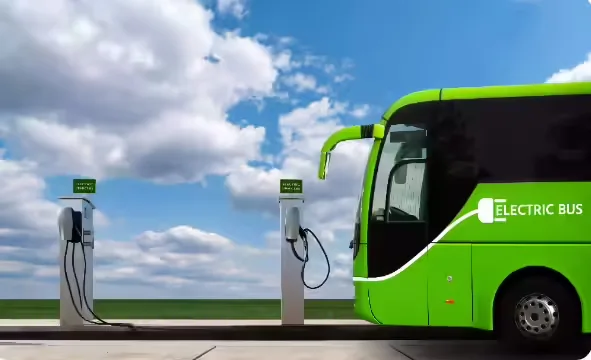
- Charging infrastructure gaps, especially for inter-city routes
- Grid capacity constraints in some regions
- Upfront capital requirements for manufacturers
- Payment delays from government entities
These are solvable problems, not deal-breakers—but they need urgent attention.
The Bottom Line
India’s electric bus transformation from 4% market share to 15% by FY27 isn’t just about vehicles—it’s about reimagining urban mobility at scale. With favorable economics, supportive policies, robust manufacturing capacity, and growing infrastructure, the trajectory is clear.
The question isn’t whether India will electrify its public bus fleet. It’s how fast can we get there—and whether we’ll seize the opportunity to leapfrog directly to clean, efficient public transportation that serves both economic and environmental goals.
For the millions of Indians commuting daily, cleaner air and lower transport costs aren’t distant dreams. They’re arriving, one electric bus at a time, by 2027.

