

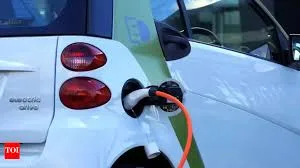

Picture this: You walk into a showroom to buy your dream electric car, ready to embrace sustainable living. The salesperson smiles and says, “Great timing! Zero road tax until December 2025.” But then reality hits—what happens after that deadline?
This exact question is now haunting electric vehicle manufacturers across Tamil Nadu, and they’re urgently knocking on the government’s door for answers.
Table of Contents
The Clock is Ticking
Tamil Nadu currently offers a complete exemption from road tax for electric vehicles registered in the state, valid until December 31, 2025. This generous incentive covers everything from two-wheelers to buses, both in transport and non-transport categories.
But here’s the catch: EV industry leaders are requesting the state government to extend these benefits for a few more years to promote faster adoption and support the EV ecosystem. The deadline is approaching fast, and manufacturers fear a sudden policy cliff could slam the brakes on India’s EV revolution.
Why Manufacturers Are Worried
The numbers tell a compelling story. Approximately 67,000 battery-operated vehicles were registered in Tamil Nadu in 2022 alone. That’s not just statistics—it represents thousands of families choosing cleaner air, lower running costs, and a sustainable future.
The state’s EV policy aims to attract ₹50,000 crore in investments and create 1.5 lakh new jobs—ambitious goals that require sustained policy support, not abrupt changes.
What’s at Stake?
| Current Benefits (Till Dec 2025) | Coverage |
|---|---|
| 100% Road Tax Exemption | Two-wheelers, cars, auto-rickshaws, buses, commercial vehicles |
| Registration Fee Waiver | All EV categories |
| Permit Fee Waiver | Commercial EVs (autos, taxis, goods carriers, buses) |
Think about the typical car buyer’s journey. Road tax in Tamil Nadu ranges from 12-20% of a vehicle’s cost. For a ₹10 lakh electric car, that’s a savings of ₹1.2-2 lakh—enough to convince fence-sitters to make the electric switch.
Remove that incentive suddenly in 2025, and you risk creating hesitation in the market. Buyers might delay purchases, waiting to see if the government extends the benefits. Manufacturers could scale back production. The entire ecosystem could stall.
The Bigger Picture
Beyond offsetting the high initial cost, industry experts believe a lower EV tariff would enable expansion of the public charging network—one of the main obstacles to EV adoption. It’s a classic chicken-and-egg problem: people won’t buy EVs without charging infrastructure, and companies won’t invest in infrastructure without enough EVs on the road.
The tax waiver isn’t just about saving money—it’s about building momentum. Tamil Nadu has already positioned itself as an EV manufacturing powerhouse, with companies like Ather Electric and Ola Electric setting up production facilities in the state.
What Other States Are Doing
Tamil Nadu isn’t alone in this journey. Multiple states have recognized that EV adoption needs sustained policy support:
- Delhi: Extended incentives and subsidies multiple times
- Maharashtra: Offers comprehensive EV policies with phased incentives
- Gujarat: Provides long-term tax benefits to boost manufacturing
The question isn’t whether to support EVs—it’s how long that support needs to continue before the market becomes self-sustaining.
The Industry’s Ask
Manufacturers aren’t asking for forever. They’re requesting a clear roadmap that:
- Extends the waiver beyond 2025 by at least 3-5 years
- Provides advance notice of any policy changes
- Supports charging infrastructure development
- Creates certainty for long-term investment planning
Why This Matters to You
If you’re planning to buy an EV in Tamil Nadu, this policy uncertainty matters. Should you rush to buy before December 2025? Or wait to see if the benefits continue?
For manufacturers, the stakes are even higher. Production planning, dealer commitments, and pricing strategies all hinge on knowing the policy landscape.
What Happens Next?
The current EV policy is valid for five years from its notification in 2023, giving the government flexibility to extend or modify benefits. The transport department has previously extended these incentives based on industry feedback, suggesting they’re open to dialogue.
The government faces a delicate balancing act: maintain revenue collections while promoting environmental goals and supporting a nascent but promising industry.
The Bottom Line
Tamil Nadu stands at a crossroads. The state has built impressive momentum in EV adoption—67,000 registrations in 2022 alone prove that the incentives work. But momentum is fragile.
A policy extension beyond 2025 isn’t about giving handouts—it’s about giving certainty. It’s about telling manufacturers, “Keep investing,” and telling consumers, “We’re committed to this transition.”
The industry has made its case. Now, all eyes are on the Tamil Nadu government to see if they’ll keep the electric dream alive or risk stalling progress just as things were getting interesting.

