

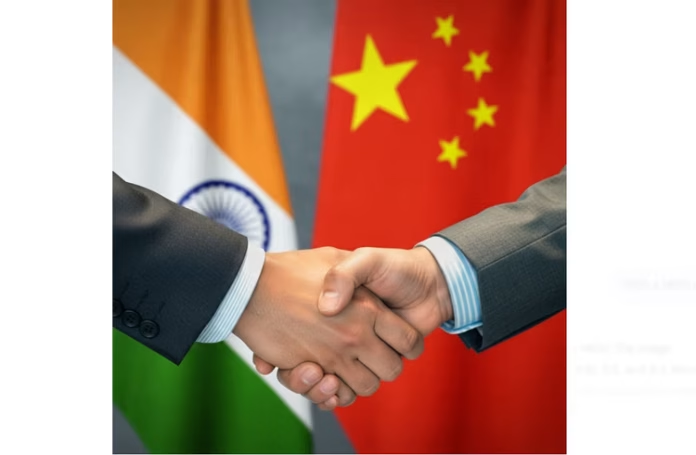

Imagine owning an electric vehicle factory but not being able to get the magnets needed to build motors. That was India’s reality for six long months—until last week, when China suddenly reopened the tap on rare earth magnet exports.
This isn’t just about business. It’s about geopolitics, supply chain warfare, and India’s ambitious electric vehicle dreams that were nearly derailed by a single country’s export restrictions.
Table of Contents
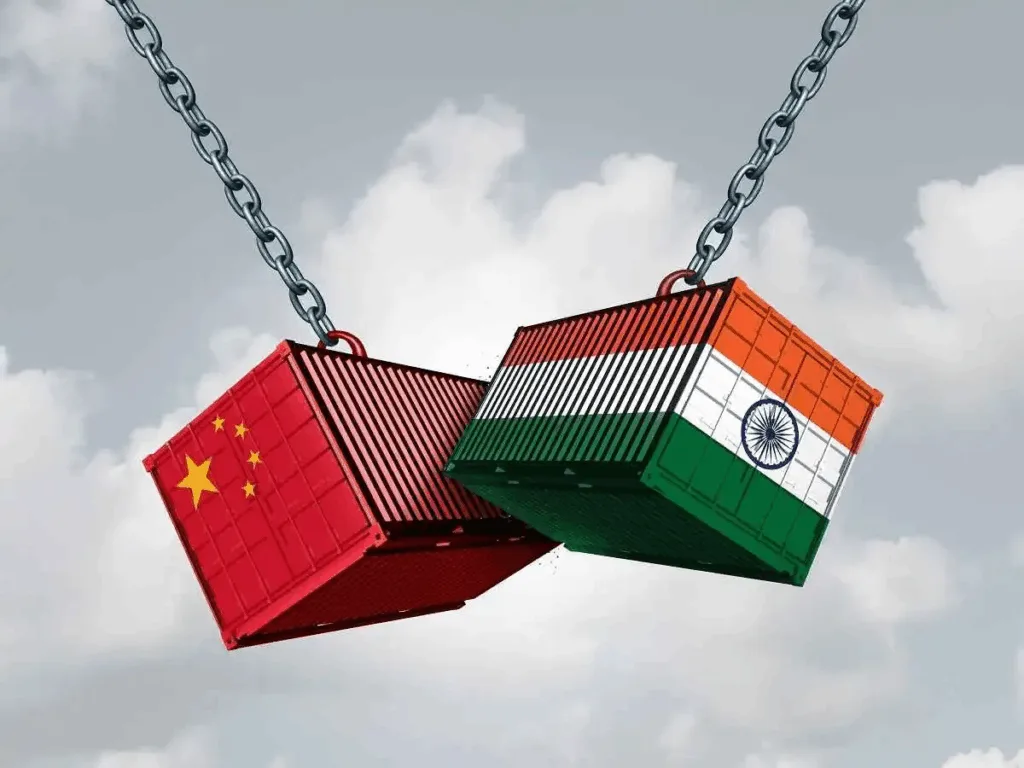
The Breakthrough: Four Companies Get the Green Light
China has granted licenses to four Indian companies—Continental India, Hitachi Astemo, Jay Ushin, and DE Diamond Electric India—to import rare earth magnets, ending a six-month supply freeze that crippled India’s EV and electronics sectors.
“Some Indian companies have received licenses for importing rare earth magnets from China,” External Affairs Ministry spokesperson Randhir Jaiswal confirmed at his weekly media briefing.
But there’s a catch. The licenses come with strict conditions prohibiting re-export to the US or use for military purposes. China is playing chess while everyone else plays checkers.
What Are Rare Earth Magnets and Why Do They Matter?
Rare earth minerals are considered vital for high-end technology products including electric vehicles (EVs), drones, and battery storage. These aren’t your refrigerator magnets—they’re the technological backbone of the 21st century.
Heavy rare-earth magnets are vital in electric vehicle motors and digital systems, offering high performance, compact size, and improved energy efficiency.
Without them:
- EVs can’t function efficiently
- Wind turbines lose power generation capacity
- Smartphones become bulkier and less powerful
- Defense systems lose critical capabilities
China’s Monopoly: The Numbers Don’t Lie
| Metric | China’s Dominance |
|---|---|
| Global rare earth mining | 70% control |
| Refining capacity | 90% control |
| Rare earth magnet production | 90% control |
| India’s imports from China (2023) | 2,850 tonnes |
| India’s global ranking as importer | 5th largest |
China dominates this space, producing about 60% of the world’s rare earth elements and controlling around 90% of the refining capacity. When you control 90% of anything, you control the entire market.
The Six-Month Crisis: India’s EV Sector Takes a Hit
China had suspended export of heavy rare earth magnets from the country in April, triggering a supply chain nightmare that rippled through India’s manufacturing sector.
Who Got Hurt the Most?
Major electric two-wheeler makers, such as Bajaj Auto, TVS Motor, and Ather Energy, faced production hurdles resulting from the scarcity of heavy rare-earth magnets.
Company executives revealed something startling: if not for these supply chain constraints, their festival season sales figures would have been substantially higher. Translation? India lost millions in potential revenue during its biggest sales season.
The automotive sector wasn’t alone. Electronics manufacturers, renewable energy companies, and even smartphone makers felt the squeeze. Over 30 applications from Indian firms are still awaiting approval, showing the supply crisis is far from over.
The Approval Maze: Not So Simple
Getting Chinese approval isn’t like ordering from Amazon. The process of securing import approvals has become cumbersome, requiring end-use declarations confirming the materials will not be used for military purposes.
Here’s the bureaucratic obstacle course:
Step 1: Apply through China-based suppliers (you can’t apply directly) Step 2: Detail exact end-use for every gram of material Step 3: Get certifications from multiple Indian ministries Step 4: Secure Chinese embassy approval Step 5: Wait for export clearance from Chinese authorities Step 6: Promise in writing not to resell to restricted countries
Companies must apply through their China-based suppliers, detailing end-use and undertaking not to resell the materials. For now, China is reportedly granting licenses only for consumer and civilian applications, as rare earths also have significant military uses.
Why Did China Block Exports in the First Place?
Beijing’s new export licensing regime was initially viewed as a response to the US tariffs, but its impact spread globally. When giants fight, smaller nations get caught in the crossfire.
But there’s another dimension: China’s decision to ease restrictions on supply of rare earth minerals to India came amid efforts by the two sides to normalise the bilateral ties that came under severe strain following the over four-year military face-off along the LAC in eastern Ladakh.
The thawing of relations includes:
- Resumption of Kailash Mansarovar Yatra
- India restarting tourist visas for Chinese nationals
- Disengagement at Demchok and Depsang friction points
- Prime Minister Modi’s meeting with President Xi Jinping in Kazan
India’s Strategy: Reduce, Reuse, Diversify
India isn’t putting all its eggs in China’s basket anymore. India is actively seeking alternative sources of rare earth minerals beyond China through strategic partnerships with countries such as Kazakhstan, Australia, Brazil and several African nations to establish joint mining ventures and a resilient regional rare earth market.
India’s Counter-Moves
| Initiative | Details |
|---|---|
| National Critical Mineral Mission | Launched January 2024 to boost domestic capacity |
| R&D Funding | 11 REE-related projects approved with ₹9.33 crore funding |
| Alternative Sources | Partnerships with Kazakhstan, Australia, Brazil, Africa |
| Strategic Goal | Build resilient regional rare earth market |
The mission comprises key interventions for increasing domestic capacity and building supply chain resilience in critical minerals, which include rare earths elements (REE).
The Global Context: US-China Deal Changes Everything
Just as India secured its licenses, US President Donald Trump and Chinese President Xi Jinping met in Busan, South Korea, where Beijing agreed to delay by a year the introduction of its latest round of rare earth export restrictions, originally slated to take effect on November 8.
Coincidence? Unlikely. The geopolitical chess game continues, and India is assessing how Thursday’s understanding between Washington and Beijing on rare earths might affect its own interests.
What This Means for India’s EV Revolution
The license approvals couldn’t come at a better time. India’s electric vehicle market is exploding, and this would cover much of India’s projected demand for rare earth magnets needed for electric vehicles, and renewable energy and defense industries.
Immediate Impact:
- Production resumption: EV manufacturers can ramp up output
- Festival season recovery: Lost sales can be partially recouped
- Supply chain stability: Predictability returns to planning
- Cost normalization: Hoarding-driven price spikes should ease
Long-term Implications:
- Diversification pressure: Urgency to find non-Chinese sources
- Domestic mining push: Accelerated exploration and extraction
- Technology investments: R&D for rare earth alternatives
- Geopolitical awareness: Recognition of supply chain vulnerabilities
The Road Ahead: Cautious Optimism
While the license approvals are welcome news, India faces hard truths:
The Good: Supply resumes, EV sector gets breathing room, diplomatic relations improve
The Concerning: China accounts for around 70 per cent of global rare earth mining that makes it a very dominant player in the global supply chain of the critical minerals
The Reality: Any future geopolitical tensions could trigger another export freeze
Conclusion: A Temporary Victory, Not the War
China granting rare earth magnet licenses to Indian companies is a diplomatic win and economic relief. But let’s not kid ourselves—this is China’s market to control.
The real victory will come when India develops its own rare earth supply chains, processes its own minerals, and builds strategic reserves that insulate it from geopolitical blackmail.
Until then, every approved license is a reminder: In the race for technological supremacy, he who controls the materials controls the future.
What’s your take? Should India accelerate domestic rare earth mining, or is partnership with China inevitable? Share your thoughts below!

