

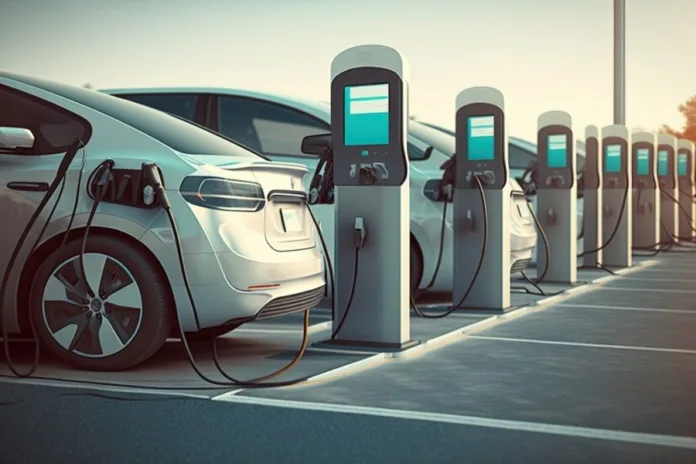

245 EV Charging Stations, Picture this: You’re cruising down the highway in your brand-new electric car, windows down, music playing—when suddenly that dreaded battery icon starts flashing. Your palms sweat. Where’s the nearest charging station? Will you make it?
Well, those anxiety-filled road trips are about to become ancient history. India is witnessing a charging infrastructure revolution, with West Bengal alone planning 241 electric vehicle charging stations at an upfront installation cost of ₹125 crore. But this is just the beginning of a nationwide transformation.
Table of Contents
The Great Indian EV Charging Expansion
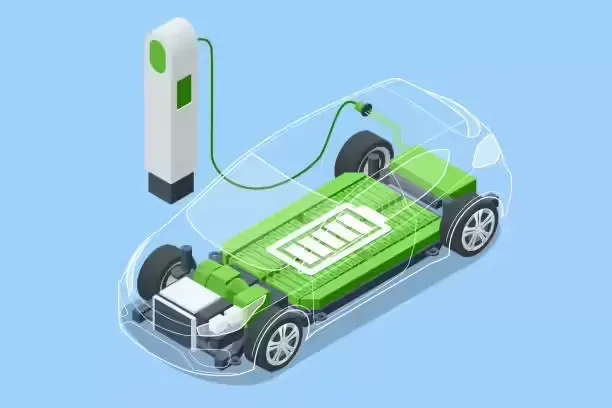
India’s electric vehicle revolution isn’t just about sleek cars and eco-friendly scooters—it’s about building the backbone that makes them practical for everyday Indians. So far, 5,293 electric vehicle charging stations have been established along national highways across the country, and the numbers are climbing rapidly.
The ambitious goal? At least one charging station at every 25 km on both sides of the highway and at least one charging station for long-range/heavy-duty EVs at every 100 km. This systematic approach ensures no EV owner is ever stranded.
West Bengal’s Charging Station Roadmap
West Bengal is emerging as a key player in India’s EV infrastructure story. The ministry of heavy industries has set a target of 321 electric vehicle charging stations along national highways in West Bengal. Currently, 208 EV charging stations are already operational in the state.
But the state isn’t stopping there. The government intends to install 1,000 EV charging stations in the next 2 years to promote greater adoption of eco-friendly automobiles.
Strategic Placement
According to the proposal, nearly half of these charging stations (116) will come up along state and national highways at a distance of around 25 km each. One charging station will be set up for every 25 km on four-lane highways, and one station for every three kilometers in urban areas.
Breaking Down the Investment
| Component | Details |
|---|---|
| Total Stations (WB Proposal) | 241 EV charging stations |
| Investment Required | ₹125 crore upfront |
| Cost per Station | ₹30-50 lakh (with 5-6 chargers including fast chargers) |
| Highway Stations | 116 stations (every 25 km) |
| Urban/Other Locations | 125 stations |
| Target by MHI | 321 stations along highways |
| Current Operational (WB) | 208 charging stations |
India’s Nationwide Charging Infrastructure
Current State of Affairs
India had 12,146 operational public EV charging stations across the country by February 2024. The distribution is impressive:
- Delhi had 1,886 stations and Maharashtra had 3,079 stations respectively
- West Bengal is home to 189 charging stations
- National highways feature 419 charging stations
The Investment Behind the Vision
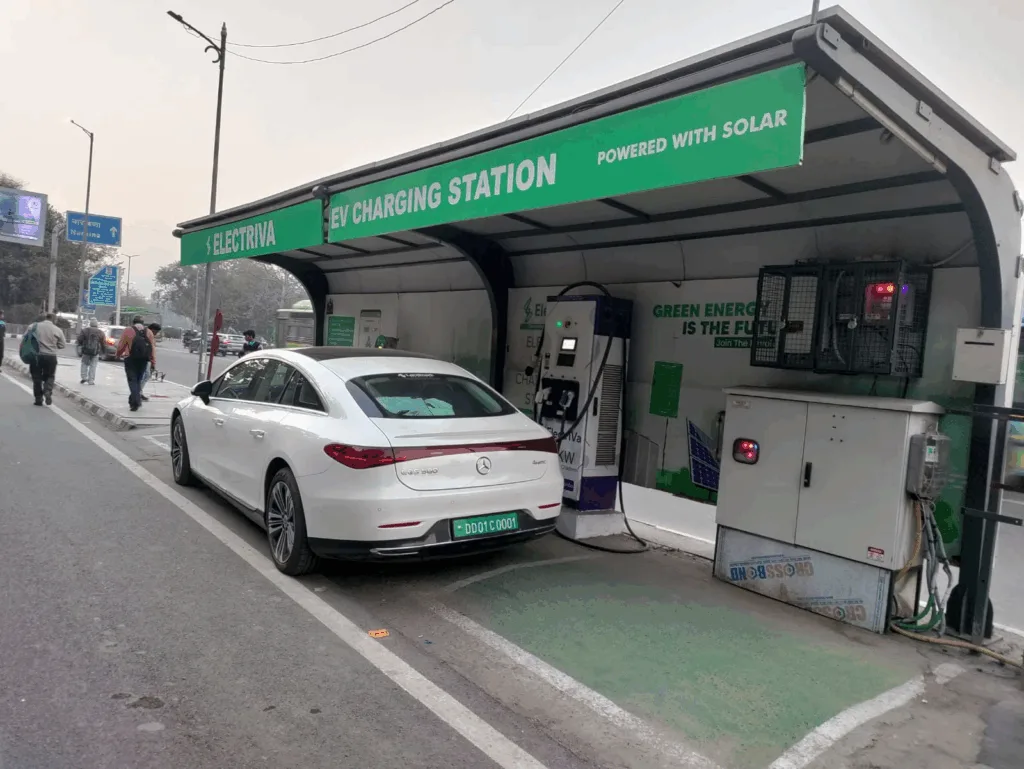
The ministry of heavy industries has set up a target of 5,833 EV charging stations along highways, with a capital subsidy of ₹800 crore provided to oil marketing companies towards establishment of 7,432 EV charging stations.
Kolkata’s Charging Revolution
Kolkata isn’t just participating in the EV revolution—it’s aiming to lead it. A new electric vehicle charging facility in Thakurpukur, South Kolkata is set to become India’s largest single-location EV charging centre with 300 chargers, making it the second-largest in the world only after China’s largest facility, which has 650 chargers.
The charging center will be built on nearly two acres where PSU Andrew Yule & Co.’s factory once stood, symbolizing India’s industrial transformation from fossil fuels to electric power.
What This Means for EV Owners
Cost Advantages
When charging your EV at home, the cost typically ranges between ₹5 to ₹8 per unit (kWh), while public charging stations usually charge around ₹15 to ₹20 per unit—still significantly more economical compared to refueling a petrol or diesel vehicle.
Range Anxiety Solutions
The systematic rollout addresses the biggest concern among potential EV buyers: range anxiety. With charging stations every 25 km on major highways, long-distance travel becomes not just feasible but comfortable.
Who’s Building This Network?
Multiple players are contributing:
- Government Entities: WBSEDCL, state power departments
- Oil Marketing Companies: Under Ministry of Petroleum and Natural Gas
- Private Players: Statiq, EzUrja, Adani Total Gas, HPCL
- Hybrid PPP Models: NHEV (National Highways for Electric Vehicles)
The Road Ahead
NHEV is currently in expansion mode of 5,500 km e-highways on Bharatmala & Sagarmala routes from Delhi to Kanyakumari via Mumbai and Kolkata corridors. This ambitious project represents a complete reimagining of India’s highway infrastructure.
The pilot project has secured ₹3,672 crore in funding for massive upgrade of 5,500 km highways into e-highways on the Annuity Hybrid E-Mobility (AHEM) charging infrastructure funding model.
Why This Matters Now
Last year alone, India witnessed 1.67 million EVs being sold, with a robust 42% year-on-year growth. The infrastructure is racing to keep pace with adoption, creating a virtuous cycle: more charging stations encourage more EV purchases, which justify even more infrastructure investment.
Conclusion: Charging into the Future
The rollout of 245+ charging stations along highways isn’t just about infrastructure—it’s about transforming how India moves. From coast to coast, city to village, the electric vehicle dream is becoming tangible, accessible, and practical.
Whether you’re an early EV adopter tired of range anxiety or someone considering making the switch, these developments signal one clear message: India’s electric future isn’t coming—it’s already here.
Are you ready to make the switch to electric? What’s holding you back—cost, range, or charging infrastructure? Share your thoughts below!

