

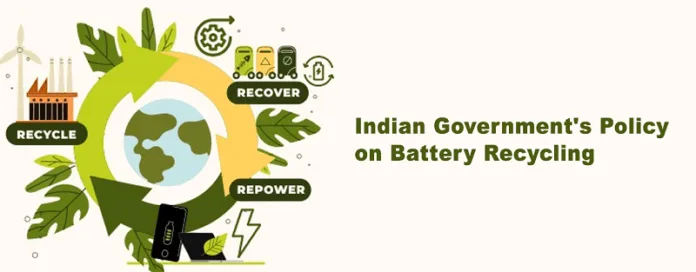

Electric vehicle EV Battery adoption is surging in India, and that means a looming tide of used lithium-ion batteries. Instead of letting these packs pile up in landfills or leaking toxic materials into the environment, India has a chance to build a circular economy by recycling them. Done right, recycling extracts valuable metals, reduces carbon emissions and makes the EV revolution truly sustainable.
Table of Contents
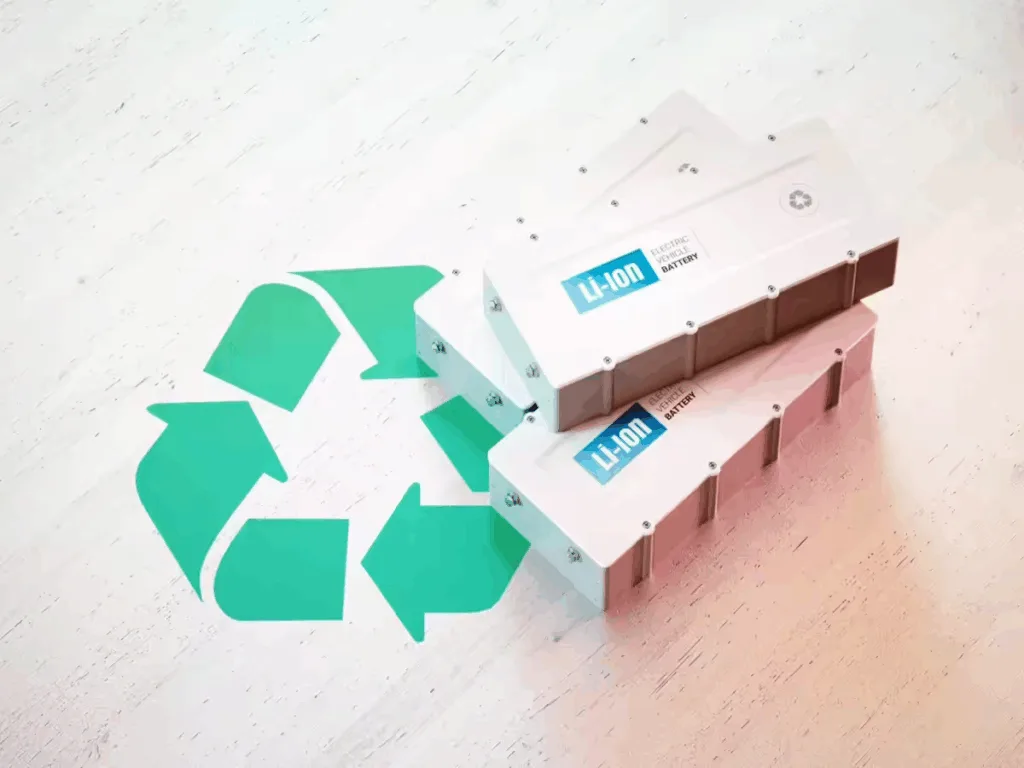
EV Battery: Why Battery Recycling Matters
India’s proposed extended producer responsibility (EPR) pricing for used EV batteries is far below international benchmarks; the U.K. rate is about ₹600 per kg while India’s floor price is less than a quarter of that. Hydrometallurgical recycling processes can recover up to 95 % of high‑value metals like lithium, cobalt and nickel from spent cells . Analysts estimate the domestic battery‑recycling market could reach $3.5 billion and, if scaled up, meet up to 80 % of India’s lithium and cobalt needs by 2030. Recycling also reduces CO₂ emissions, saves billions of gallons of water compared with mining and keeps toxic materials out of landfills .
Challenges and Opportunities
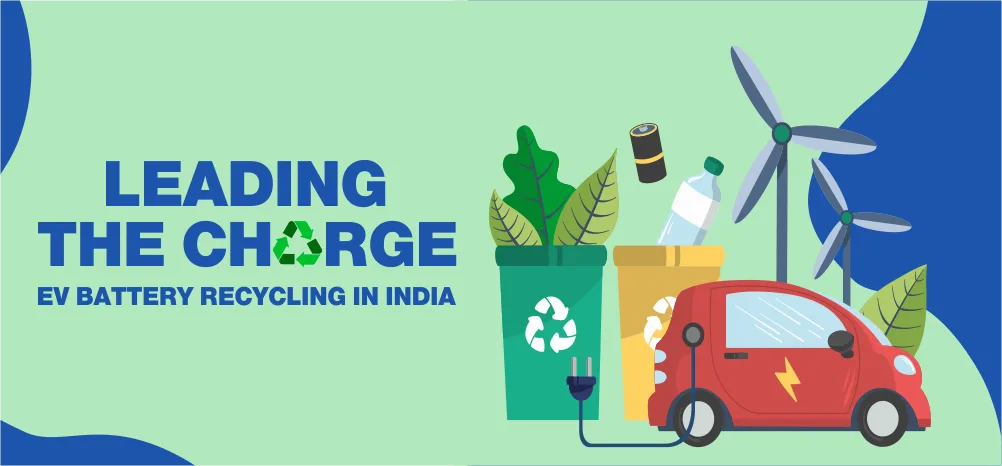
Despite its promise, India’s battery‑recycling capacity is only around 44 000 tonnes, requiring a 60‑fold expansion to handle future waste volumes. Fewer than 15 companies are currently active in this space, and low EPR pricing makes the economics challenging . Building a robust recycling industry will require clear rules and incentives. The Battery Waste Management Rules 2022 and the Production‑Linked Incentive (PLI) scheme for advanced chemistry cells are steps in the right direction. India could also adopt digital ‘battery passports’ to track packs through their life cycles and ensure high recovery rates. If policymakers raise the EPR price and support hydrometallurgy plants, recycling could supply most of the critical materials needed for EV batteries, reducing import dependence and supporting Make‑in‑India goals.
With EV sales set to soar, taking control of the battery end‑of‑life loop is crucial. By investing in recycling now, India can turn waste into wealth and ensure the EV revolution doesn’t create a new environmental problem. For more insights into how India is expanding its charging network and subsidies, check out our update on the EV mission and FAME‑II support.

