

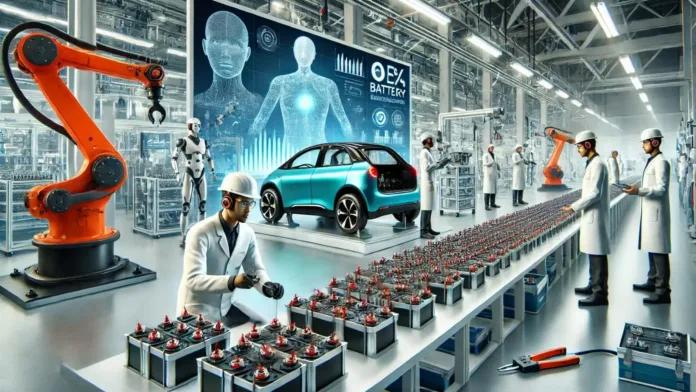

EV Battery, India has made a bold move to strengthen its electric vehicle (EV) ecosystem by scrapping import duties on key components used to build EV batteries. The decision, announced by Finance Minister Nirmala Sitharaman during the Finance Bill 2025 debate, exempts 35 items used in EV battery production and 28 items for mobile phone manufacturing . The change is part of a broader tariff reduction aimed at boosting domestic manufacturing and shielding Indian producers from potential U.S. retaliatory tariffs that take effect in early April.
Table of Contents
EV Battery : Policy Details and Implications
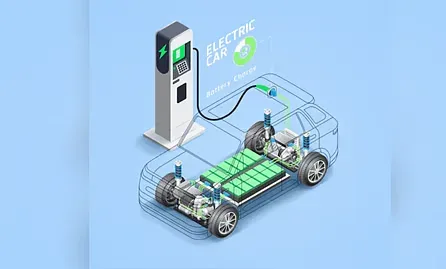
Under the new policy, critical raw materials and components required to assemble lithium-ion cells, battery modules and packs will enter India duty-free (www.reuters.com, ackodrive.com). By reducing input costs, the government hopes to make locally assembled batteries more competitive and encourage global firms to set up battery plants in India. Officials said the measure also applies to parts used in mobile phones, helping smartphone manufacturers as well.
The tariff cuts are a strategic response to ongoing trade negotiations with the United States, where reciprocal tariffs could have made imported battery components more expensive. An Indian parliamentary committee had recently recommended lowering import duties on raw materials to support local manufacturers; the Finance Ministry’s decision follows through on that advice.
Why It Matters for EV Players
For EV startups and automakers, lower duty on battery components translates into reduced production costs, which could eventually lead to more affordable EVs for consumers. Cheaper cells may also spur investment in domestic cell manufacturing, a critical step in India’s ambition to develop a homegrown battery supply chain. Policy watchers note that such tariff reductions could attract international battery suppliers and incentivize joint ventures with Indian firms.
However, industry experts caution that duty cuts alone won’t solve supply chain challenges. Manufacturers will still need to secure reliable supplies of critical minerals and invest in R&D to improve energy density and safety. There’s also a risk that duty-free imports could undercut nascent domestic suppliers if not complemented by incentives for local manufacturing.
India’s decision to remove duties on EV battery components signals a proactive approach to building a resilient EV ecosystem. Combined with state-level incentives and schemes like FAME-II, it shows that the government is serious about accelerating EV adoption while fostering local manufacturing. As trade talks with the U.S. continue, the policy underscores India’s intent to be a key player in the global battery supply chain.

