


Picture this: Two homegrown giants. Two electric SUVs. One celebrates nostalgia; the other chases the future. India’s EV landscape is about to witness an epic design battle between the Tata Sierra EV and Mahindra XEV 7e—and honestly, choosing a side won’t be easy.
Let me take you through what makes these two electric beauties so different, yet equally captivating.
Table of Contents
Nostalgia Meets Innovation: The Design Philosophy
The Mahindra XEV 7e is Mahindra’s love letter to tomorrow—sharp, tech-forward, and unapologetically futuristic. It screams “born electric” from every angle.
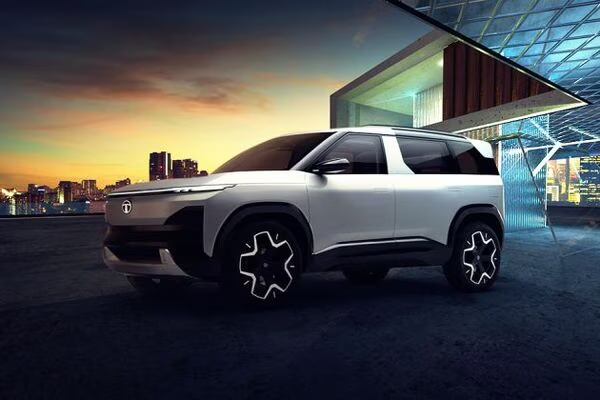
The Tata Sierra EV, meanwhile, is a blast from the past reimagined for the present. Remember the iconic boxy Sierra from the ’90s? Tata’s brought it back, but with a modern twist that’ll make both old fans and new buyers turn their heads.
Front Fascia: First Impressions Matter
| Feature | Mahindra XEV 7e | Tata Sierra EV |
|---|---|---|
| Grille Style | Closed-off, body-colored with parallel lines | Smooth body-colored panel |
| Headlights | Vertically stacked with V-shaped fog lamps | Slim DRLs with full-width LED light bar |
| Key Element | Connected light bar | Upright hood with vertical air inlets |
| Vibe | Tech-driven futurism | Nostalgic modernism |
The XEV 7e’s front end grabs attention with its vertical lighting elements and connected light bar—it’s unmistakably modern. The closed grille announces its electric DNA proudly.
The Sierra EV counters with Tata’s signature full-width LED light bar connecting sleek DRLs. The upright hood and vertical air inlets blend aerodynamics with a muscular stance. Plus, those gloss black accents? Pure sophistication.
Side Profile: Where Personalities Shine
Walk around these SUVs, and their contrasting characters become crystal clear.
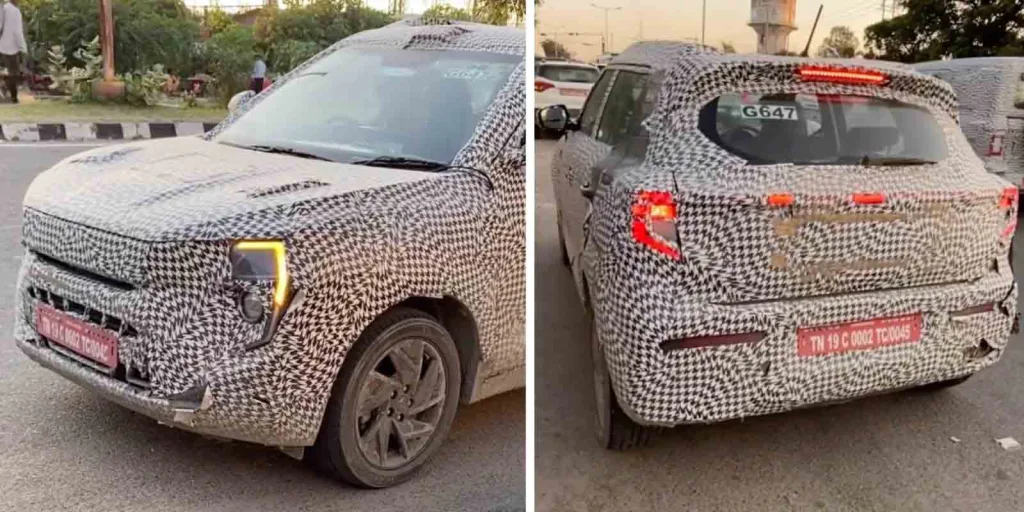
The XEV 7e plays it relatively safe with a roofline reminiscent of the popular XUV700. Aerodynamic alloy wheels, flush door handles, and smooth panel transitions create a refined, premium feel. Thick cladding around the wheel arches adds just enough ruggedness without overdoing it.
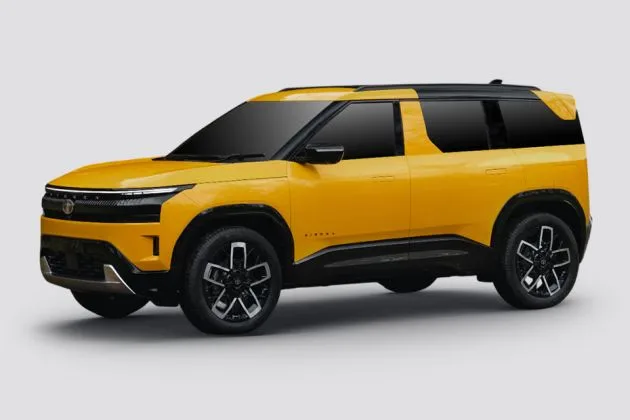
The Sierra EV goes bold with its boxy, upright stance—a direct nod to its legendary ancestor. Large windows and blacked-out pillars create an airy, spacious impression. But here’s the showstopper: that rectangular rear glass section. It’s instantly recognizable, nostalgic, and somehow still feels fresh in 2025.
Both sport flush door handles (welcome to the future!), but the Sierra’s gloss black elements give it a slightly more dramatic flair.
Rear End: Last Impressions Count Too
Mahindra XEV 7e keeps things sharp at the back with wraparound taillights similar to the XUV700—more conventional than its bigger sibling, the XEV 9e, but still striking. The new illuminated Mahindra logo adds a premium touch that glows with brand pride.
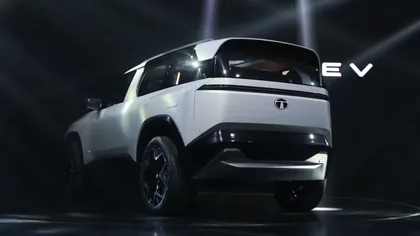
Tata Sierra EV stays true to its upright philosophy with a flat tailgate. A wide horizontal LED light bar stretches across, creating a sleek yet robust look. The silver skid plate below whispers “adventure-ready,” while gloss black finishes tie the whole design together.
The Verdict: Two Winners, Different Stories
Here’s the beautiful truth—these SUVs aren’t competing for the same buyer.
The Mahindra XEV 7e strikes a perfect balance. It’s futuristic without being polarizing (looking at you, XEV 9e), tech-forward without alienating traditional SUV lovers. It’s the safe bet that still feels special.
The Tata Sierra EV is for those who appreciate heritage with a twist. If you remember the original Sierra—or simply love designs that dare to be different—this modern avatar will speak to your soul. It’s nostalgia you can drive into the future.
Both share contemporary EV elements like connected lighting and flush handles, yet their silhouettes tell completely different stories. The XEV 7e flows; the Sierra stands tall. One embraces curves; the other celebrates angles.
So, Which Side Are You On?
Whether you’re Team Futurism or Team Nostalgia, India wins. These aren’t just electric SUVs—they’re statements on wheels, proof that Indian automakers can design vehicles that compete globally while staying true to local sensibilities.
The real question isn’t which one’s better. It’s which one makes your heart race faster?

