

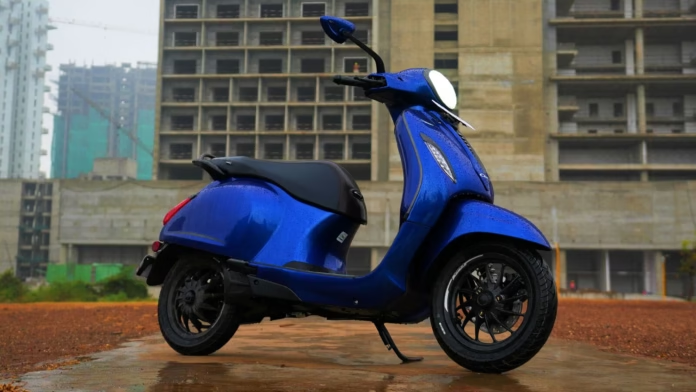

The electric scooter that sparked India’s EV revolution is getting a complete makeover. Spy shots of the next-generation Bajaj Chetak have surfaced, revealing significant changes that could redefine what buyers expect from India’s most iconic electric scooter. And if you’re wondering when you can ride one—2026 is looking increasingly likely.
Bajaj Auto has transformed from EV skeptic to industry leader in just two years. With the Chetak 35 Series and 30 Series, the company emerged as one of the most important players in India’s electric two-wheeler industry. Now, they’re doubling down with a completely redesigned model that addresses criticisms while preserving the retro charm that made Chetak a household name.
Table of Contents
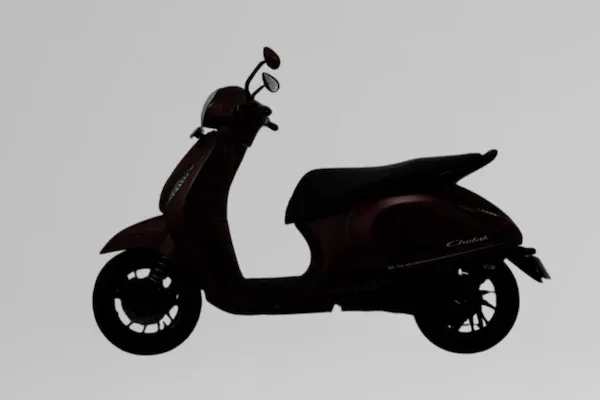
Bajaj Chetak : What Makes This “Next-Gen”?
These aren’t just cosmetic updates. The test mule spotted by automotive enthusiast Sai reveals fundamental changes to the powertrain and cycle parts that justify the next-generation tag. While the overall silhouette remains recognizable, virtually everything underneath has been reimagined.
Major Design Overhaul
| Component | Current Chetak | Next-Gen Chetak | Impact |
|---|---|---|---|
| Rear Lights | Separate units | Single integrated LED unit | Cleaner, modern look |
| Turn Indicators | Front apron mounted | Handlebar integrated | Better visibility |
| Suspension | Single-sided fork (all variants) | Conventional telescopic forks | Cost reduction |
| Rear Motor | Chain/belt drive | Hub motor | Simpler mechanics |
| Display | Circular analog/digital | New LCD cluster | Modern interface |
The Rear Gets Modern
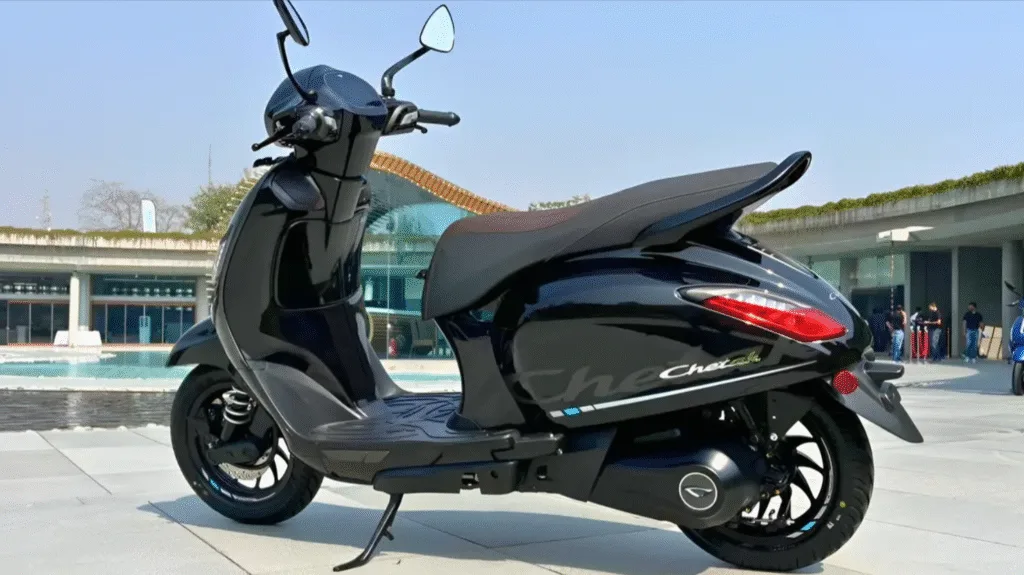
The most dramatic change hits you from behind. The rear LED tail lights are completely overhauled into a single integrated unit housing brake lights and LED turn indicators. This creates a cleaner, more contemporary aesthetic that should appeal to younger buyers.
The number plate holder receives subtle revisions, and a new rear tire hugger appears—practical additions that show attention to detail. Interestingly, the charging port isn’t immediately visible in spy shots. It’s either hidden behind a flap or relocated to the front apron area, suggesting Bajaj is rethinking the charging experience.
Front Fascia: Familiar Yet Fresh
The front maintains similar LED headlights and DRLs as the current model, preserving brand recognition. However, the Chetak logo in this housing is now replaced with “Chetak” lettering—a subtle but significant branding shift.
Turn indicators have migrated from the front apron into the handlebar area, improving visibility for other road users and creating cleaner body lines.
Side Profile Changes
Despite extensive camouflage obscuring details, the side body panels appear revised. The rear grab rail seems carried over, but the seat is noticeably flatter now—potentially addressing comfort complaints from current owners.
The Mid-Variant Mystery
Based on component analysis, the spied test mule appears to be a mid-level variant—think next-gen Chetak 3502 or possibly 3002. Here’s why experts believe this isn’t the top-spec model:
Budget-oriented components:
- Front disc brake (good, but not premium)
- No keyless go system
- No TFT screen (new LCD cluster instead)
- Standard switchgear (not premium)
- Basic ORVM stalks (fancy units missing)
- Conventional suspension (not single-sided)
The game-changer: A hub motor at the rear wheel—not featured in any current Chetak model. This represents a fundamental mechanical shift that could improve efficiency while reducing manufacturing complexity and costs.
Suspension Simplification
Perhaps the most controversial change: Bajaj appears to be replacing the fancy single-sided suspension setup (standard across all current Chetak models) with conventional twin telescopic forks at the front and twin rear shocks.
This move likely aims to reduce costs and make the Chetak more accessible to budget-conscious buyers. While purists may protest, most riders won’t notice performance differences in daily commuting.
Expected Specifications
| Specification | Expected Details |
|---|---|
| Battery Options | 3 kWh or 3.5 kWh pack |
| Range | Up to 150 km per charge |
| Motor Type | Rear hub motor |
| Display | New LCD cluster |
| Launch Timeline | 2026 (speculated) |
| Variants | Multiple trim levels with varying features |
What This Means for Buyers
Bajaj has cleverly walked a tightrope: updating the Chetak without alienating fans of its retro design. The changes bring modernity into the equation while ensuring the scooter doesn’t deviate too much from the original Chetak aesthetic that resonates with Indian buyers.
Higher variants will likely offer:
- TFT touchscreen displays
- Keyless go systems
- Premium suspension components
- Advanced connectivity features
- Enhanced safety tech
Mid and base variants will focus on:
- Affordability through cost-optimized components
- Practical features over premium showpieces
- Extended range through efficient hub motors
- Reliable, low-maintenance mechanics
The Strategic Play
This next-generation Chetak represents Bajaj’s ambition to dominate multiple price segments simultaneously. By offering hub motors and simplified components on mid-variants, they can potentially undercut competitors while reserving premium features for buyers willing to pay extra.
The 150 km range claim addresses the biggest criticism of electric scooters—range anxiety. If Bajaj delivers on this promise with the smaller 3 kWh battery pack, it would represent significant efficiency improvements over current models.
When Can You Buy One?
While Bajaj hasn’t officially announced a launch timeline, industry insiders speculate 2026 is when the next-gen Chetak might roll onto Indian roads. That gives the company time to refine the design, complete testing, and build manufacturing capacity.
Given Bajaj’s recent momentum in the EV space—with impressive sales growth in 2024-25—they won’t want to rush this launch. The next-generation Chetak needs to be perfect, cementing Bajaj’s position as India’s electric two-wheeler leader.
The Bottom Line
The next-gen Bajaj Chetak represents evolution, not revolution. By preserving the iconic design while modernizing mechanics and offering multiple variant options, Bajaj is positioning the Chetak to appeal to both nostalgic buyers and practical commuters.
If the 150 km range claims hold true and pricing remains competitive, the 2026 Chetak could be the electric scooter that finally convinces mainstream India to go electric. And isn’t that what revolutions are supposed to do?

