

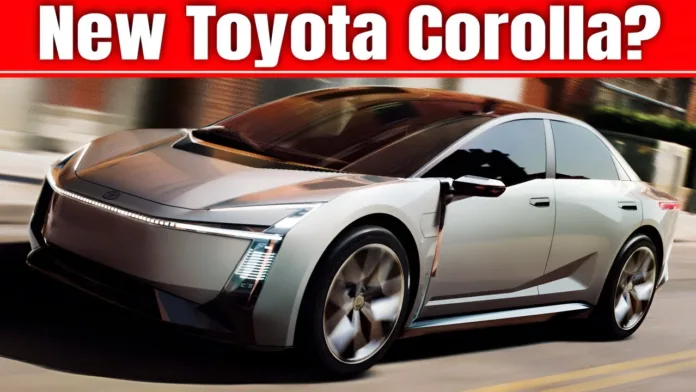

Toyota just did the unthinkable: they made the Corolla exciting. Yes, you read that right. The world’s most reliable—and let’s be honest, most boring—car just got a complete makeover that’s leaving fans either thrilled or utterly confused.
Table of Contents
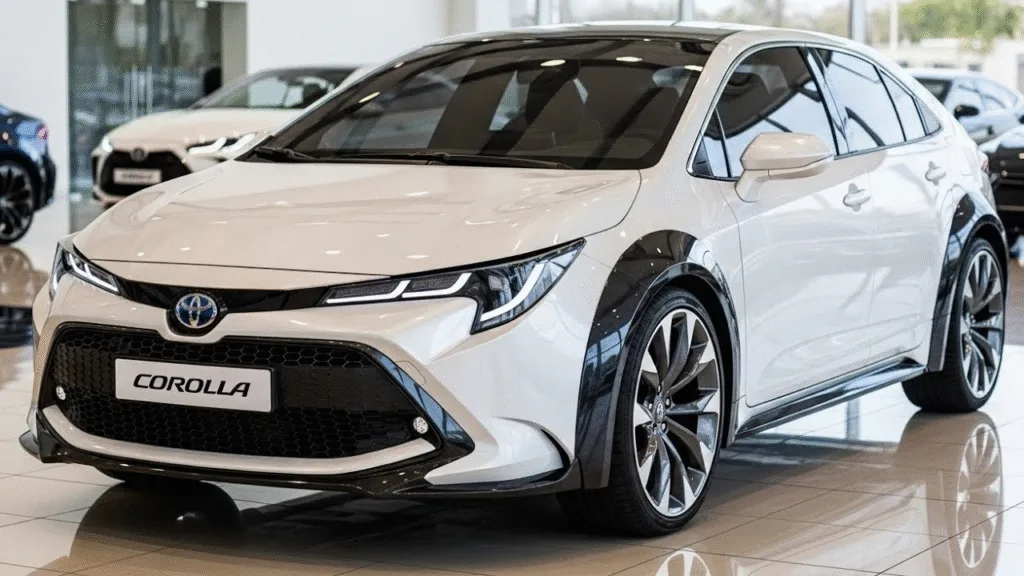
The Reveal Nobody Expected
Instead of the highly anticipated Lexus LFR supercar, Toyota dropped a bombshell at their Japan livestream: a next-generation Corolla concept that looks nothing like its conservative predecessors. And here’s the kicker—it’s electric.
The automotive world collectively gasped. This isn’t just an update. It’s a revolution for history’s best-selling nameplate, with over 50 million Corollas sold globally.
Design Language: From Safe to Stunning
What’s Different?
| Design Element | Old Corolla | New Corolla EV |
|---|---|---|
| Front Grille | Traditional | Closed aerodynamic design |
| Headlights | Standard halogen/LED | C-shaped full-width LED matrix |
| Profile | Conservative sedan | Sleek, elongated EV proportions |
| Rear Lights | Conventional | Full-width pixel-style LEDs |
| Drag Coefficient | ~0.30 | 0.27 (improved aerodynamics) |
| Hood Length | Standard | Noticeably shorter |
The transformation is striking. Gone is the predictable styling that defined generations of Corollas. Instead, you’re looking at aggressive angular LED headlights connected by a horizontal light bar, a steeply raked windshield that screams aerodynamics, and a ducktail spoiler at the rear that adds unexpected sportiness.
The wheels are pushed to the corners—a telltale sign of a dedicated EV platform—maximizing interior space while giving the car a planted, muscular stance.
The Electric Elephant in the Room
A charging port on the front left fender confirms what Toyota tried to keep subtle: this is an all-electric vehicle. Or at least, one version will be.
Powertrain Possibilities:
- Pure EV: Most likely scenario given the design cues
- Plug-in Hybrid: Possible, but would compete with Prius
- Traditional ICE: Expected alongside EV to maintain sales volume
Here’s Toyota’s strategic genius: they’re likely offering multiple powertrain options under the same bold design. Think Lexus ES strategy—same stunning exterior, different engines under the hood.
Technical Specs That Matter
While Toyota keeps interior details under wraps, industry analysts have uncovered impressive specifications:
Battery Options:
- Standard: 63 kWh pack (~250 miles range)
- Extended: 78 kWh pack (~310 miles range)
Charging Capability:
- DC fast charging to 80% in approximately 30 minutes
- Range sufficient for urban commuting and long-distance travel (WLTP estimates: 450-550 km)
Space Improvements:
- Rear legroom increased by nearly 4 inches vs. current model
- Flat floor design thanks to EV platform
- Wheelbase lengthened for maximum cabin space
The Japan Mobility Show Reveal
The full unveiling happens October 29, 2025, at the Japan Mobility Show press day in Tokyo. But what we’ve seen already tells a compelling story.
Notable Design Details:
- Pixelated DRLs (daytime running lights)
- Sharply sloping beltline near A-pillars
- Production-ready elements like actual door handles and side mirrors (not concept car fantasy features)
- “COROLLA” lettering across the flat tailgate
- Black panel on hood enhancing the aggressive stance
Why Die-Hard Fans Are Conflicted
Toyota built the Corolla’s reputation on reliability, affordability, and inoffensive styling. For decades, you bought a Corolla because it was safe, sensible, and would run forever—not because it turned heads.
This radical departure risks alienating traditionalists who equate Corolla with conservative values. But Toyota’s gambling that it’s time to evolve.
The Strategic Calculus:
- EV market demands bold, futuristic designs
- Younger buyers want style with sustainability
- Competition from Tesla, BYD, and Chinese EVs is fierce
- The “boring but reliable” formula won’t work in the EV era
Global Rollout Strategy
Timeline:
- Late 2025: Global unveiling (likely at major auto show)
- Early 2026: Launch in Japan, Europe, USA
- 2026 onwards: Consideration for India under “bZ” (Beyond Zero) sub-brand
Toyota is strategically targeting markets with strong EV infrastructure, government incentives, and growing consumer demand. India represents a significant opportunity if infrastructure develops as projected.
What This Means for Toyota’s EV Future
This isn’t just about the Corolla. It’s Toyota’s declaration that it’s finally getting serious about electric vehicles after years of being criticized for its cautious, hybrid-focused approach.
The Corolla EV becomes a template for Toyota’s refreshed design language across upcoming models. When you reinvent your most successful nameplate, you’re making a statement about your brand’s entire direction.
Implications:
- Other Toyota models will adopt similar design cues
- The bZ line (like bZ4X) influences are evident
- Toyota’s learnings from previous EVs applied to mainstream model
- Bridge for existing Corolla customers to transition to EVs
The Bottom Line
Toyota took decades of conservative Corolla design and threw it out the window. The result? A futuristic electric sedan that looks production-ready and nothing like its predecessors.
Whether you love the radical transformation or mourn the loss of traditional styling, one thing’s certain: Toyota is betting that the future of its most iconic model runs on electrons, not gasoline.
The full reveal on October 29 will answer remaining questions about interior design, final specifications, and pricing. But the message is already clear—your grandfather’s Corolla is gone, and this electric replacement isn’t apologizing for being different.
As one analyst noted: “Toyota is finally shedding the ‘reliable but boring’ image.” For a company that built an empire on predictability, that’s the most revolutionary statement of all.

