

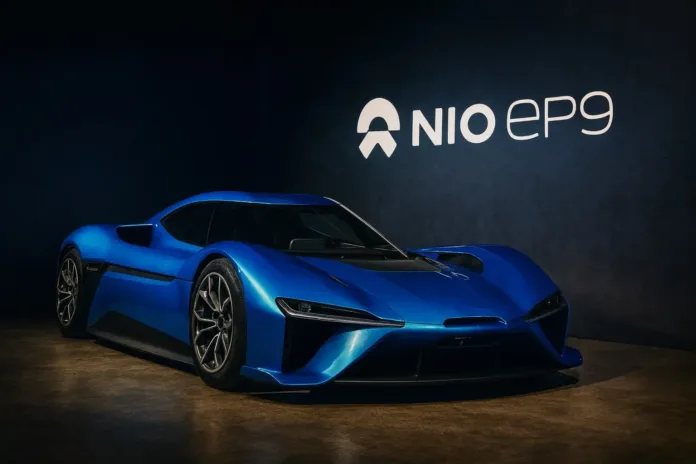

October 2025 has been nothing short of a wild ride for NIO Inc., the Chinese electric vehicle maker challenging Tesla’s dominance. Picture this: one day you’re celebrating record-breaking sales that send your stock soaring, the next you’re plummeting on news of a massive lawsuit. Welcome to NIO’s October.
Table of Contents
The Tale of Two Fortunes
The High: NIO delivered a jaw-dropping 87,071 electric vehicles in Q3 2025, marking a 40.8% surge compared to last year. September alone saw 34,749 deliveries—a 64% year-over-year jump that pushed the stock to around $7.70 in early October.
The Low: On October 16, Singapore’s sovereign wealth fund GIC sued NIO, alleging the company inflated approximately $600 million in revenue. The stock nosedived 10% that day, closing near $6.30 and erasing weeks of gains. Ouch.
Breaking Down the Numbers
| Metric | Q3 2025 Performance |
|---|---|
| Total Deliveries | 87,071 vehicles (+40.8% YoY) |
| September Sales | 34,749 units (+64% YoY) |
| Stock Price (Oct 20) | ~$7.00 |
| 52-Week Range | $3.02 – $8.02 |
| Year-to-Date Gain | ~50% |
What’s Driving NIO’s Success?
The surge in sales isn’t just luck—it’s strategic execution. NIO’s new Onvo sub-brand, targeting family-oriented SUV buyers, accounted for nearly half of September’s sales with about 15,246 units. The Onvo L90 SUV has racked up over 30,000 pre-orders, prompting Morgan Stanley analysts to call it “far above expectations.”
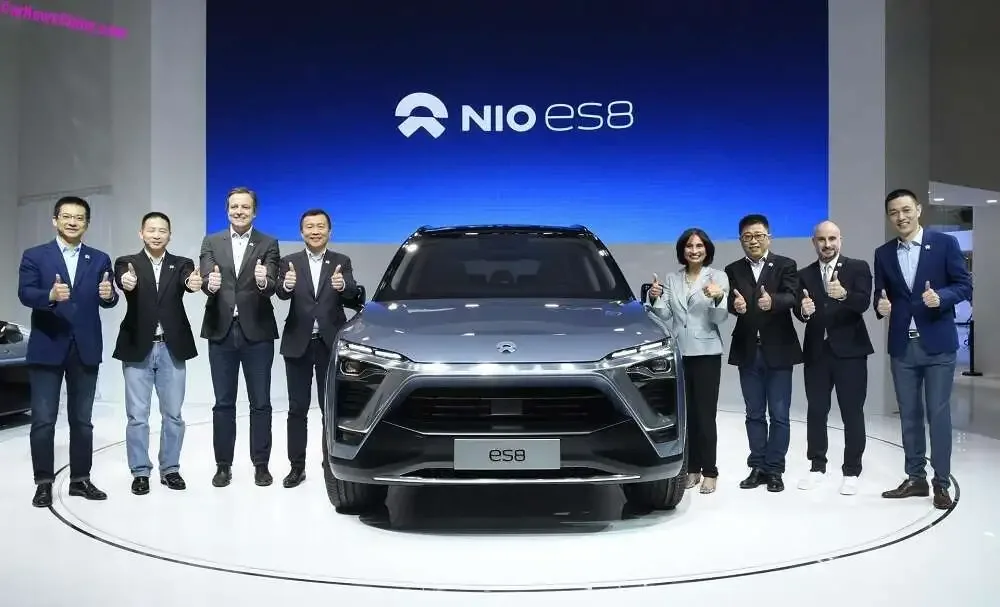
But here’s the kicker: while competitors slash prices in China’s brutal EV price war, NIO has maintained its premium positioning. The company’s refreshed ES8 flagship SUV launched in late September, causing shares to jump 12% when pre-orders opened.
The Lawsuit That Shook Investors
GIC’s lawsuit centers on NIO’s battery-as-a-service model. The fund claims NIO created a joint venture in 2020 to book upfront battery sales revenue, even though customers pay monthly subscriptions. This allegedly pulled forward $600 million in revenue that “wasn’t truly earned yet.”
NIO’s response? They’ve been here before. These allegations mirror a 2022 short-seller report that NIO publicly refuted. An independent board investigation found no basis for the claims. The company maintains its accounting was legitimate.
Bulls vs Bears: The Great Divide
The Optimists point to NIO’s expanding lineup, cost-cutting measures, and CEO William Li’s bold promise: operating breakeven by Q4 2025. At roughly 0.4× forward sales, NIO trades at a steep discount to rivals like XPeng (1.2× forward sales). Any positive surprise could trigger a rally.
The Skeptics note NIO has never posted an annual profit since its 2018 IPO. Consensus estimates don’t project full-year profitability until 2029. The company still lost ¥5.0 billion (~$700M) in Q2 2025, and the GIC lawsuit raises governance concerns.
The Road Ahead: High Stakes Q4
NIO is betting big on a blockbuster fourth quarter, reportedly targeting 150,000 deliveries—a stunning 72% jump from Q3. The company aims for about 440,000 total 2025 deliveries across all brands, roughly double 2023’s volume.
What to Watch:
- Q3 earnings report (mid-November)
- Q4 delivery numbers
- Progress toward profitability
- Resolution of the GIC lawsuit
Strategic Moves That Matter
NIO isn’t sitting still. The company completed a $1.2 billion share sale in September to fund new platforms and expand its battery-swap network. It partnered with CATL, the world’s largest battery maker, bringing in $345 million and validating its swap concept.
Internationally, NIO is pushing into Southeast Asia starting with Singapore in 2026, and exploring markets in Central Asia and Latin America. By mid-2025, NIO operated in over 10 countries.
The Bottom Line
NIO stands at a crossroads. Record sales and strategic partnerships paint one picture; ongoing losses and legal clouds paint another. The next few months are make-or-break. If NIO delivers on its Q4 promises and achieves that first profitable quarter, the stock could soar. If it stumbles, investors may lose patience.
For now, NIO’s October saga perfectly captures the company’s journey: high potential meets high risk. The Chinese EV pioneer is proving it can sell cars—now it needs to prove it can make money doing it.
Wall Street’s watching. So should you.

