

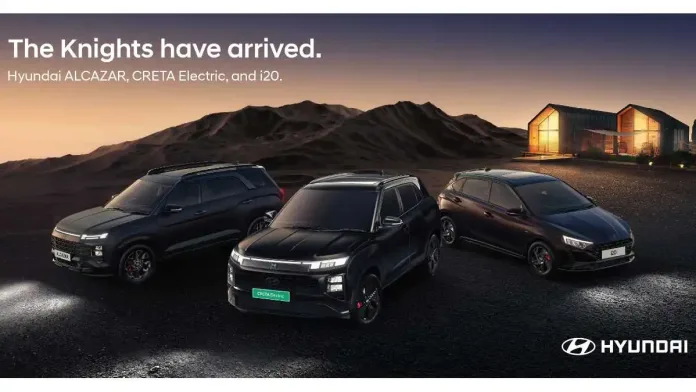

In a landmark announcement that underscores India’s rising prominence in global automotive manufacturing, Hyundai Motor Company‘s President and CEO José Muñoz declared that India will become the company’s second-largest region globally by 2030, backed by a massive ₹45,000 crore investment through FY2030. The Korean automaker is positioning India not just as a manufacturing base, but as a critical global export hub targeting up to 30% export contribution.
Table of Contents
Strategic Vision: India at the Center
“India isn’t just important to Hyundai’s global strategy. India is Hyundai’s global strategy,” Muñoz emphasized, signaling a fundamental shift in how the automaker views its third-largest market. Currently accounting for 15% of Hyundai’s global sales, India will leapfrog to become the second-largest region after North America.
| 2030 Target | Details |
|---|---|
| Total Investment | ₹45,000 crore (60% product/R&D, 40% capacity) |
| Export Contribution | Up to 30% of total production |
| Domestic Market Share | 15%+ |
| Production Capacity | 1.1 million units annually |
| Revenue Target | ₹1 lakh crore+ (1.5x growth) |
| Product Launches | 26 new models (7 new nameplates) |
Why India? The Geographic and Economic Logic
According to Muñoz, India’s geographical advantage makes it an ideal launchpad for emerging markets, offering on-demand product flexibility and global cost competitiveness. The ‘Make in India’ alignment isn’t just rhetoric—it’s strategic positioning for cost-effective manufacturing that can serve global markets from Africa to Southeast Asia.
Product Blitzkrieg: 26 Launches by 2030
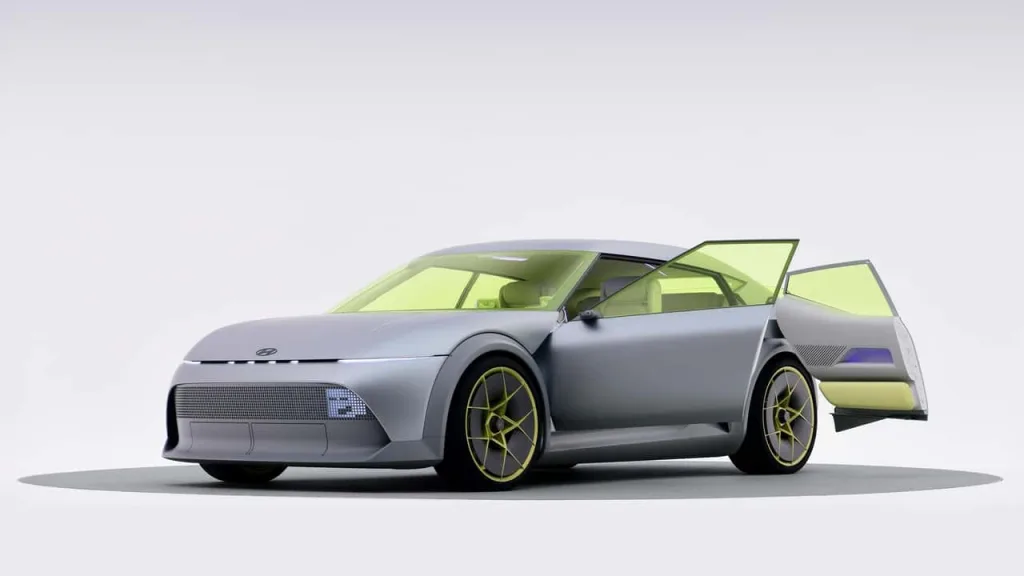
Under the roadmap, Hyundai will launch 26 new models including seven new nameplates, marking its entry into the multipurpose vehicle (MPV) and off-road SUV segments. The highlights include:
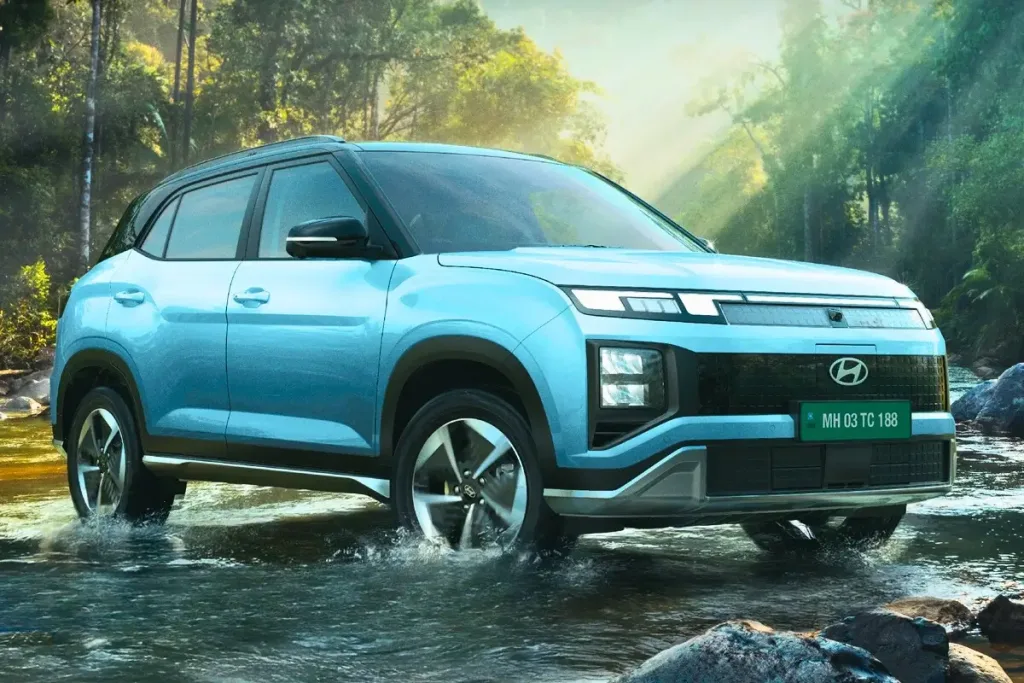
- India’s first locally manufactured dedicated electric SUV by 2027
- Genesis luxury brand launch in India by 2027
- Over 80% SUV/MPV portfolio contribution
- 50%+ eco-friendly powertrains (CNG, EV, Hybrid)
This aggressive product strategy demonstrates Hyundai’s commitment to dominating the high-growth SUV segment while embracing India’s electrification journey.
Manufacturing Innovation: Software Defined Factory
Hyundai is investing heavily in manufacturing innovation, advancing toward a Software Defined Factory (SDF) model to boost operational efficiency and localization. The upcoming Pune manufacturing plant, spread across 300 acres with 31% green cover, will house four vehicle shops and one engine shop—showcasing Hyundai’s commitment to sustainable, advanced production.
Financial Discipline Meets Ambitious Growth
The company aims to increase revenues by 1.5 times and cross the ₹1 trillion milestone by FY2030 while maintaining strong double-digit EBITDA margins and offering a 20-40% dividend payout guidance. This balanced approach appeals to investors seeking both growth and shareholder returns.
Rural Penetration & Network Expansion
By FY2030, Hyundai’s sales and service network will extend to 85% of India’s districts, with rural markets expected to contribute nearly 30% of total sales. This inclusive growth strategy recognizes that Bharat—not just India—represents the future of automotive demand.
Historic Leadership Transition
In a defining moment, Hyundai Motor India confirmed the appointment of Tarun Garg as the next Managing Director and CEO, effective January 1, 2026—the first Indian national to lead Hyundai Motor India in its nearly three-decade history.
The EV Manufacturing Hub Vision
Muñoz’s assertion that India could become one of the most globally competitive EV manufacturing hubs carries weight. With government incentives, expanding charging infrastructure, and growing consumer acceptance, India offers the perfect storm for affordable EV manufacturing at scale.
What This Means for India
Hyundai’s ₹45,000 crore commitment validates India’s emergence as a global automotive powerhouse. It creates jobs, strengthens the supplier ecosystem, and positions India as an export champion—exactly what the ‘Make in India’ initiative envisioned. For the Indian EV ecosystem, Hyundai’s dedicated electric SUV by 2027 could accelerate mainstream adoption significantly.
As global automakers reassess their manufacturing footprints, Hyundai’s bold bet on India sends a clear message: the future of automotive manufacturing isn’t just in India—it’s driven by India.
Follow Hyundai’s India transformation and global automotive trends at IndiaEVNews.com.

