

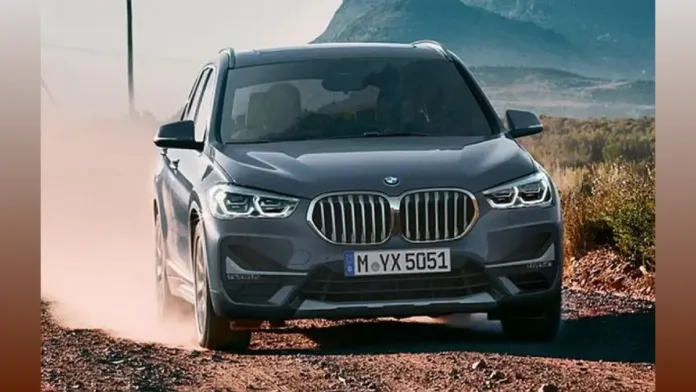

Picture this: Every third BMW cruising down Indian roads in 2030 could be electric. That’s not wishful thinking—it’s BMW India’s ambitious reality unfolding before our eyes.
Table of Contents
The 30% Electric Dream
BMW India’s President and CEO Hardeep Singh Brar recently revealed that electric vehicles will account for approximately 30% of the company’s total sales before 2030, driven by new product launches and India’s growing appetite for sustainable luxury.
But here’s the kicker: BMW plans to achieve this 30% milestone by 2027—three years ahead of the government’s 2030 target. That’s not just meeting expectations; that’s redefining them.
The Numbers Tell a Remarkable Story
Between January and September 2025, BMW delivered 2,509 electric vehicles in India—a staggering 246% year-on-year increase. To put this in perspective, while the overall Indian EV market hovers around 3.5% penetration, BMW already sits at 21% of its total sales coming from electric vehicles.
BMW India’s 2025 Performance Snapshot
| Metric | Achievement | Growth |
|---|---|---|
| Total Sales (Jan-Sept) | 11,978 units | 13% YoY |
| Electric Vehicle Sales | 2,509 units | 246% YoY |
| EV Share of Total Sales | 21% | Industry: 3.5% |
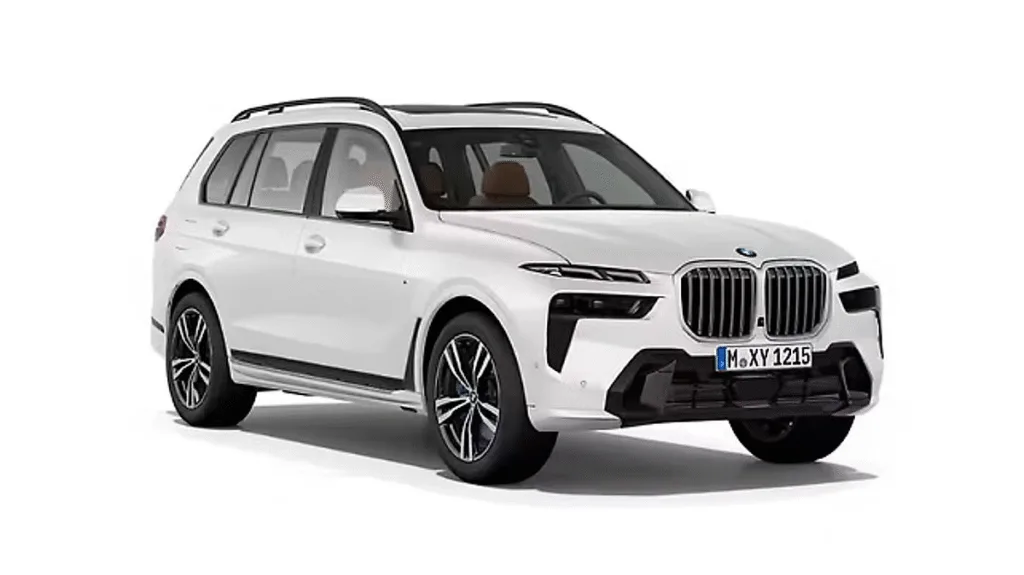
| Best-Selling EV | iX1 | Compact SUV segment |
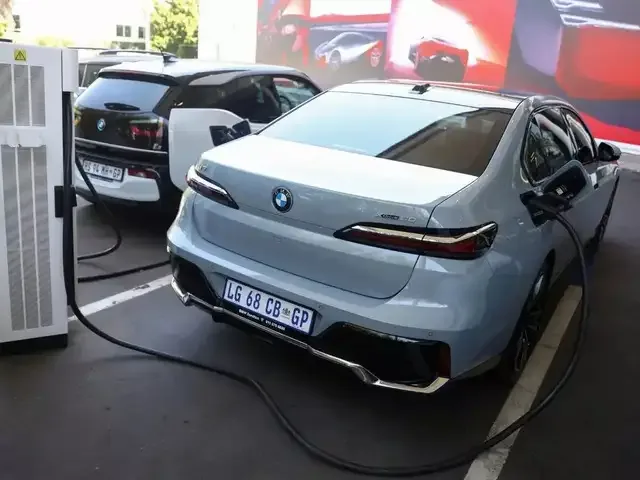
| Premium EV | i7 | Luxury sedan |
| Cumulative EV Deliveries | 5,000+ | Q3 2025 milestone |
What’s Driving This Electric Revolution?
1. Product Portfolio Expansion BMW’s current Indian lineup includes six electric cars and two electric scooters: the i7, iX, i5, i4, iX1 Long Wheelbase, MINI Countryman E, BMW CE 04, and BMW CE 02.
2. Government Support Recent GST reforms reduced taxes on luxury vehicles, making premium EVs more accessible to Indian buyers. This policy shift has accelerated demand significantly.
3. Infrastructure Maturity India’s charging infrastructure is rapidly expanding, eliminating range anxiety—the biggest barrier to EV adoption.
4. Consumer Mindset Shift Today’s luxury car buyers aren’t just purchasing status symbols; they’re making environmental statements. Sustainability has become synonymous with sophistication.
The Customer Behind the Numbers
Meet the modern BMW EV buyer: They’re tech-savvy, environmentally conscious, and willing to invest in sustainable luxury. The iX1 compact SUV has emerged as the top-selling electric model, followed by the flagship i7 luxury sedan—revealing that Indian customers want both practicality and prestige.
These aren’t just early adopters experimenting with technology; they’re informed decision-makers who’ve done the math. With lower running costs, reduced maintenance, and impressive performance, luxury EVs make financial sense beyond the environmental appeal.
BMW’s Strategic Advantage
What sets BMW apart in India’s luxury EV space?
Innovation Leadership: BMW isn’t retrofitting combustion engines; they’re building purpose-designed electric platforms delivering authentic EV experiences.
Local Manufacturing: BMW’s Chennai plant assembles several models locally, including EVs, keeping costs competitive.
Service Network: With established service centers nationwide, BMW offers the after-sales confidence crucial for EV adoption.
Brand Heritage: BMW’s “Ultimate Driving Machine” legacy translates seamlessly to electric performance, reassuring buyers about quality.
The Road to 2030: Realistic or Ambitious?
BMW has already crossed 5,000 cumulative electric vehicle deliveries as of Q3 2025, and with the current 246% growth trajectory, the 30% target seems not just achievable but conservative.
Consider this timeline:
- 2025: 21% EV share achieved
- 2027: 30% target milestone (BMW’s goal)
- 2030: Potentially 40-50% based on current momentum
The company’s confidence stems from real market validation, not boardroom projections.
What This Means for Indian Buyers
More Choices: Expect BMW to launch additional EV models tailored for Indian conditions and preferences.
Better Pricing: Increased volumes typically lead to improved economies of scale and competitive pricing.
Enhanced Infrastructure: BMW’s commitment signals expanded charging networks at dealerships and partner locations.
Resale Value: As EVs become mainstream, their resale market will mature, protecting your investment.
The Bigger Picture
BMW’s electric surge isn’t happening in isolation. It’s part of India’s broader automotive transformation, where luxury brands lead the charge (pun intended) toward sustainable mobility.
This growth is fueled by new products and enhanced adoption of green vehicles across the country, creating a virtuous cycle: More EVs on roads normalize electric driving, encouraging others to follow suit.
Final Thoughts
When Hardeep Singh Brar discusses BMW’s 21% EV sales against the industry’s 3.5%, he’s not just sharing numbers—he’s illustrating how luxury brands can accelerate India’s electric future.
By 2030, seeing a BMW EV won’t be noteworthy; it’ll be expected. And that transformation from exception to expectation is precisely what makes BMW India’s electric journey so compelling.
The surge has begun. The question isn’t if BMW will reach 30%—it’s how far beyond that they’ll go.

