


Picture this: pulling into a fueling station where you can choose between hydrogen or electric charging—all powered by clean, renewable energy. It sounds futuristic, right? Well, Gujarat is making it a reality by 2026, and the blueprint was just signed.
Table of Contents
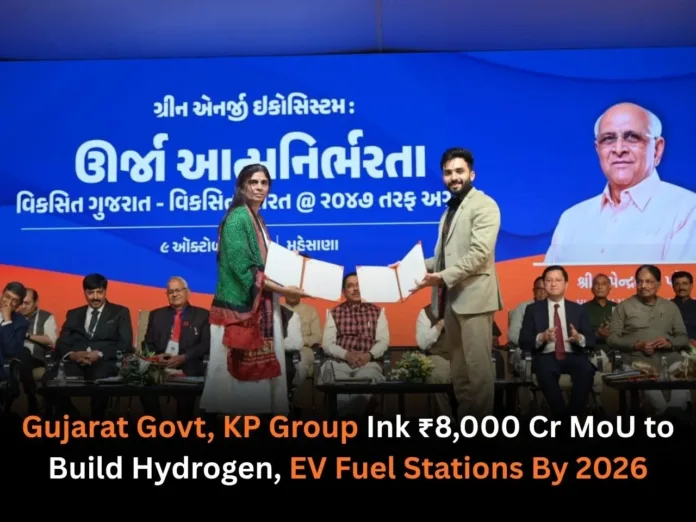
The Historic Agreement
On October 9, 2025, the Gujarat government signed a Memorandum of Understanding with KP Group during the ‘Investment Promotion Activity’ for the Vibrant Gujarat Regional Conference in Mehsana. This isn’t just another bureaucratic handshake—it’s an ₹8,000 crore commitment to transform India’s clean mobility landscape.
What’s Being Built?
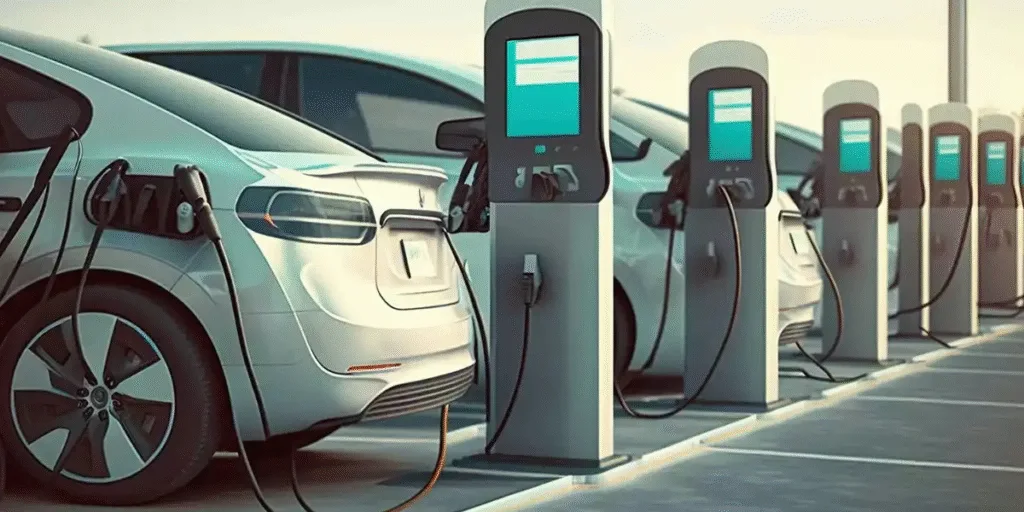
The Gujarat-based group has proposed to develop hydrogen and EV fuel stations across Gujarat to support the clean energy ecosystem and e-mobility infrastructure. Think of it as building tomorrow’s gas stations, except they’ll power vehicles without a drop of fossil fuel.
The Numbers That Tell the Story
| Project Details | Specifications |
|---|---|
| Investment | ₹8,000 crore |
| Location | Banaskantha district, Gujarat |
| Timeline | Completion by 2026 |
| Job Creation | 1,000 new jobs |
| Technology | Hydrogen + EV charging infrastructure |
| Energy Source | Renewable energy powered |
| Signed On | October 9, 2025 |
Why This Matters
India’s electric and hydrogen vehicle revolution needs one critical element: infrastructure. You can build the most advanced EVs or hydrogen cars, but without accessible refueling stations, they’re just expensive paperweights.
The Gujarat government stated it will facilitate KP Group in obtaining necessary permissions, registrations, approvals, and clearances from concerned state departments. This governmental backing transforms a bold vision into executable reality.
The Strategic Partnership Advantage
KP Group isn’t going it alone. The company previously collaborated with Delta Electronics India, a prominent energy and power management solutions provider, by signing three strategic Memoranda of Understanding spanning Battery Energy Storage Systems, Green Hydrogen and EV Charging Infrastructure, and Solar PV Inverters.
What Each Partner Brings
KP Group’s Role:
- Leading green hydrogen production plant development
- Utilizing renewable energy sources
- Station design and implementation
Delta Electronics’ Contribution:
- Energy management systems
- Hydrogen compression and dispensing technology
- EV charging hardware and software
- Real-time monitoring and billing platforms
- AC and DC fast chargers
The Technology Behind the Stations
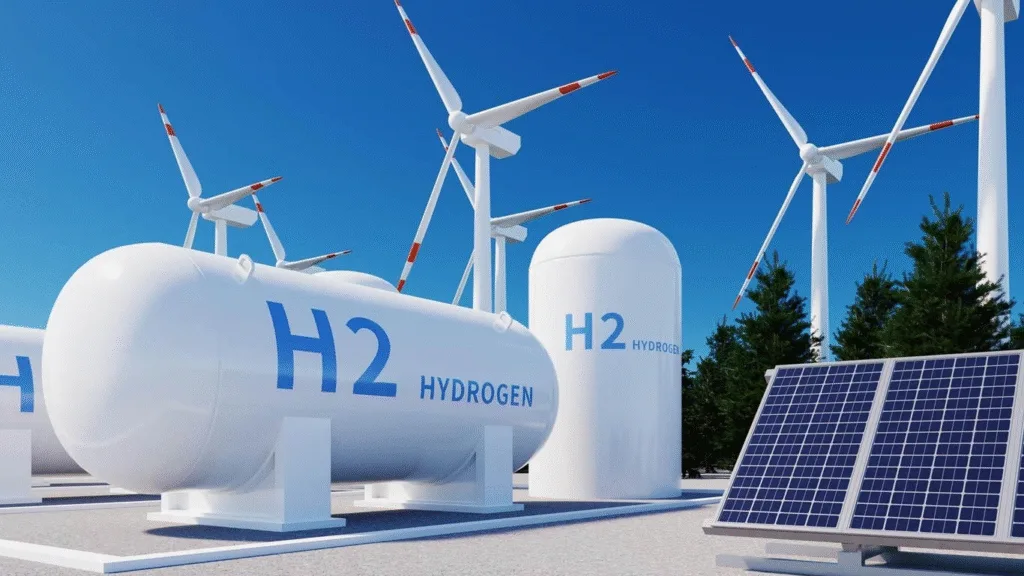
The collaboration focuses on integrated green hydrogen refueling and EV charging infrastructure, with KP Group leading the development of green hydrogen production plants powered by renewable energy.
Here’s what makes this fascinating: These aren’t separate facilities. The stations will offer both hydrogen and electric charging under one roof, giving drivers maximum flexibility.
Real-World Impact
For Drivers: Imagine never worrying about range anxiety. With comprehensive infrastructure across Gujarat, your clean energy vehicle becomes practical for long-distance travel.
For the Economy: 1,000 new jobs aren’t just numbers—they represent families supported, skills developed, and economic growth rooted in sustainability.
For the Environment: Every vehicle using these stations is one less contributing to air pollution and carbon emissions.
The Human Element
The collaboration will also focus on skill development, with Delta training KP Group teams for safe and efficient station operations. This detail matters. Creating infrastructure is one thing; maintaining it safely and efficiently is what ensures long-term success.
It’s like building a hospital—you need the facility, but you also need trained staff who can operate the equipment and save lives.
Timeline: What to Expect
Now to 2026: Construction and development phase in Banaskantha district
During Development: Job creation begins, and the local economy benefits
By 2026: Operational stations supporting Gujarat’s clean mobility transition
Beyond 2026: Potential expansion across other Indian states
Why Banaskantha District?
The choice of Banaskantha district isn’t random. Strategic location decisions consider factors like connectivity, land availability, and regional development priorities. This project could transform Banaskantha into a clean energy hub.
The Bigger Picture
Gujarat isn’t just building fueling stations—it’s positioning itself as India’s clean energy pioneer. With supportive government policies, private sector innovation, and strategic partnerships, the state is creating a template other regions can follow.
What This Means for India
If Gujarat’s model succeeds (and with ₹8,000 crore backing, it likely will), expect similar projects across India. The country’s clean mobility transition depends on bold infrastructure investments like this one.
The Bottom Line
The Gujarat-KP Group agreement represents more than infrastructure development—it’s a declaration that India’s clean energy future is happening now, not someday.
By 2026, Gujarat could be home to India’s most advanced hydrogen and EV charging network. For businesses, it’s an investment opportunity. For citizens, it’s cleaner air and new jobs. For India, it’s a leap toward energy independence.
The countdown has begun. Gujarat is building tomorrow’s fueling stations today.

