


The global electric vehicle industry just hit a major speed bump. China has unveiled broad new curbs on its exports of rare earths and other critical materials, sending shockwaves through automotive boardrooms worldwide. If you’re wondering how this affects your next EV purchase or investment portfolio, you’re not alone.
Table of Contents
The Latest Restrictions: A Timeline
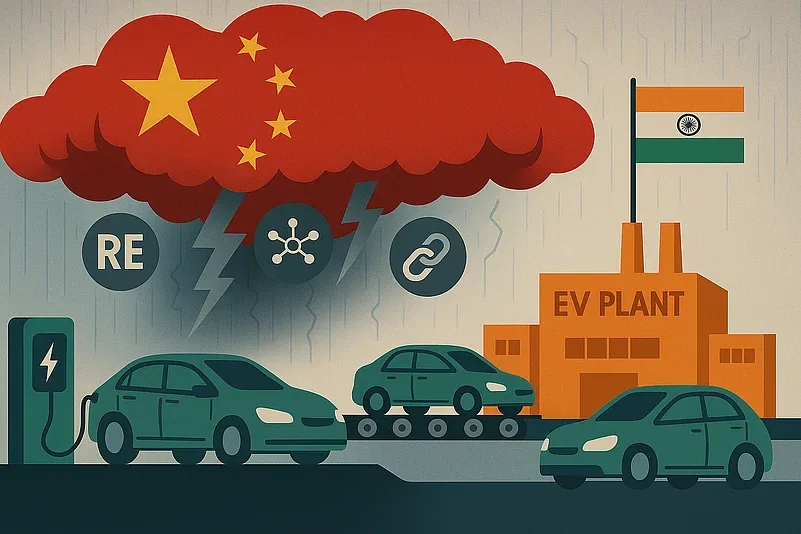
Beijing ramped up sweeping restrictions on rare earth exports, expanding the list of minerals under control and extending curbs to target their production technologies and their overseas use, including for military and semiconductor applications. This isn’t China’s first move—it’s an escalation.
| Date | Action Taken |
|---|---|
| April 2025 | Export restrictions on 7 rare earth elements |
| July 2025 | Controls on EV battery cathode technologies |
| October 2025 | Expanded controls on rare earths and production tech |
Why This Matters: The China Dominance Factor
Here’s the uncomfortable truth: The United States is entirely dependent on China for supply of these materials vital to defense technologies. It’s like having only one supplier for your entire business—except the business is the global clean energy transition.
China has put export restrictions on technologies critical for producing electric vehicle batteries, in a move to consolidate its dominance in the sector that has contributed to the country’s lead in the global EV race.
What’s Actually Being Restricted?
Rare Earth Elements
In April 2025, China implemented export restrictions on seven rare earths as a response to tariffs imposed by the U.S. Trump administration, and the impact has spread globally.
Battery Technologies
The restrictions now include:
- Lithium iron phosphate (LFP) preparation technology
- Battery cathode material production processes
- Mining and processing technologies
- Magnet manufacturing techniques
- Recycling technologies
The Numbers Game
About 510 grams of rare earths are used in hybrid-powered vehicles using lithium-ion batteries, with restrictions including terbium, 9 grams of which is typically used in a single-motor EV.
Global Responses: Fighting Back
Countries aren’t sitting idle. The West is scrambling to break free from this dependency.
| Region | Strategy |
|---|---|
| United States | Developing domestic rare earth mining |
| Europe | Investing in recycling technologies |
| Japan | Diversifying supply chains |
| Australia | Ramping up extraction operations |
However, there’s a catch—recycling efforts alone aren’t solving the problem quickly enough.
Real-World Impact: What You’ll Feel
For EV Buyers: Expect potential price increases as manufacturers scramble for alternative sources or pay premium prices for Chinese materials.
For Automakers: Supply chain disruptions could delay new model launches and force redesigns to use alternative materials.
For Tech Companies: Semiconductor and defense technology production faces similar constraints.
The Geopolitical Chess Game
Beijing’s move to shore up its trade war leverage comes ahead of a high-stakes meeting between Donald Trump and Xi Jinping. This isn’t just about economics—it’s strategic positioning on the global stage.
Think of it as China playing with house rules in a game where they own the casino. The rare earth restrictions are bargaining chips in larger trade negotiations.
What Happens Next?
The future depends on several factors:
Short-term: Supply chain adjustments, price volatility, and potential shortages in specific components.
Medium-term: Accelerated investment in alternative sources and recycling technologies.
Long-term: Possible restructuring of global supply chains with diversified rare earth sources.
Silver Linings
While challenging, this crisis is forcing innovation. Countries are finally serious about:
- Developing domestic mining capabilities
- Investing in advanced recycling technologies
- Researching alternative materials
- Building resilient supply chains
The Bottom Line
China’s tightening grip on rare earths and battery materials is reshaping the global EV landscape. While the immediate impact creates uncertainty, it’s also accelerating the push for supply chain independence.
For consumers, this means the clean energy transition might get bumpy—and possibly more expensive—in the short term. But it also means more diverse, resilient supply chains in the future.
The race is on: Can the world develop alternative sources before China’s dominance becomes an insurmountable barrier? Only time will tell, but one thing’s certain—the EV revolution just got a lot more complicated.

