

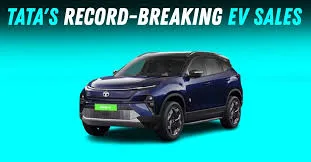

Tata Motors just rewrote the rulebook for electric vehicle success in India. September 2025 marked a historic milestone as the homegrown giant posted its highest-ever monthly EV sales—and the Harrier EV is stealing the spotlight.
Table of Contents
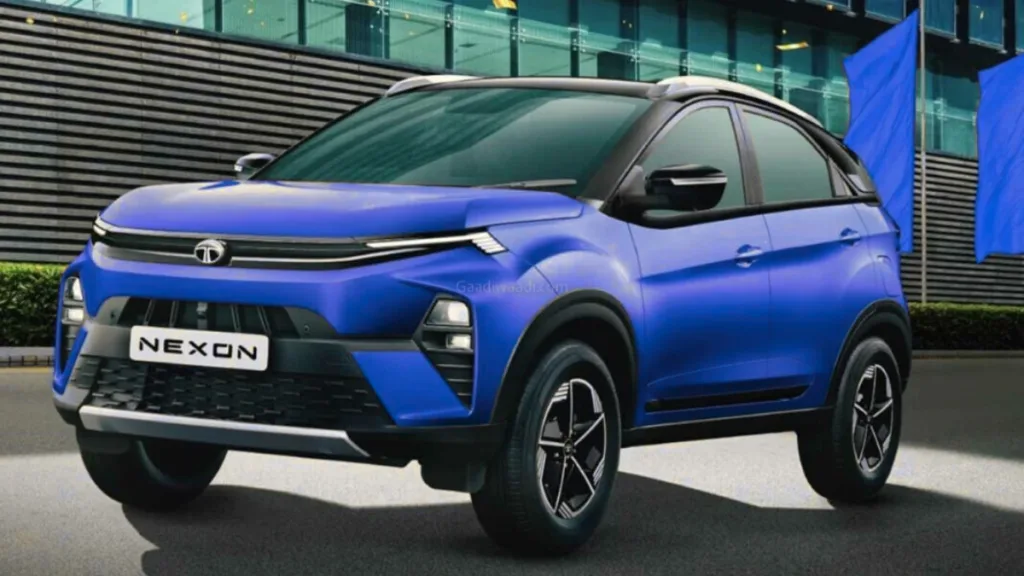
A New Chapter in India’s EV Story
Remember when electric cars felt like a distant dream for most Indian families? Those days are officially over. Tata Motors’ September performance proves that EVs have moved from novelty to necessity, and one brand is leading this transformation with unwavering momentum.
The numbers tell a powerful story: record-breaking sales, a blockbuster launch, and a growing appetite for sustainable mobility that’s reshaping India’s automotive landscape.
The Harrier EV Effect
Let’s talk about the star of the show—the Harrier EV. This isn’t just another electric SUV; it’s Tata’s bold statement that premium electric mobility can be both aspirational and accessible.
Why the Harrier EV is turning heads:
- Combines the beloved Harrier’s commanding presence with zero-emission technology
- Competitive pricing that challenges luxury EV perceptions
- Real-world range that eliminates anxiety for urban and highway drives
- Advanced features that rival international EV brands
The launch couldn’t have been timed better. As Indian consumers grow more environmentally conscious and fuel prices remain volatile, the Harrier EV offers a compelling alternative without compromising on space, comfort, or performance.
Breaking Down the September Success
| Key Metrics | Performance Highlights |
|---|---|
| Monthly Sales | Highest ever recorded for Tata EVs |
| Star Product | Harrier EV launch exceeded expectations |
| Portfolio Strength | Expanded lineup attracting diverse buyers |
| Market Position | Consolidated leadership amid competition |
More Than Just One Hit Wonder
Here’s what separates Tata from the pack—it’s not relying on a single model. The company’s expanding EV portfolio creates a safety net of options:
The Tata EV Ecosystem:
- Tiago EV: Making electric mobility affordable for first-time buyers
- Tigor EV: Winning the sedan segment with practicality
- Nexon EV: The bestseller that started it all
- Harrier EV: Taking Tata into premium territory
- Punch EV: Micro-SUV appeal meets electric efficiency
This multi-pronged approach means Tata isn’t putting all its eggs in one basket. Whether you’re a budget-conscious student or a family looking for a spacious SUV, there’s a Tata EV for you.
Navigating the Competitive Storm
Let’s be real—the competition is heating up. New players are entering the market, legacy automakers are launching electric variants, and global brands are eyeing India aggressively.
Yet Tata’s market share consolidation tells us something crucial: first-mover advantage combined with consistent execution creates staying power.
What’s working for Tata:
- Extensive charging infrastructure partnerships
- Established service network across India
- Trust factor of a legacy Indian brand
- Aggressive pricing strategies
- Continuous product improvements based on customer feedback
What This Means for Indian Car Buyers
If you’re considering an electric vehicle, September’s developments offer three key insights:
Timing is right. With multiple options across price points and proven reliability from Tata, the EV ecosystem is finally mature enough for mainstream adoption.
Premium is accessible. The Harrier EV proves that you don’t need to spend luxury car money to enjoy a premium electric experience.
Infrastructure is improving. Tata’s success signals that charging anxiety is becoming less of a barrier as networks expand.
The Road Ahead
Tata Motors‘ September triumph isn’t just about numbers on a spreadsheet—it represents a fundamental shift in how Indians think about transportation. The company has moved beyond being an EV pioneer to becoming an EV powerhouse.
As competition intensifies, Tata’s response has been clear: expand the lineup, improve technology, and keep listening to customers. The Harrier EV’s successful debut shows this strategy is working.
For the Indian automotive industry, September 2025 will be remembered as the month when electric mobility truly came of age—and Tata Motors was driving at the front.

