

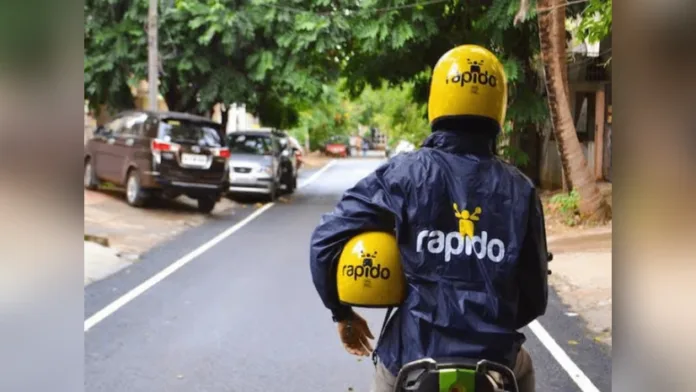

Rapido Was Banned in Bangalore, the Silicon Valley of India, is known for its bustling traffic, busy IT hubs, and the daily struggle of commuting. For thousands of people, bike-taxi services like Rapido were a lifesaver—helping them beat traffic, save money, and reach their destination faster. But then came the sudden shock: Rapido was banned in Bangalore.
Table of Contents
The Rise of Rapido in Bangalore
Rapido entered Bangalore as a perfect solution for the city’s chaotic traffic. For office-goers, students, and delivery partners, it was cheaper than cabs and quicker than buses. Within a short time, Rapido became one of the most popular bike-taxi apps in the city.
People loved it for three main reasons:
- Affordable rides compared to auto-rickshaws and cabs.
- Faster commutes in peak traffic.
- Flexible earning options for riders.
But just as it was gaining massive popularity, legal troubles began knocking on the door.
The Ban: Why Was Rapido Stopped in Bangalore?
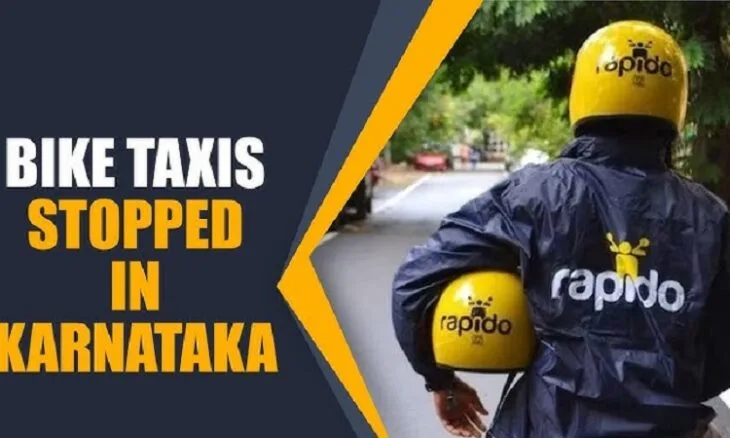
The Karnataka Transport Department announced that bike taxis were illegal in the state. According to transport laws, private two-wheelers are not allowed to operate as commercial vehicles. Since Rapido’s service model depends on private bike owners giving rides, the government declared it unlawful.
The main reasons behind the ban were:
- Legal concerns – Karnataka’s Motor Vehicle rules don’t recognize bike taxis as passenger transport.
- Safety issues – Authorities argued that most two-wheelers are not insured or licensed for commercial use, putting both riders and passengers at risk.
- Competition with autos and cabs – Local auto-rickshaw unions raised strong objections, claiming Rapido was eating into their business without following the same rules and licensing costs.
The Impact on Commuters
For regular users, the ban felt like a huge setback. Many office workers relied on Rapido to reach work on time, especially in traffic-heavy areas like Whitefield, Electronic City, and Outer Ring Road.
The ban meant:
- Higher travel costs – people had to depend on surge-priced cabs and autos.
- Longer commutes – buses and shared autos couldn’t match the speed of a bike taxi.
- Loss of livelihood – thousands of riders who used Rapido for part-time or full-time income lost their earnings overnight.
What’s Next for Rapido in Bangalore?
Despite the ban, Rapido hasn’t given up. The company has been in talks with the state government to legalize bike taxis by bringing in new regulations. In fact, several other states like Telangana and Delhi have already allowed bike taxis with proper guidelines.
If Karnataka revises its rules, Rapido could make a comeback—this time with stricter safety standards, commercial vehicle permits, and insurance coverage for passengers.
Conclusion
The ban on Rapido in Bangalore is not just about a company—it’s about the bigger question of urban mobility. As the city continues to grow, people need affordable, fast, and safe transport options. While autos and cabs remain, the demand for bike taxis proves that Bangaloreans are open to smarter solutions.
For now, Rapido’s absence is deeply felt by commuters, but the story isn’t over. With changing policies and rising demand, we might soon see bike taxis officially hit Bangalore’s roads again.

