


Yamaha just solved electric motorcycles’ biggest problem with a wild invention that makes EVs roar like gas bikes. Here’s why this changes everything.
Table of Contents
The Electric Motorcycle’s Silent Problem
Every motorcyclist knows the feeling: throttle open, engine roaring between your legs, exhaust note echoing off canyon walls. It’s pure mechanical poetry. But electric motorcycles? They’re about as exciting as a refrigerator on wheels—silent, smooth, and soulless.
Yamaha gets it. The Japanese giant just filed a patent that’s either brilliant or completely bonkers: a fake engine that makes electric motorcycles sound and feel exactly like gas bikes.
What Yamaha Actually Built
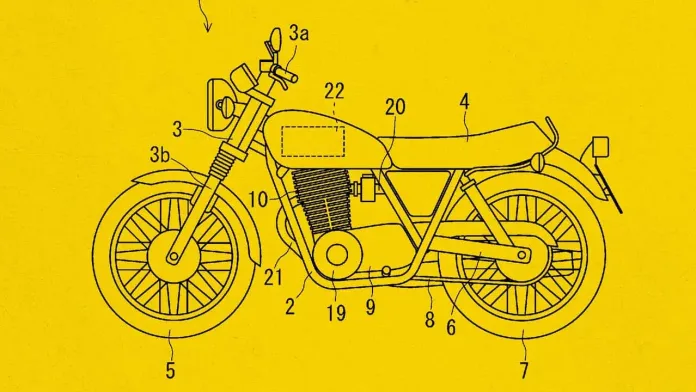
Forget everything you know about electric motorcycles. Yamaha’s new “Saddle-Riding Type Electric Vehicle” patent describes something that sounds like science fiction:
The Fake Engine Components:
- Functional pistons that move up and down (but don’t burn fuel)
- Real intake valves that actually suck air
- Working exhaust valves that push air out
- Authentic vibrations from moving mechanical parts
- Genuine engine sounds from the intake and exhaust process
It’s essentially a theatrical engine that performs all the motions of a real motor without burning a drop of gasoline.
Why This Patent Matters
According to Yamaha’s filing, they understand rider psychology perfectly. The patent states that riders “feel excited by experiencing the sound and vibration generated by their own accelerator operation.”
| Traditional Gas Bike | Silent EV | Yamaha’s EV Solution |
|---|---|---|
| Engine roar ✓ | Whisper quiet ✗ | Fake engine roar ✓ |
| Mechanical vibration ✓ | Smooth operation ✗ | Artificial vibration ✓ |
| Intake/exhaust sounds ✓ | Motor whir only ✗ | Real air sounds ✓ |
| Emotional connection ✓ | Clinical experience ✗ | Manufactured soul ✓ |
The Technology Behind the Magic
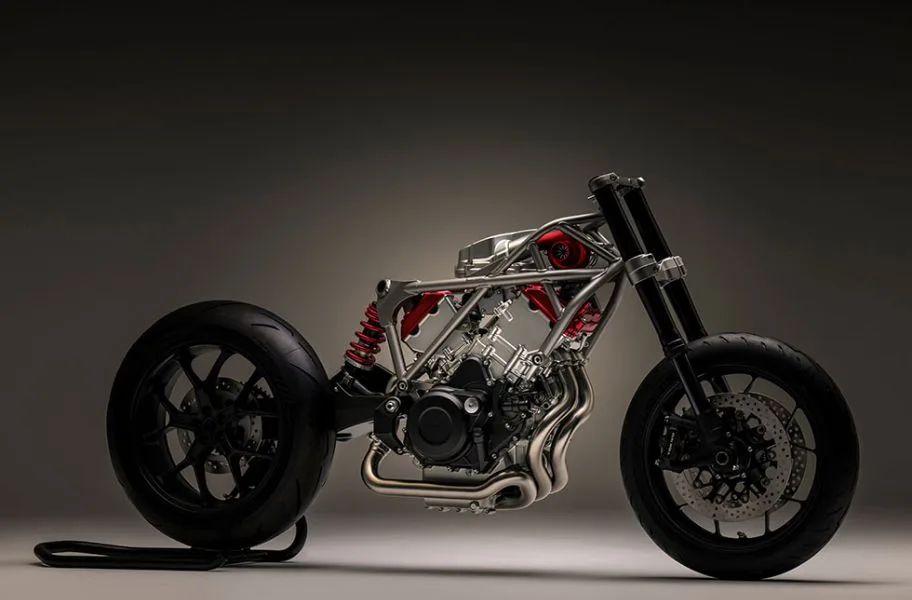
Here’s where it gets fascinating: Yamaha’s system uses linear motors to move fake pistons inside real cylinders. As you twist the throttle:
- Linear motors activate (instead of combustion)
- Pistons move up and down creating familiar rhythm
- Air gets sucked through intake valves making authentic sounds
- Exhaust valves push air out creating backfire-like pops
- Mechanical vibration transfers through the frame to your body
It’s like having a drum machine that perfectly mimics your favorite band—technically fake, but emotionally real.
The Rider’s Dilemma
This patent reveals motorcycling’s deepest truth: we don’t just ride for transportation—we ride for connection. The patent acknowledges that while riders support “carbon dioxide emissions control,” they still crave “the sound and vibration unique to reciprocating engines.”
What Traditional EVs Miss:
- The anticipation of engine braking
- The satisfying blip of downshifts
- The mechanical feedback through handlebars
- The primal connection to combustion power
What Yamaha’s System Delivers:
- All the emotions of gas bikes
- Zero emissions guilt
- Instant electric torque
- Familiar riding sensations
Game-Changer or Gimmick?
This patent raises a provocative question: Is authentic motorcycle experience worth artificially recreating?
The Case FOR Fake Engines:
- Easier transition for gas bike lovers
- Maintains motorcycle culture and community
- Could accelerate EV adoption
- Preserves the emotional connection riders crave
The Case AGAINST:
- Adds complexity and weight to simple EVs
- Seems to miss the point of electric efficiency
- Potentially higher maintenance requirements
- Philosophical questions about authenticity
What This Means for Motorcycling’s Future
Yamaha’s patent signals that major manufacturers understand EV adoption isn’t just about performance specs—it’s about preserving motorcycle culture. While Tesla revolutionized cars by making them completely different, Yamaha wants to revolutionize motorcycles by making them feel exactly the same.
The Big Questions:
- Will riders embrace “fake” authenticity?
- Could this technology save motorcycle culture?
- Are we overthinking the transition to electric?
Bottom Line:
Yamaha just proved that going electric doesn’t mean going silent. Whether this patent becomes reality or remains a fascinating footnote, it shows that the future of motorcycling might sound a lot like its past—even if it’s all just really convincing theater.
Would you ride an electric motorcycle that roars like a Harley but runs on batteries? The answer might determine the soul of motorcycling’s electric future.

